
Synopsis
Vous aimerez aussi
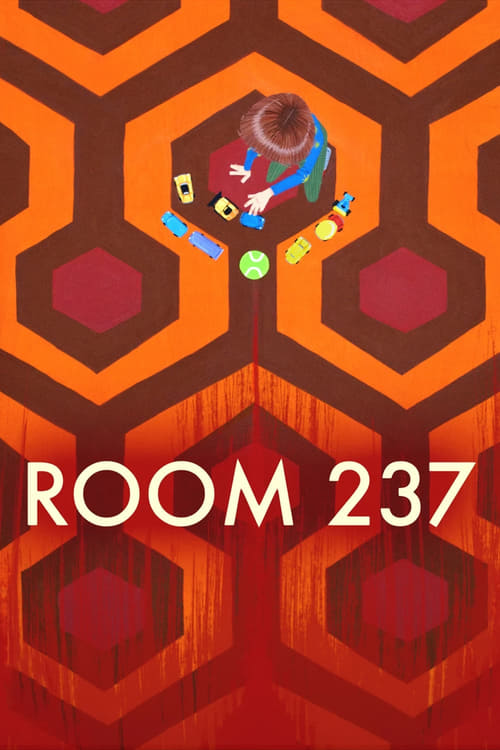
En 1980, Stanley Kubrick signe SHINING, qui deviendra un classique du cinéma d’horreur. A la fois admiré et vilipendé, le film est considéré comme une œuvre marquante du genre par de nombreux experts, tandis que d’autres estiment que Kubrick s’est dévoyé en la réalisant. Mais il y a aussi des fans acharnés qui ont voué leur vie au décryptage des messages cachés de ce film culte… Théories du complot ? Ont ils décrypté les messages secrets de Shining ?
Room 237
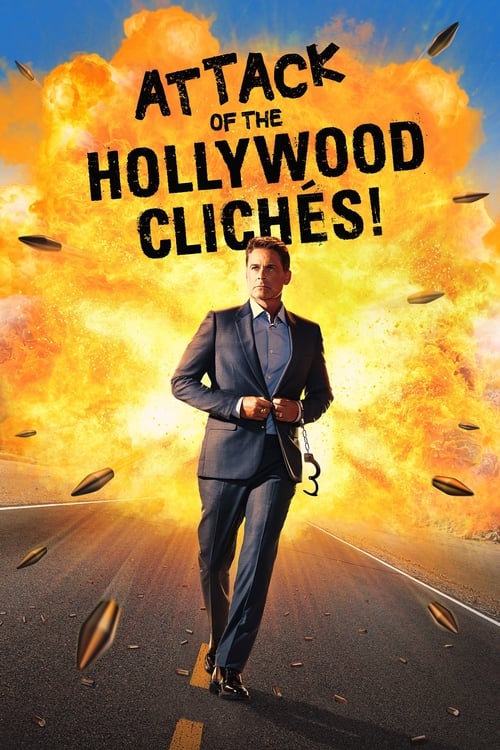
Personnages invincibles, coups de foudre improbables, explosions au timing parfait... Des stars et experts du cinéma démontent ces lieux communs, et bien d'autres.
Attack of the Hollywood Clichés!
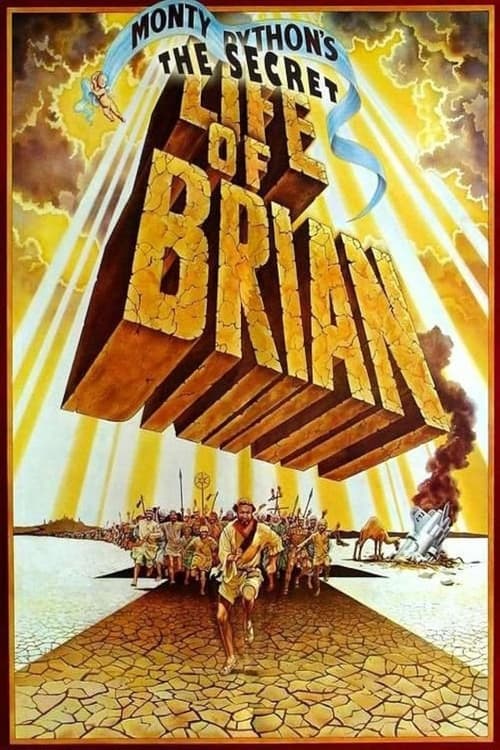
A documentary about the making of the controversial Life of Brian and the surrounding accusations of blasphemy.
The Secret Life of Brian

Ce documentaire traite du passage de la pellicule au numérique , ceci vu par les réalisateurs et chefs-opérateurs majeurs de l’Histoire du cinéma.
La révolution digitale
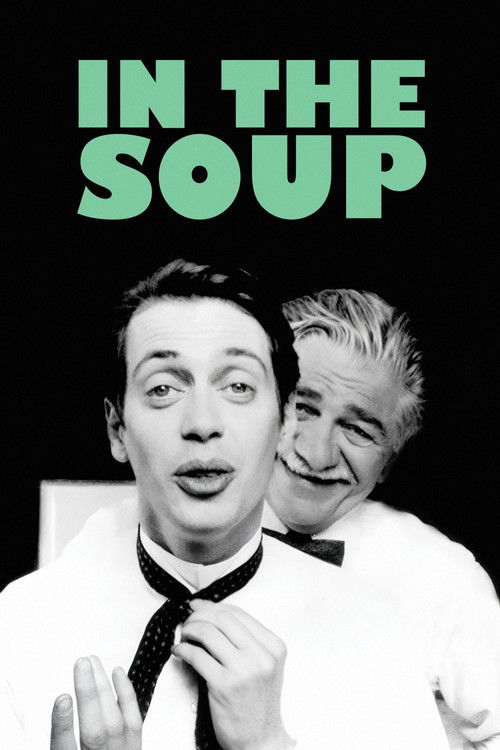
Un jeune metteur en scène dans la misère passe une annonce pour vendre les cinq cents pages de son scénario. C'est Joe, petit mafioso occasionnel, qui l’achète.
In the Soup
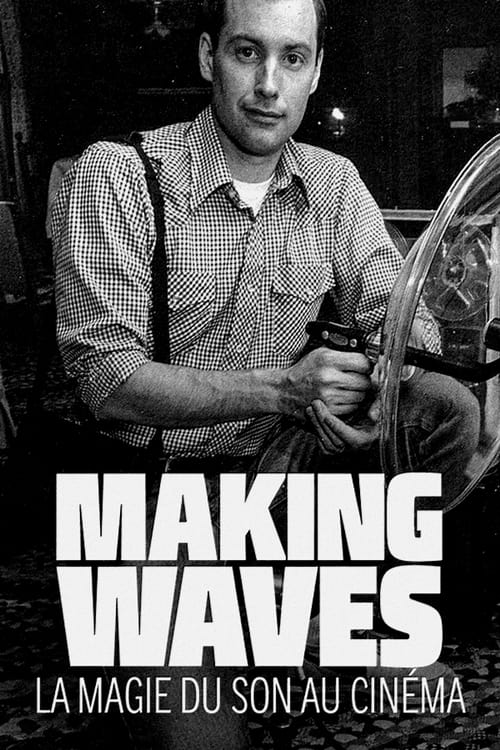
L'histoire du son au cinéma, racontée par des concepteurs sonores légendaires et des cinéastes visionnaires.
Making waves : la magie du son au cinéma

En 1974, le réalisateur franco-chilien Alejandro Jodorowsky se lance dans le projet chimérique d'adapter au grand écran le roman influent de Frank Herbert, « Dune » (1969). Après avoir investi deux ans et des millions de dollars, ce projet gigantesque se solde par un échec ; mais les artistes réunis par Jodorowsky pour le mener à bien continuent à travailler ensemble et finissent par jeter les bases du cinéma de science-fiction moderne.
Jodorowsky's Dune
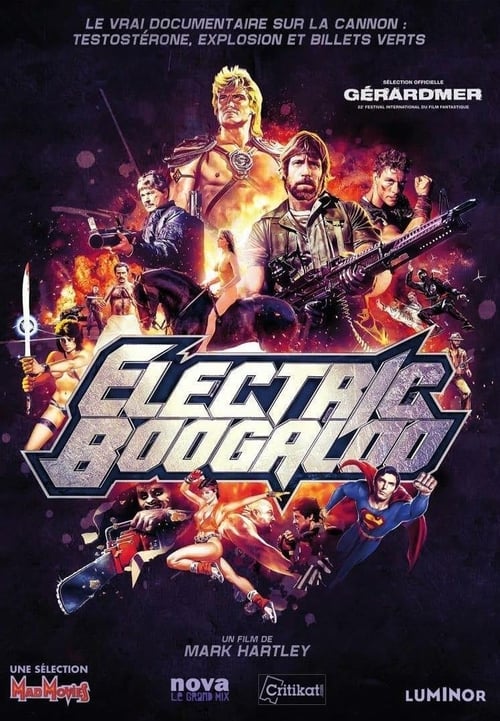
Mélangeant interviews, extraits de films et images d’archives, ce documentaire retrace l’histoire de la société de production Cannon Films, créée par Menahem Golan et Yoram Globus. Dans les années 1980, ces deux producteurs ont sans aucun doute produit les plus grands nanars du cinéma, s’emparant de force de la machine hollywoodienne, et changeant à jamais l’histoire du cinéma bis.
Electric Boogaloo
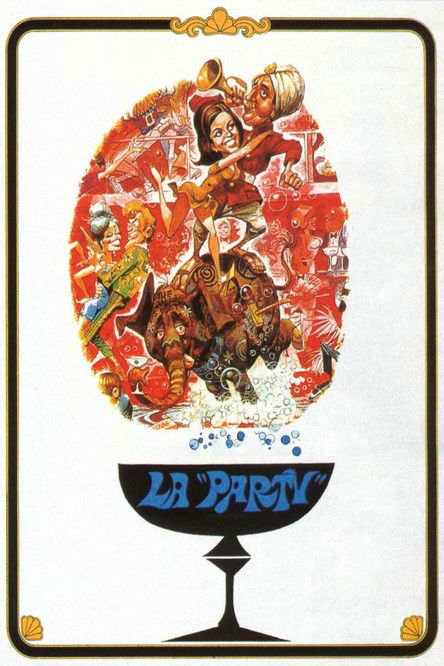
Hrundi V. Bakshi, un acteur indien, est engagé par un studio hollywoodien pour interpréter un soldat indigène dans un remake de « Gunga Din ». Faisant preuve d'une terrible maladresse, il fait exploser un coûteux décor. Exaspéré, le producteur demande à ce que le nom de Bakshi soit inscrit sur une liste noire. Mais suite à un quiproquo, le comédien se retrouve en fait invité à la soirée annuelle du studio.
La Party
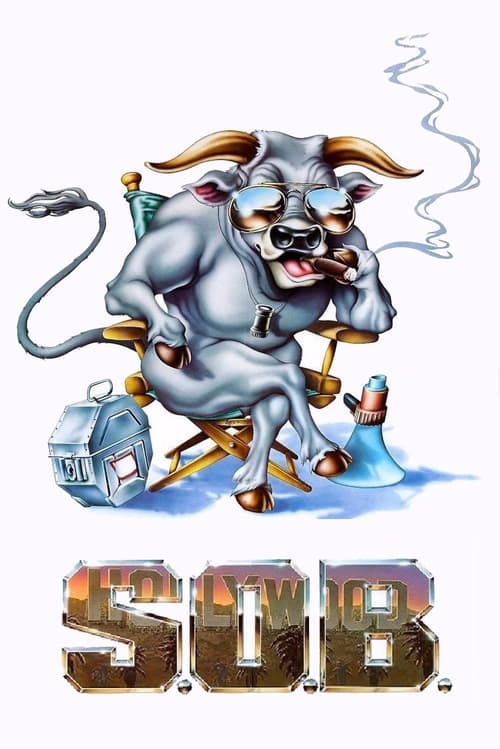
Le dernier film du célèbre cinéaste Felix Farmer est un échec retentissant. Accablé par la critique, abattu par le départ de sa femme, Farmer sombre dans la déprime. Afin de sauver son film, il décide d'en tourner une version érotique.
S.O.B.
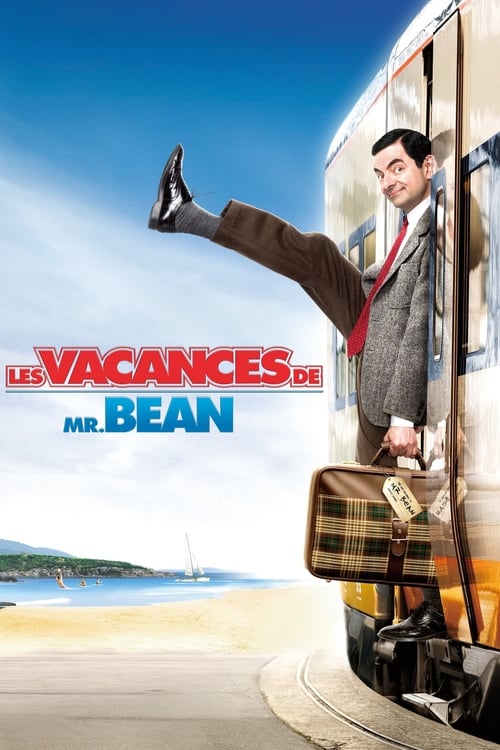
Mr. Bean a gagné une semaine de vacances sur la Côte d'Azur, et une caméra vidéo. Il quitte son Angleterre natale pour la France. Arrivé à Paris, il demande à un autre passager de le filmer en train de monter à bord du train pour Cannes. L'homme est en fait le réalisateur russe Emil Duchevsky, qui se rend à Cannes pour faire partie du jury du Festival du Film. Dans la confusion du départ, Duchevsky rate le train, et Mr. Bean se retrouve à bord avec Stepan, son fils de dix ans, qui ne parle pas un mot d'anglais. Pour Mr. Bean et Stepan commence alors un périple vers le sud de la France plein de surprises, de rencontres et d'aventures toutes plus délirantes les unes que les autres...
Les Vacances de Mr. Bean

Engagé pour interpréter le héros de l'adaptation cinématographique prétendue impossible du chef d'oeuvre de la littérature anglaise du XVIIIe siècle, La Vie et les opinions de Tristram Shandy, Steve Coogan nous présente dans le style très direct du roman-fleuve les personnages du film. Lui-même tout d'abord, Tristram Shandy, héros et grand organisateur de cette "histoire sans queue ni tête", sa mère tant aimée, Elizabeth, alors qu'elle va accoucher de lui, son père Walter, un intellectuel quelque peu névrotique, son oncle Toby et le caporal Trim qui s'affairent à reconstituer la bataille de Namur dans les jardins du château... Mais le comédien Steve Coogan n'a pas la vie facile sur ce plateau...
Tournage dans un jardin anglais
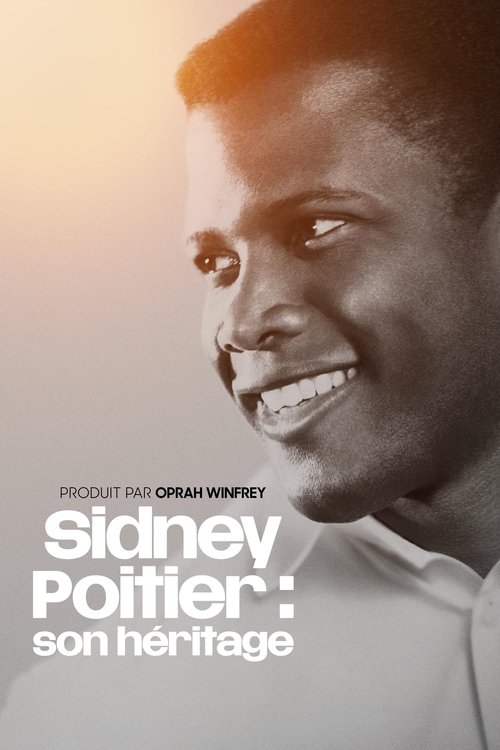
Réalisé par Oprah Winfrey, ce documentaire révélateur rend hommage au légendaire Sidney Poitier, acteur, cinéaste et militant des droits civiques. Découvrez des entretiens avec Denzel Washington, Spike Lee, Barbra Streisand, et bien d'autres.
Sidney Poitier : son héritage
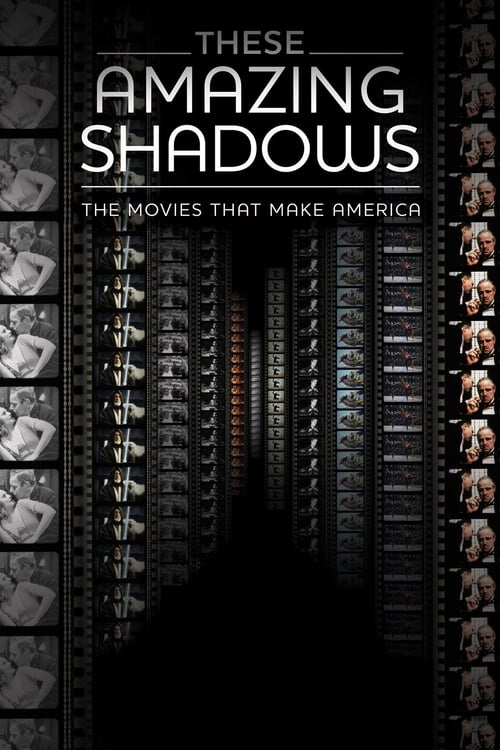
Tells the history and importance of The National Film Registry, a roll call of American cinema treasures that reflects the diversity of film, and indeed the American experience itself.
These Amazing Shadows
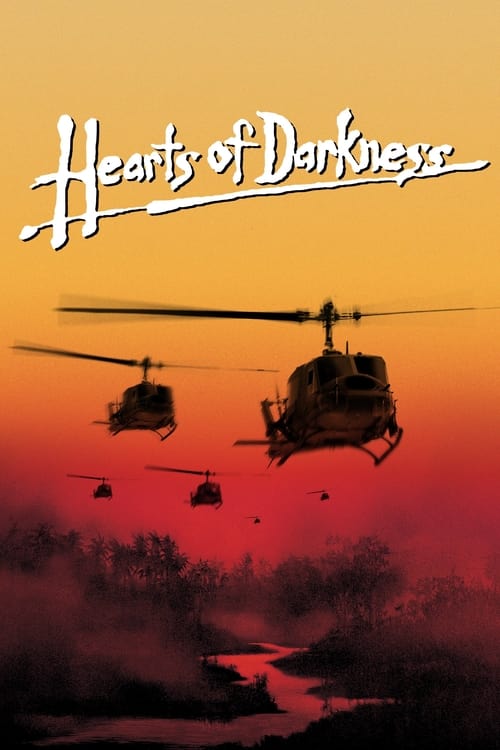
En février 1976, Francis Ford Coppola s'installe avec son équipe et toute sa famille aux Philippines pour tourner son huitième film, "Apocalypse Now". A sa demande, sa femme Eleanor suit avec sa caméra le tournage du film, tient un journal et enregistre leurs conversations. "Au cœur des ténèbres" est le film du film. Il évoque l'histoire d'un metteur en scène et d'une équipe confrontés à toutes sortes de problèmes qui mettront leurs vies et leurs nerfs à rude épreuve.
Aux cœurs des ténèbres : L'Apocalypse d'un metteur en scène
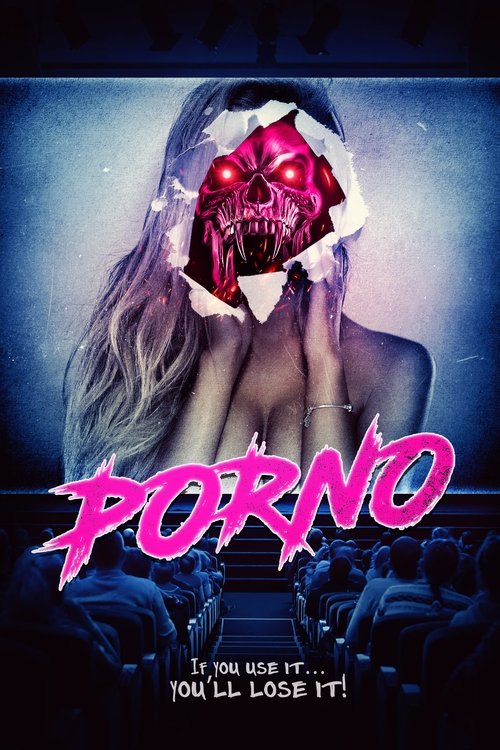
Lorsqu'un groupe d'adolescents naïfs travaillant dans une salle de cinéma dans une petite ville chrétienne découvre un film mystérieux caché dans son sous-sol, ils déchaînent une succube séduisante qui leur donne une éducation sexuelle… écrite dans le sang.
Porno
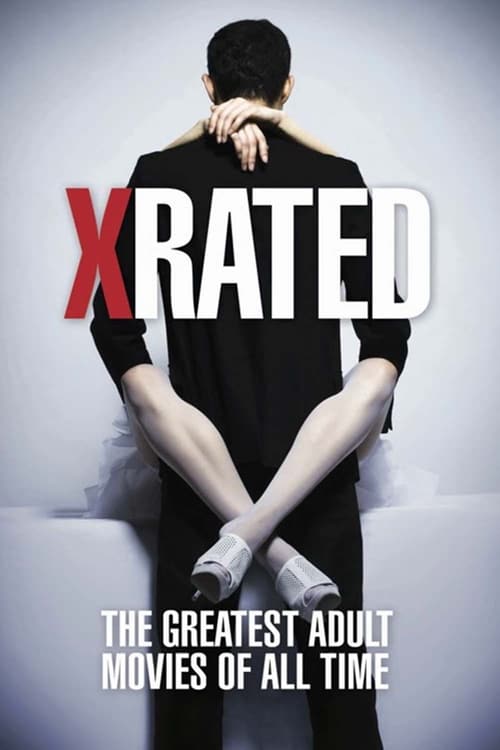
The evolution of adult cinema through the most influential films in history, a journey that begins in the 1970s and ends nowadays. An in-depth analysis of the success of the most prestigious erotic films, their impact on industry and society, and their influence on cinema and contemporary culture.
X-Rated: The Greatest Adult Movies of All Time
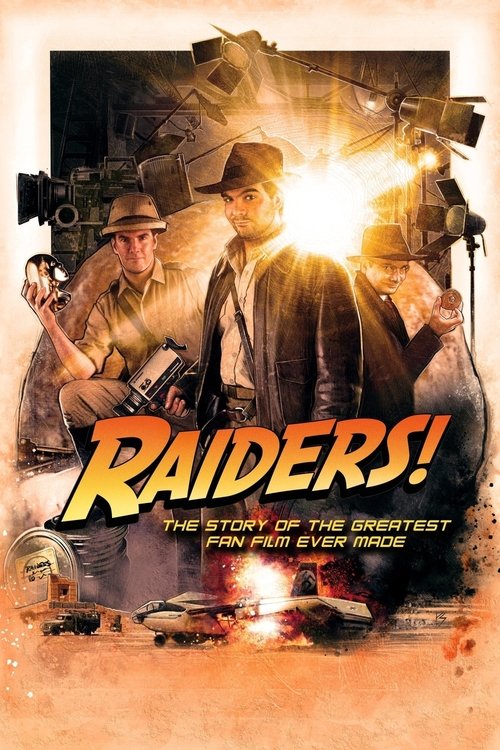
In 1982, three 11 year-olds in Mississippi set out to remake their favorite film: Raiders of the Lost Ark. It took seven turbulent years that tested the limits of their friendship and nearly burned down their mother's house. By the end, they had completed every scene except one... the explosive airplane scene. 30 years later, they attempt to finally realize their childhood dream by building a replica of the 75 foot "Flying Wing" plane from Raiders in a mud pit in the backwoods of Mississippi... and then blow it up! This is the story behind the making of what is known as "the greatest fan film ever made."
Raiders!: The Story of the Greatest Fan Film Ever Made

Une longue dérive dans Los Angeles vue à travers le cinéma de fiction hollywoodien.
Los Angeles Plays Itself
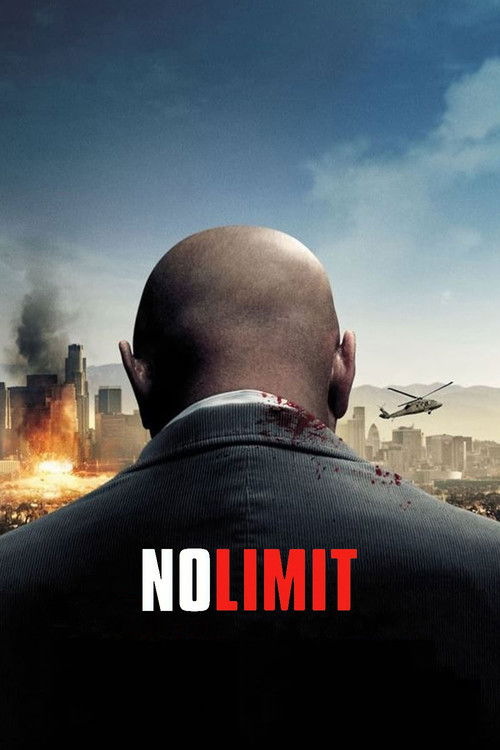
Younger, un psychopathe, menace les États-Unis en déclarant avoir dissimulé trois bombes nucléaires dans trois villes américaines. Capturé par les autorités, il est interrogé par l'agent du FBI, Helen Brody, qui désespère de le faire parler. Jusqu'à l'arrivée de H, un agent du gouvernement, bien décidé à tout mettre en œuvre pour faire craquer le suspect et découvrir où sont cachées les bombes…