
Synopsis
You might also like
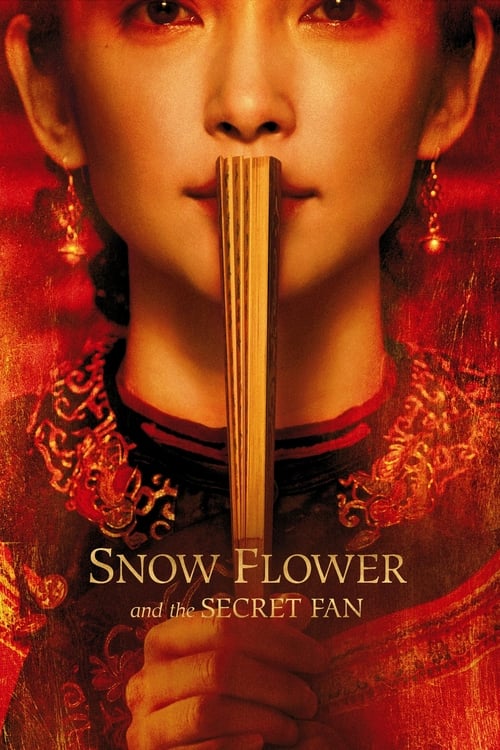
A story set in 19th century China and centered on the lifelong friendship between two girls who develop their own secret code as a way to contend with the rigid cultural norms imposed on women.
Snow Flower and the Secret Fan
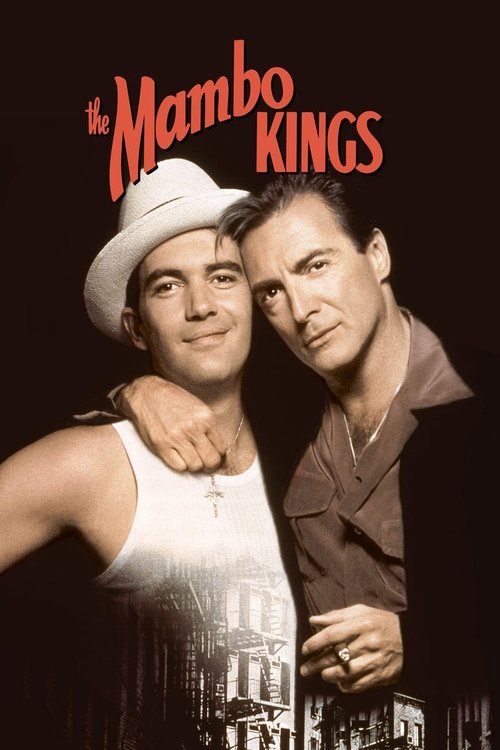
The Mambo Kings tells the story of César and Nestor Castillo, brothers and aspiring musicians who flee from Cuba to America in search of the American Dream.
The Mambo Kings
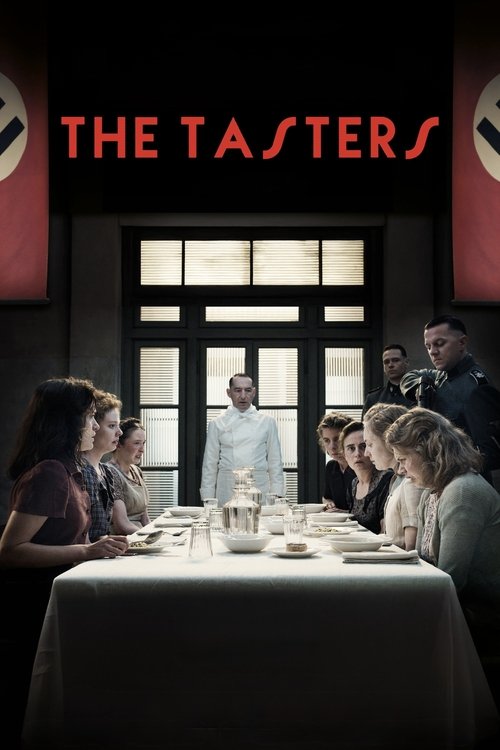
In autumn 1943, in Gross-Partsch, 26-year-old Rosa, who had come from Berlin to stay with the parents of her husband Gregor, who was fighting on the Russian front, was taken by the SS to a mysterious place. Forced to taste a dish, she joins the group of tasters responsible for checking that the food destined for Hitler is not poisoned.
The Tasters
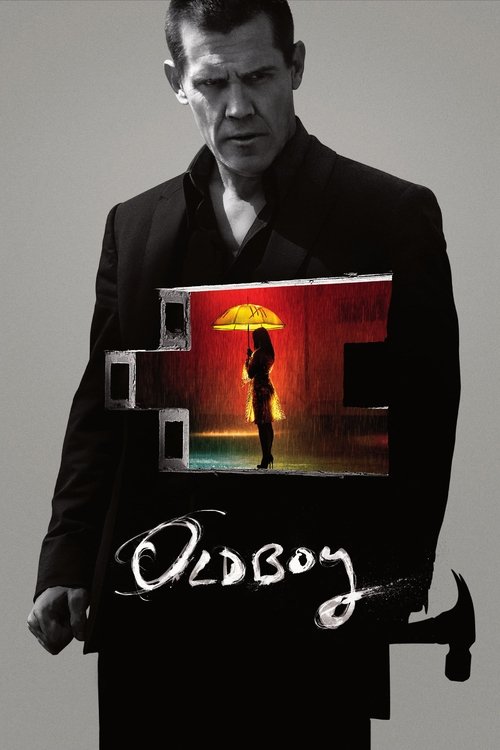
A man has only three and a half days and limited resources to discover why he was imprisoned in a nondescript room for 20 years without any explanation.
Oldboy
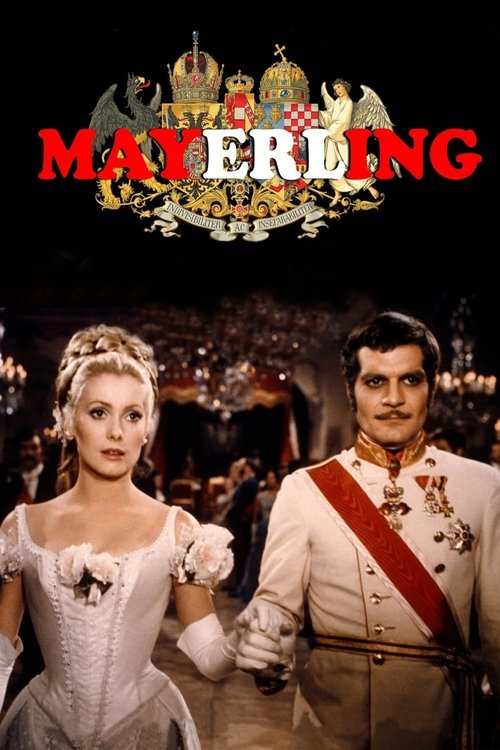
Crown Prince Rudolf of Austria clashes with his father, Emperor Franz Joseph I of Austria, over implementing progressive policies for their country. Rudolf soon feels he is a man born at the wrong time in a country that doesn't realize the need for social reform. The Prince of Wales, later to become Britain's King Edward VII, provides comic relief. Rudolf finds refuge from a loveless marriage with Princess Stéphanie by taking a mistress, Baroness Maria Vetsera. Their untimely demise at Mayerling, the imperial family's hunting lodge, is cloaked in mystery.
Mayerling

A car accident and shifting affections test the bond between a married couple.
Not Easily Broken
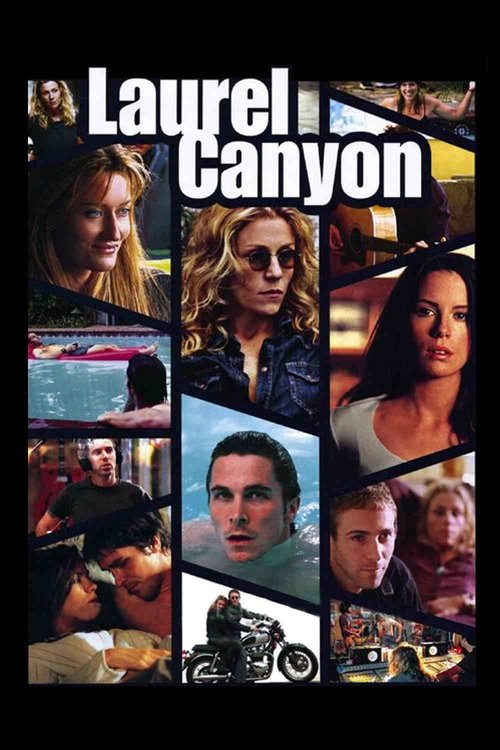
When an uptight young man and his fiancée move into his libertine mother's house, the resulting clash of life attitudes shakes everyone up.
Laurel Canyon
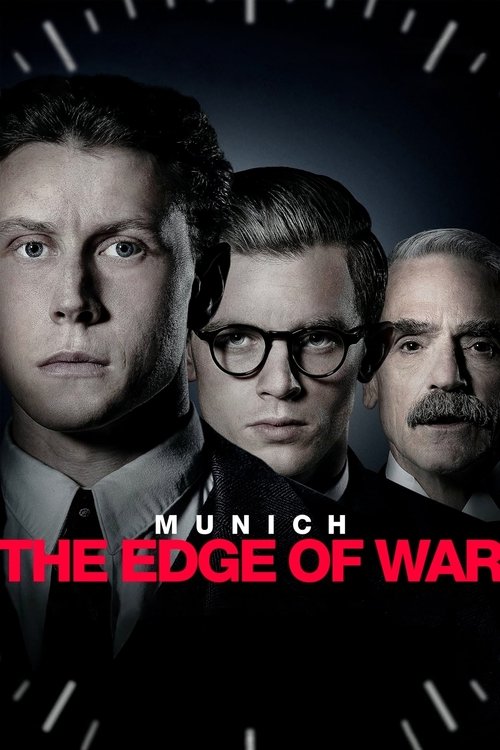
At the tense 1938 Munich Conference, former friends who now work for opposing governments become reluctant spies racing to expose a Nazi secret.
Munich - The Edge of War
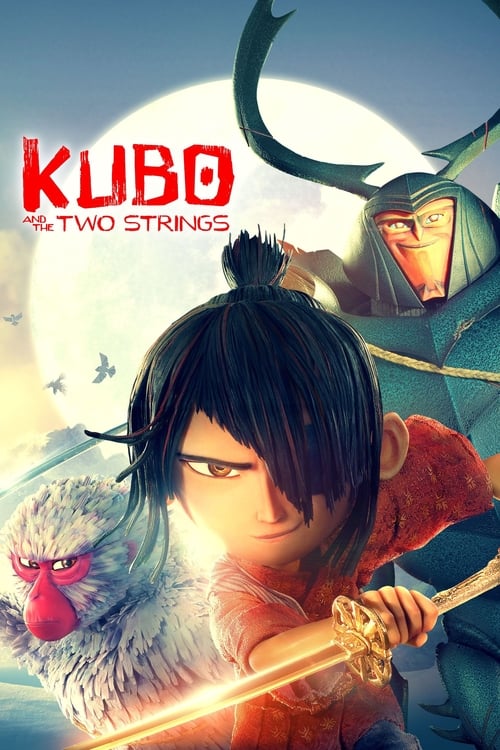
Kubo mesmerizes the people in his village with his magical gift for spinning wild tales with origami. When he accidentally summons an evil spirit seeking vengeance, Kubo is forced to go on a quest to solve the mystery of his fallen samurai father and his mystical weaponry, as well as discover his own magical powers.
Kubo and the Two Strings
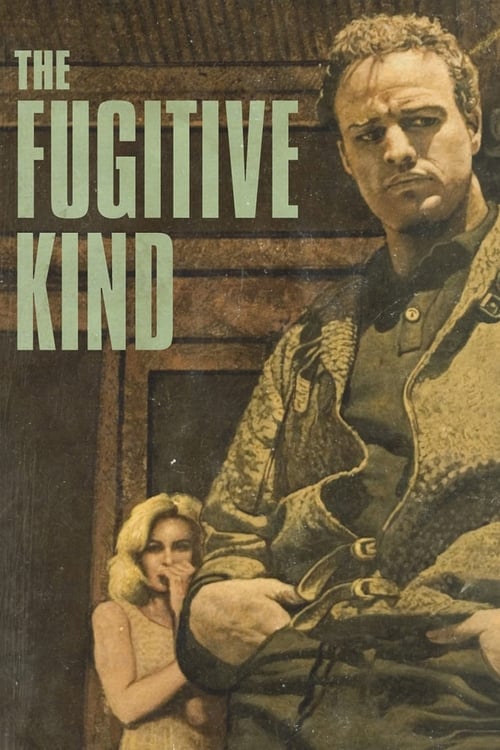
Val Xavier, a drifter of obscure origins, arrives at a small town and gets a job in a store run by Lady Torrence. Her husband, Jabe M. Torrance, is dying of cancer. Val is pursued by Carol Cutere, the enigmatic local tramp-of-good-family.
The Fugitive Kind

A photographer takes up newsreel shooting to impress a secretary.
The Cameraman
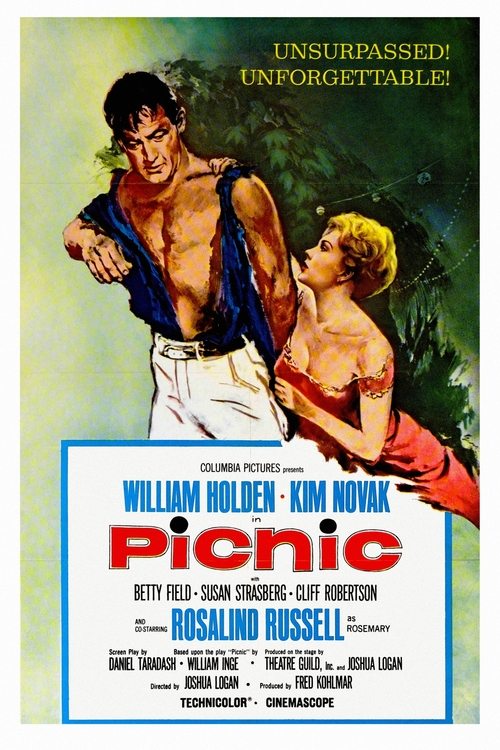
Labor Day in a small Kansas farm town. Hal, a burly and resolute drifter, jumps off a dusty freight train car with the purpose of visiting Alan, a former college classmate and son of the richest man in town.
Picnic

Based on Victor Hugo's famed novel, the story of Quasimodo, the deformed bell ringer of Notre Dame, and his unrequited love for the gypsy girl, Esmeralda.
The Hunchback

In the years before World War II, a penniless Japanese child is torn from her family to work as a maid in a geisha house.
Memoirs of a Geisha

Nagito has a fetish for calligraphy on the human body and meets her ideal soulmate Jerome, an English translator sent to Japan. However, once Nagiko's father's gay publisher rejoins the scene, the story is overtaken by treachery and bloodlust.
The Pillow Book
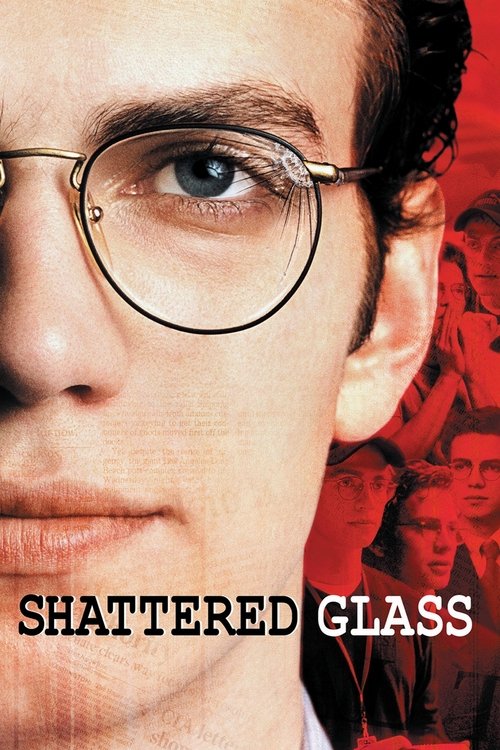
Stephen Glass is a staff writer for the respected current events and policy magazine The New Republic and a freelance feature writer for publications such as Rolling Stone, Harper's and George. By the mid-90s, Glass' articles had turned him into one of the most sought-after young journalists in Washington, but a bizarre chain of events - chronicled in Buzz Bissinger's September 1998 Vanity Fair article - suddenly stopped his career in its tracks.
Shattered Glass

A white dropout struggles to become a cartoonist and filmmaker, drawing inspiration from the harsh, gritty world around him. Still sharing his rundown apartment with his middle-aged parents, an oafish slob of an Italian father and a ditzy nutcase of a Jewish mother, he's ridiculed and looked down upon by his friends, hypocrites who run with violent gangs and the Italian Mafia, and a shallow Black girl who makes her living downtown with the pimps and pushers. The cartoonist gets a chance to pitch a film idea to a movie mogul, but the story proves too outrageous: a far-future Earth, depleted by war and pollution, where a mutant antihero challenges and kills God.
Heavy Traffic

A compilation of over 30 years of private home movie footage shot by Lithuanian-American avant-garde director Jonas Mekas, assembled by Mekas "purely by chance", without concern for chronological order.
As I Was Moving Ahead, Occasionally I Saw Brief Glimpses of Beauty

Matt Ryder is convinced to drive his estranged and dying father Benjamin Ryder cross country to deliver four old rolls of Kodachrome film to the last lab in the world that can develop them before it shuts down for good. Along with Ben's nurse Zooey, the three navigate a world changing from analogue to digital while trying to put the past behind them.
Kodachrome

Two young lovers, Claudio and Hero, are to be married imminently but the devious scheming of a resentful Prince looks set to thwart the nuptials. Meanwhile, marriage seems inconceivable for reluctant lovers Beatrice and Benedick whose endless witty sparring threatens to keep them apart forever. Directed by Josie Rourke, Artistic Director of the Donmar Warehouse, Much Ado About Nothing is one of Shakespeare’s great plays and reminds us all of the failings and triumphs of the human condition in our never ending search for perfect love.