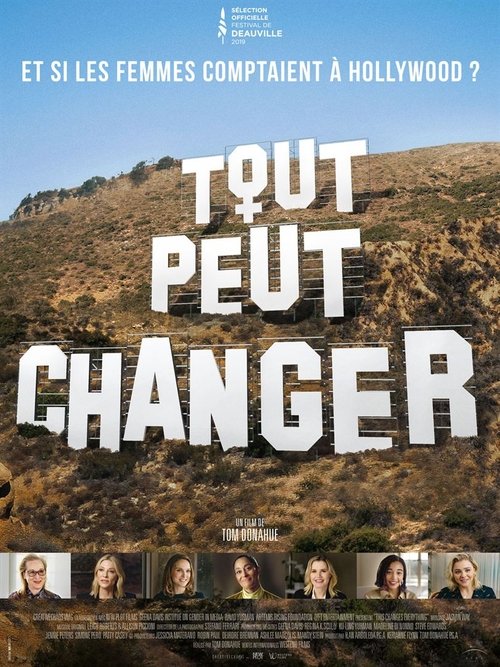
Tout peut changer est un documentaire qui révèle ce qui se cache derrière l'une des aberrations de l'industrie du cinéma américain : la sous-représentation des femmes à Hollywood. Le réalisateur Tom Donahue met en avant des décennies de discrimination à l'égard des femmes derrière et devant la caméra, grâce notamment à une méthode inédite d’étude des données chiffrées, avec, à l’appui, des centaines de témoignages accablants. Plus important encore, le film cherche et propose des solutions qui vont au-delà de l'industrie du cinéma et bien au-delà des frontières américaines, à travers les témoignages de nombreuses voix d'Hollywood, dont Meryl Streep, Cate Blanchett, Natalie Portman, Reese Witherspoon, Sandra Oh, Jessica Chastain, Chloë Grace Moretz, Shonda Rhimes, ou encore, Geena Davis, également productrice exécutive du film ; pour mettre en exergue ce qui peut et doit changer.
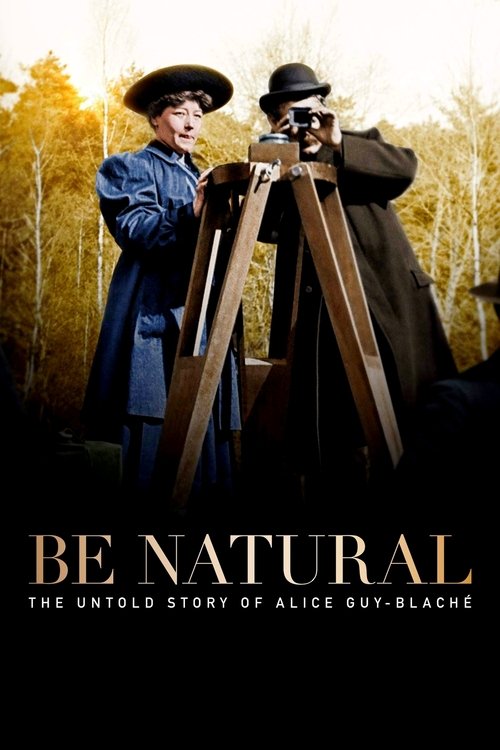
Première femme réalisatrice, productrice et directrice de studio de l’histoire du cinéma, Alice Guy est le sujet d’un documentaire mené tambour battant telle une enquête visant à faire (re)connaître la cinéaste et son œuvre de par le monde.
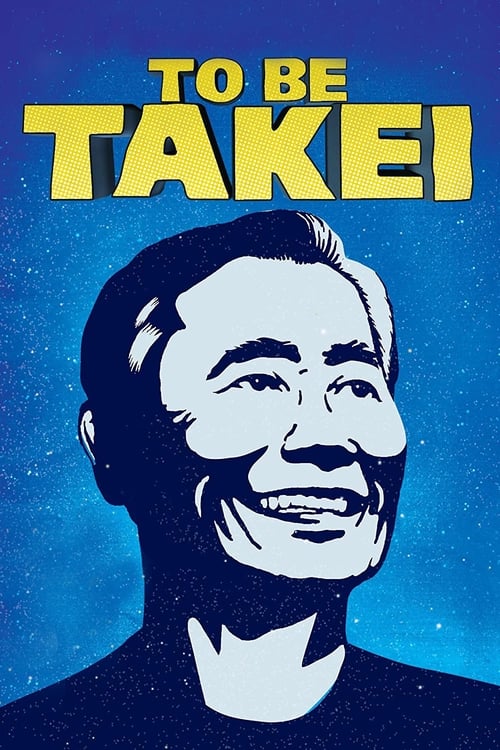
Over seven decades, actor and activist George Takei journeyed from a World War II internment camp to the helm of the Starship Enterprise, and then to the daily news feeds of five million Facebook fans. Join George and his husband, Brad, on a wacky and profound trek for life, liberty, and love.

En 1974, le réalisateur franco-chilien Alejandro Jodorowsky se lance dans le projet chimérique d'adapter au grand écran le roman influent de Frank Herbert, « Dune » (1969). Après avoir investi deux ans et des millions de dollars, ce projet gigantesque se solde par un échec ; mais les artistes réunis par Jodorowsky pour le mener à bien continuent à travailler ensemble et finissent par jeter les bases du cinéma de science-fiction moderne.
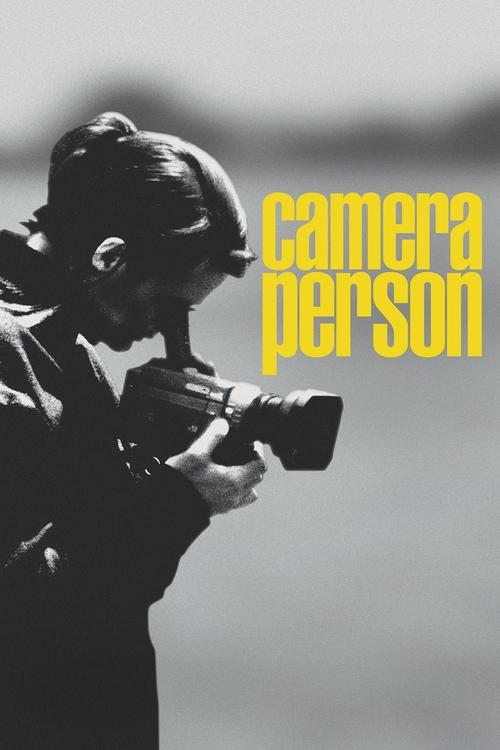
Kirsten Johnson, directrice de la photo depuis plus de 25 ans (ayant travaillé sur des documentaires tel que Citizenfour, La Guerre Invisible, The Oath et de nombreux autres), partage avec nous un journal composé de rushes de ses nombreux tournages, pour tenter de comprendre ce que signifie le fait de voir le monde à travers un objectif..
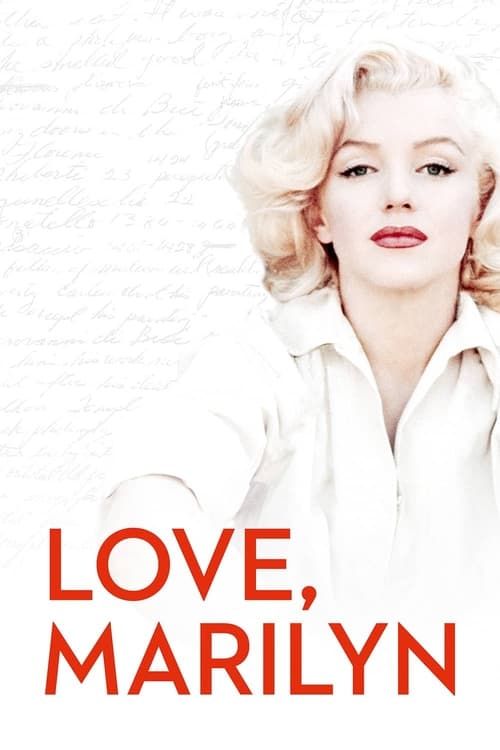
A travers des textes intimes écrits par Marilyn Monroe, retrouvés près de cinquante ans après sa mort, retour sur la vie de l'actrice américaine. La comédienne a écrit de nombreux carnets dans lesquels elle se livrait réellement. Ces notes permettent de la découvrir sous une autre facette, loin des lumières de Hollywood et de l'image de femme plantureuse et souriante. De nombreux acteurs témoignent de l'impact de la carrière de Marilyn Monroe sur leur métier et dans leurs vies, à l'instar de Glenn Close, Uma Thurman, Elizabeth Banks, Marisa Tomei, Evan Rachel Wood, Viola Davies, Paul Giamatti ou encore Adrien Brody...
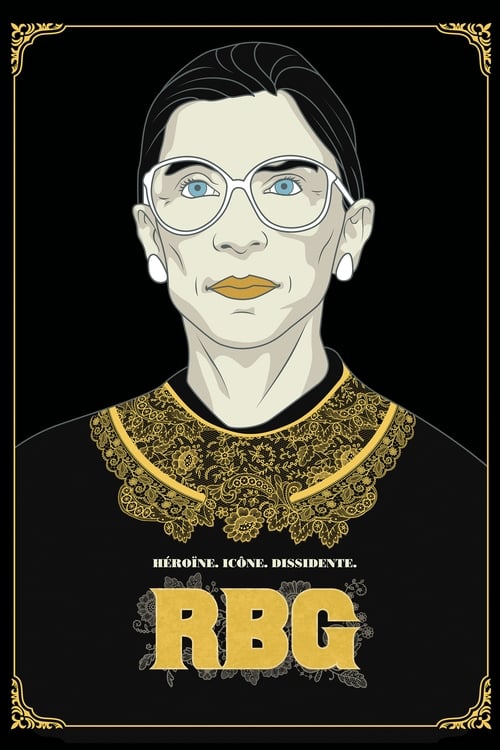
À 85 ans, Ruth Bader Ginsburg est devenue une icône de la pop culture. Juge à la Cour Suprême des Etats-Unis, elle a construit un incroyable héritage juridique. Guerrière, elle s'est battue pour l'égalité hommes/femmes, et toutes formes de discrimination. Son aura transgénérationnelle dépasse tous les clivages, elle est aujourd'hui l'une des femmes les plus influentes au monde et le dernier rempart anti-Trump. Betsy West et Julie Cohen nous font découvrir la fascinante vie de celle que l'on nomme désormais "Notorious RBG".
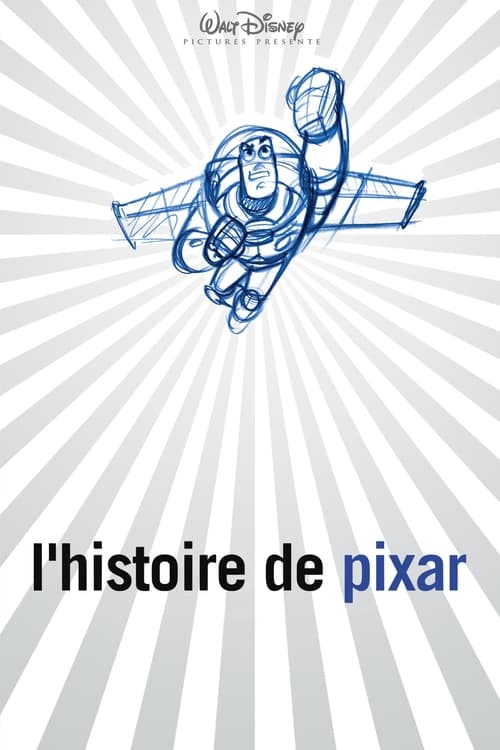
« L'Histoire de Pixar » emmène le public dans les coulisses d'une entreprise révolutionnaire, qui a lancé la nouvelle génération d'animation et changé à jamais le visage du cinéma. Leslie Iwerks, la cinéaste nominée aux oscars (court-métrage documentaire), raconte l'histoire captivante du démarrage de Bay Area qui a révolutionné Hollywood, avec des séquences inédites prises dans la collection de Pixar, des animations historiques tirées des archives et des récits de première main des animateurs, des directeurs de studio, des réalisateurs, des producteurs et des « voice performers ». Au milieu des années 80, un trio d'innovateurs inspirés et stimulants ont associé leurs dons dans les arts, les sciences et les affaires pour lancer une nouvelle manière de produire des dessins animés en 3D. Ed Catmull, John Lasseter et Steve Jobs ont surmonté des années de lutte créative et de pertes financières pour lancer une industrie d'animation totalement nouvelle.
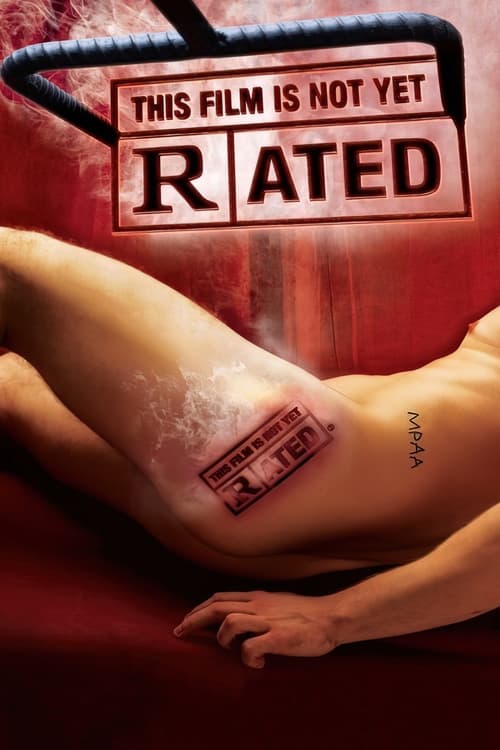
Le documentaire provocateur de Kirby Dick enquête sur le processus secret et incohérent par lequel la Motion Picture Association of America évalue les films, révélant les efforts sournois de l'organisation pour contrôler la culture. Dick se demande si certains studios bénéficient d'un traitement préférentiel et expose les divergences dans la façon dont la MPAA considère le sexe et la violence.

Ce documentaire montre l'évolution des "Sociétés Anonymes" (appelées Corporations en anglais) aux USA, reprenant leur histoire depuis leur apparition avec la Révolution industrielle, où elles étaient conçues pour répondre au bien public mais furent détournées de cet objectif par la recherche du profit.
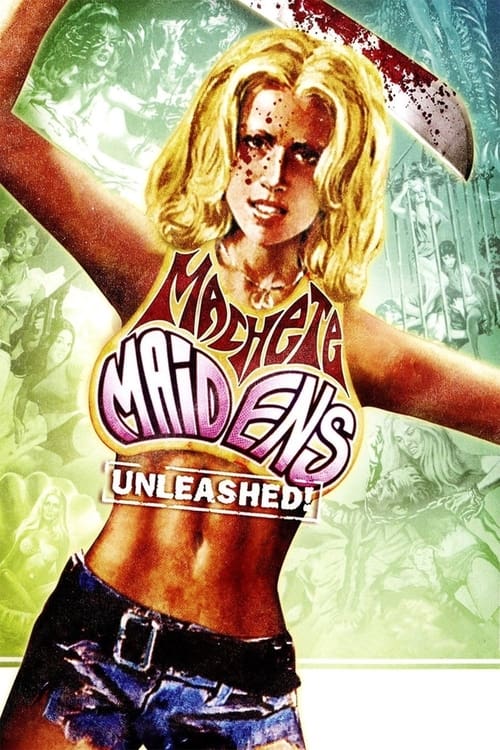
Des femmes plantureuses, des monstres mutants et des agents secrets nains… On trouvait tout cela dans les films de genre philippins des années 70 et 80. Envahissant les drive-ins du monde entier, les Philippines sont devenues un eldorado pour les réalisateurs de films dits « d'exploitation », alliant une main d'œuvre bon marché, un cadre exotique et une règlementation inexistante en matière de santé et de sécurité. Ce documentaire retrace l'histoire d'un genre sans scrupules, sans scénarios, sans frontières et - plus souvent que jamais - sans vêtements…
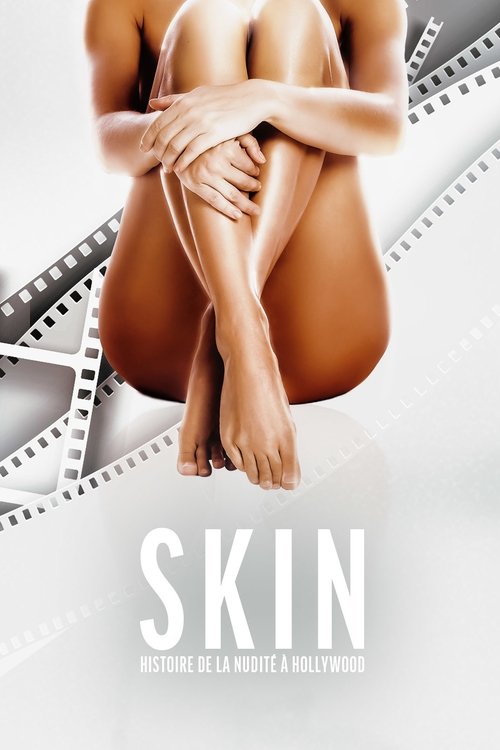
Le documentaire retrace l'histoire de la représentation de la nudité au cinéma, depuis les débuts des films muets jusqu'à nos jours. Par ce prisme, le réalisateur examine les changements de moralité qui ont conduit à l'utilisation de la nudité au cinéma tout en mettant l'accent sur les changements politiques, sociologiques et artistiques au cours du dernier siècle. Ce reportage étudie également l'inégalité des sexes dans la présentation d'images nues dans les films et montre la révolution qui a mené à l'égalité des sexes dans les longs métrages actuels.
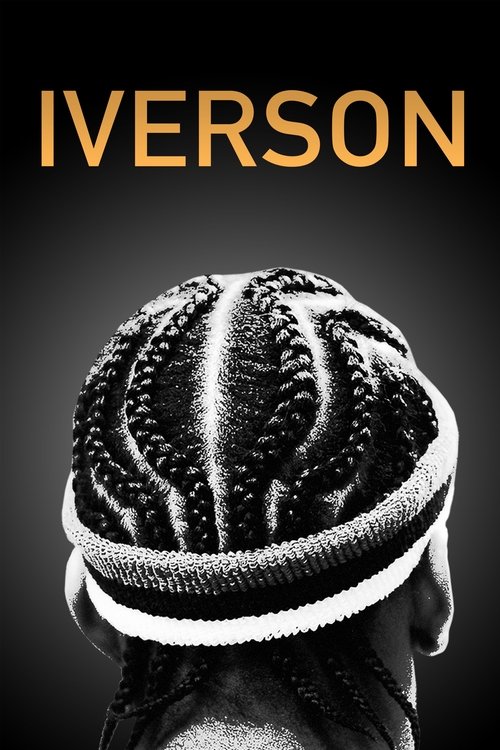
Iverson is the ultimate legacy of NBA legend Allen Iverson, who rose from a childhood of crushing poverty in Hampton, Virginia, to become an 11-time NBA All-Star and universally recognized icon of his sport. Off the court, his audacious rejection of conservative NBA convention and unapologetic embrace of hip hop culture sent shockwaves throughout the league and influenced an entire generation. Told largely in Iverson's own words, the film charts the career highs and lows of one of the most distinctive and accomplished figures the sport of basketball has ever seen.
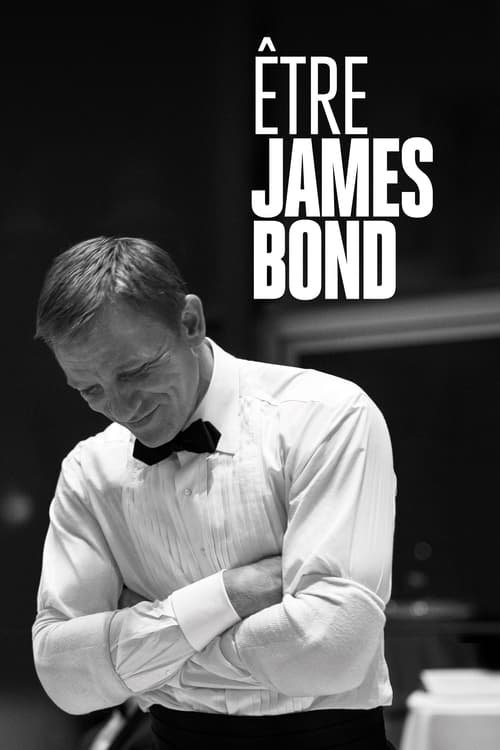
Daniel Craig revient franchement sur ses 15 ans d'aventure en tant que James Bond. Y compris des images d'archives inédites de Casino Royale au 25e film à venir No Time To Die, Craig partage ses souvenirs personnels lors d'une conversation avec les producteurs de 007, Michael G Wilson et Barbara Broccoli.
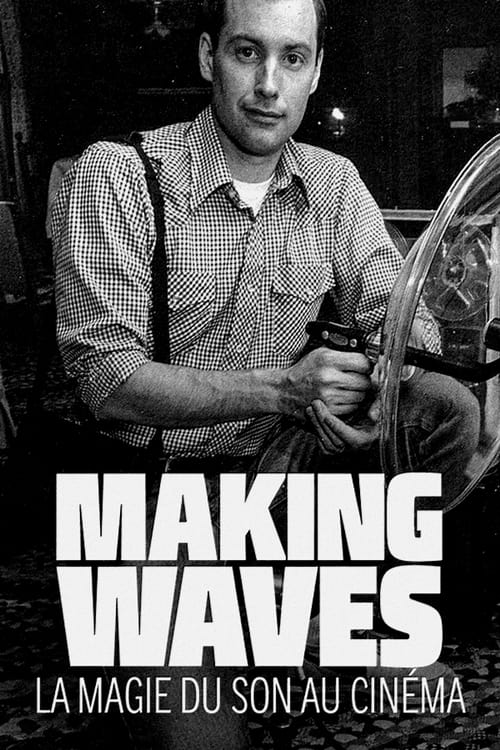
L'histoire du son au cinéma, racontée par des concepteurs sonores légendaires et des cinéastes visionnaires.
Filmmaker Lawrence Shapiro discusses voice-over acting with the talented people behind the characters.

An atmospheric essay, which is an alternative version of Count Dracula, a film directed by Jess Franco in 1970; a ghostly narration between fiction and reality.
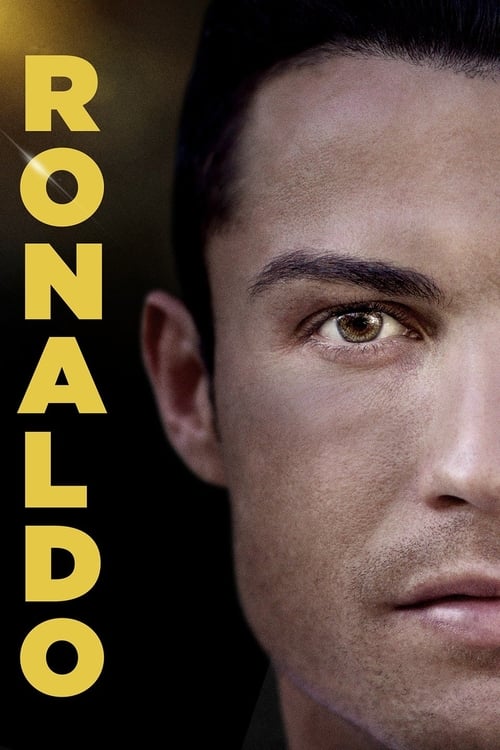
Tourné sur 14 mois avec un accès sans précédent dans le cercle proche de l'homme et le sport. C'est un film sur l'une des figures les plus célèbres de l'histoire du football. Pour la première fois, dans l'intimité du joueur: père, famille, homme et ami dans ce documentaire fascinant. Grâce à des conversations en profondeur, des images de football et des images d'archives inédites, le film donne un aperçu étonnant dans ce sport et la vie personnelle du triple Ballon d'Or Cristiano Ronaldo à l'apogée de sa carrière.
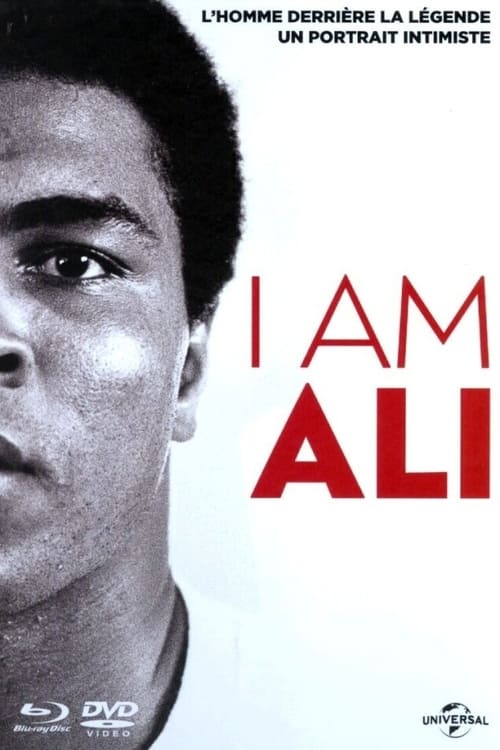
Un documentaire unique sur Mohamed Ali, l'homme à travers sa légende. Des témoignages exceptionnels de sa famille et ses amis, ainsi que des légendes de la boxe tels que Mike Tyson, George Foreman et Gene Kilroy.
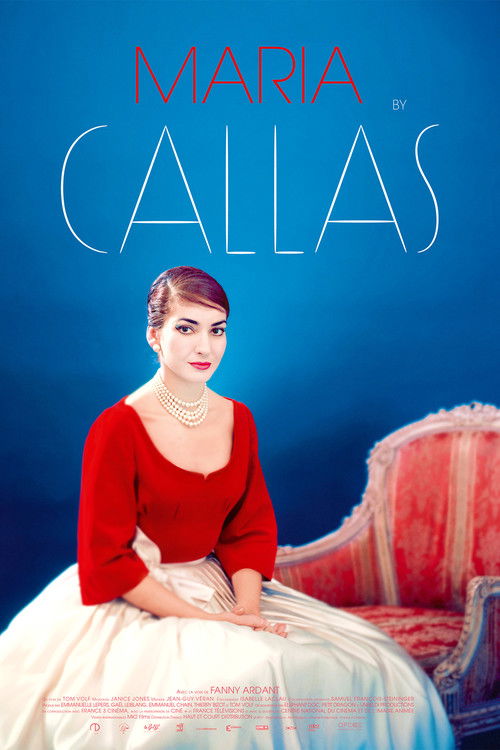
Le film est entièrement constitué d'archives personnelles et dévoile des images inédites, photographies, films Super 8, enregistrements privés de ses concerts, lettres et interviews dans les coulisses de ses performances.
Connectez-vous pour donner votre avis
Partagez votre opinion avec la communauté.
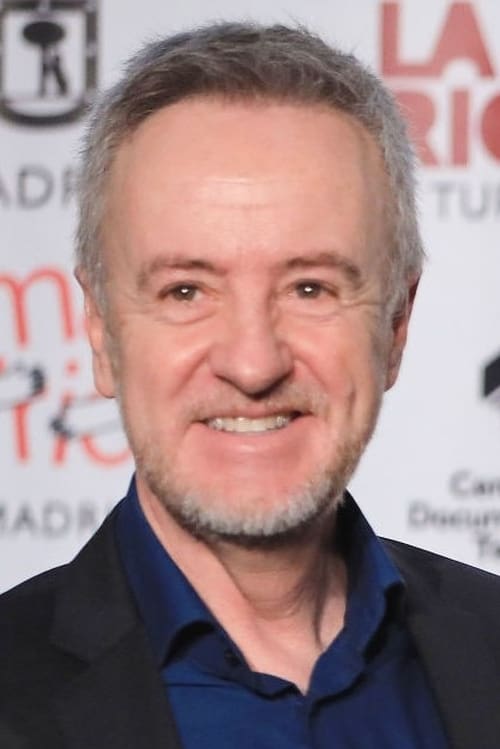
Carlos Hipólito
Self - Narrator (voice)
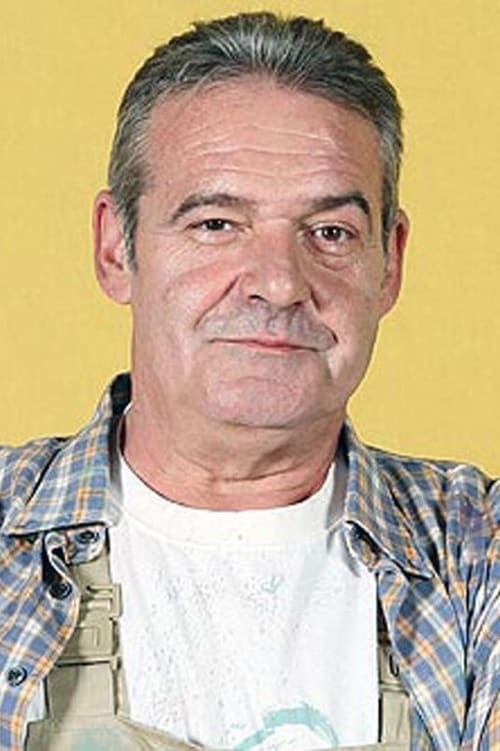
Ángel de Andrés López
(archive footage)
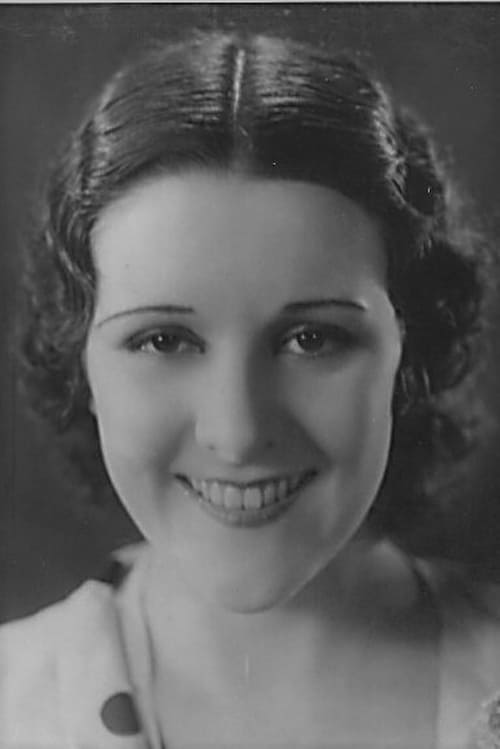
Imperio Argentina
(archive footage)

Aurora Bautista
(archive footage)
David Carpenter
(archive footage)
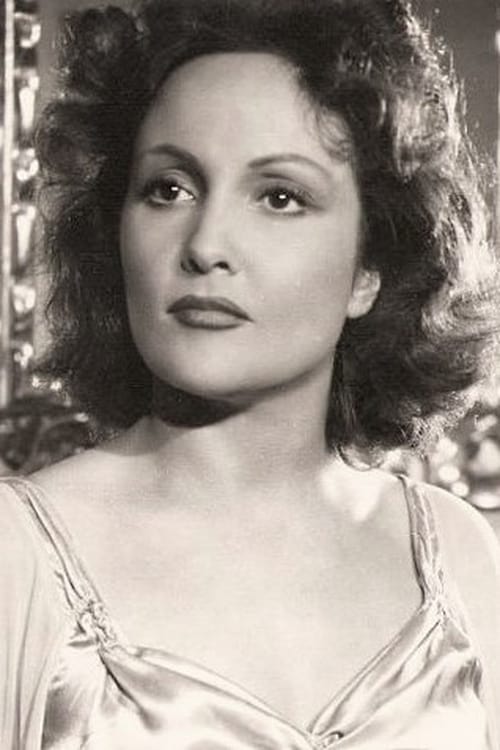
Antoñita Colomé
(archive footage)
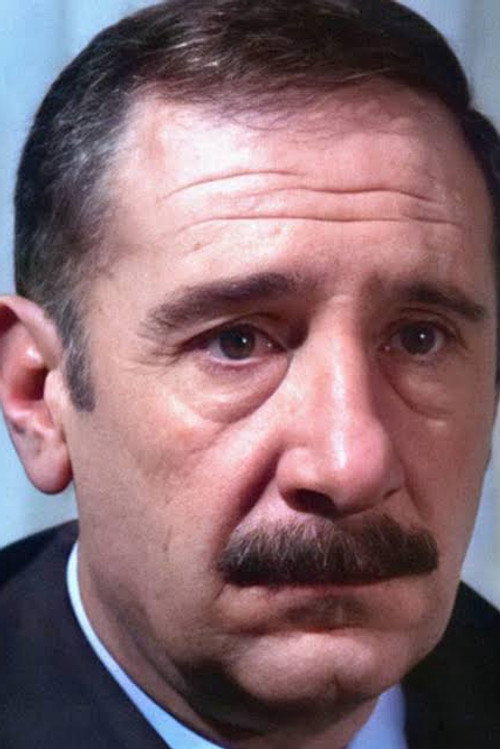
Alfredo Landa
(archive footage)

Ágata Lys
(archive footage)
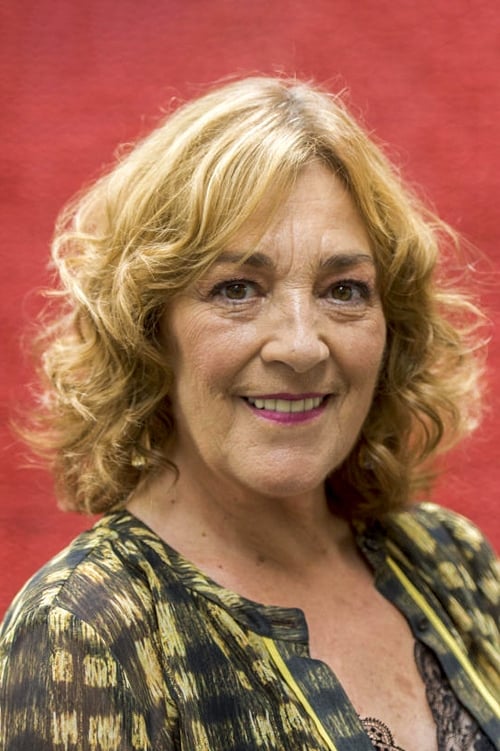
Carmen Maura
(archive footage)

Sara Montiel
(archive footage)

Nadiuska
(archive footage)

Bárbara Rey
(archive footage)