
You might also like
7.2
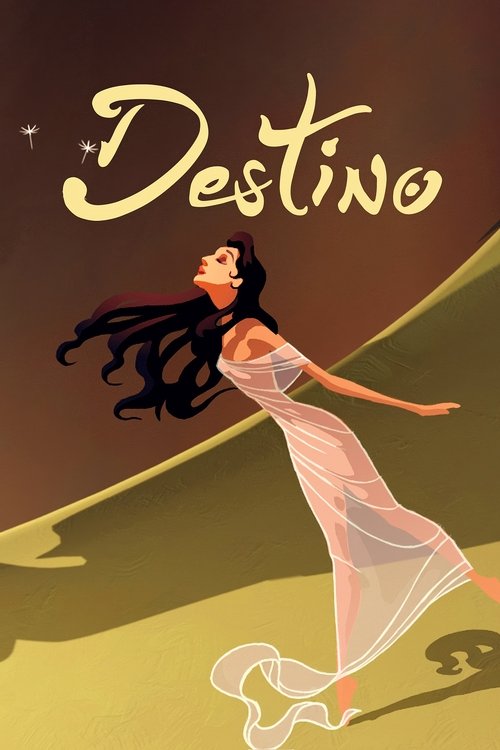
Short film to a song of love lost and rediscovered, a woman sees and undergoes surreal transformations. Her lover's face melts off, she dons a dress from the shadow of a bell and becomes a dandelion, ants crawl out of a hand and become Frenchmen riding bicycles. Not to mention the turtles with faces on their backs that collide to form a ballerina, or the bizarre baseball game.
Destino
2003
7.7
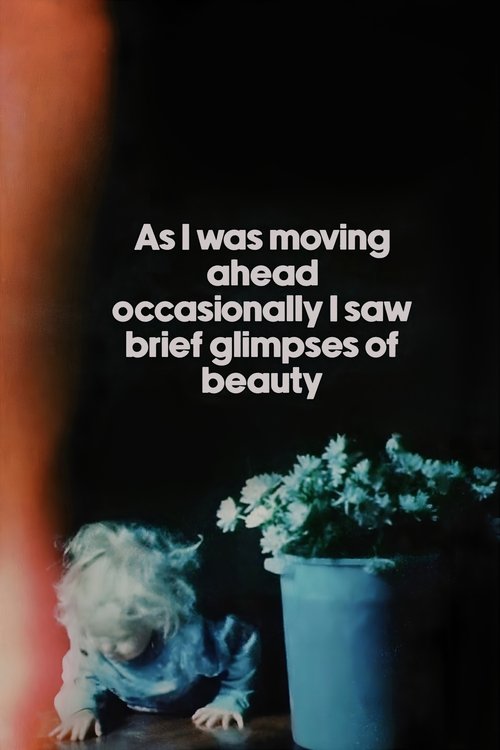
A compilation of over 30 years of private home movie footage shot by Lithuanian-American avant-garde director Jonas Mekas, assembled by Mekas "purely by chance", without concern for chronological order.
As I Was Moving Ahead, Occasionally I Saw Brief Glimpses of Beauty
2000
7.8
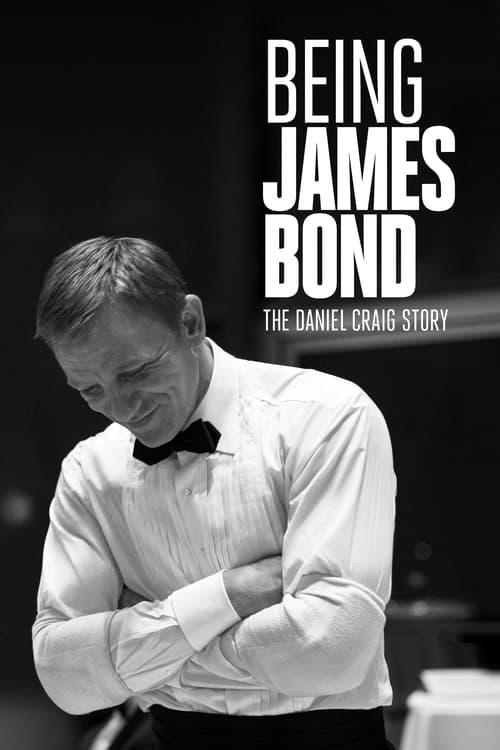
Daniel Craig candidly reflects on his 15 year adventure as James Bond. Including never-before-seen archival footage from Casino Royale to the upcoming 25th film No Time To Die, Craig shares his personal memories in conversation with 007 producers, Michael G Wilson and Barbara Broccoli.
Being James Bond
2021

6.4
The earliest surviving motion-picture film, and believed to be one of the very first moving images ever created, was shot by Louis Aimé Augustin Le Prince using the LPCCP Type-1 MkII single-lens camera. It was taken on paper-based photographic film in the garden of Oakwood Grange, the Whitley family house in Roundhay, Leeds, West Riding of Yorkshire (UK), on 14 October 1888. The film shows Adolphe Le Prince (Le Prince’s son), Mrs. Sarah Whitley (Le Prince’s mother-in-law), Joseph Whitley, and Miss Harriet Hartley walking around in circles, laughing to themselves, and staying within the area framed by the camera. Roundhay Garden Scene is often associated with a recording speed of around 12 frames per second and runs for about 2 to 3 seconds.
Roundhay Garden Scene
1888
7.1
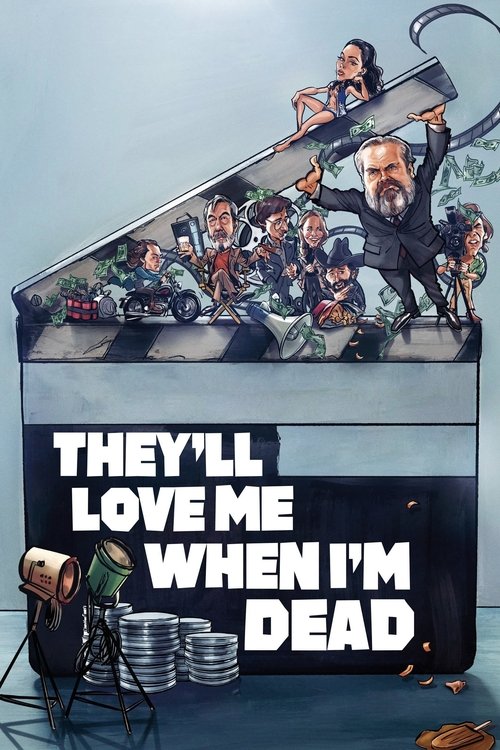
As his life comes to its end, famous Hollywood director Orson Welles puts it all on the line at the chance for renewed success with the film The Other Side of the Wind.
They'll Love Me When I'm Dead
2018
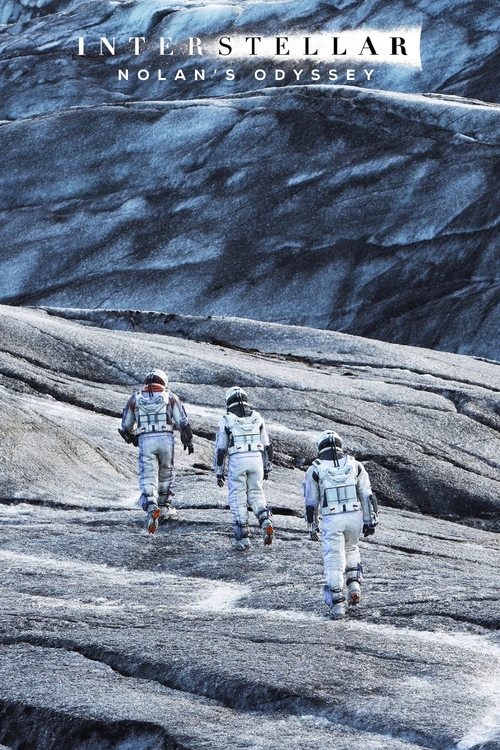
7.8
A look behind the lens of Christopher Nolan's space epic.
Interstellar: Nolan's Odyssey
2014
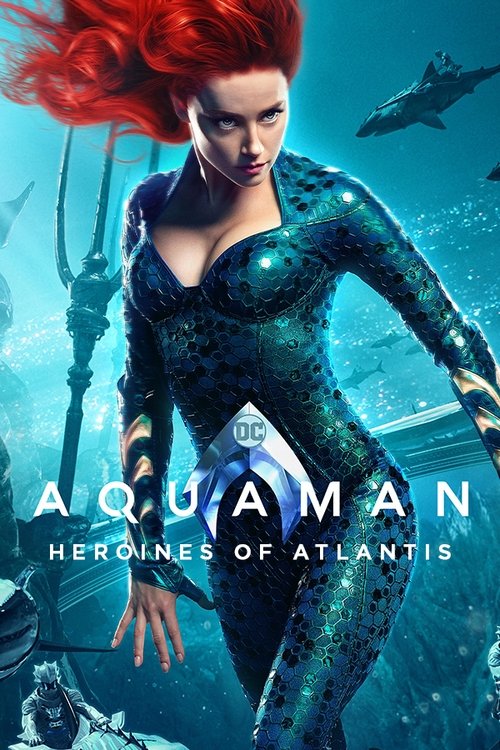
6.2
Amber Heard and Nicole Kidman discuss their characters Mera and Atlanna.
Aquaman: Heroines of Atlantis
2019
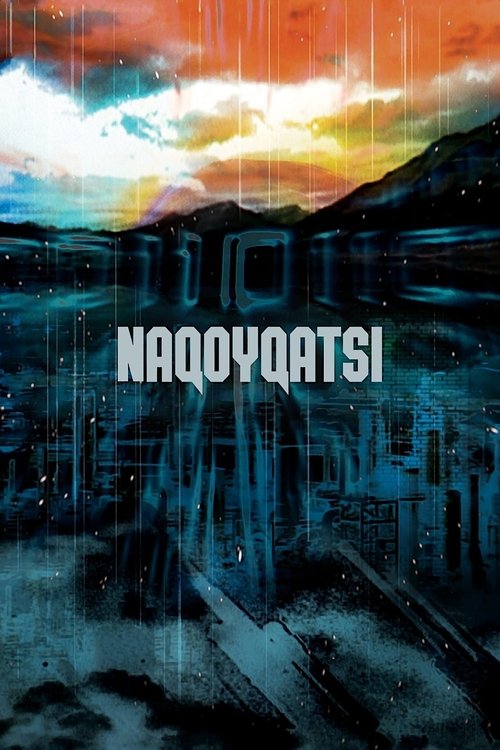
6.1
A visual montage portrait of our contemporary world dominated by globalized technology and violence.
Naqoyqatsi
2002
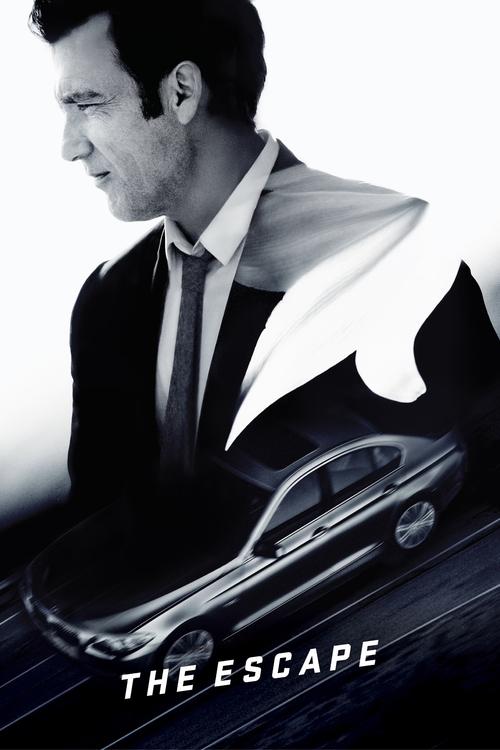
6.4
After the controversial disappearance of their Chief Medical Officer, a shadowy bio genetics company is under siege by the FBI for secretly cloning humans. Amidst the chaos, Molgen’s head mercenary Holt is sneaking out the last living clone, a young woman named Lily to a mysterious buyer. Holt has hired The Driver, accompanied by a heavily armed squadron of fellow Molgen mercenaries, to evade the authorities and deliver Lily and himself to the buyer. The journey takes an unexpected turn and Holt is forced to take matters into his own hands, as the driver once again demonstrates his mettle and extraordinary driving skills.
The Escape
2016
6.8
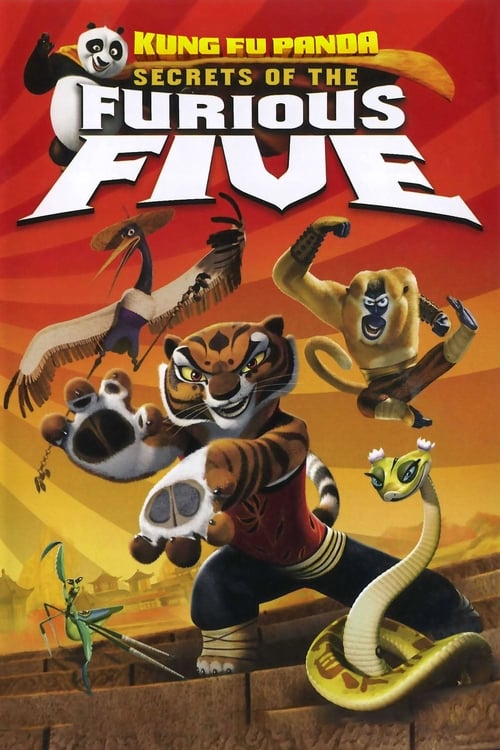
Ordered to teach a martial arts class of rambunctious bunny kittens, Po tells stories of each of the Furious Five's pasts.
Kung Fu Panda: Secrets of the Furious Five
2008
6.9
The Driver is drafted by the UN to rescue a wounded war photographer named Harvey Jacobs from out of hostile territory. While they are leaving Jacobs tells the Driver about the horrors he saw as a photographer, but he regrets his inability to help war victims. Jacobs answers the driver curiosity about why he is a photographer by saying how his mother taught him to see. He gives the Driver the film needed for a New York Times story and also his dog tags to give to his mother. When they reach the border, they are confronted by a guard who begins to draw arms as Jacobs begins taking pictures, trying to get himself killed. The Driver drives through a hail of gunfire to the border, but finds Jacobs killed by a bullet through the seat. The Driver arrives in America to visit Jacobs' mother and share the news of him winning the Pulitzer prize and hand over the dog tags, only to discover that she is blind.
Powder Keg
2001
7.0
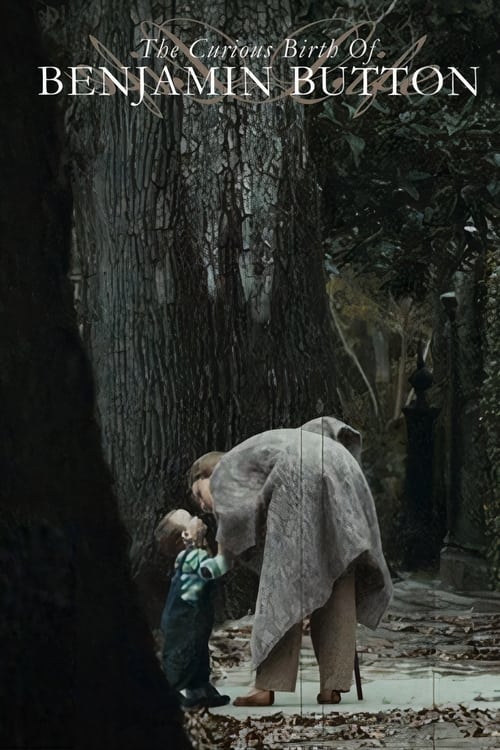
A documentary about the making of David Fincher's 2008 film THE CURIOUS CASE OF BENJAMIN BUTTON. Virtually every element in the evolution of the Fincher's film is documented here, from the project's attachment to numerous other directors during the 1990s, to its shoot in 2006 and 2007 in New Orleans, to its complex, CGI-intensive postproduction process.
The Curious Birth of Benjamin Button
2009
6.1
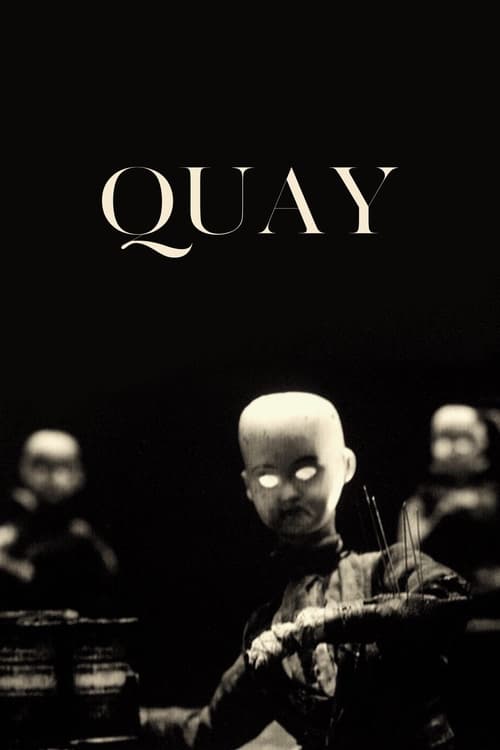
In 2015, Christopher Nolan curated a selection of short films by the surrealist animators the Quay Brothers to be distributed as a touring 35mm presentation. The three films—"In Absentia" (2000), "The Comb" (1991) and "Street of Crocodiles" (1986)—were accompanied by this brief portrait of the brothers at work in their London studio.
Quay
2015
7.5
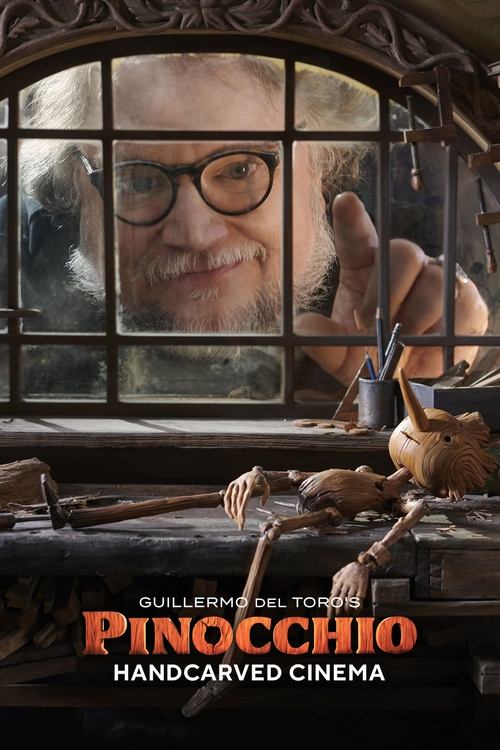
With mesmerizing footage and time lapses of animators at work, this behind-the-scenes special captures the artistry of a unique tale years in the making.
Guillermo del Toro's Pinocchio: Handcarved Cinema
2022
8.1
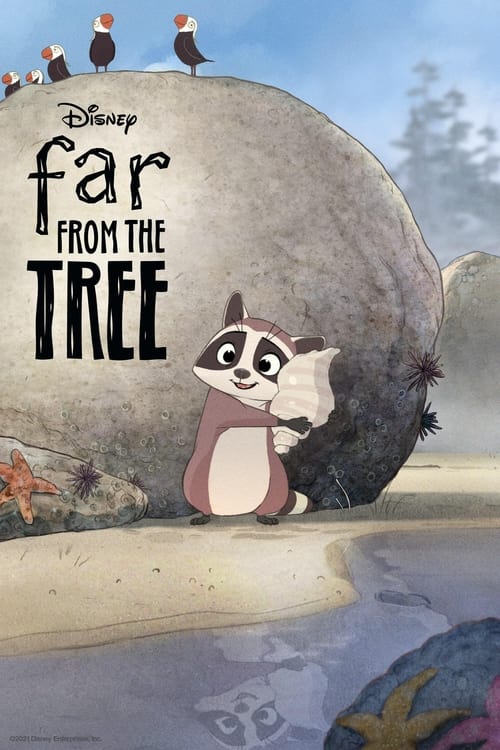
On an idyllic beach in the Pacific Northwest, curiosity gets the better of a young raccoon whose frustrated parent attempts to keep them both safe.
Far from the Tree
2021

6.5
In Lincoln City, 4% of people have extraordinary abilities. Most live below the poverty line, under the close surveillance of a heavily militarized police force. Taylor, a construction worker with powers, is forced to fight after committing a misdemeanor…
Code 8
2016
7.5
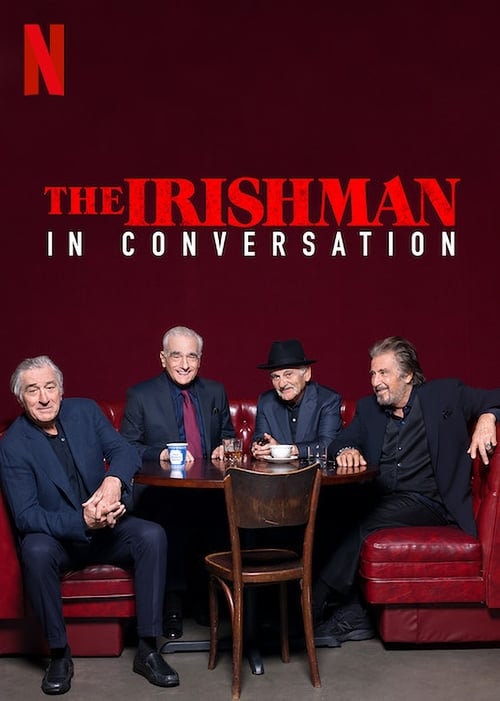
Martin Scorsese, Robert De Niro, Joe Pesci, and Al Pacino in conversation about The Irishman.
The Irishman: In Conversation
2019
6.8
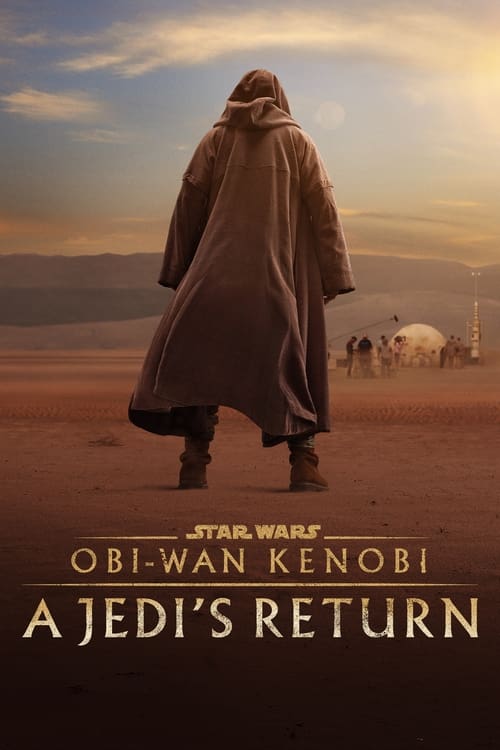
This special explores the return of Obi-Wan Kenobi and Anakin Skywalker to the screen, as well as Ewan McGregor and Hayden Christensen to their classic roles. Director Deborah Chow leads the cast and crew as they create new heroes and villains that live alongside new incarnations of beloved Star Wars characters, and an epic story that dramatically bridges the saga films.
Obi-Wan Kenobi: A Jedi's Return
2022
6.7
The remarkable story of The Weather Underground, radical activists of the 1970s, and of radical politics at its best and most disastrous.
The Weather Underground
2002
6.9
In Manhattan's Central Park, a film crew directed by William Greaves is shooting a screen test with various pairs of actors. It's a confrontation between a couple: he demands to know what's wrong, she challenges his sexual orientation. Cameras shoot the exchange, and another camera records Greaves and his crew. Sometimes we watch the crew discussing this scene, its language, and the process of making a movie. Is there such a thing as natural language? Are all things related to sex? The camera records distractions - a woman rides horseback past them; a garrulous homeless vet who sleeps in the park chats them up. What's the nature of making a movie?
Symbiopsychotaxiplasm: Take One
1968