Synopsis
You might also like
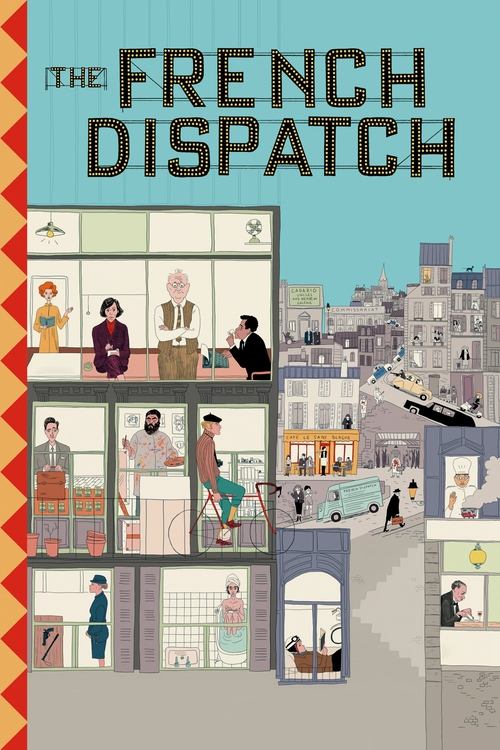
The staff of an American magazine based in France puts out its last issue, with stories featuring an artist sentenced to life imprisonment, student riots, and a kidnapping resolved by a chef.
The French Dispatch of the Liberty, Kansas Evening Sun
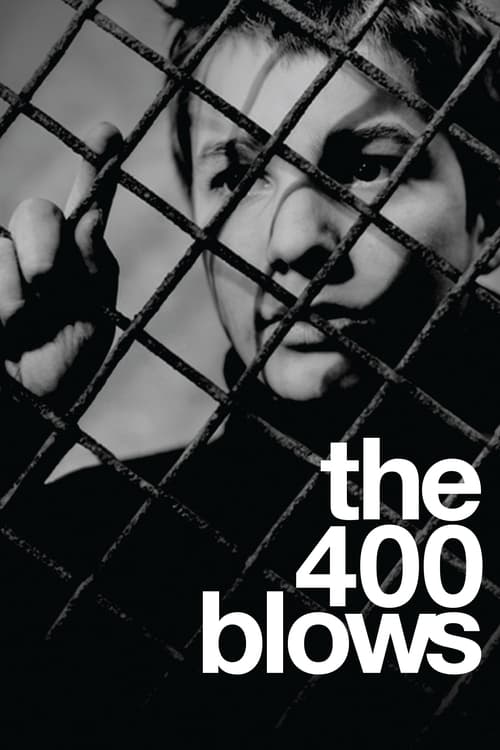
For young Parisian boy Antoine Doinel, life is one difficult situation after another. Surrounded by inconsiderate adults, including his neglectful parents, Antoine spends his days with his best friend, Rene, trying to plan for a better life. When one of their schemes goes awry, Antoine ends up in trouble with the law, leading to even more conflicts with unsympathetic authority figures.
The 400 Blows
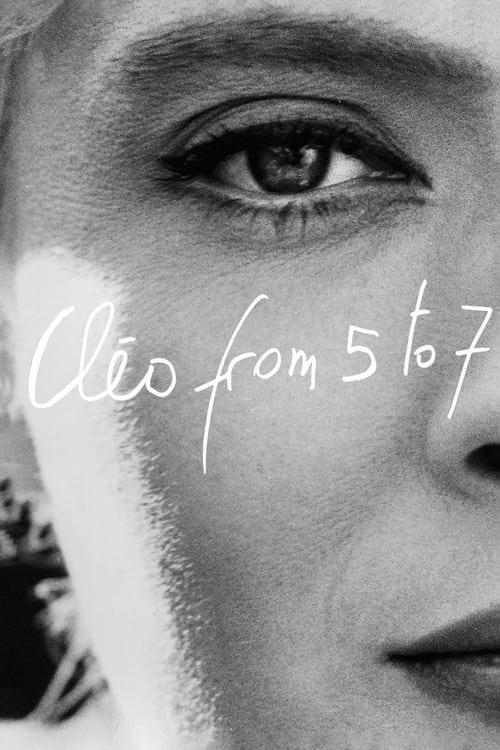
Agnès Varda eloquently captures Paris in the sixties with this real-time portrait of a singer set adrift in the city as she awaits test results of a biopsy. A chronicle of the minutes of one woman’s life, Cléo from 5 to 7 is a spirited mix of vivid vérité and melodrama, featuring a score by Michel Legrand and cameos by Jean-Luc Godard and Anna Karina.
Cléo from 5 to 7
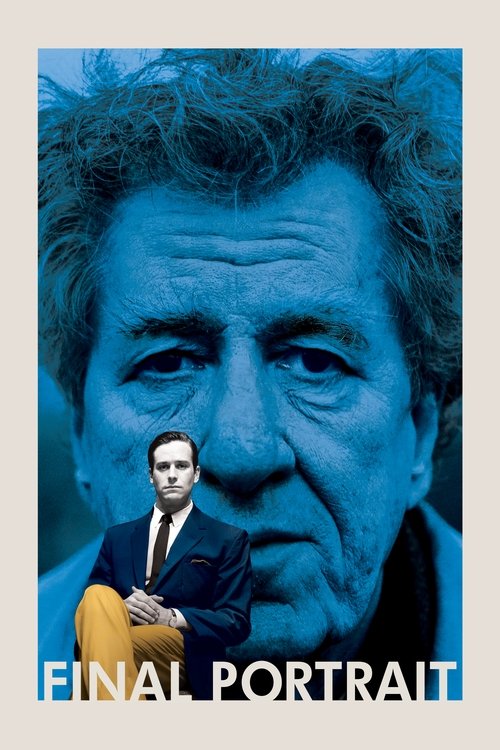
Paris, 1964. The Swiss sculptor and painter Alberto Giacometti, one of the most accomplished and respected artists of his generation, asks his friend, the American writer James Lord, to sit for a portrait, assuring him that it will take no longer than two or three hours, an afternoon at the most.
Final Portrait
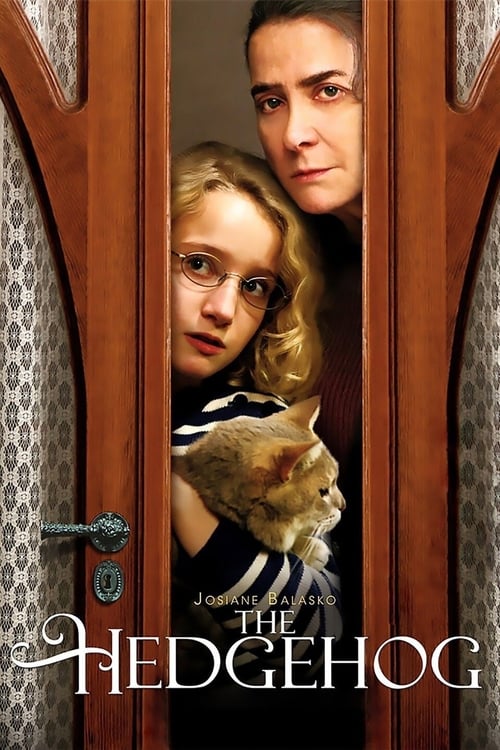
Paloma is a serious and highly articulate but deeply bored 11-year-old who has decided to kill herself on her 12th birthday. Fascinated by art and philosophy, she questions and documents her life and immediate circle, drawing trenchant and often hilarious observations on the world around her. But as her appointment with death approaches, Paloma finally meets some kindred spirits in her building's grumpy janitor and an enigmatic, elegant neighbor, both of whom inspire Paloma to question her rather pessimistic outlook on life.
The Hedgehog

Gentle and broken, a homeless man fights others on video for money but soon finds comfort in an unlikely friend and the lost diary of a young girl.
Cardboard Boxer
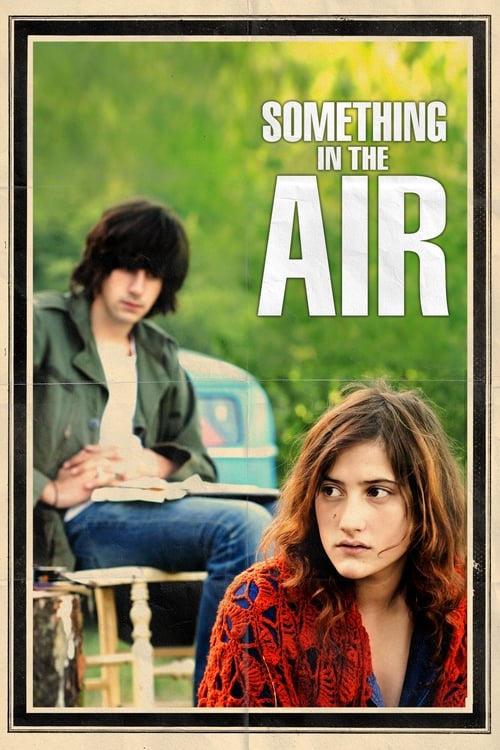
During the 1970s a student named Gilles gets entangled in contemporary political turmoils although he would rather just be a creative artist. While torn between his solidarity to his friends and his personal ambitions he falls in love with Christine.
Something in the Air
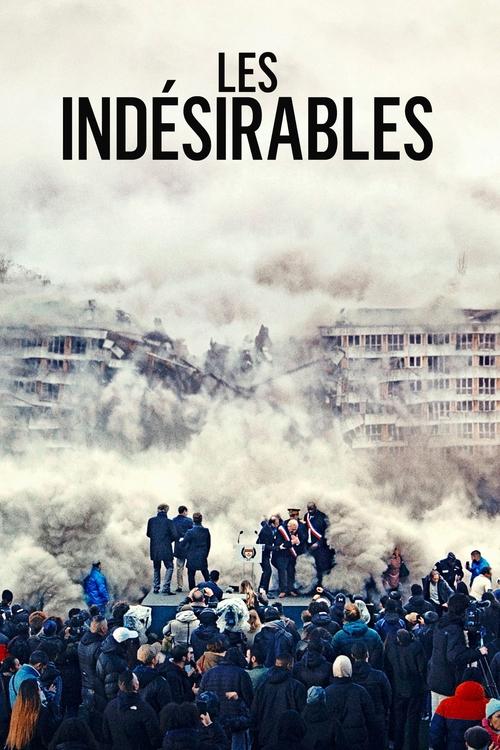
A local activist and a budding young mayor clash over the best path forward for their impoverished suburb.
Les Indésirables
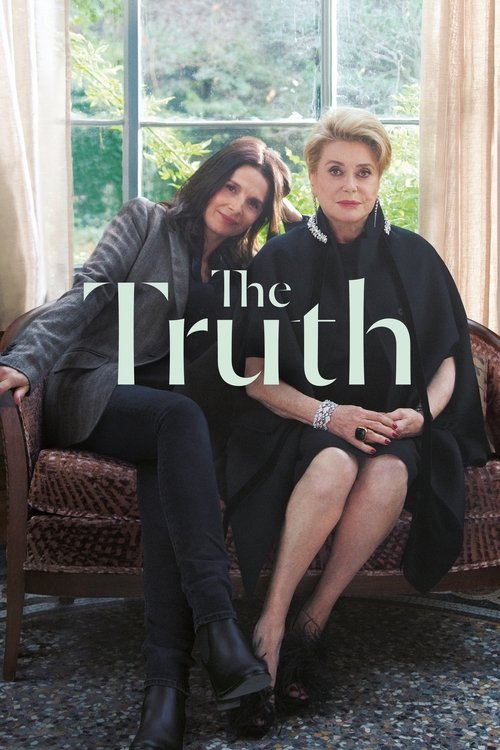
Fabienne is a star; a star of French cinema. She reigns amongst men who love and admire her. When she publishes her memoirs, her daughter Lumir returns from New York to Paris with her husband and young child. The reunion between mother and daughter will quickly turn to confrontation: truths will be told, accounts settled, loves and resentments confessed.
The Truth

Martin, an ex-Parisian well-heeled hipster passionate about Gustave Flaubert who settled into a Norman village as a baker, sees an English couple moving into a small farm nearby. Not only are the names of the new arrivals Gemma and Charles Bovery, but their behavior also seems to be inspired by Flaubert's heroes.
Gemma Bovery
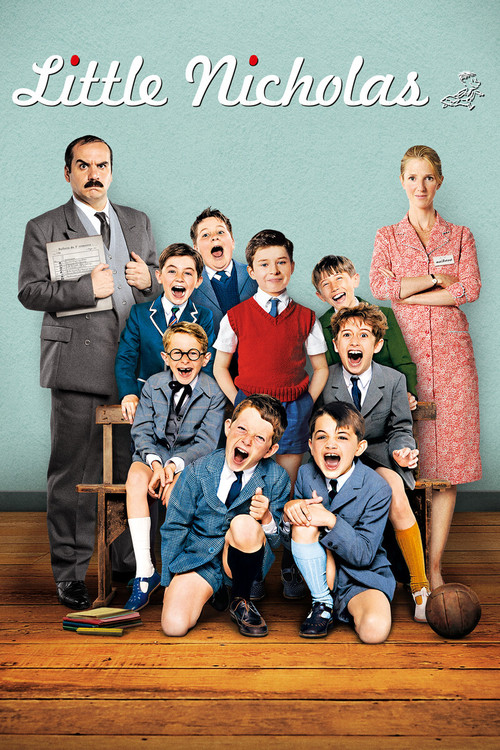
Nicolas has a happy existence, parents who love him, a great group of friends with whom he has great fun, and all he wants is that nothing changes. However, one day, he overhears a conversation that leads him to believe that his life might change forever, his mother is pregnant! He panics and envisions the worst.
Little Nicholas
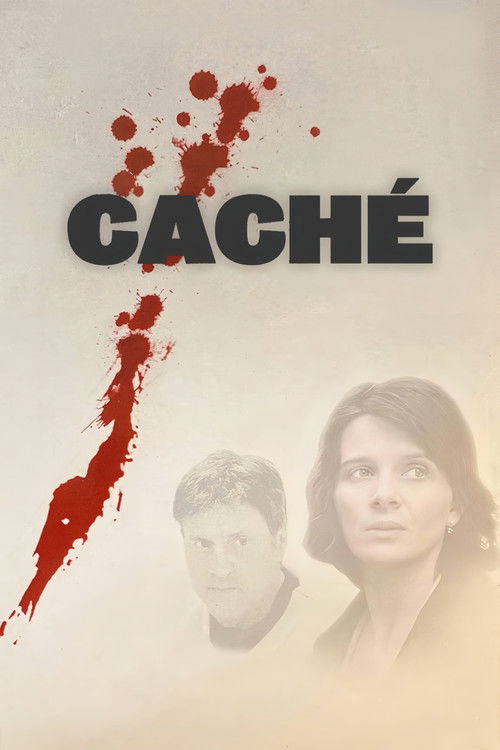
As the host of a literary TV show, Georges begins receiving anonymously filmed videos of his family alongside cryptic, disturbing drawings, but as the tapes become increasingly intimate, they reveal a stalker who has known him for a very long time.
Caché
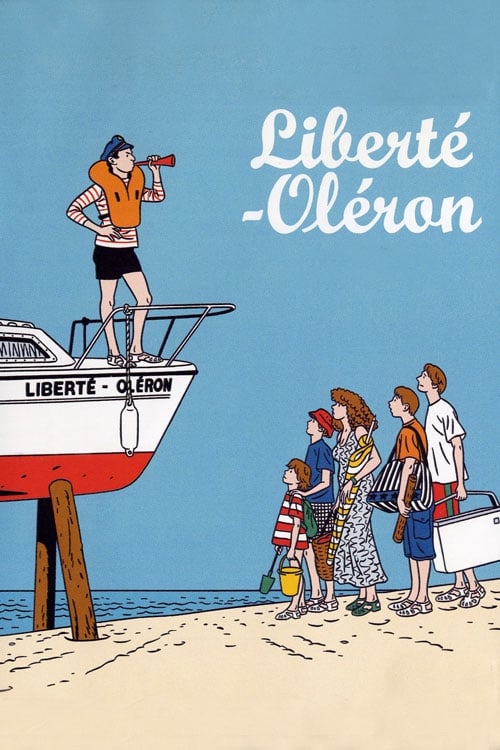
39 years old Jacques Monot is tired from the same vacation he and his family have every year so he decides to buy a boat.
Freedom-Oleron
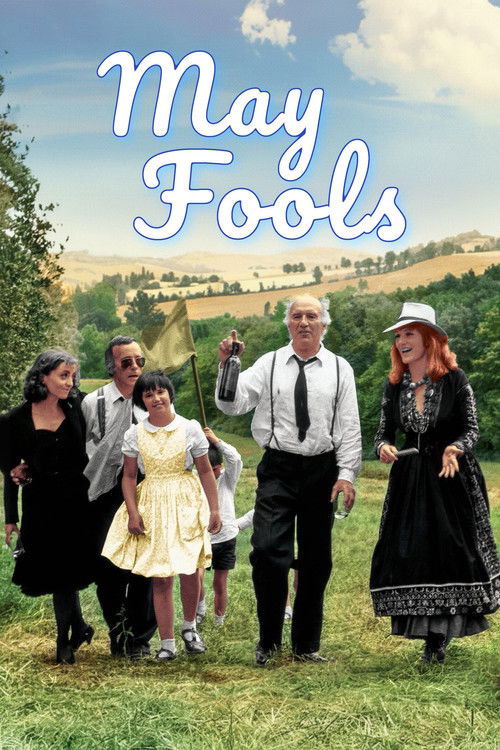
During the events of May 1968 in France, different worldviews of conflicting relatives collide in their family estate.
May Fools
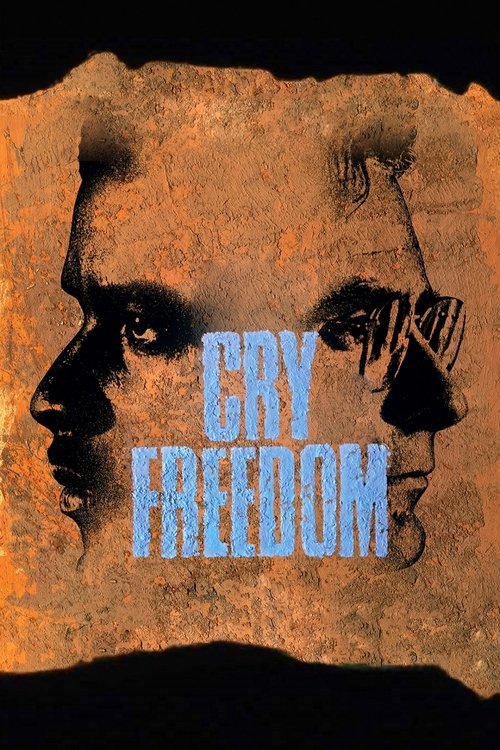
A dramatic story, based on actual events, about the friendship between two men struggling against apartheid in South Africa in the 1970s. Donald Woods is a white liberal journalist in South Africa who begins to follow the activities of Stephen Biko, a courageous and outspoken black anti-apartheid activist.
Cry Freedom
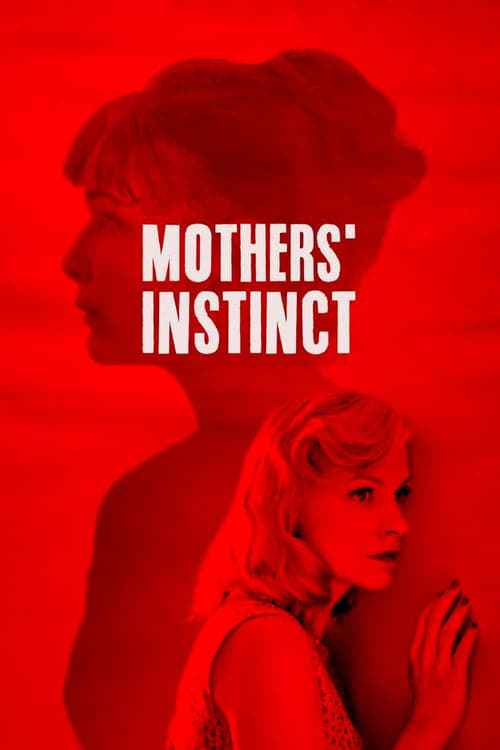
When a sudden tragedy uproots the lives of two women and their families, they begin to question the relationships they once held so dear.
Mothers' Instinct

At once an intimate chronicle of a romance and a sprawling portrait of life in early 1990s France following the intertwining journeys of Jacques, a worldly Parisian writer, and Arthur, a curious, carefree and much-younger university student who is just beginning to live. Brought together by chance, the two men find themselves navigating a casual fling that gradually deepens into a tender, transformative bond.
Sorry Angel
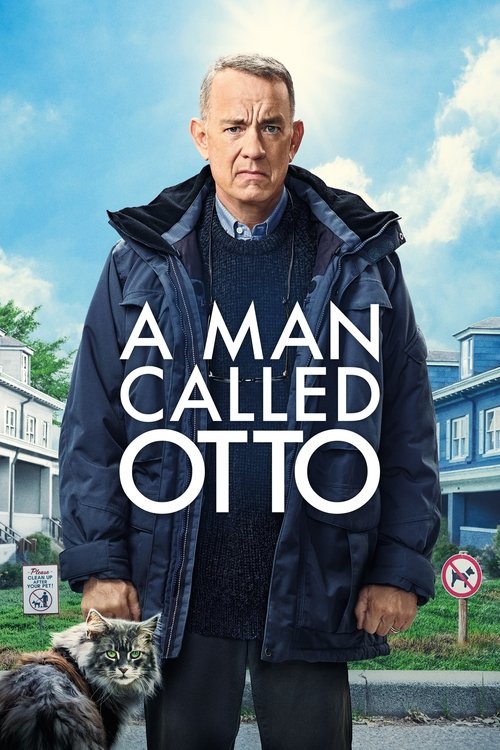
When a lively young family moves in next door, grumpy widower Otto Anderson meets his match in a quick-witted, pregnant woman named Marisol, leading to an unlikely friendship that turns his world upside down.
A Man Called Otto
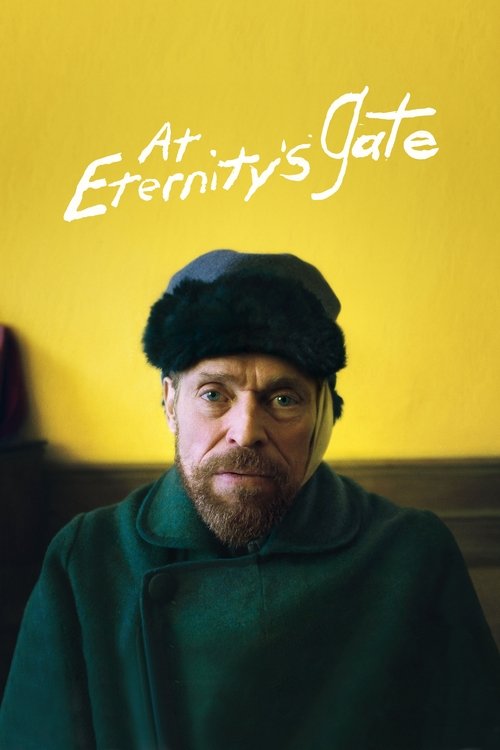
Famed but tormented artist Vincent van Gogh spends his final years in Arles, France, painting masterworks of the natural world that surrounds him.
At Eternity's Gate
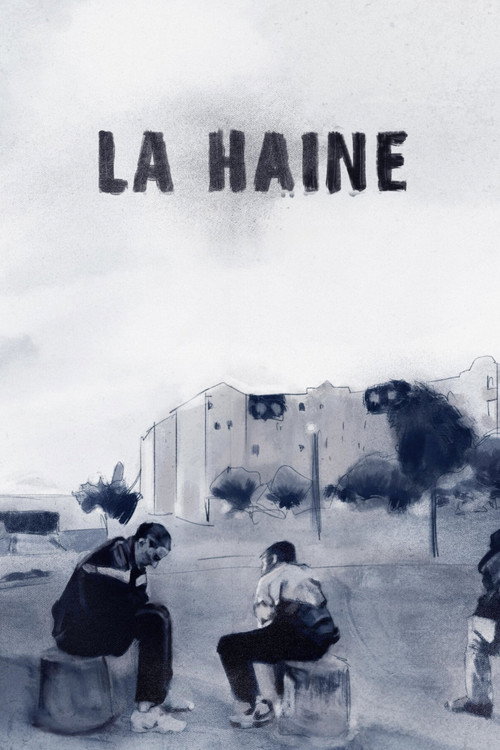
After a chaotic night of rioting in a marginal suburb of Paris, three young friends, Vinz, Hubert and Saïd, wander around unoccupied waiting for news about the state of health of a mutual friend who has been seriously injured when confronting the police.