
Synopsis
Vous aimerez aussi
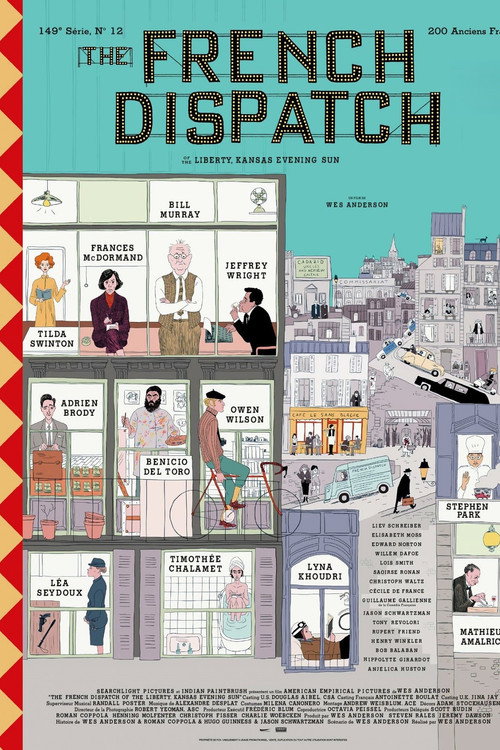
Le journal américain The Evening Sun de Liberty dans le Kansas possède une antenne nommée The French Dispatch à Ennui-sur-Blasé, une ville française fictive évoquant Paris dans les années 1950-60. Arthur Howitzer Jr., le rédacteur en chef du French Dispatch, meurt subitement d'une crise cardiaque. Selon les souhaits exprimés dans son testament, la publication du journal est immédiatement suspendue après un dernier numéro d'adieu, dans lequel trois articles des éditions précédentes du journal sont republiés, ainsi qu'une nécrologie : Les trois articles traitent de Moses Rosenthaler, un détenu psychopathe qui se révèle être un grand artiste peintre, des évènements de Mai 68 et enfin d'une enquête gastronomique qui vire au polar.
The French Dispatch
Antoine a une adolescence turbulente. Il ment à ses parents indifférents à son sort, vole, fugue. Son seul réconfort, il fait les quatre cents coups avec son ami René. Un jour, la police s'en mêle.
Les Quatre Cents Coups

Cléo, belle et chanteuse, attend les résultats d'une analyse médicale. De la superstition à la peur, de la rue de Rivoli au Café de Dôme, de la coquetterie à l'angoisse, de chez elle au Parc Montsouris, Cléo vit quatre-vingt-dix minutes particulières. Son amant, son musicien, une amie puis un soldat lui ouvrent les yeux sur le monde.
Cléo de 5 à 7

En 1969, un groupe de jeunes gens s'adonne à l'opium après avoir vécu les événements de 1968. Un amour fou naît au sein de ce groupe entre une jeune fille et un jeune homme de 20 ans qui s'étaient aperçus pendant l'insurrection.
Les Amants réguliers
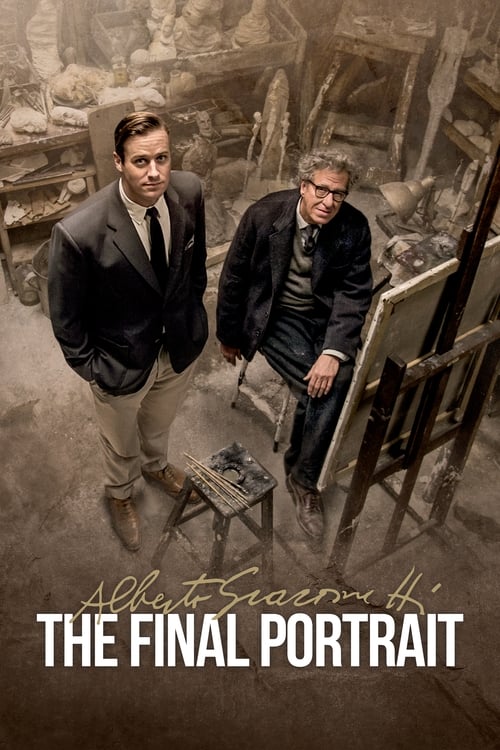
Paris, 1964, Alberto Giacometti, un des plus grands maîtres de l'art du XXème siècle, invite son ami, l’écrivain américain James Lord , à poser pour un portrait. Flatté et intrigué, James accepte. Cela ne devait prendre que quelques jours mais c'était sans compter sur le perfectionnisme et l'exigence du processus artistique de Giacometti…
Alberto Giacometti : The Final Portrait

Région parisienne, début des années 70. Jeune lycéen, Gilles est pris dans l’effervescence politique et créatrice de son temps. Comme ses camarades, il est tiraillé entre un engagement radical et des aspirations plus personnelles. De rencontres amoureuses en découvertes artistiques, qui les conduiront en Italie, puis jusqu’à Londres, Gilles et ses amis vont devoir faire des choix décisifs pour trouver leur place dans une époque tumultueuse.
Après Mai

1990, Arthur a vingt ans et il est étudiant à Rennes. Sa vie bascule le jour où il rencontre Jacques, un écrivain qui habite à Paris avec son jeune fils. Le temps d’un été, Arthur et Jacques vont se plaire et s’aimer. Mais cet amour, Jacques sait qu’il faut le vivre vite.
Plaire, aimer et courir vite
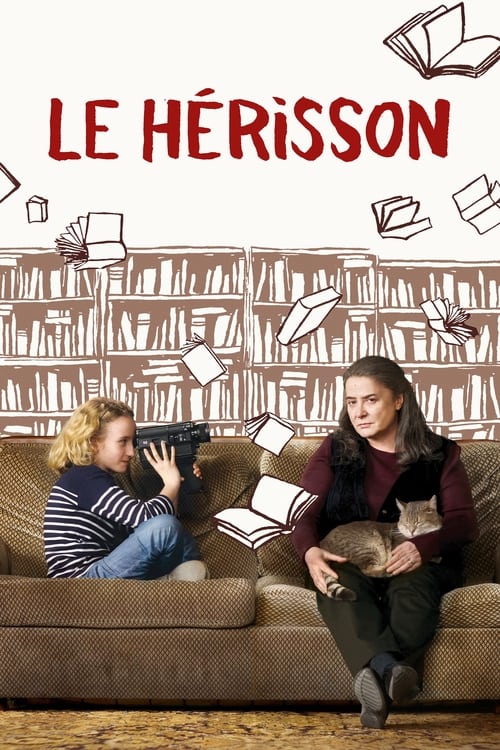
L'histoire d'une rencontre inattendue: celle de Paloma Josse, petite fille de 11 ans, redoutablement intelligente et suicidaire, de Renée Michel, concierge parisienne discrète et solitaire, et de l'énigmatique Monsieur Kakuro Ozu.
Le Hérisson

C'est l'histoire d'un parisien qui est malade et qui se demande s'il va mourir. Son état lui donne un regard neuf et différent sur tous les gens qu'il croise. Le fait d'envisager la mort met soudainement en valeur la vie, la vie des autres et celle de la ville toute entière. Des maraîchers, une boulangère, une assistante sociale, un danseur, un architecte, un SDF, un prof de fac, une mannequin, un clandestin camerounais... Tous ces gens, que tout oppose, se retrouvent réunis dans cette ville et dans ce film. Vous pouvez penser qu'ils ne sont pas exceptionnels mais, pour chacun d'entre eux, leur vie est unique. Vous pouvez croire que leurs problèmes sont insignifiants, mais, pour eux, ce sont les plus importants du monde.
Paris
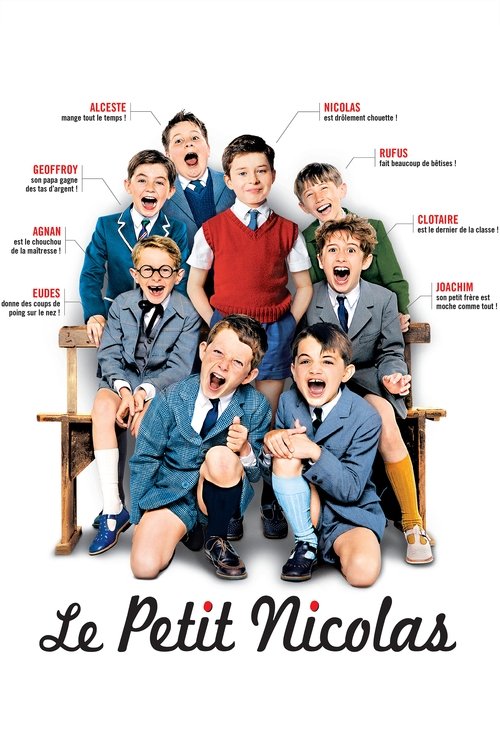
Nicolas mène une existence paisible. Il a des parents qui l'aiment, une bande de chouettes copains avec lesquels il s'amuse bien, et il n'a pas du tout envie que cela change… Mais un jour, Nicolas surprend une conversation entre ses parents qui lui laisse penser que sa mère est enceinte. Il panique alors et imagine le pire : bientôt un petit frère sera là, qui prendra tellement de place que ses parents ne s'occuperont plus de lui, et qu'ils finiront même par l'abandonner dans la forêt comme le Petit Poucet…
Le Petit Nicolas
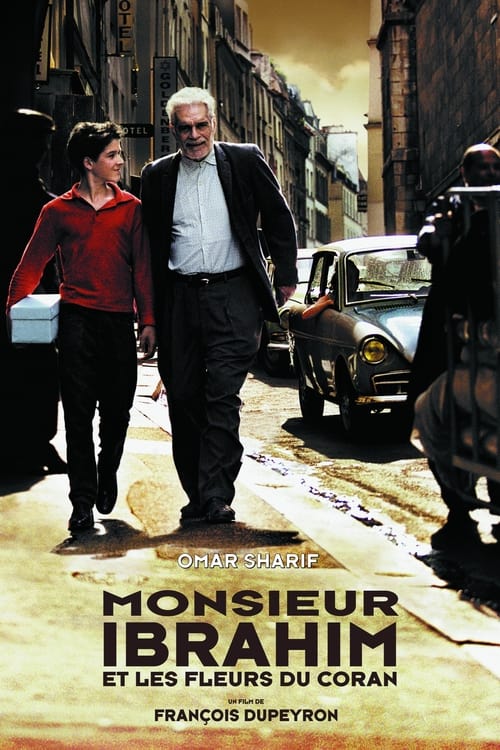
À Paris, dans les années 60, Momo, un garçon de 13 ans, se retrouve livré à lui-même. Il a un seul ami, Monsieur Ibrahim, l'épicier arabe et philosophe de la rue Bleue. Celui-ci va lui faire découvrir la vie, les femmes, l'amour et quelques grands principes.
Monsieur Ibrahim et les Fleurs du Coran
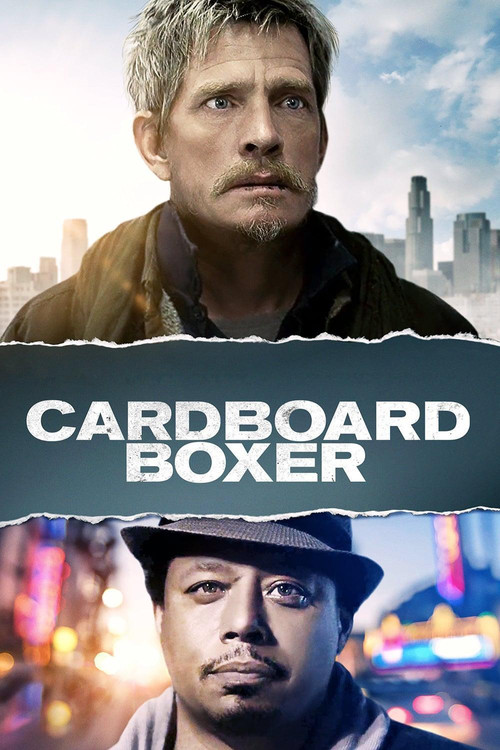
Gentil et brisé, un sans-abri se bat avec d'autres en vidéo pour de l'argent mais trouve bientôt du réconfort auprès d'un ami improbable et du journal perdu d'une jeune fille.
Cardboard Boxer

Madame Rosa, une ex-prostituée juive, vieille habitante de Belleville qui élève les enfants d'autres prostituées moyennant le versement d'une pension, dans un quartier où se côtoient arabes, noirs et juifs. Un lien affectif particulier la lie au plus âgé de ses pensionnaires, un petit garçon arabe nommé Momo. Celui-ci va l'aider à demeurer chez elle alors qu'elle devient malade et dépendante.
La Vie devant soi

Georges, journaliste littéraire, reçoit des vidéos — filmées clandestinement depuis la rue — où on le voit avec sa famille, ainsi que des dessins inquiétants et difficiles à interpréter. Il n'a aucune idée de l'identité de l'expéditeur. Peu à peu, le contenu des cassettes devient plus personnel, ce qui laisse soupçonner que l'expéditeur connaît Georges depuis longtemps. Ce dernier sent qu'une menace pèse sur lui et sur sa famille, mais comme cette menace n'est pas explicite, la police lui refuse son aide…
Caché

Martin, ancien bobo parisien installé dans un village normand, un boulanger passionné de Gustave Flaubert voit s'installer, Gemma et Charles Bovery, un couple d'Anglais dans une fermette du voisinage, aux comportements similaires au roman Madame Bovary, de Flaubert. Pour le créateur qui sommeille en Martin, l'occasion est trop belle de pétrir - outre sa farine quotidienne - le destin de personnages en chair et en os. Mais la jolie Gemma n'a pas lu ses classiques, et entend bien vivre sa propre vie...
Gemma Bovery

Fabienne Dangeville, icône du cinéma, est la mère de Lumir, scénariste à New York. La publication des mémoires de cette grande actrice incite Lumir et sa famille à revenir dans la maison de son enfance. Mais les retrouvailles vont vite tourner à la confrontation : vérités cachées, rancunes inavouées, amours impossibles se révèlent sous le regard médusé des hommes. Fabienne est en plein tournage d’un film de science-fiction où elle incarne la fille âgée d’une mère éternellement jeune. Réalité et fiction se confondent obligeant mère et fille à se retrouver...
La Vérité

Une vieille dame s’éteint dans une grande demeure du Sud-Ouest. Son fils, Milou, qui a soixante ans et qui s'occupe de la propriété, convoque pour l'enterrement son frère Georges, sa belle-sœur Lily, sa nièce Claire, sa propre fille Camille et le reste de la famille. Mais nous sommes en mai 1968. Depuis deux semaines Paris est à feu et à sang...
Milou en Mai
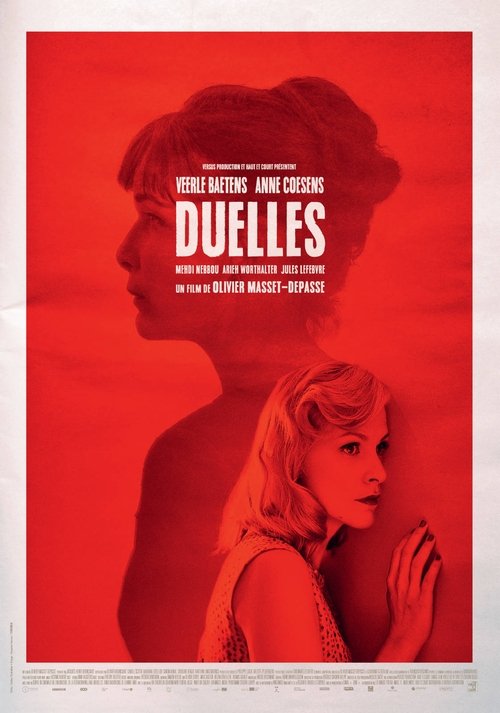
Au début des années 1960, Alice et Céline vivent avec leurs familles dans la banlieue de Bruxelles. Elles sont les meilleures amies du monde jusqu’au jour où survient un événement tragique qui vient bouleverser leur univers quotidien.
Duelles

En 1975, Seyolo Zantoko, médecin fraichement diplômé originaire de Kinshasa, saisit l’opportunité d’un poste de médecin de campagne dans un petit village français. Arrivés à Marly-Gomont, Seyolo et sa famille déchantent. Les habitants ont peur, ils n’ont jamais vu de noirs de leur vie. Mais Seyolo est bien décidé à réussir son pari et va tout mettre en œuvre pour gagner la confiance des villageois.
Bienvenue à Marly-Gomont
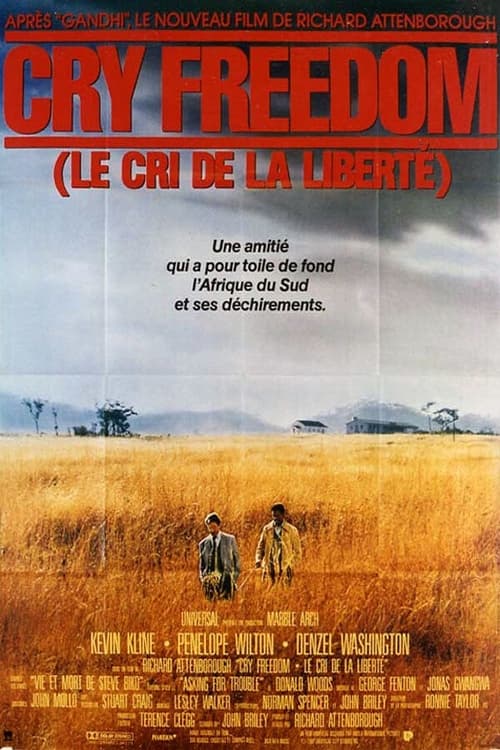
En 1975 en Afrique du Sud, le journaliste blanc Donald Woods se lie d'amitié avec Stephen Biko le leader d'un mouvement extrémiste: «Black Consciousness» qu'il rencontre au cours d'un reportage. De plus en plus proches, Woods est témoin d'actes de violence de la part de la police contre la communauté noire et s'implique de plus en plus dans la lutte anti-apartheid... jusqu'à l'arrestation de Biko et sa mort dans des conditions que les autorités tentent de dissimuler...