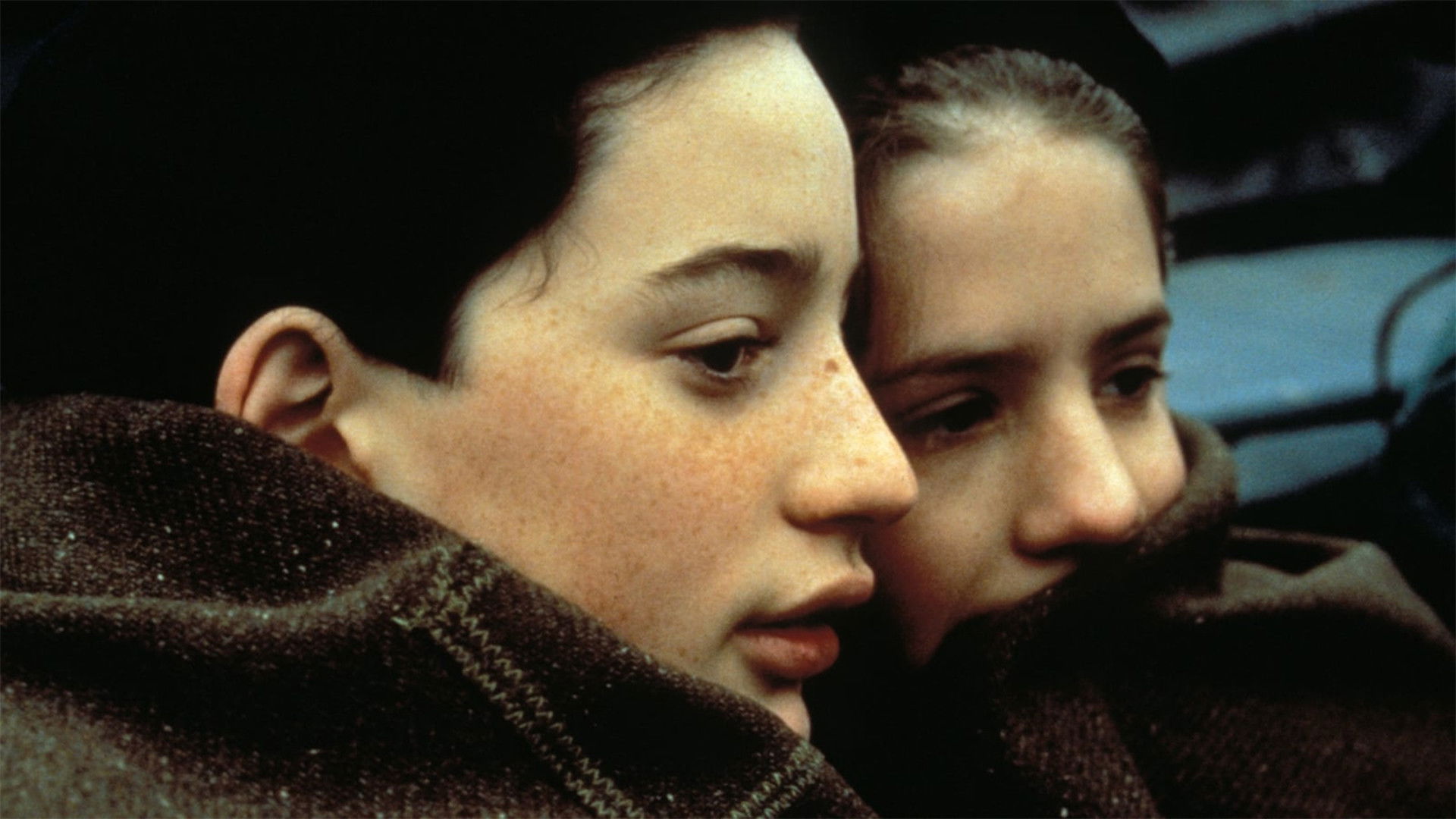
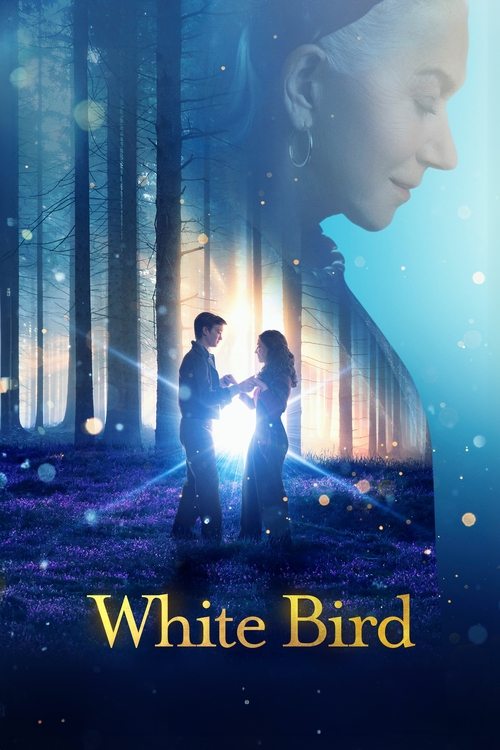
After being expelled from Beecher Prep for his treatment of a classmate with a facial deformity, Julian has struggled to fit in at his new school. To transform his life, Julian's grandmother finally reveals her own story of courage of her youth in Nazi-occupied France, where a classmate shelters her from mortal danger.
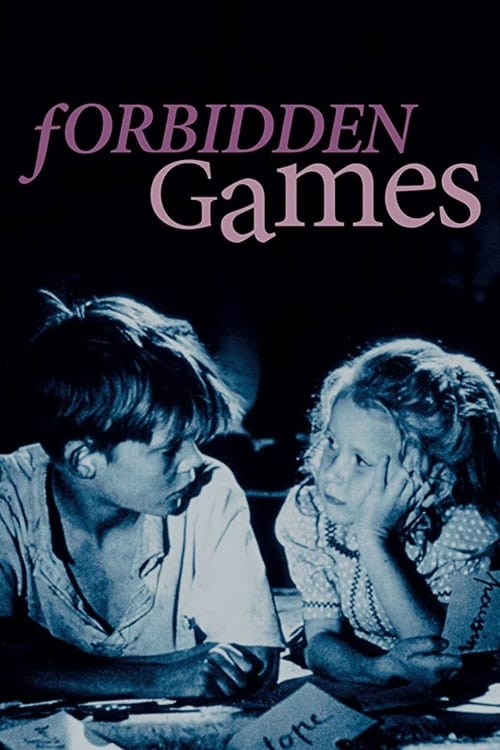
Orphaned after a Nazi air raid, Paulette, a young Parisian girl, runs into Michel, an older peasant boy, and the two quickly become close. Together, they try to make sense of the chaotic and crumbling world around them, attempting to cope with death as they create a burial ground for Paulette's deceased pet dog. Eventually, however, Paulette's stay with Michel's family is threatened by the harsh realities of wartime.
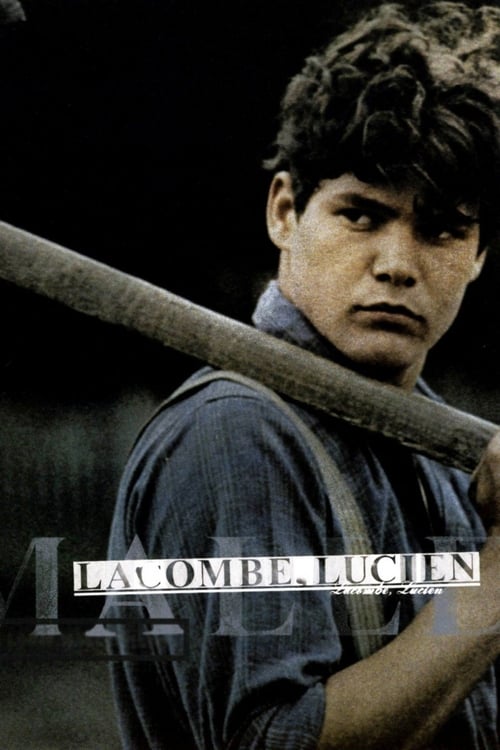
In Louis Malle's lauded drama, Lucien Lacombe is a young man living in rural France during World War II who seeks to join the French Resistance. When he is rejected due to his youth, the resentful Lucien allies himself with the Nazis and joins the Gallic arm of their Gestapo. Lucien grows to enjoy the power that comes with his position, but his life is complicated when he falls for France Horn, a beautiful young Jewish woman.
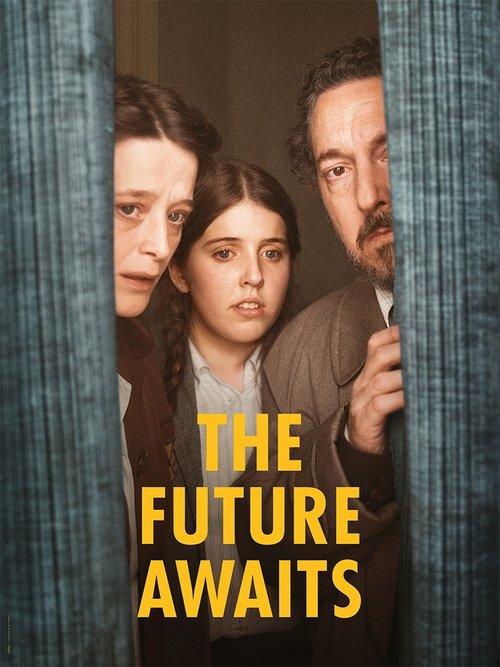
In July 1942, during the Vel’ d’Hiv’ Roundup of Jewish families in Paris, 13 year old Tauba Birenbaum and her parents, who are Polish Jews, find refuge in a tiny room for the next 765 days. Living conditions are tough and they fear being discovered at any moment. But while her parents sink further into despair, Tauba’s fighting spirit shines through. She finds joy in every little thing, from a piano drawn on the floor, to the views of Paris through an open window. Despite extreme circumstances, she will keep hope until the liberation of Paris, and take back control of her life.
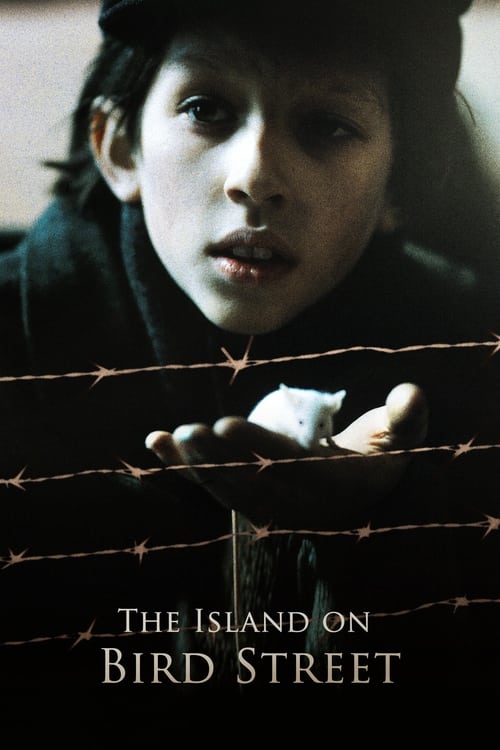
Alex is an 11-year old boy who, during WWII, hides in the Jewish ghetto from Nazis after all his relatives have been sent to the concentration camp. The movie portrays the ghetto through his eyes.
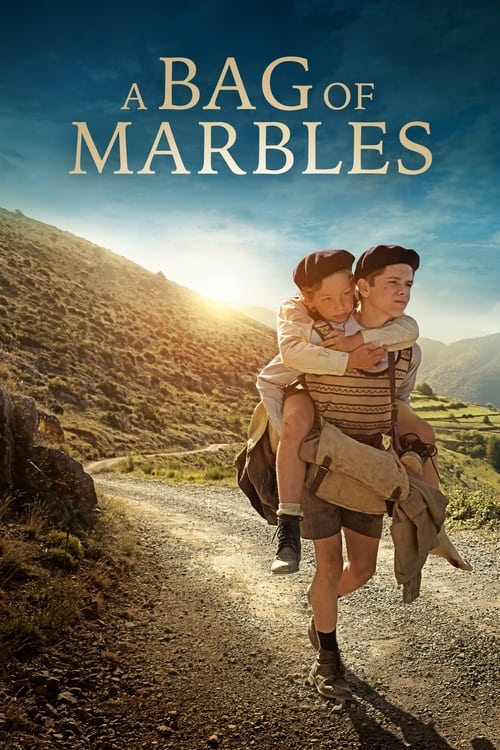
At the beginning of the 1940s, in a France occupied by Nazi forces, lived the Jewish Joffo family. Happy and tight-knit, she sees her future darken when all members of the family are forced to wear the yellow star. Fearing the worst, the parents organized their family to flee to the free zone in the south of the country. Maurice, twelve years old, and Joseph, ten years old, will therefore leave alone in order to maximize their chances of finding their older brothers already settled in Nice. The brothers left to their own devices demonstrate an incredible amount of cleverness, courage, and ingenuity to escape the enemy invasion and to try to reunite their family once again.
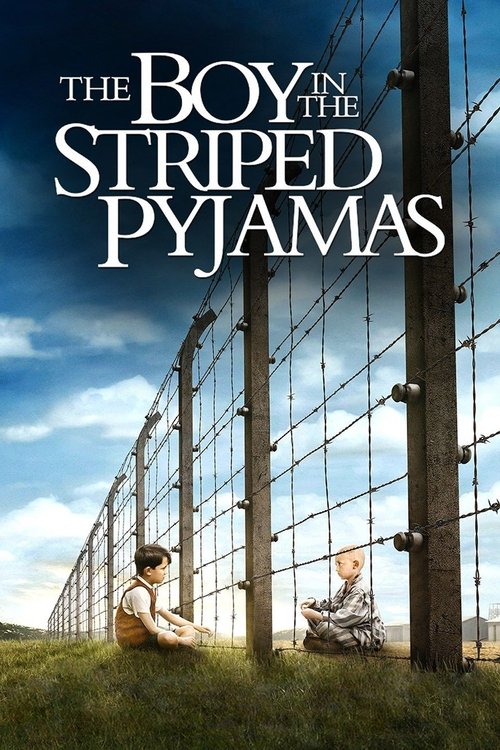
When his family moves from their home in Berlin to a strange new house in Poland, young Bruno befriends Shmuel, a boy who lives on the other side of the fence where everyone seems to be wearing striped pajamas. Unaware of Shmuel's fate as a Jewish prisoner or the role his own Nazi father plays in his imprisonment, Bruno embarks on a dangerous journey inside the camp's walls.

Betrayed by an informant, Philippe Gerbier finds himself trapped in a torturous Nazi prison camp. Though Gerbier escapes to rejoin the Resistance in occupied Marseilles, France, and exacts his revenge on the informant, he must continue a quiet, seemingly endless battle against the Nazis in an atmosphere of tension, paranoia and distrust.
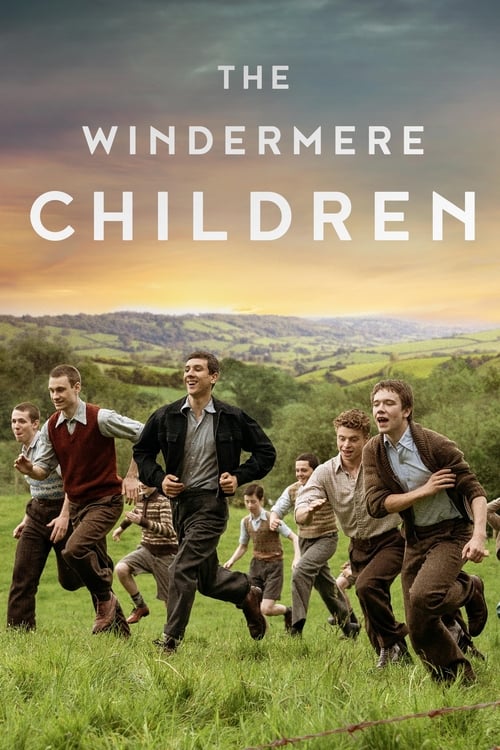
The story of the pioneering project to rehabilitate child survivors of the Holocaust on the shores of Lake Windermere.
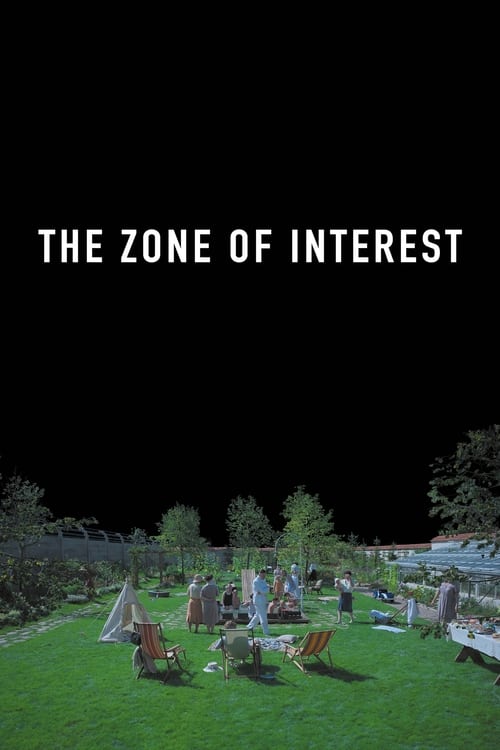
The commandant of Auschwitz, Rudolf Höss, and his wife Hedwig, strive to build a dream life for their family in a house and garden next to the camp.
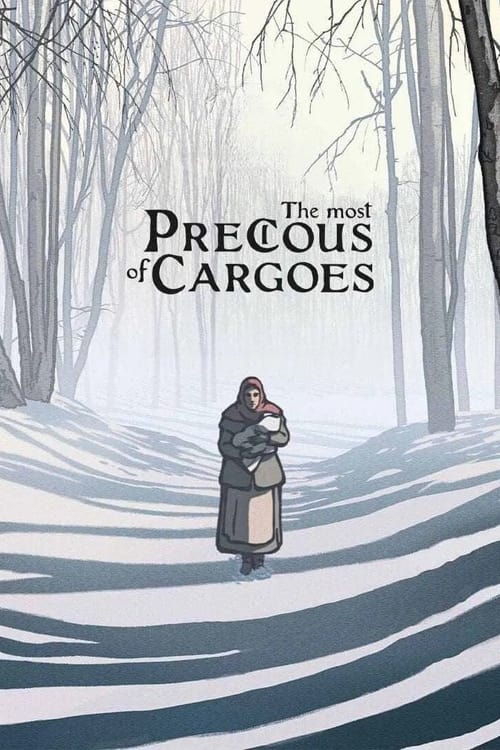
Once upon a time, a poor woodcutter and his wife lived in a great forest. Cold, hunger, poverty, and a war raging all around them meant their lives were very hard. One day, the woodcutter's wife rescues a baby. A baby girl thrown from one of the many trains that constantly pass through the forest. This baby, this "most precious of cargoes", will transform the lives of the poor woodcutter's wife and her husband, as well as those whose paths the child will cross—including the man who threw her from the train. And some will try to protect her, whatever the cost. Their story will reveal the worst and the best in the hearts of men.

The remarkable true-life survival story of a Jewish boy hiding and being hunted in the forests of Nazi-occupied Eastern Europe, based on Maxwell Smart's memoir.
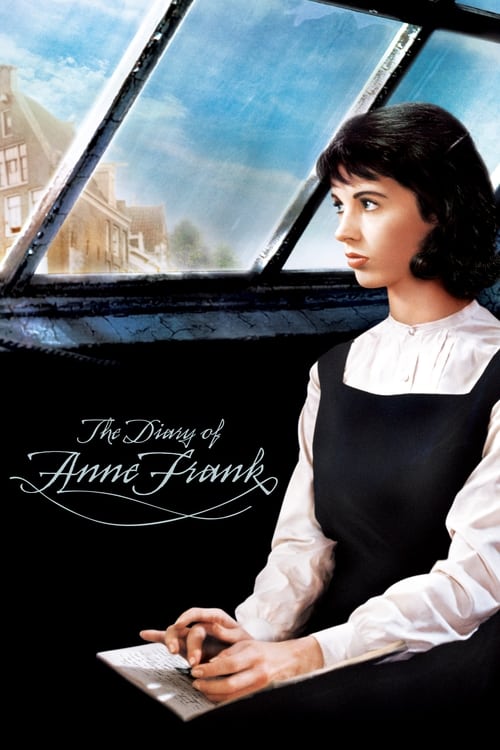
The true, harrowing story of a young Jewish girl who, with her family and their friends, is forced into hiding in an attic in Nazi-occupied Amsterdam.
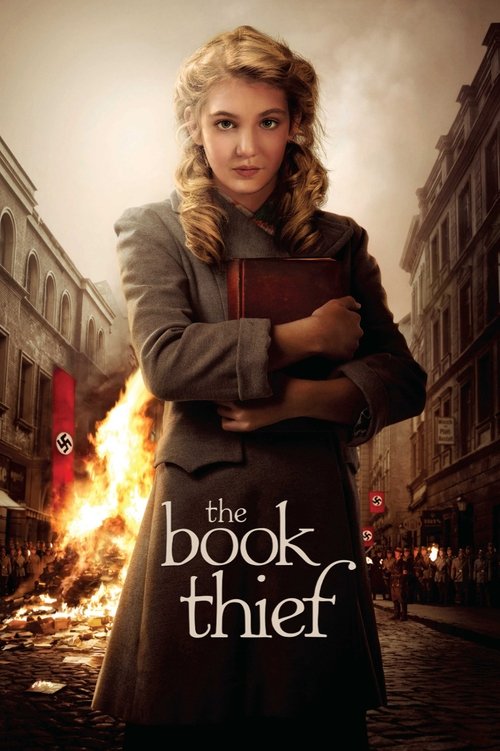
While subjected to the horrors of WWII Germany, young Liesel finds solace by stealing books and sharing them with others. Under the stairs in her home, a Jewish refugee is being sheltered by her adoptive parents.
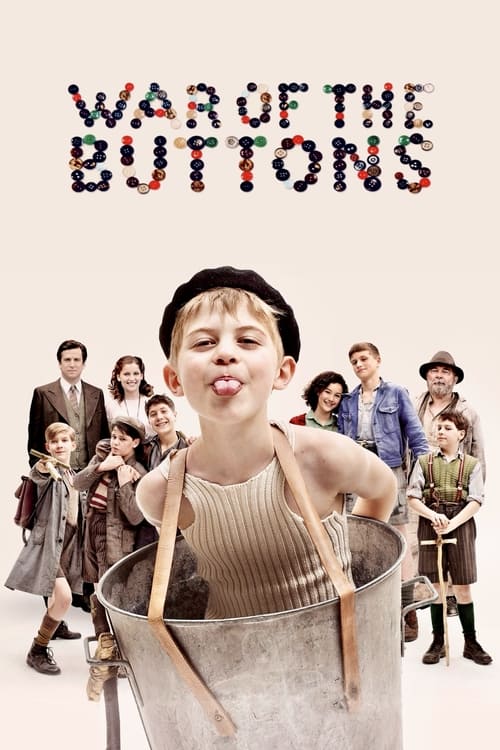
Occupied France; Lebrac leads a play war between two rival kid gangs, but a girl he likes, who's Jewish, is in danger of being discovered by local Nazi sympathisers. Lebrac and the village must now respond to the reality of what's happening.
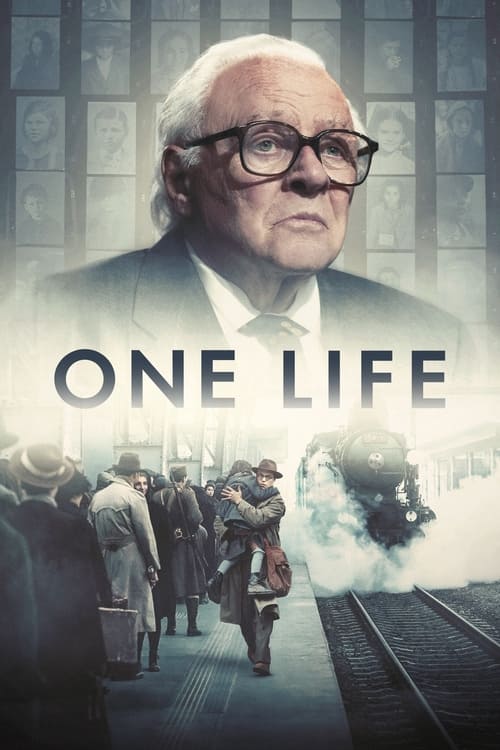
British stockbroker Nicholas Winton visits Czechoslovakia in the 1930s and forms plans to assist in the rescue of Jewish children before the onset of World War II, in an operation that came to be known as the Kindertransport.

During the harrows of WWII, Jo, a young shepherd along with the help of the widow Horcada, helps to smuggle Jewish children across the border from southern France into Spain.
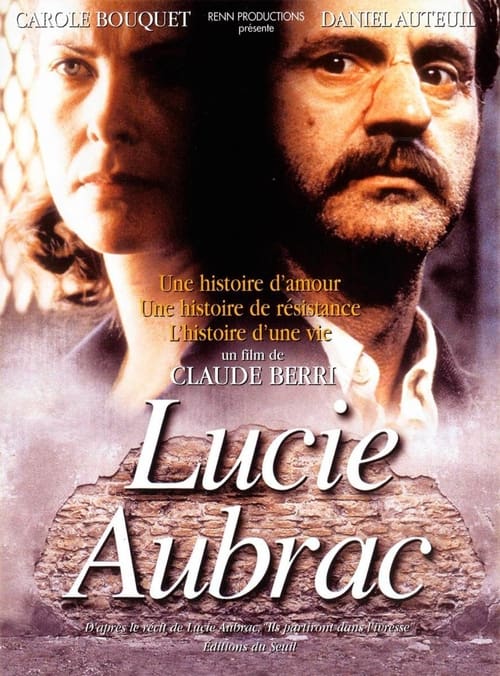
A love story or a tale of the resistance, this poignant movie tells both the haunting story of a French resistance cell in Lyon but also the love of Lucie Aubrac for her husband...
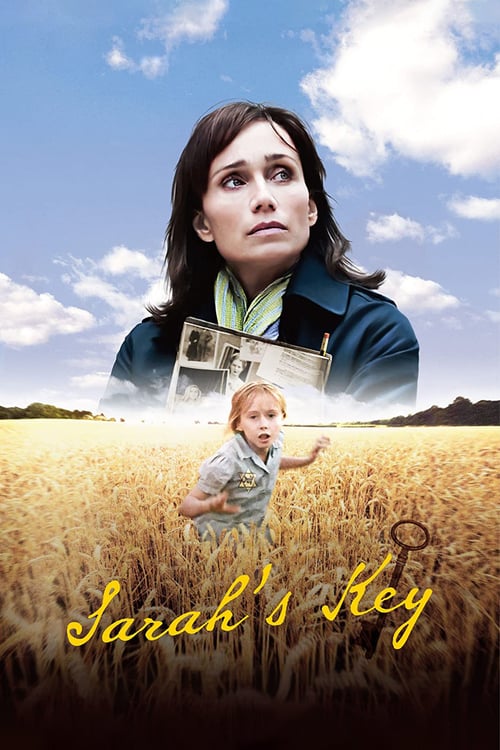
On the night of 16 July 1942, ten year old Sarah and her parents are being arrested and transported to the Velodrome d'Hiver in Paris where thousands of other jews are being sent to get deported. Sarah however managed to lock her little brother in a closet just before the police entered their apartment. Sixty years later, Julia Jarmond, an American journalist in Paris, gets the assignment to write an article about this raid, a black page in the history of France. She starts digging archives and through Sarah's file discovers a well kept secret about her own in-laws.
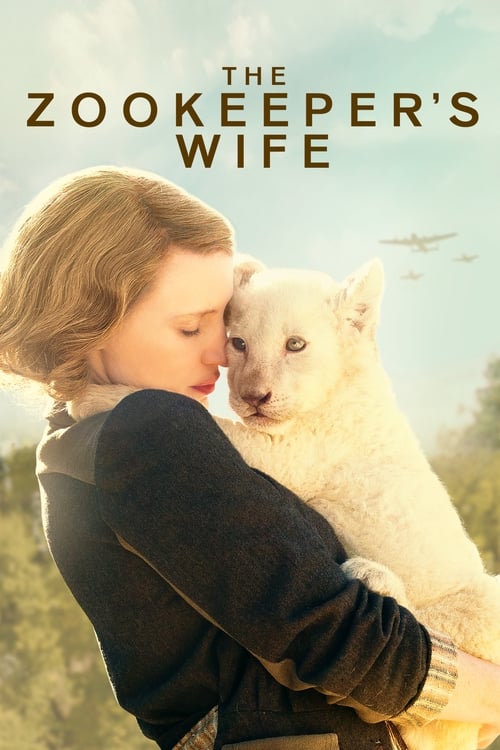
The account of keepers of the Warsaw Zoo, Jan and Antonina Zabinski, who helped save hundreds of people and animals during the Nazi invasion.
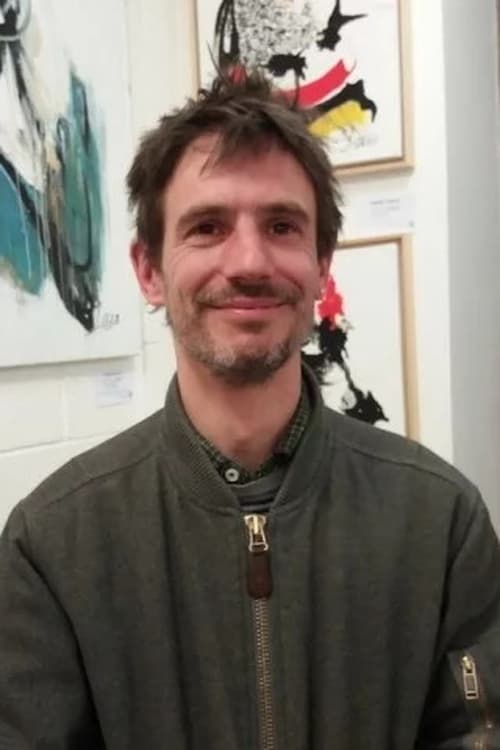
Gaspard Manesse
Julien Quentin
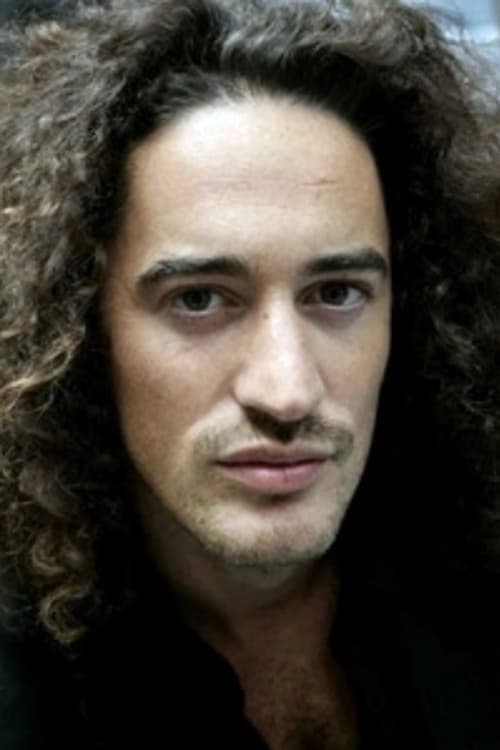
Raphael Fejtö
Jean Bonnet
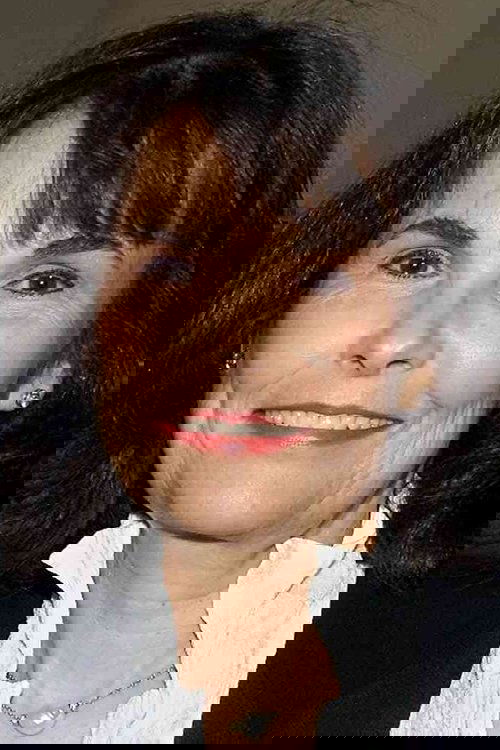
Francine Racette
Mrs. Quentin
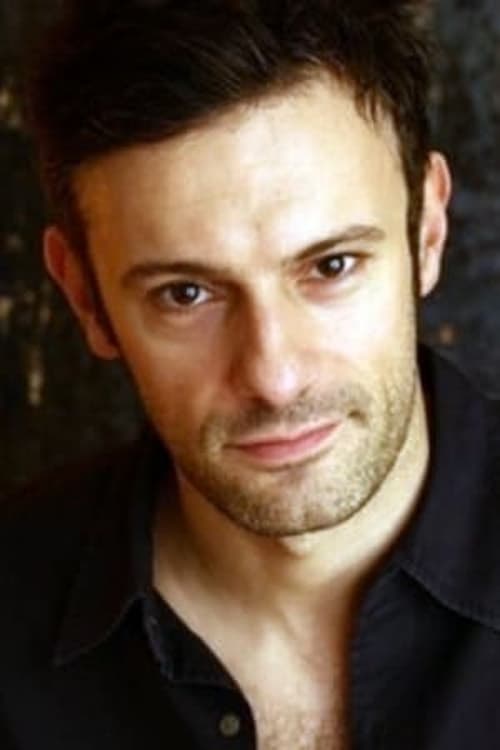
Stanislas Carré de Malberg
François Quentin

Philippe Morier-Genoud
Father Jean
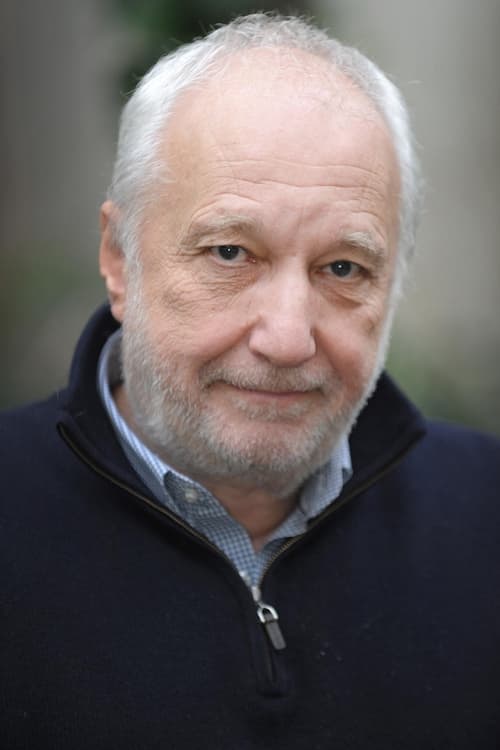
François Berléand
Father Michel
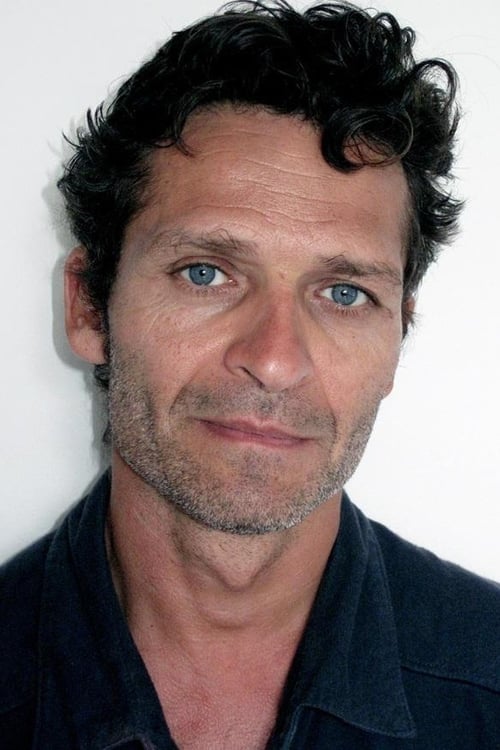
François Négret
Joseph
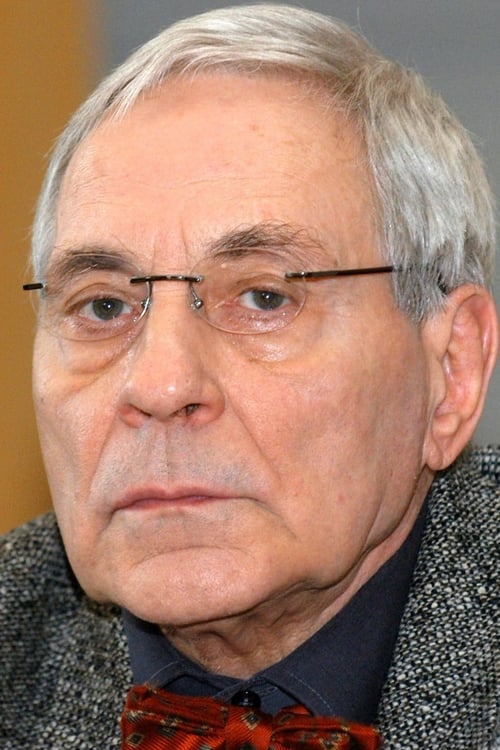
Peter Fitz
Muller
Pascal Rivet
Boulanger
Richard Leboeuf
Sagard
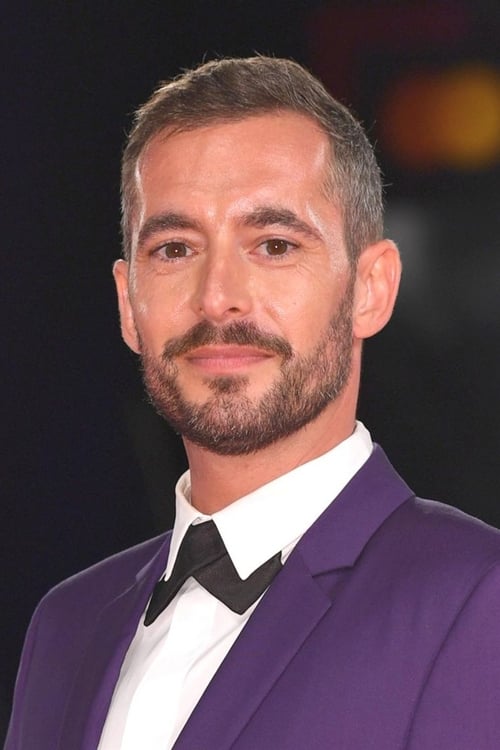
Xavier Legrand
Babinot
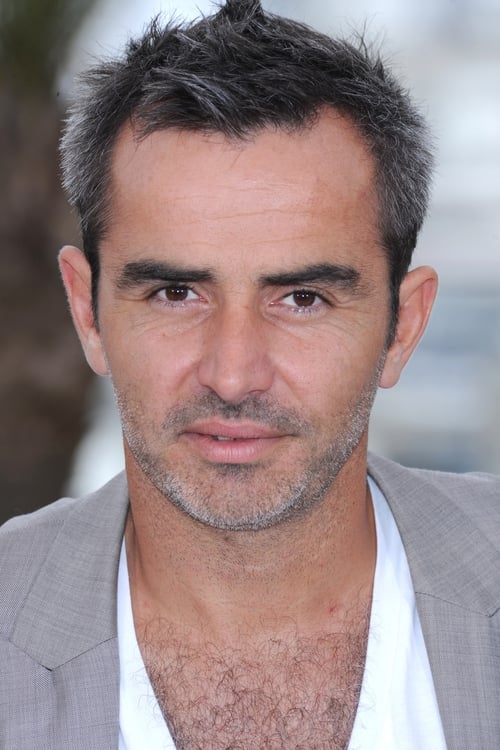
Arnaud Henriet
Negus