Vous aimerez aussi
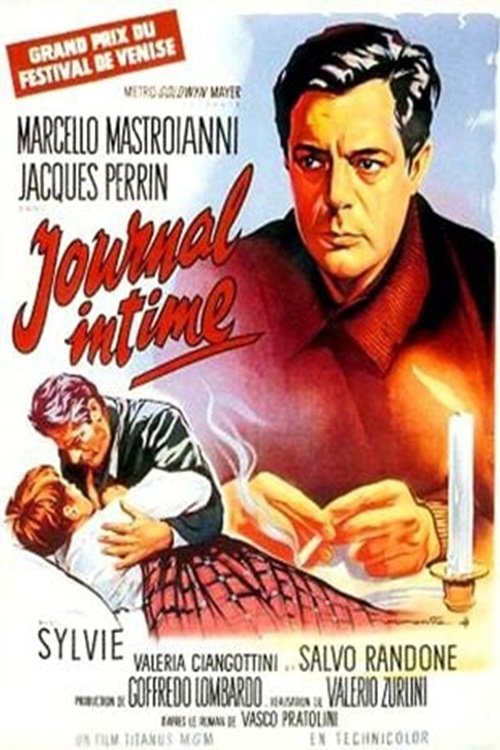
Enrico Corsi, un journaliste romain, apprend, en ce début de l'année 1945, la mort de son frère cadet, Ferruccio. Long flash-back de souvenirs, où il se rappelle son enfance, leur séparation, après le décès de leurs parents ..... Ferruccio est adopté par le majordome d'un riche Anglais, vivant une adolescense aisée alors qu'Enrico continue à patauger dans une sombre misère. Retrouvailles et séparation. Mais une grave maladie incurable va affecter Ferruccio, maintenant marié...
Journal intime
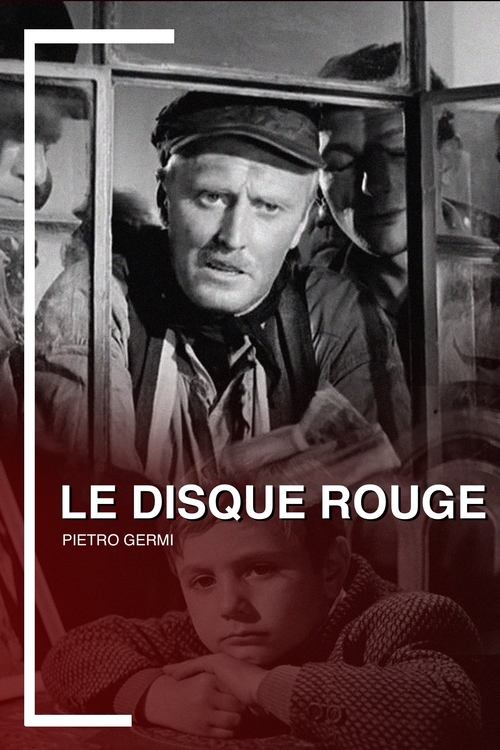
Le soir de Noël, le petit Sandro accourt fièrement retrouver son père, un conducteur de locomotive nommé Andrea Marcocci. Mais sur le chemin du retour, ce dernier s’arrête au café et s’y attarde alors que sa femme et ses enfants l’attendent à la maison. L’année qui suit voit la famille se désagréger : le benjamin ne trouve pas de travail, l’aînée tombe enceinte et est mariée de force, Andrea réagissant toujours avec une ferme sévérité patriarcale. Un jour, un homme se jette sous son train. Quelques heures plus tard, perturbé, Andrea ne voit pas le signal d’arrêt et évite de peu un grave accident. Il risque alors la suspension à vie de son travail…
Le disque rouge
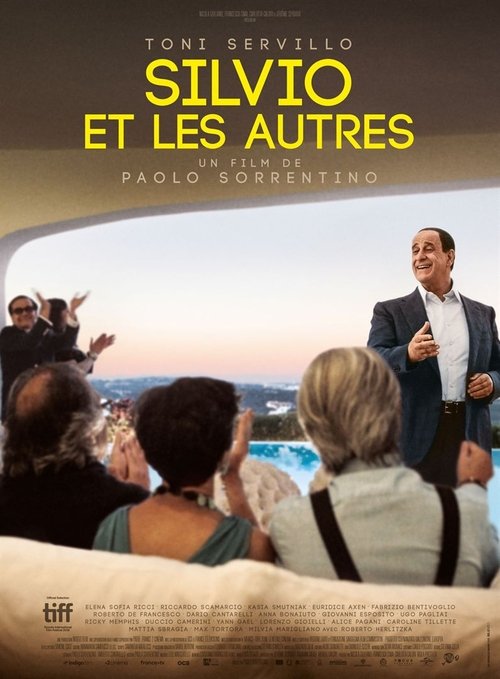
Il a habité nos imaginaires par la puissance de son empire médiatique, son ascension fulgurante et sa capacité à survivre aux revers politiques et aux déboires judiciaires. Il a incarné pendant vingt ans le laboratoire de l’Europe et le triomphe absolu du modèle libéral après la chute du communisme. Entre déclin et intimité impossible, Silvio Berlusconi incarne une époque qui se cherche, désespérée d’être vide.
Silvio et les autres

Le petit Pricò ne comprend pas les problèmes qui déchirent ses parents : sa mère est partie rejoindre son amant, et son père semble beaucoup souffrir de cette situation.
Les enfants nous regardent

Qui est cet homme à l'allure négligée qui vit seul dans les écuries rénovées de la Villa Guelfi, une demeure inhabitée et en ruine ? Lorsqu'il s'aperçoit qu'une communauté de jeunes diplômés, désireuse de s'occuper des vignobles abandonnés, s'est installée illégalement dans la villa, il souhaite les chasser.
Five Seconds

Pietro élève seul sa fille Sofia depuis la mort de sa femme. Quand, après quelques années, il tente de refaire sa vie avec une nouvelle compagne, tout ne se passe pas comme il l'avait rêvé : la réaction de sa fille est explosive et Pietro sera mis à rude épreuve.
A Daughter
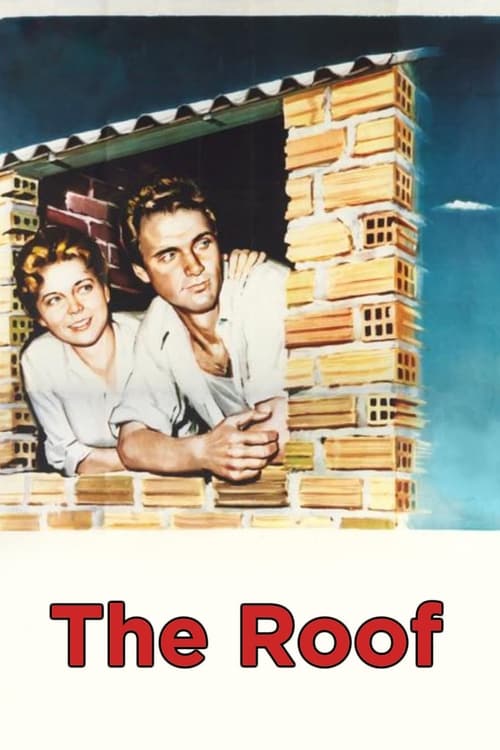
Un jeune couple, en quête d'intimité, emménage dans un abri de fortune et se retrouve bientôt menacé d'expulsion. Mais la loi les protège si leur logement possède un toit. Ils ont alors une nuit pour mener à bien les travaux.
Le Toit

Fuyant Rome, Franco Elica, un célèbre metteur en scène, se retrouve à Cefalù en Sicile, et rencontre trois personnages : un confrère cinéaste qui vit de ses films de cérémonies de mariages, un réalisateur prétendant être mort afin d'acquérir la reconnaissance qu'il n'a pas eu de son vivant par le milieu du cinéma, et un Prince ombrageux, mystérieux, et cultivé mais ruiné.Le Prince Ferdinando Gravina di Palagonia lui propose de filmer le mariage de sa fille Bona. Franco en tombe immédiatement amoureux et décide de la sauver de ce mariage de raison.
Le Metteur en scène de mariages

Un aperçu de la ligne mince qui sépare le bien du mal, et de ce qui s'écoule entre les deux, qui traverse souvent nos vies comme un fleuve déchaîné.
Things We Don't Say
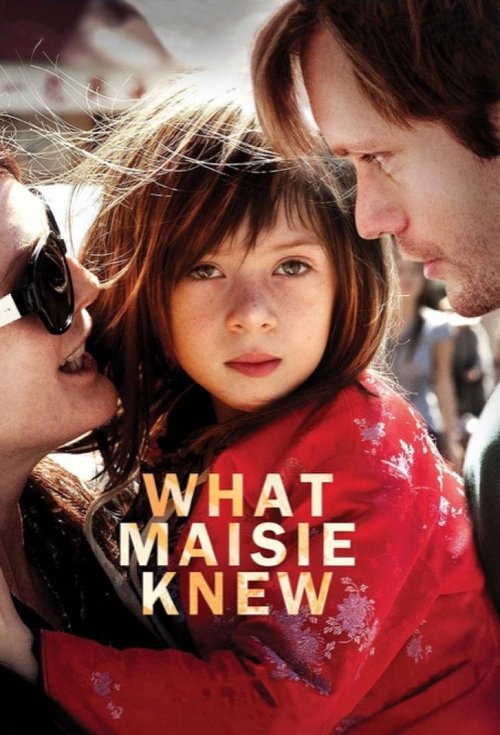
Le film est raconté à travers les yeux de la petite Maisie, 7 ans, ballotée au coeur d'une bataille pour sa garde qui oppose sa mère Susanna (une ancienne rock star) et son père Beale (un vendeur d'art).
What Maisie Knew

Matteo Scuro est un retraité veuf sicilien. Amateur d'opéra, il a choisi pour le prénom de chacun de ses cinq enfants, vivant aux quatre coins de l'Italie, le nom d'un héros ou héroïne d'opéra : Tosca (Tosca de Giacomo Puccini), Canio (Pagliacci de Ruggero Leoncavallo), Norma (Norma de Vincenzo Bellini), Guglielmo (Guillaume Tell de Gioachino Rossini) et Alvaro (La forza del destino de Giuseppe Verdi). Il est conscient de ne pas avoir été un père très impliqué dans l'éducation de ses enfants et, afin de renouer le contact, il les invite pour les prochaines vacances d'été. Chacun, avec toujours une bonne raison à l'appui, décline l'invitation. Matteo décide alors de les surprendre et part leur rendre visite à Naples, Rome, Florence, Milan et Turin, leur ville de résidence.
Ils vont tous bien !
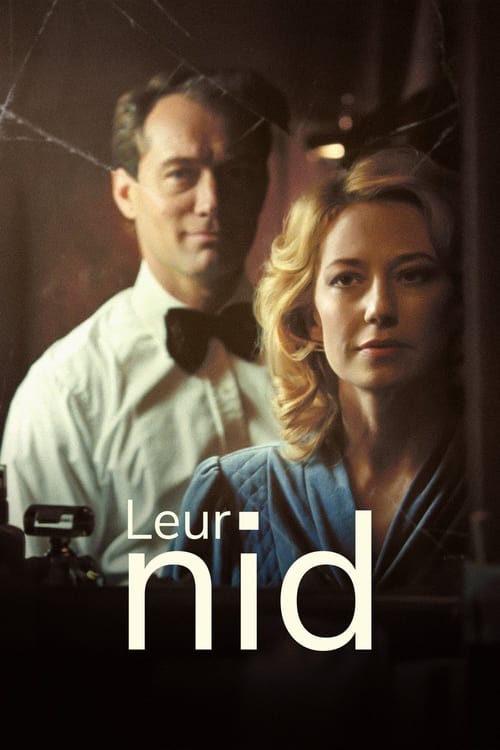
Dans les années 1980 , Rory, un ancien courtier devenu un ambitieux entrepreneur, convainc Allison, son épouse américaine, et leurs deux enfants de quitter le confort d’une banlieue cossue des États-Unis pour s’installer en Angleterre, son pays de naissance. Persuadé d’y faire fortune, Rory loue un vieux manoir en pleine campagne où sa femme pourra continuer à monter à cheval. Mais l’espoir d’un lucratif nouveau départ s’évanouit rapidement et l’isolement fissure peu à peu l’équilibre familial...
The Nest

Michigan, 1959. Un prêtre et son jeune assistant créent la controverse dans un asile en expérimentant de nouvelles méthodes inédites sur des patients qui se prennent pour Jésus Christ.
Three Christs
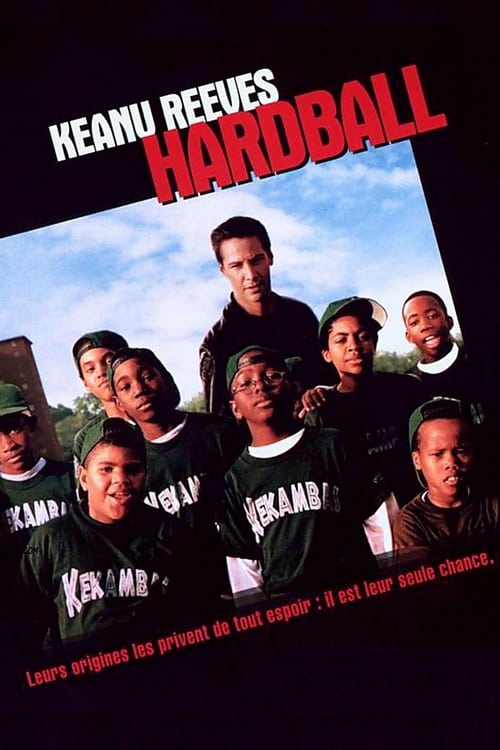
Conor O'Neill voit croître ses dettes de jeu. Un jour, son ami d'enfance, le banquier Jimmy Fleming, lui propose d'être l'entraîneur d'une équipe de jeunes joueurs de base-ball, les Kekambas. Conor a horreur des gamins, mais il se voit obligé de revêtir l'uniforme de coach. Ce job lui permettrait de rembourser ses dettes de jeu. Aux prises avec 9 petits monstres incompétents, Conor vit le pire cauchemar de sa vie. La partie promet d'être longue. D'autant plus qu'ils n'écoutent pas ses directives. Ces derniers ont pour adversaires les Bua Was, entraînés de façon professionnelle par le très respectable Matt Hyland et que chacun donne gagnants. Conor s'efforce de remplir vaillamment son rôle avec le soutien compatissant de l'institutrice Elizabeth Wilkes, mais les problèmes se multiplient, alors même que son équipe commence à faire corps.
Hardball
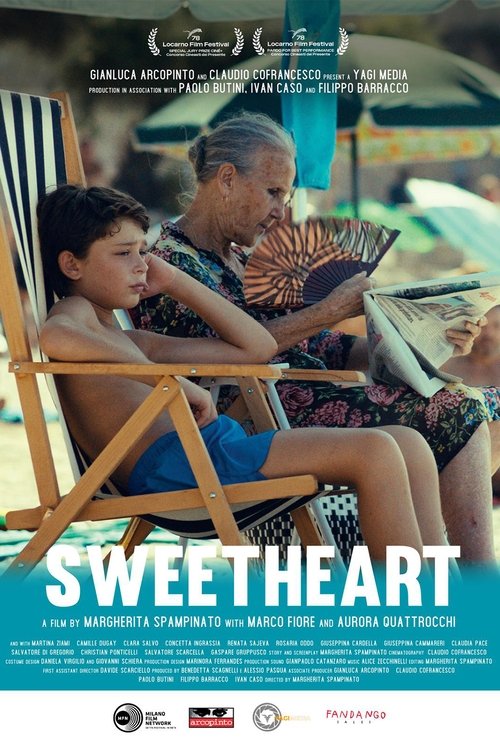
A reluctant summer together transforms into an enchanting adventure when a young boy discovers his aunt's mysterious Sicilian house holds secrets and, perhaps, ancient spirits lurking within its walls.
Sweetheart

Jude est Américain, Mina Italienne. Ils se rencontrent à New York, tombent fous amoureux et se marient. Lorsque Mina tombe enceinte, une nouvelle vie s’offre à eux. Mais l’arrivée du bébé bouleverse leur relation. Mina, persuadée que son enfant est unique, le protège de façon obsessionnelle du monde extérieur. Jude, par amour, respecte sa position jusqu’à ce qu’il comprenne que Mina commence à perdre contact avec la réalité.
Hungry Hearts
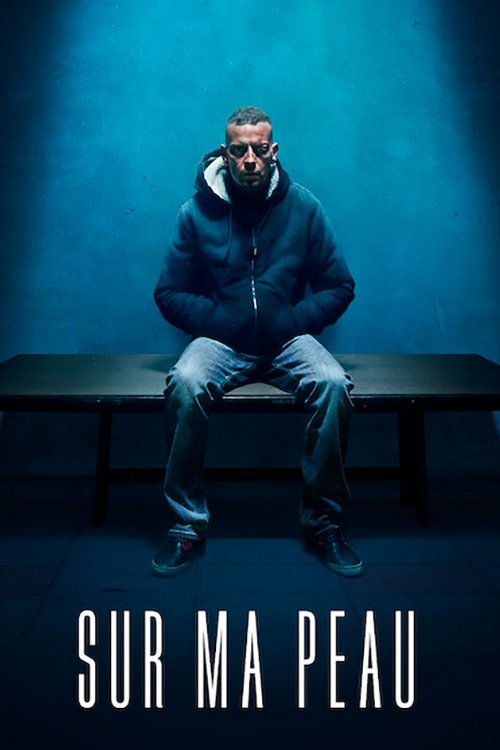
Arrêté à Rome pour un délit lié à la drogue, Stefano Cucchi subit une terrible semaine de détention qui marque sa famille pour toujours.
Sur ma peau
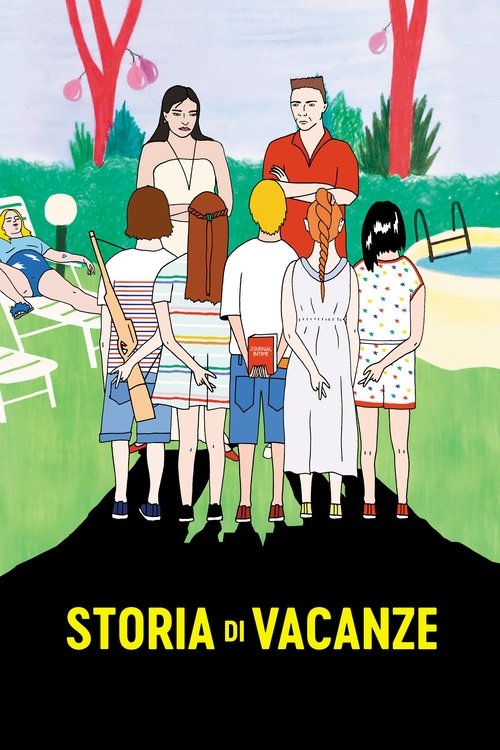
La chaleur de l'été annonce les vacances prochaines pour les familles de cette paisible banlieue pavillonnaire des environs de Rome. Des familles joyeuses, qui parviennent à créer l'illusion de vraies vacances malgré leurs faibles moyens. Des familles normales. Enfin presque. Car leurs enfants vont bientôt pulvériser le fragile vernis des apparences…
Storia di vacanze

Dans les grands salons d’une ancienne villa marquée par le temps, Anna, touchée par un deuil soudain, passe ses journées dans la solitude. La campagne sicilienne, sauvage et d’une grande beauté, entoure la maison et l’isole tandis que le brouillard se lève lentement sur les flancs de l’Etna. Seuls les pas de Pietro, l’homme à tout faire, rompent le silence. A l’improviste arrive Jeanne, la petite amie de Giuseppe, le fils d’Anna, qu’il a invitée à venir passer quelques jours en Sicile. Anna ignorait l’existence de Jeanne et Giuseppe est absent. Il va revenir bientôt, très bientôt..... c’est ce que dit Anna à Jeanne. Les jours passent, les deux femmes apprennent lentement à se connaître et attendent ensemble le jour de Pâques, où Giuseppe rentrera pour la procession.
L'Attente

Gabriele Santoro is a Professor of Pianoforte at the Music Conservatory San Pietro a Majella who lives in a working-class area of the city. One morning, while shaving his beard, the postman buzzes at the intercom to tell him he has a package. Gabriele opens the door and, before greeting him, runs to rinse his face. In that short space of time, a ten-year-old child slips into his apartment and hides away. “The maestro” – as he’s called in his neighbourhood – only notices the stowaway late at night. And when he sees him, he recognises the intruder as Ciro, a child who lives with his parents and siblings on the top floor of his building. When asked why he has fled his home, Ciro refuses to speak. Nevertheless, the maestro instinctively decides to hide him in his home, setting Ciro’s enemies a uniquely difficult challenge.
The Hidden Child
Avis & Notes
Connectez-vous pour donner votre avis
Partagez votre opinion avec la communauté.