Synopsis
You might also like
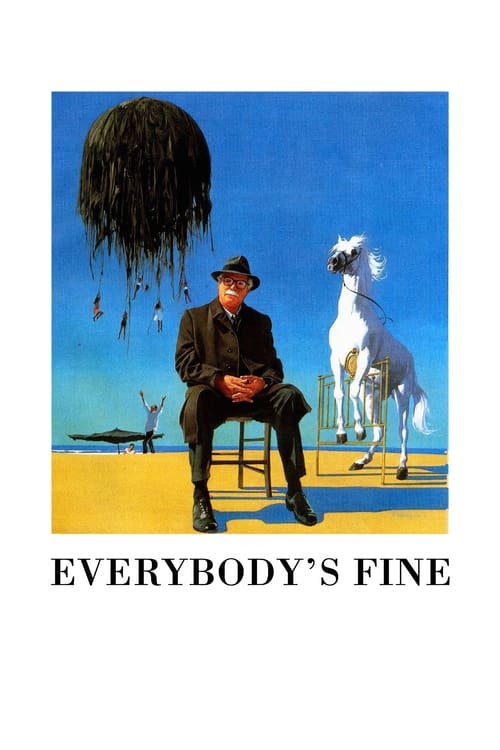
Matteo Scuro is a retired Sicilian bureaucrat, a widower with five children, all of whom live on the mainland and hold responsible jobs. He decides to surprise each with a visit and finds none as he imagined.
Everybody's Fine

A young Roman woman during the 1950s is on the verge of becoming engaged to a man. She goes to Cinecittà to do an audition as an extra and is thrust into this almost infinite night during which she discovers herself.
Finally Dawn

Internationally released Director's Cut of "Loro 1" and "Loro 2", which were released separately as two movies in Italy. The film talks about the group of businessmen and politicians – the Loro (Them) from the title – who live and act near to media tycoon and politician Silvio Berlusconi in the years between 2006 and 2009.
Loro
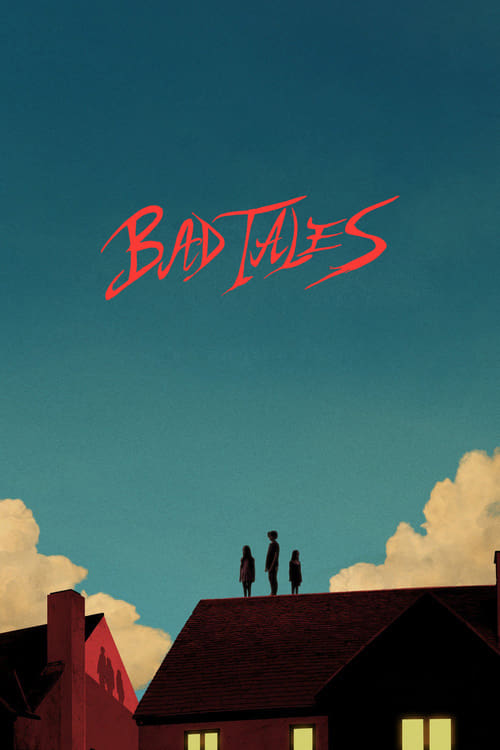
In a small suburb on the outskirts of Rome, the cheerful heat of summer camouflages a stifling atmosphere of alienation. From a distance, the families seem normal, but it’s an illusion: in the houses, courtyards and gardens, silence shrouds the subtle sadism of the fathers, the passivity of the mothers and the guilty indifference of adults. But it’s the desperation and repressed rage of the children that will explode and cut through this grotesque façade, with devastating consequences for the entire community.
Bad Tales

An aimless young man who is scalping tickets, gambling and drinking, agrees to coach a Little League team from the Cabrini Green housing project in Chicago as a condition of getting a loan from a friend.
Hardball
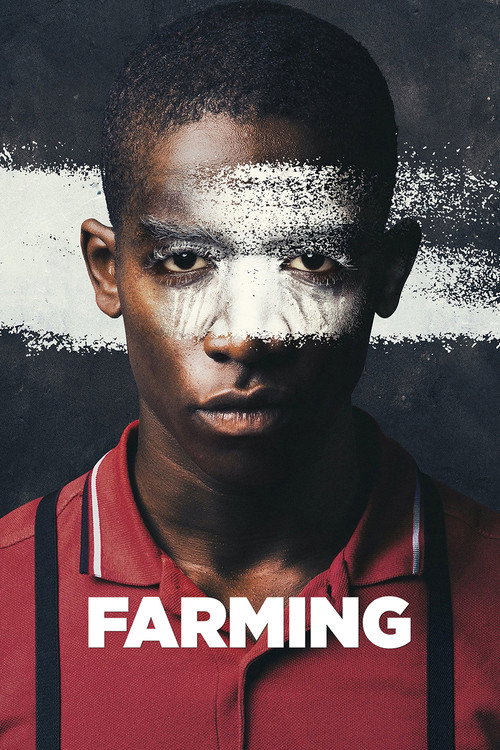
Based on the writer/director's childhood, FARMING tells the story of a young Nigerian boy, 'farmed out' by his parents to a white British family in the hope of a better future. Instead, he becomes the feared leader of a white skinhead gang.
Farming
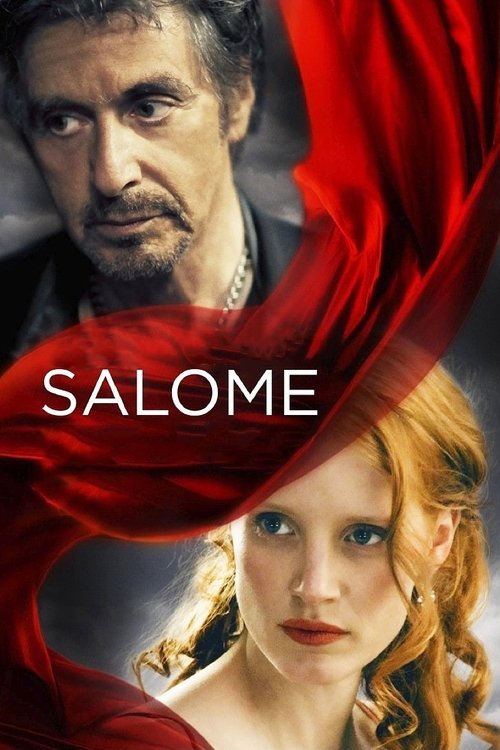
After the lewd and frenetic Dance of the Seven Veils, and with the solemn pledge from the very lips of Herod himself that she could have whatever her heart desires up to half his kingdom, wanton and proud young Salomé comes before her king with an unreasonable demand. Beguiled by John the Baptist, and then scorned for the sake of his god, lascivious Salomé—encouraged by her mother, the vindictive, Herodias—commands that John be executed and his head delivered on a silver platter.
Salomé

Gabriele Santoro is a Professor of Pianoforte at the Music Conservatory San Pietro a Majella who lives in a working-class area of the city. One morning, while shaving his beard, the postman buzzes at the intercom to tell him he has a package. Gabriele opens the door and, before greeting him, runs to rinse his face. In that short space of time, a ten-year-old child slips into his apartment and hides away. “The maestro” – as he’s called in his neighbourhood – only notices the stowaway late at night. And when he sees him, he recognises the intruder as Ciro, a child who lives with his parents and siblings on the top floor of his building. When asked why he has fled his home, Ciro refuses to speak. Nevertheless, the maestro instinctively decides to hide him in his home, setting Ciro’s enemies a uniquely difficult challenge.
The Hidden Child

Fiore, an Italian conman, arrives in post Communist Albania with Gino, his young apprentice, to set up a shoe factory that will never open. The con requires a native Albanian, so they designate Spiro, an impoverished and confused former political prisoner as chairman of the board. When Fiore returns to Italy to get government funds for the project, Spiro unexpectedly disappears and Gino sets out on a journey to find him. The search leads him to discover Spiro's tragic personal history and witness Albanian poverty firsthand.
Lamerica
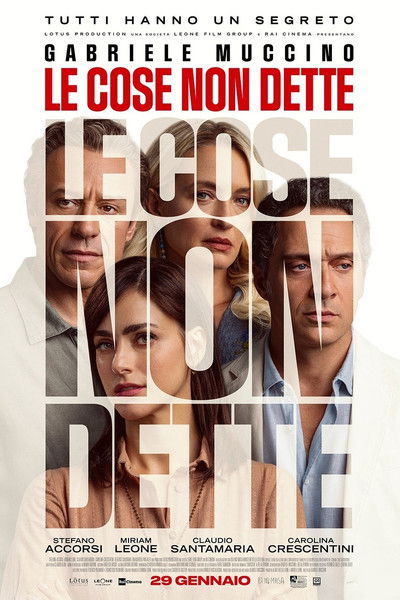
Carlo and Elisa are a successful couple. He’s a university professor and writer facing a creative block; she’s a brilliant, sharp-witted journalist, known for her internationally published editorials. They live in Rome, moving between accomplishments and routine, affection and something that might be fading. In search of new energy, they travel to Morocco with their lifelong friends, Anna and Paolo, and their thirteen-year-old daughter Vittoria—bright, curious, a little eccentric. Tensions soon rise.
Things Unspoken

"Loro", in two parts, is a period movie that chronicles, as a fiction story, events likely happened in Italy (or even made up) between 2006 and 2010. "Loro" wants to suggest in portraits and glimps, through a composite constellation of characters, a moment in history, now definitively ended, which can be described in a very summary picture of the events as amoral, decadent but extraordinarily alive. Additionally, "Loro" wishes to tell the story of some Italians, fresh and ancient people at the same time: souls from a modern imaginary Purgatory who, moved by heterogeneous intents like ambition, admiration, affection, curiosity, personal interests, establish to try and orbit around the walking Paradise that is the man named Silvio Berlusconi.
Loro 2

Matteo is a young successful businessman, audacious, charming and energetic. Ettore instead, is a calm, righteous, second grade teacher always living in the shadows, still in the small town from where both come from. They’re brothers but with two very different personalities. A dramatic event will force them to live together in Rome for a few months, bringing up the opportunity to face their differences with sympathy and tenderness, in a climax of fear and euphoria.
Euphoria

Dr. Alan Stone breaks new ground for treatment of the mentally ill through an experiment on three paranoid schizophrenic patients who believe they are Jesus Christ.
Three Christs

The death of a wealthy patriarch in 1885 sets off an interfamily power struggle. Son Ferdinando buys out his other relatives in order to gain full control over the dead man's property. But Ferdinando's nephew Amerigo holds out. Amerigo's stance is weakened when he heads for Florence and meets prostitute Bianca.
The Lovemakers

Margherita, a director in the middle of an existential crisis, has to deal with the inevitable and still unacceptable loss of her mother.
Mia madre

Drama telling the story of Blue, a young man of Jamaican descent living in Brixton in 1980, as he hangs out with his friends, fronts a dub sound system, loses his job, struggles with family problems and has his friendships tested by racism.
Babylon

An uninterrupted rehearsal of Chekhov's 'Uncle Vanya' plays out by a company of actors. The setting: their run-down theater with an unusable stage and crumbling ceiling. The play is shown act by act with the briefest of breaks to move props or for refreshments. The lack of costumes, real props and scenery is soon forgotten.
Vanya on 42nd Street
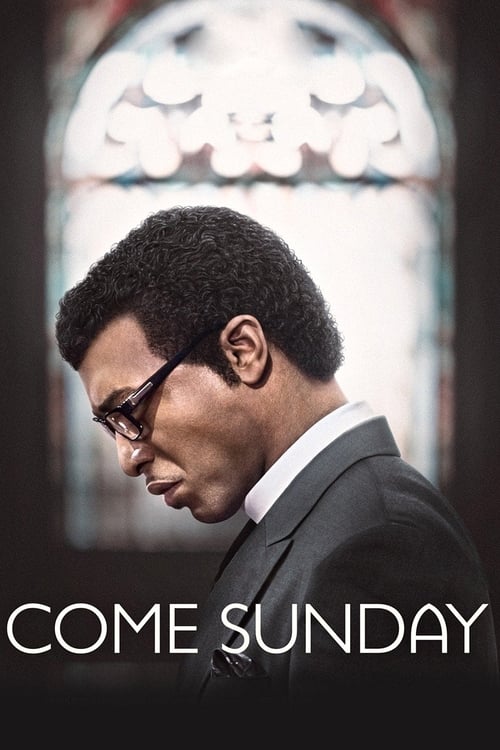
Evangelist Carlton Pearson is ostracized by his church for preaching that there is no Hell.
Come Sunday
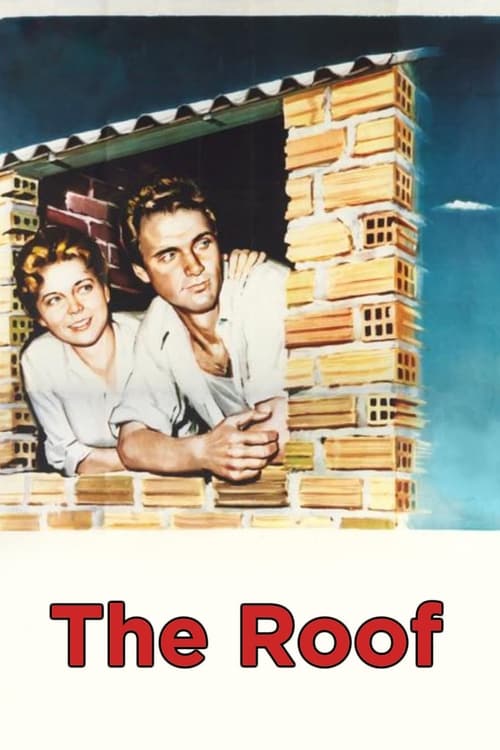
Under provincial Italian law at the time, once a roof is erected, the occupants cannot be evicted from a building. This comedy follows the efforts of a family to erect the roof on a house overnight so that a newlywed couple can have their own home.
The Roof

Gentle and broken, a homeless man fights others on video for money but soon finds comfort in an unlikely friend and the lost diary of a young girl.