Cinématon n°2022 : Pierre-Richard Bré
Synopsis
- Réalisateur
- Gérard Courant
- Langue originale
- français
- Pays
- France
Casting Principal
Vous aimerez aussi
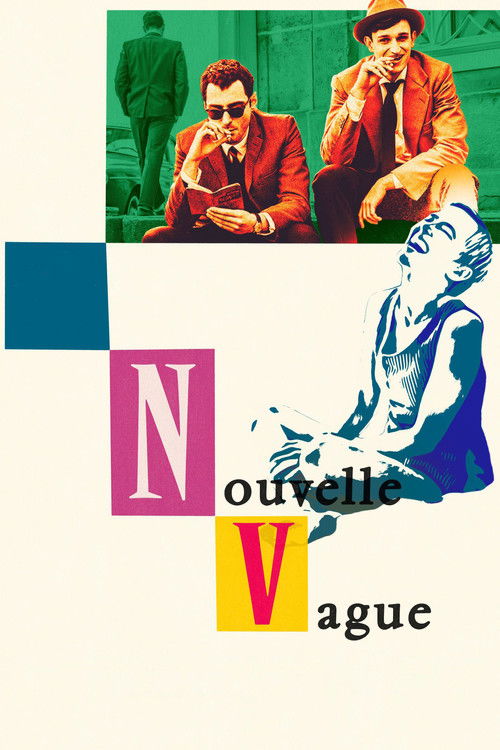
Ceci est l’histoire de Godard tournant « À bout de souffle », racontée dans le style et l’esprit de Godard tournant « À bout de souffle ».
Nouvelle Vague
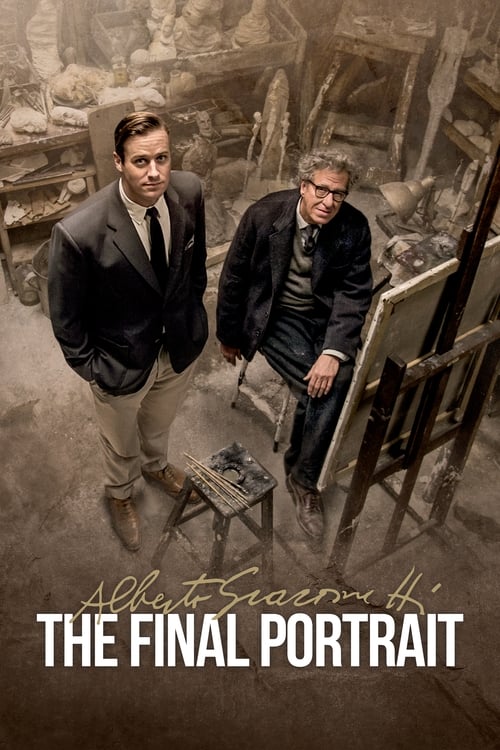
Paris, 1964, Alberto Giacometti, un des plus grands maîtres de l'art du XXème siècle, invite son ami, l’écrivain américain James Lord , à poser pour un portrait. Flatté et intrigué, James accepte. Cela ne devait prendre que quelques jours mais c'était sans compter sur le perfectionnisme et l'exigence du processus artistique de Giacometti…
Alberto Giacometti : The Final Portrait
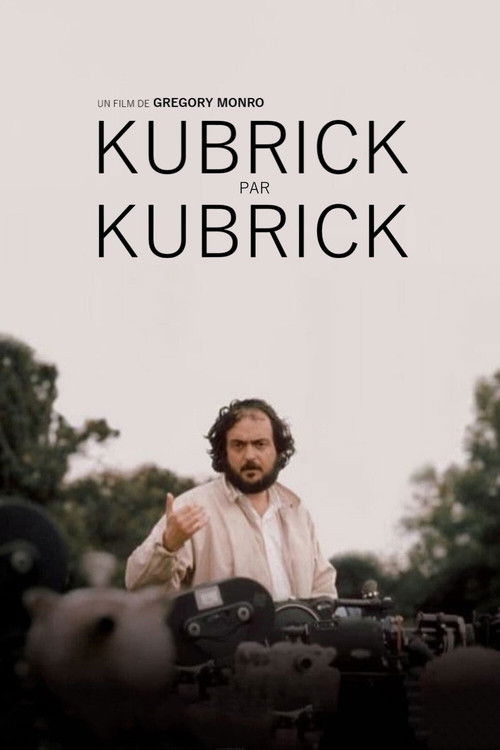
Le cinéaste américain Stanley Kubrick (1928-1999), l'un des plus grands de l'histoire, mais aussi l'un des plus réservés, a accordé peu d'interviews tout au long de sa longue carrière, et aucune d'entre elles n'a été filmée. Un voyage à la première personne à travers sa vie et son œuvre, basé sur une conversation enregistrée avec le critique de cinéma français Michel Climent.
Kubrick par Kubrick
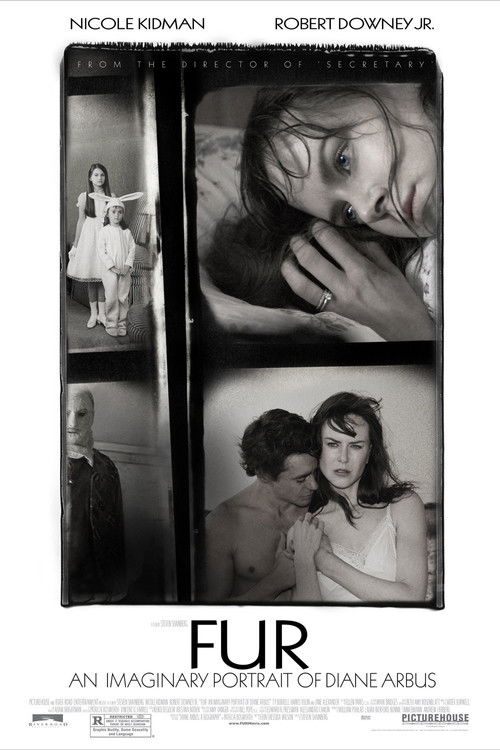
New York, fin des années 50.Diane Arbus est l'assistante de son mari, un photographe de mode réputé. Issue d'une riche famille, elle se sent de plus en plus mal à l'aise dans un monde de convenances rigides où seules les apparences comptent.Un soir, elle remarque des déménageurs qui livrent des meubles et des objets étranges dans l'appartement du dessus. Lorsqu'elle aperçoit son voisin, le mystère s'épaissit encore : enveloppé d'un long manteau, il porte un chapeau et dissimule son visage derrière un masque. Seuls ses yeux sont visibles, et le regard que Diane croise ne fait que la fasciner un peu plus...Irrésistiblement attirée, Diane finit par monter chez l'homme avec un appareil photo. Sa rencontre avec Lionel va l'entraîner dans une incroyable aventure à la découverte d'univers mystérieux, dans une relation intime qui va transformer sa vie et son art pour toujours...
Fur : Un portrait imaginaire de Diane Arbus
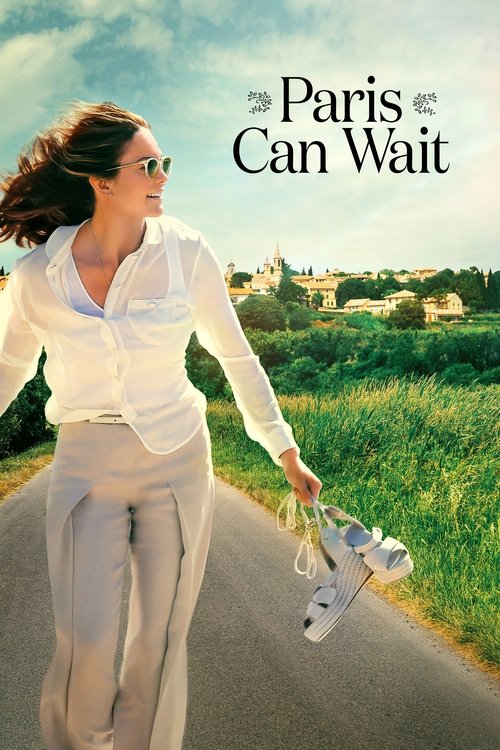
Anne accompagne Michael, son mari, un producteur de films très influent, au Festival de Cannes. Alors qu'ils ont prévu de rejoindre Paris à la fin du festival, Anne, qui a contracté une infection, ne peut prendre l'avion. Jacques, le frère de Michael, lui propose alors de la déposer en voiture. Mais ce qui devait être un rapide trajet se transforme en véritable périple.
Paris peut attendre
La Sortie de l'usine Lumière à Lyon est un film français réalisé par Louis Lumière, sorti en 1895, qui existe en au moins trois versions, dont l'une fait partie des dix films montrés au Salon indien du Grand Café à partir du 28 décembre 1895. Cette "vue Lumière", qualifiée non sans humour par l'historien du cinéma Georges Sadoul comme étant "presque une bande publicitaire", est considérée par de nombreux historiens du cinéma comme le premier film de l'Histoire.
La Sortie de l'usine Lumière à Lyon
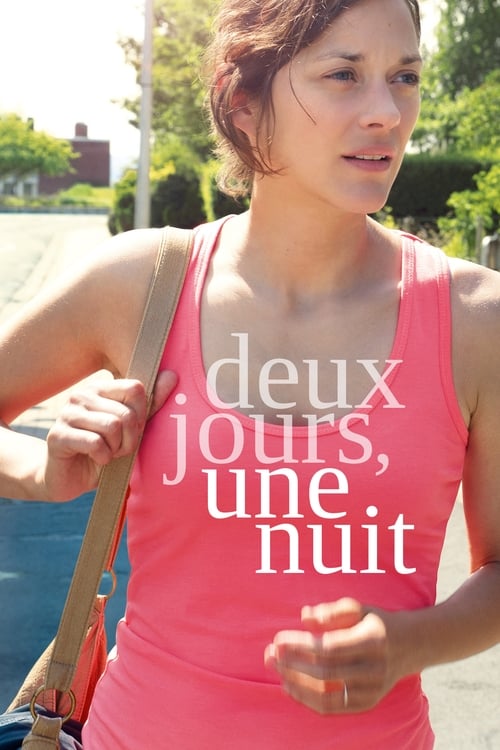
Sandra, aidée par son mari, n’a qu’un week-end pour aller voir ses collègues et les convaincre de renoncer à leur prime pour qu’elle puisse garder son travail.
Deux jours, une nuit
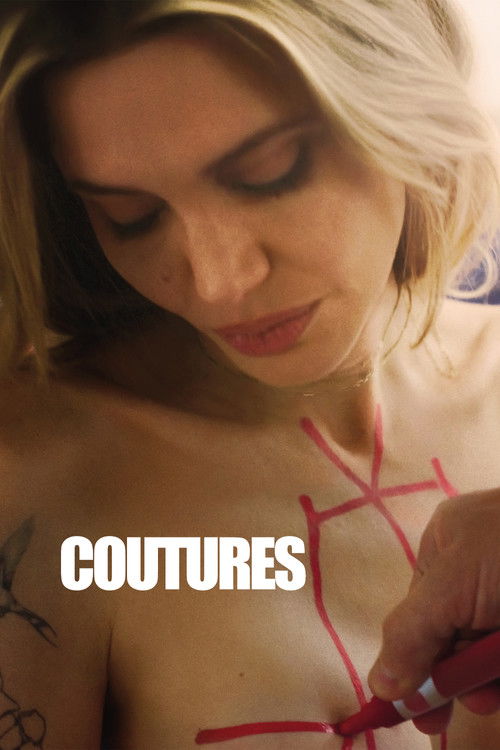
À Paris, dans le tumulte de la Fashion Week, Maxine, une réalisatrice américaine apprend une nouvelle qui va bouleverser sa vie. Elle croise alors le chemin d’Ada, une jeune mannequin Sud‐Soudanaise ayant quitté son pays, et Angèle, une maquilleuse française aspirant à une autre vie. Entre ces trois femmes aux horizons pourtant si différents se tisse une solidarité insoupçonnée. Sous le vernis glamour se révèle une forme de révolte silencieuse : celle de femmes qui recousent, chacune à sa manière, les fils de leur propre histoire.
Coutures

Cléo, belle et chanteuse, attend les résultats d'une analyse médicale. De la superstition à la peur, de la rue de Rivoli au Café de Dôme, de la coquetterie à l'angoisse, de chez elle au Parc Montsouris, Cléo vit quatre-vingt-dix minutes particulières. Son amant, son musicien, une amie puis un soldat lui ouvrent les yeux sur le monde.
Cléo de 5 à 7
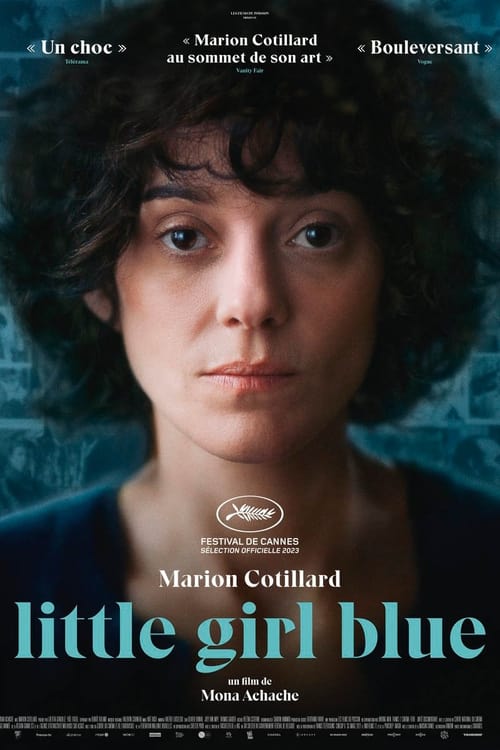
À la mort de sa mère, Mona Achache découvre des milliers de photos, de lettres et d’enregistrements, mais ces secrets enfouis résistent à l’énigme de sa disparition. Alors par la puissance du cinéma et la grâce de l’incarnation, elle décide de la ressusciter pour rejouer sa vie et la comprendre.
Little Girl Blue
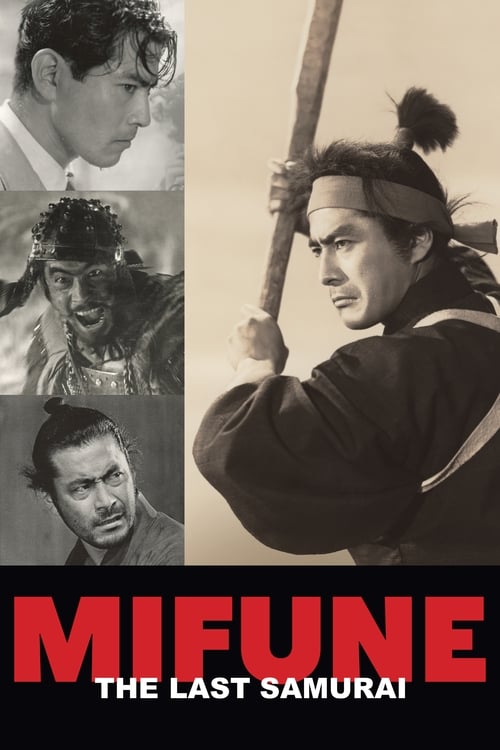
Un récit de la vie et de l'œuvre du légendaire acteur japonais Toshirō Mifune (1920-97), l'acteur le plus en vue de l'âge d'or du cinéma japonais.
Mifune, le dernier des samouraï

Génération AMOUR... Au fil des quartiers, des histoires d’amour passager, voilé, mimé, vampirisé, malmené ou révélé... Un Pari(s) moderne émouvant et drôle, un film plein de vie(s) sur le thème de l’Amour.
Paris, je t'aime

En 1974, le réalisateur franco-chilien Alejandro Jodorowsky se lance dans le projet chimérique d'adapter au grand écran le roman influent de Frank Herbert, « Dune » (1969). Après avoir investi deux ans et des millions de dollars, ce projet gigantesque se solde par un échec ; mais les artistes réunis par Jodorowsky pour le mener à bien continuent à travailler ensemble et finissent par jeter les bases du cinéma de science-fiction moderne.
Jodorowsky's Dune
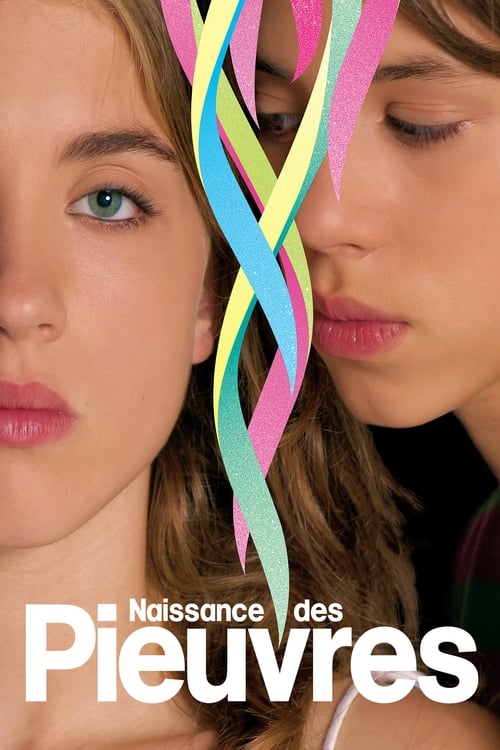
L'été quand on a 15 ans il n'y a rien à faire si ce n'est regarder le plafond. Elles sont trois : Marie, Anne, Floriane. Dans le secret des vestiaires, leurs destins se croisent et le désir surgit. Si les premières fois sont inoubliables c'est parce qu'elles n'ont pas de lois.
Naissance des pieuvres
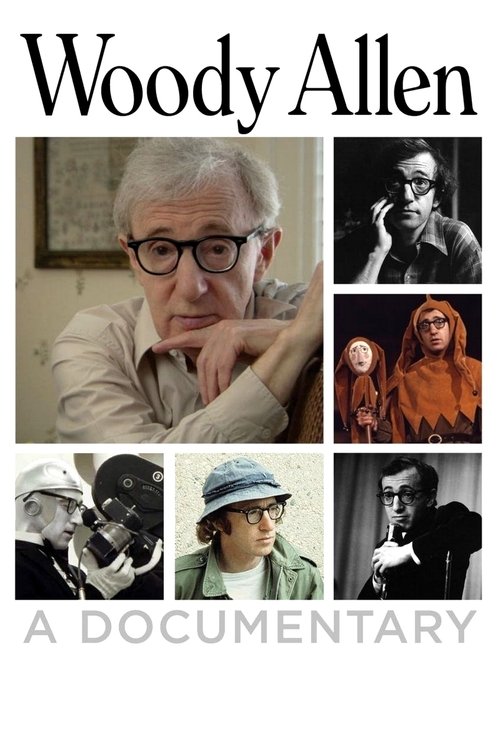
Un portrait intense de l'emblématique cinéaste, écrivain, acteur, comédien et musicien Woody Allen : sa vie, sa famille et ses amis ; ses habitudes d'écriture et de réalisation, et sa relation avec les artistes.
Woody Allen - A Documentary
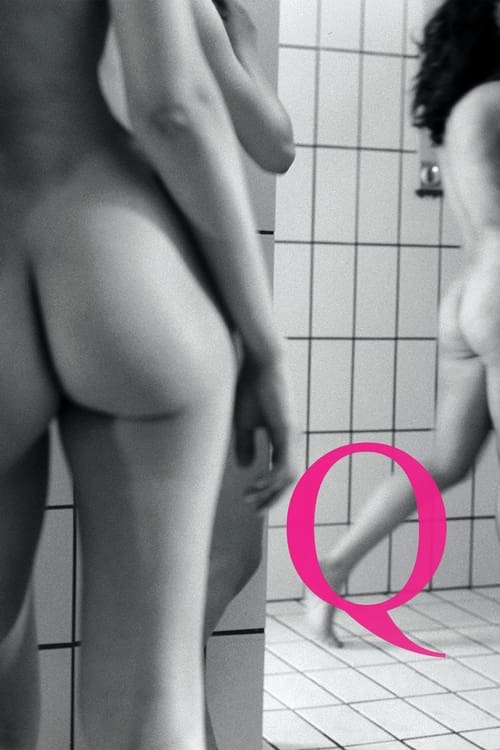
A la mort de son père, Cécile 20 ans, quelque peu désemparée, cherche un réconfort auprès de ses amies. Ses amours, au hasard de rencontres, ont parfois un goût amer. Alice, incomprise par sa mère, rêve d’une grande histoire d’amour. Mais Matt, le garçon qu’elle voit en cachette, est plutôt volage. Virginie aime profondément son mari mais sa vie intime semble perturbée. 3 histoires et 3 destins qui ne devaient pas se rejoindre…
Q
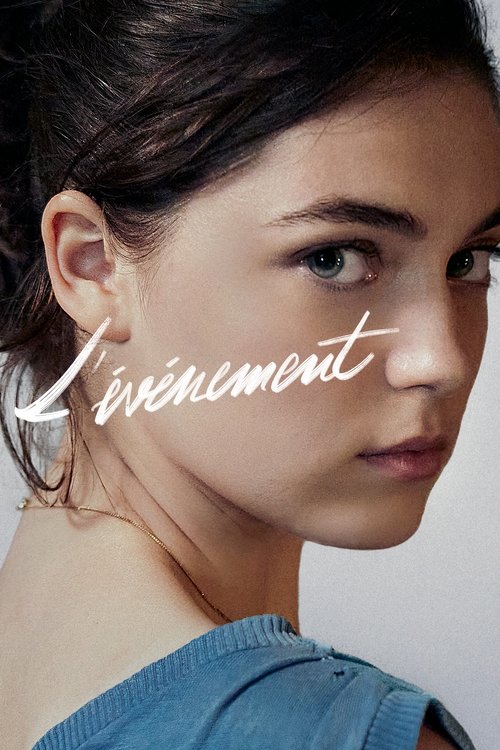
L’histoire d’Anne, très jeune femme qui décide d’avorter afin de finir ses études et d’échapper au destin social de sa famille prolétaire. L’histoire de la France en 1963, d’une société qui condamne le désir des femmes, et le sexe en général. Une histoire simple et dure retraçant le chemin de qui décide d’agir contre la loi. Anne a peu de temps devant elle, les examens approchent, son ventre s’arrondit…
L'Événement

Une scène au jardin de Roundhay est un essai de film, tenté en 1888 par l'inventeur français Louis Le Prince. Ne comportant que des photographies fixes obtenues par un procédé de chronophotographie, cette tentative n'a jamais pu être visionnée en mouvement. En 1930, les photographies ont été reproduites sur film 35 mm par le procédé du banc-titre, reconstituant ainsi le mouvement que Le Prince n'avait pas réussi à voir. Le titre lui a été donné à cette époque, aucun titre proposé par Le Prince n'ayant été retrouvé avec les photographies. Il est parfois considéré, rétrospectivement, comme le premier film à avoir été tourné.
Une scène au jardin de Roundhay
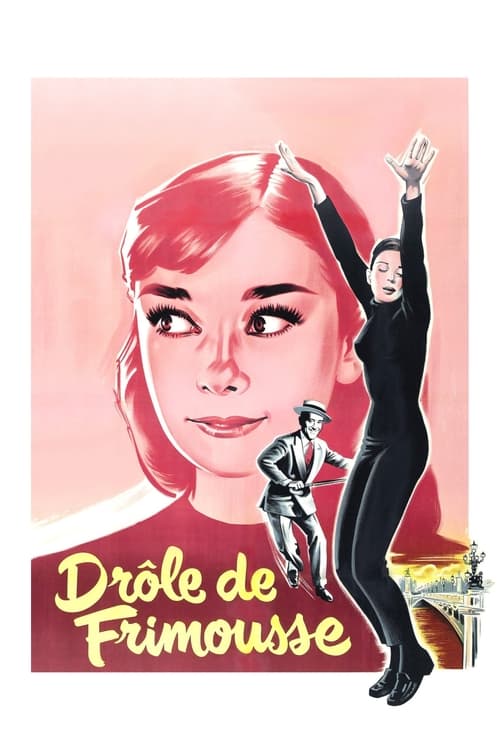
Une jeune libraire du village new-yorkais, adepte de l'empathie, se voit propulsée, par un journal, à Paris pour présenter la collection d'un grand couturier. Là elle rencontre le grand maître « empathicaliste » qui ne reste pas insensible à ses charmes tandis que le photographe du journal la poursuit de ses assiduités. Une musique de Gershwin pour cette suave comédie musicale qui propose un Paris très hollywoodien.
Drôle de Frimousse

Il était une fois un garçon, élevé dans un garage où tout le monde aimait chanter. C'était en 1939, il avait 8 ans, il aimait les marionnettes et les opérettes. Puis il a voulu faire du cinéma mais son père lui a fait étudier la mécanique. C'est de Jacques Demy qu'il s'agit et de ses souvenirs. C'est une enfance heureuse qui nous est contée, malgré les évènements de la guerre et de l'après-guerre.
Jacquot de Nantes
Avis & Notes
Connectez-vous pour donner votre avis
Partagez votre opinion avec la communauté.