Fidschi
Synopsis
You might also like

When Ruth's husband dies in New York, in 2000, she imposes strict Jewish mourning, which puzzles her children. A stranger comes to the house - Ruth's cousin - with a picture of Ruth, age 8, in Berlin, with a woman the cousin says helped Ruth escape. Hannah, Ruth's daughter engaged to a gentile, goes to Berlin to find the woman, Lena Fisher, now 90. Posing as a journalist investigating intermarriage, Hannah interviews Lena who tells the story of a week in 1943 when the Jewish husbands of Aryan women were detained in a building on Rosenstrasse. The women gather daily for word of their husbands. The film goes back and forth to tell Ruth and Lena's story. How will it affect Hannah?
Rosenstrasse
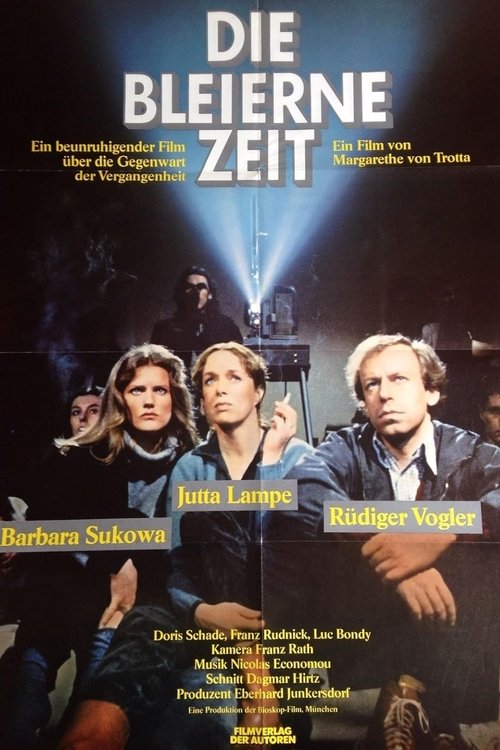
Germany, 1968: The priest's daughters Marianna and Juliane both fight for changes in society, like making abortion legal. However their means are totally different: while Juliane's committed as a reporter, her sister joins a terroristic organization. After she's caught by the police and put into isolation jail, Juliane remains as her last connection to the rest of the world. Although she doesn't accept her sister's arguments and her boyfriend Wolfgang doesn't want her to, Juliane keeps on helping her sister. She begins to question the way her sister is treated.
Marianne and Juliane

Set in a warm summer in 1990 in former East Germany, it follows a young woman who begins a relationship with a charismatic farmer who is twice her age.
Someday We'll Tell Each Other Everything

On 24th August 1992 in the eastern German city of Rostock, a rampaging mob, to the applause and cheering of more than 3,000 bystanders, besieged and set fire to a residential building containing, among others, more than 120 Vietnamese men, women, and children on what has since become known as "The Night of the Fire." The riots became a symbol of xenophobia in the just-reunited Germany. This film recounts the incident from the perspectives of three very different characters.
We Are Young. We Are Strong.
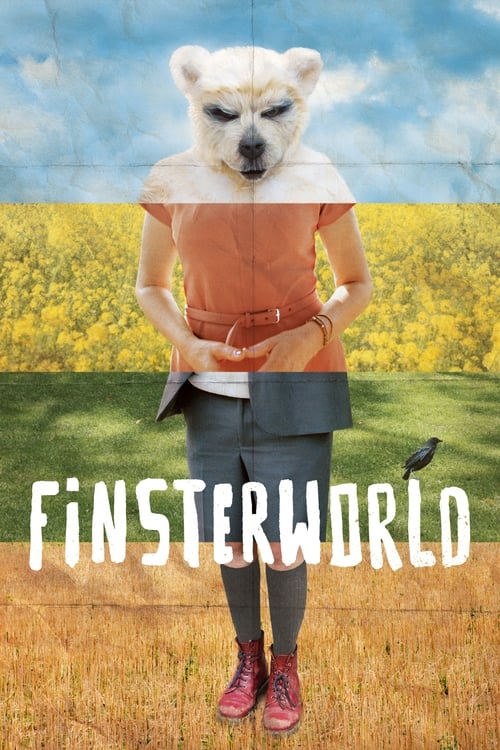
The film tells different stories in a kind of parallel Germany about love, affection and hatred.
Finsterworld
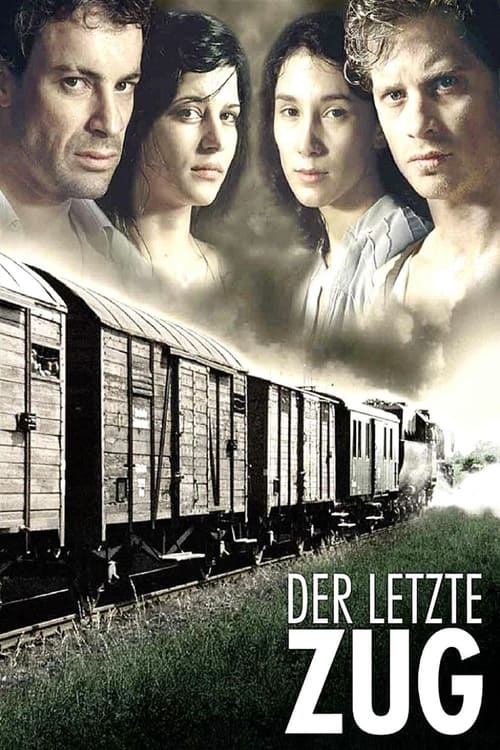
A group of people are imprisoned in a rail car bound from Berlin to a concentration camp in 1945.
The Last Train

When loyalty to country becomes loyalty to a lie, one teen risks everything to expose the truth. With the Gestapo closing in, he must decide what it really means to be a good German.
Truth & Treason
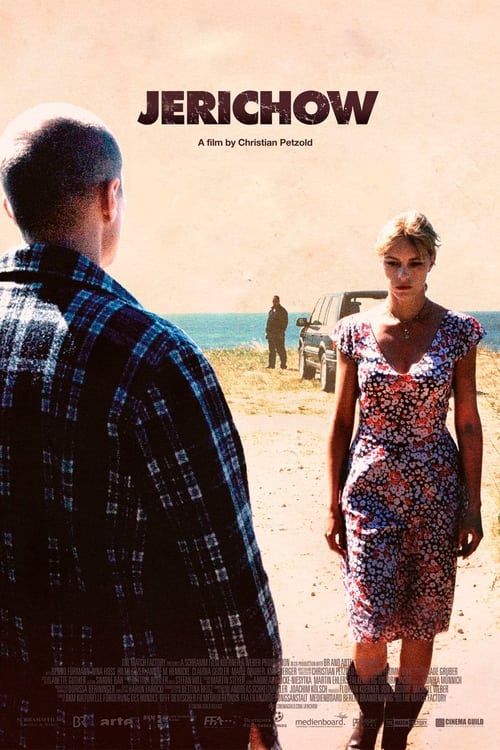
In a small Northern German town, a dishonourably discharged Afghanistan veteran is offered a job as a deliveryman by an alcoholic Turkish entrepreneur, through which the former meets the latter's gorgeous wife.
Jerichow

Young teen girl Xiu Xiu is sent away to a remote corner of the Sichuan steppes for manual labor in 1975 (sending young people to there was a part of Cultural Revolution in China). A year later, she agrees to go to even more remote spot with a Tibetan saddle tramp Lao Jin to learn horse herding.
Xiu Xiu: The Sent-Down Girl
When John Halder's latest novel is enlisted by powerful political figures in the Nazi party to push their agenda, his career and social standing instantly advance. But after learning of the Reich's horrific plans for the future and the devastating effects they will have on people close to him, John must decide whether or not to take a stand and risk losing everything.
Good

After being abandoned by their Nazi parents at the end of World War II, five German siblings embark on a harrowing journey across their war-torn country. Led by the eldest, 14 year-old Lore, the children are forced to confront their parents’ actions and the reality of a new world.
Lore
Former East Germany, 1992. Patrick Stein and Markus Bach, two very different police officers, are commissioned to investigate the disappearance of two female teenagers in a remote area of the country. Did they run away from home or did something more terrible happen to them?
Free Country

A troubled young woman becomes obsessed with her mysterious new neighbor, who bears a striking resemblance to the girl's dead mother.
The Truth About Emanuel
In a small North German village a drama played out during and shortly after the Second World War about duty versus individual conscience and morality.
The German Lesson

Polish socialist and Marxist Rosa Luxemburg works tirelessly in the service of revolution in early 20th century Poland and Germany. While Luxemburg campaigns for her beliefs, she is repeatedly imprisoned as she forms the Spartacist League offering a new vision for Germany.
Rosa Luxemburg

Marisa, a 20-year-old German girl, hates foreigners, Jews, cops, and everyone she finds guilty for the decline of her country. She provokes, drinks, fights and her next tattoo will be a portrait of Adolf Hitler. But Marisa's convictions begin to crumble when she meets a young Afghan refugee, and she learns that the black and white principles of her gang are not the only way.
Combat Girls

1981, Quiberon, a small village on the coast of Brittany, France. Hilde Fritsch arrives to visit her old friend who has retreated to a spa hotel to escape the daily pressures of her life. Her friend is world-famous star Romy Schneider, but together, they appear like two regular women who are just happy to be reunited. Yet it quickly becomes apparent that Hilde is supposed to offer the support the sensitive actress needs to be able to truly face her own demons.
3 Days in Quiberon

In 1980s East Germany, Berlin doctor Barbara is banished to a country medical clinic for applying for an exit visa. Deeply unhappy with her reassignment and fearful of her co-workers as possible Stasi informants, Barbara stays aloof, especially from the good-natured clinic head, Andre.
Barbara

In postwar Germany, an American psychiatrist must determine whether Nazi prisoners are fit to go on trial for war crimes, and finds himself in a complex battle of intellect and ethics with Hermann Göring, Hitler's right-hand man.
Nuremberg
The film follows Kaspar Hauser, who lived the first seventeen years of his life chained in a tiny cellar with only a toy horse to occupy his time, devoid of all human contact except for a man who wears a black overcoat and top hat who feeds him.