Synopsis
You might also like
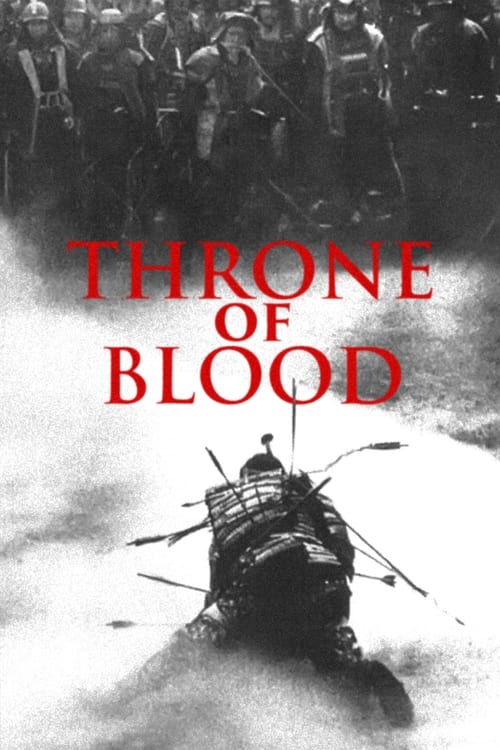
Returning to their lord's castle, samurai warriors Washizu and Miki are waylaid by a spirit who predicts their futures. When the first part of the spirit's prophecy comes true, Washizu's scheming wife, Asaji, presses him to speed up the rest of the spirit's prophecy by murdering his lord and usurping his place. Director Akira Kurosawa's resetting of William Shakespeare's "Macbeth" in feudal Japan is one of his most acclaimed films.
Throne of Blood
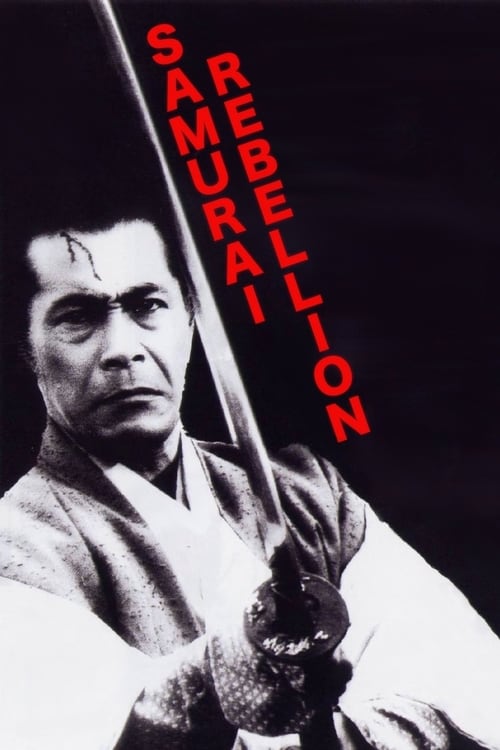
The mother of a feudal lord's only heir is kidnapped by the lord. Her husband and his samurai father must decide whether to accept the unjust decision, or risk death to rescue her.
Samurai Rebellion
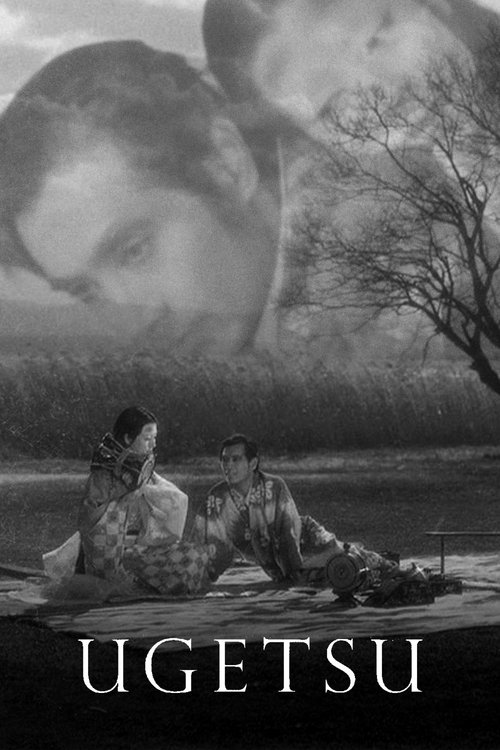
In 16th century Japan, peasants Genjuro and Tobei sell their earthenware pots to a group of soldiers in a nearby village, in defiance of a local sage's warning against seeking to profit from warfare. Genjuro's pursuit of both riches and the mysterious Lady Wakasa, as well as Tobei's desire to become a samurai, run the risk of destroying both themselves and their wives, Miyagi and Ohama.
Ugetsu

Japan, 1860. The men of the Mito clan, victims of the Ansei purge, anxiously prowl around the Sakurada Gate of Edo Castle with the intention of assassinating Naosuke Ii of Hikone, tairō of the Tokugawa shogunate and responsible for their misfortune.
Samurai Assassin
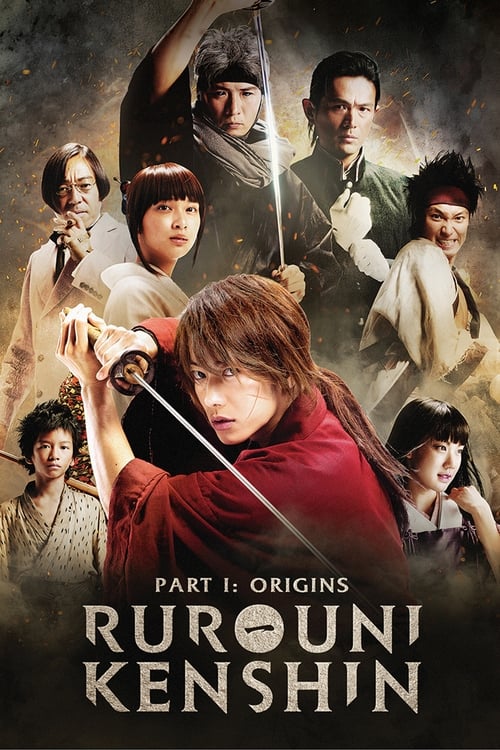
In 1868, after the Bakumatsu war ends, the ex-assassin Kenshin Himura traverses Japan with an inverted sword, to defend the needy without killing.
Rurouni Kenshin Part I: Origins
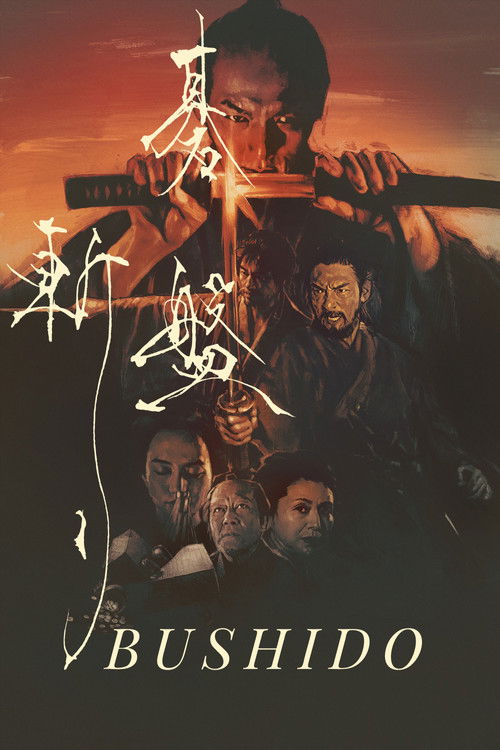
Kakunoshin, renowned for his skills with a sword and in the game of go, embodies the samurai code. Falsely accused of a theft, he is forced to become a lowly ronin. Years later, when a case of missing gold pulls him into a new web of intrigue, Kakunoshin uncovers the truth behind his downfall. With the real culprit exposed, the go board flips, and a hellstorm of righteous vengeance follows.
Bushido
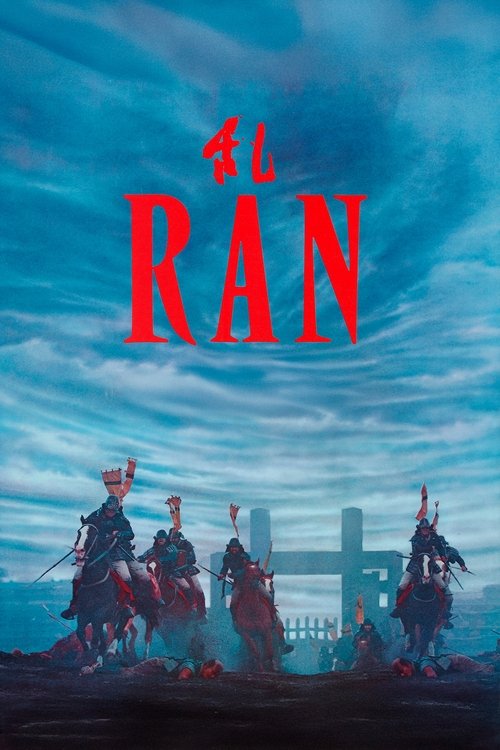
Shakespeare's King Lear is reimagined as a singular historical epic set in sixteenth-century Japan where an aging warlord divides his kingdom between his three sons.
Ran
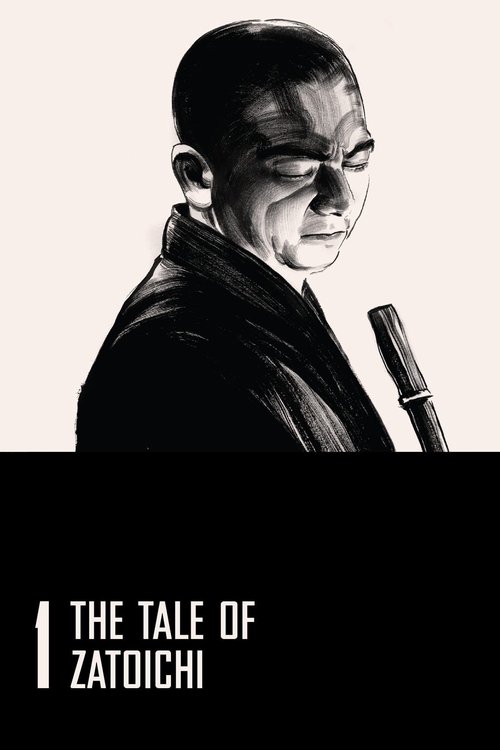
The adventures of a blind, gambling masseur and master swordsman. Zatoichi targets a yakuza-controlled village, because war with a neighbouring town's smaller gang is brewing.
The Tale of Zatoichi

A cursed dancer and a blind musician — both ostracized by society — become business partners and inseparable friends as their larger-than-life concerts propel them to stardom in 14th century Japan.
Inu-Oh

Shishio sets sail in his ironclad ship to bring down the government. In order to stop him, Kenshin trains with his old master to learn his final technique.
Rurouni Kenshin Part III: The Legend Ends
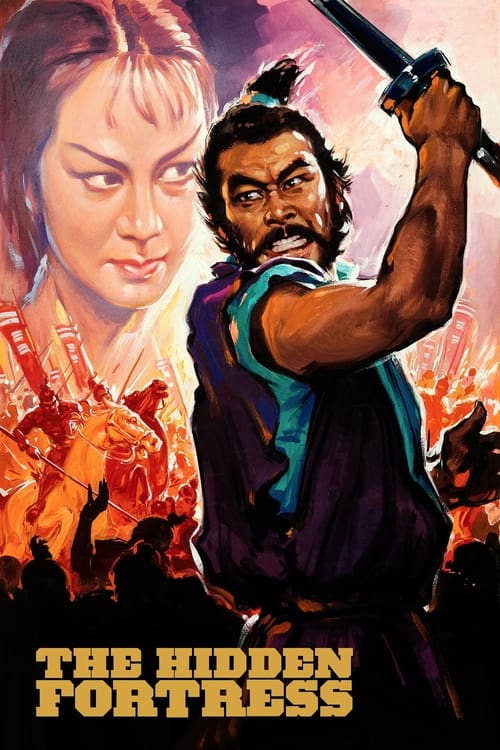
In feudal Japan, during a bloody war between clans, two cowardly and greedy peasants, soldiers of a defeated army, stumble upon a mysterious man who guides them to a fortress hidden in the mountains.
The Hidden Fortress

The background to and depiction of a watershed battle in Japanese history, at Sekigahara in 1600, when Tokugawa Ieyasu's Army of the East defeated the Army of the West of Ishida Mitsunari. The story includes the intrigues and shifting loyalties of the various retainers, family members, and samurai.
Sekigahara
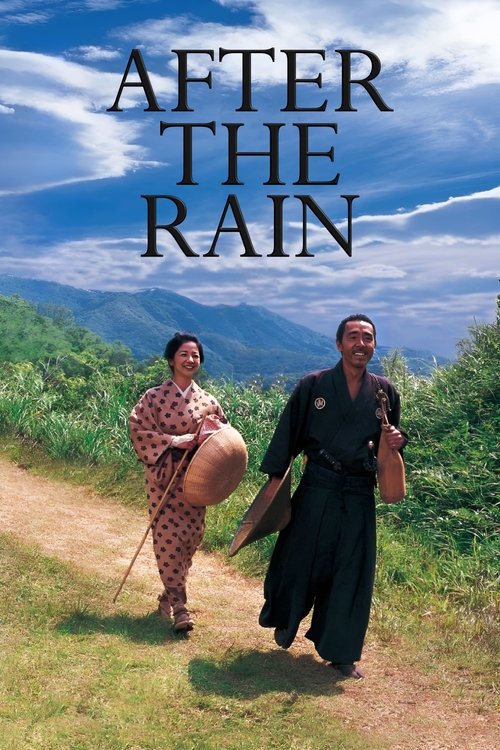
A group of travelers is stranded in a small country inn when the river floods during heavy rains. As the bad weather continues, tensions rise amongst the trapped travelers.
After the Rain
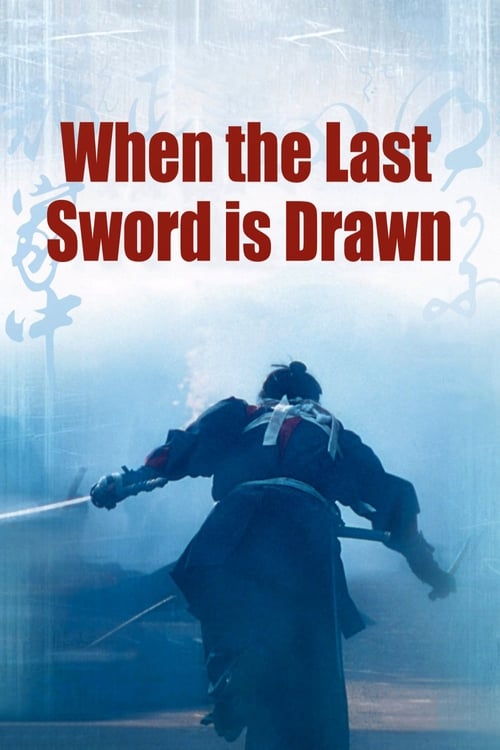
Kanichiro Yoshimura is a Samurai and Family man who can no longer support his wife and children on the the low pay he receives from his small town clan, he is forced by the love for his family to leave for the city in search of higher pay to support them.
When the Last Sword Is Drawn
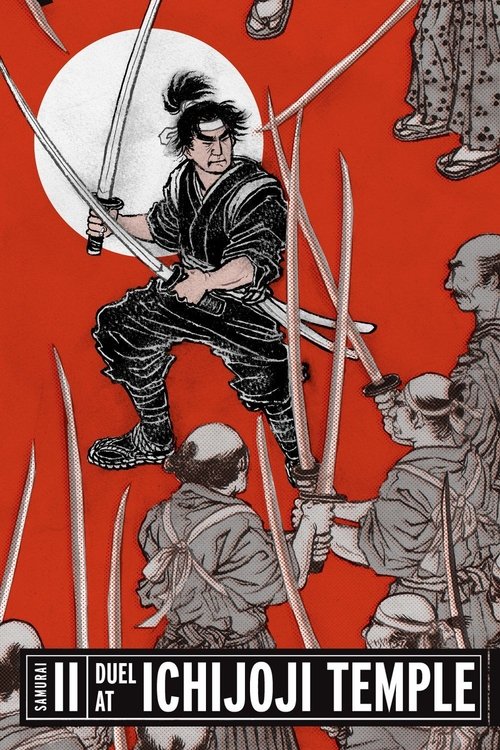
After years on the road establishing his reputation as Japan's greatest fencer, Takezo returns to Kyoto. Otsu waits for him, yet he has come not for her but to challenge the leader of the region's finest school of fencing. To prove his valor and skill, he walks deliberately into ambushes set up by the school's followers.
Samurai II: Duel at Ichijoji Temple

In 1923, teenager Kim Shun-Pei moves from Cheju Island, in South Korea, to Osaka, in Japan. Along the years, he becomes a cruel, greedy and violent man and builds a factory of kamaboko, processed seafood products, in his poor Korean-Japanese community exploiting his employees.
Blood and Bones

When the brutal Boshin War breaks out in Japan, a group of inmates on death row unite to defend a fortress against the Imperial army.
11 Rebels
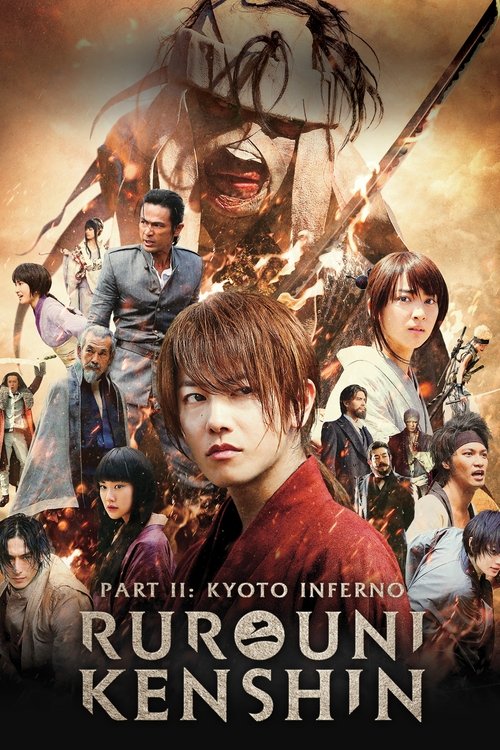
Kenshin has settled into his new life with Kaoru and his other friends when he is approached with a request from the Meiji government. Makoto Shishio, a former assassin like Kenshin, was betrayed, set on fire and left for dead. He survived, and is now in Kyoto, plotting with his gathered warriors to overthrow the new government. Against Kaoru's wishes, Kenshin reluctantly agrees to go to Kyoto and help keep his country from falling back into civil war.
Rurouni Kenshin Part II: Kyoto Inferno
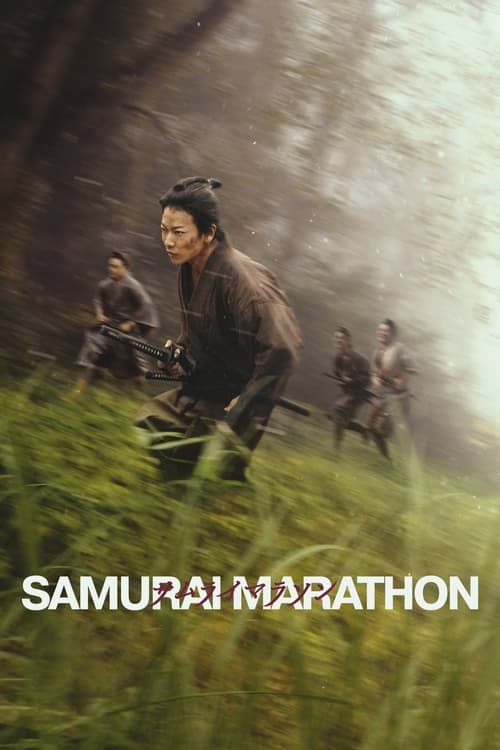
When feudal lord Itakura Katsuakira decides to prepare his samurai troops for the onslaught of modernization by having them compete in a marathon, his independent-minded daughter Yuki secretly joins the race.
Samurai Marathon
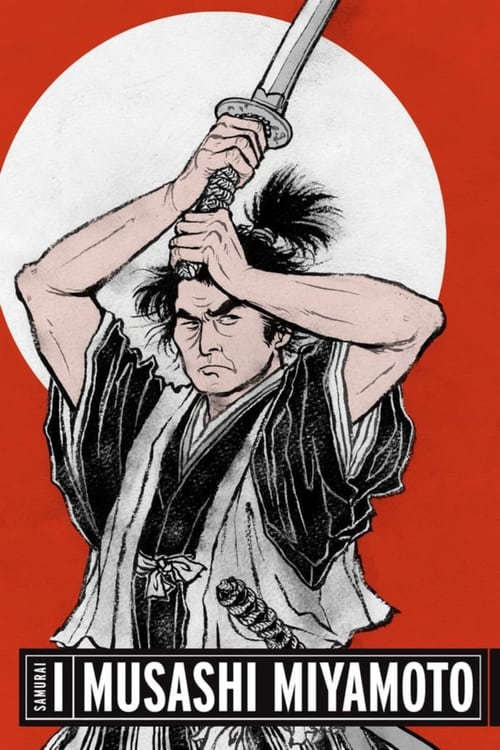
Struggling to elevate himself from his low caste in 17th century Japan, Miyamoto trains to become a mighty samurai warrior.