Roparz Hemon
Vous aimerez aussi

En 1945, le cinéaste Alfred Hitchcock est engagé pour superviser le montage d'un documentaire produit par l'armée britannique sur la libération des camps de concentration nazis. Un film qui était destiné à montrer au peuple allemand les atrocités qui avaient été commises en son nom par les nazis. Une fois le film terminé, celui-ci fut cependant enterré pour des raisons politiques et jamais diffusé. Il fut alors simplement déposé à l'Imperial War Museum, à Londres, où dans les années 1980, les pellicules y ont été redécouvertes par un chercheur américain. Le film a fait l'objet d'une restauration complète respectant les choix du cinéaste. "Night Will Fall" retrace l’histoire de ce film pas fini, qui était connue longtemps sous le nom "The missing Hitchcock"...
Images de la libération des camps. Chronique d’un film inachevé
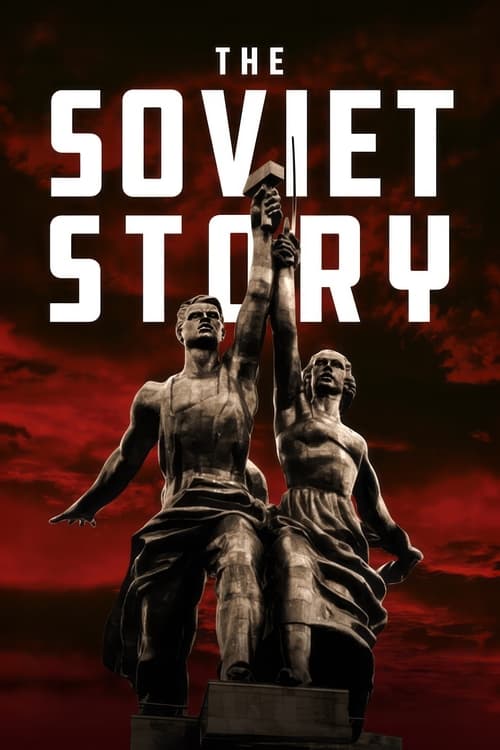
“The Soviet Story” is a story of an Allied power, which helped the Nazis to fight Jews and which slaughtered its own people on an industrial scale. Assisted by the West, this power triumphed on May 9th, 1945. Its crimes were made taboo, and the complete story of Europe’s most murderous regime has never been told. Until now...
The Soviet Story
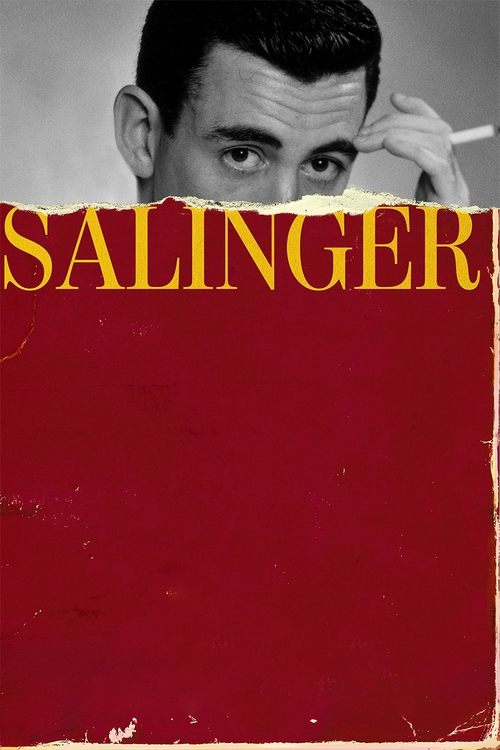
An in-depth investigation into the private world of the American writer J. D. Salinger (1919-2010), who lived most of his life behind the impenetrable wall of a self-imposed seclusion: how his dramatic experiences during World War II influenced his life and work, his relationships with very young women, his obsessive writing methods, his many literary secrets.
Salinger
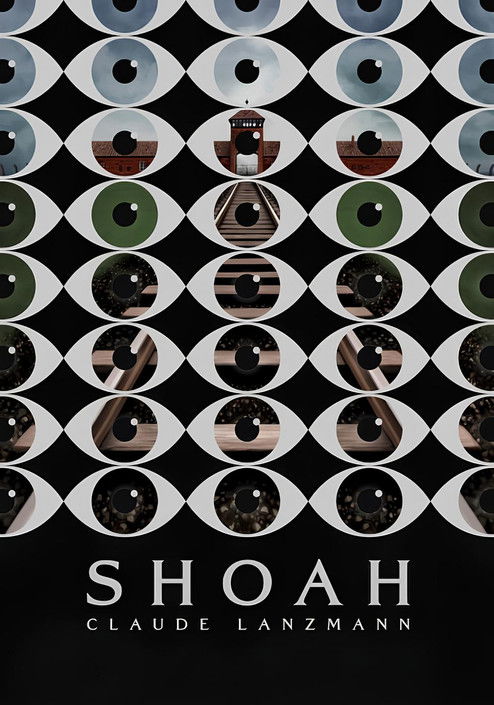
Claude Lanzmann a retrouvé des rescapés juifs des camps d’extermination. Il a traqué les nazis qui se cachaient et réussi à les filmer clandestinement. Il est retourné sur les lieux, dans les villages limitrophes de Chelmno, Ponari, Treblinka, Sobibor, Auschwitz, pour interroger les témoins polonais. Ni fiction – tous les protagonistes ont été en contact direct avec les camps –, ni documentaire – il ne s’agit pas d’une compilation de souvenirs –, Shoah est avant tout un film de la mémoire qui abolit la distance entre le passé et le présent. Sans recourir aux documents d’archives – il n’y a pas un cadavre dans cette œuvre pétrie de mort – ni aux “images chocs”, Shoah (“anéantissement”, “destruction”, en hébreu) démonte les rouages de la “solution finale”. “Nous avons lu, après la guerre, quantité de témoignages sur les ghettos, sur les camps d’extermination.
Shoah
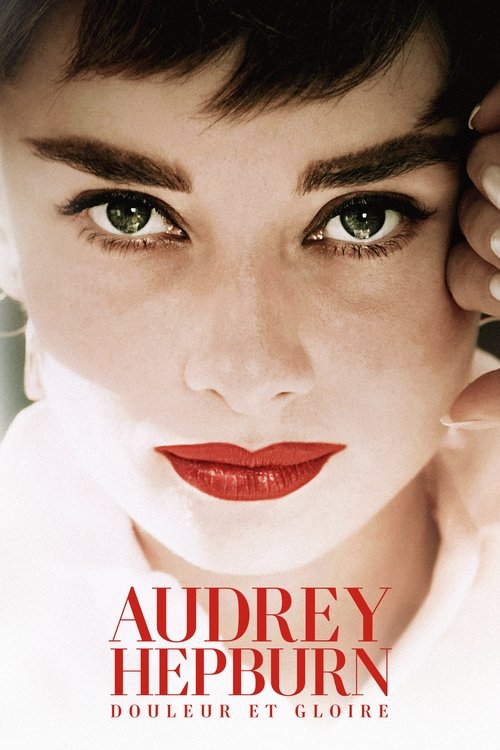
Un regard intime et sans précédent sur la vie, l'œuvre et l'héritage durable de l'actrice britannique Audrey Hepburn (1929-1993).
Audrey Hepburn : douleur et gloire
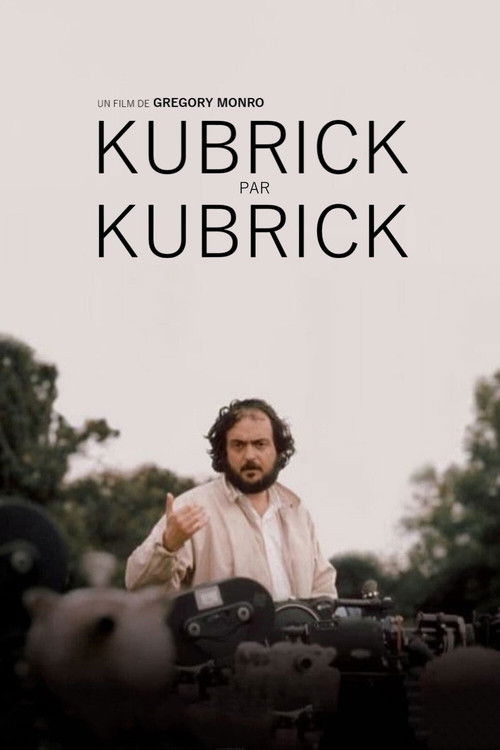
Le cinéaste américain Stanley Kubrick (1928-1999), l'un des plus grands de l'histoire, mais aussi l'un des plus réservés, a accordé peu d'interviews tout au long de sa longue carrière, et aucune d'entre elles n'a été filmée. Un voyage à la première personne à travers sa vie et son œuvre, basé sur une conversation enregistrée avec le critique de cinéma français Michel Climent.
Kubrick par Kubrick
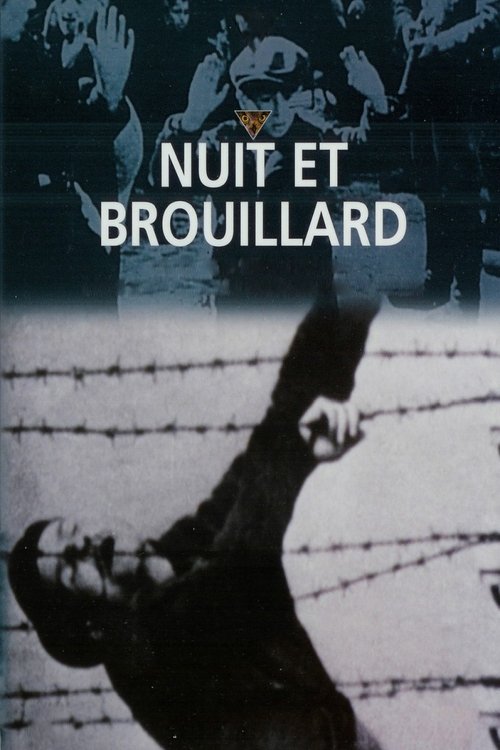
1955 : Alain Resnais, à la demande du comité d'histoire de la Seconde Guerre mondiale, se rend sur les lieux où des milliers d'hommes, de femmes et d'enfants ont perdu la vie. Il s'agit d'Orianenbourg, Auschwitz, Dachau, Ravensbruck, Belsen, Neuengamme, Struthof. Avec Jean Cayrol et l'aide de documents d'archives, il retrace le lent calvaire des déportés.
Nuit et Brouillard

L'actrice Mariska Hargitay, lauréate d'un Emmy® et d'un Golden Globe, se penche sur l'histoire de sa mère Jayne Mansfield, soixante ans après sa mort.
My Mom Jayne
Documentaire intimiste tirant le portrait de l’acteur à travers sa carrière et sa vie de famille. Des témoignages de ses parents, Irina et Viktor, ainsi que des interviews de certains partenaires de jeu comme Jennifer Lawrence, Jodie Foster ou encore Kristen Stewart.
Love, Antosha
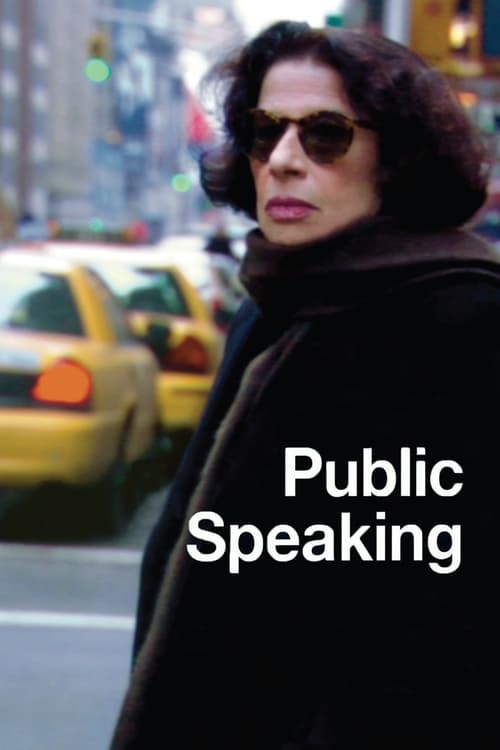
Martin Scorsese’s portrait of writer and social commentator Fran Lebowitz, celebrated for her sharp wit and observations on modern life. Filmed at New York’s Waverly Inn and intercut with archival footage and interviews, the documentary captures Lebowitz’s distinctive worldview through her spontaneous monologues and public appearances.
Public Speaking
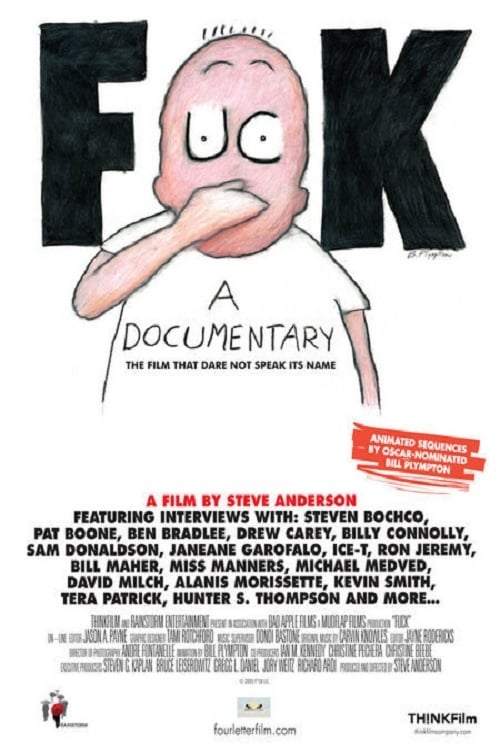
A documentary on the expletive's origin, why it offends some people so deeply, and what can be gained from its use.
Fuck

Ll'histoire incroyable de la Easy Company racontée par les hommes qui y étaient dans ce documentaire captivant en complément de Band of Brothers.
Les Hommes de la Easy Company
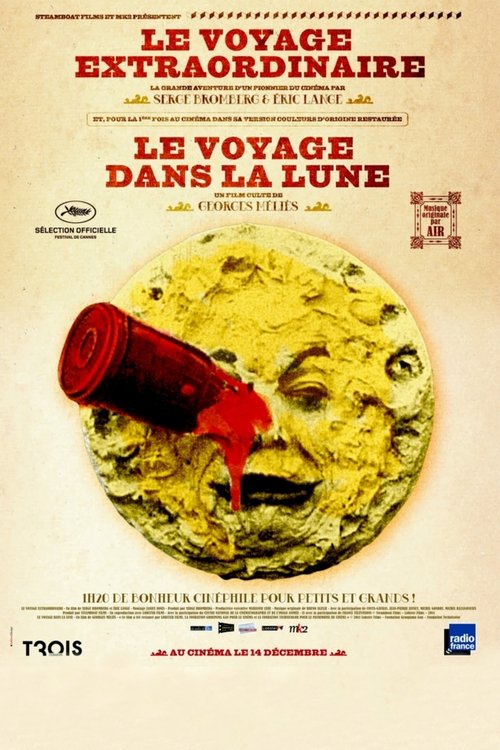
Un récit de la vie extraordinaire du pionnier du cinéma Georges Méliès (1861-1938) et l'histoire étonnante de la copie en couleur de son chef-d'œuvre « Un voyage dans la lune » (1902), retrouvée inopinément en Espagne et restaurée grâce aux efforts héroïques d'un groupe de vrais cinéphiles.
Le Voyage extraordinaire
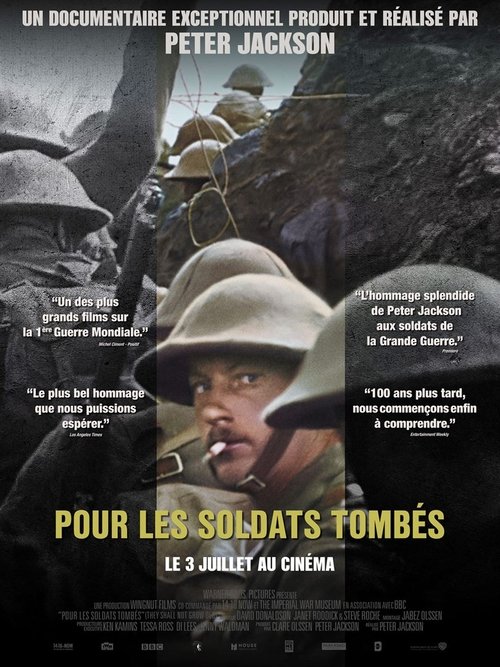
Entre 1914 et 1918, un conflit mondial change à jamais le cours de l’histoire. Les hommes et femmes qui y ont participé ne vivaient pas dans un monde silencieux, en noir et blanc. Un voyage dans le temps pour revivre l‘histoire avec ceux qui y étaient.
Pour les soldats tombés
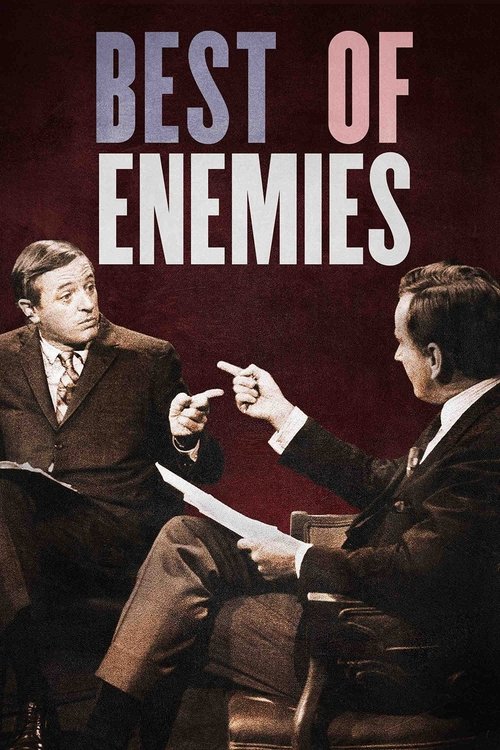
A documentary about the legendary series of nationally televised debates in 1968 between two great public intellectuals, the liberal Gore Vidal and the conservative William F. Buckley Jr. Intended as commentary on the issues of their day, these vitriolic and explosive encounters came to define the modern era of public discourse in the media, marking the big bang moment of our contemporary media landscape when spectacle trumped content and argument replaced substance. Best of Enemies delves into the entangled biographies of these two great thinkers, and luxuriates in the language and the theater of their debates, begging the question, "What has television done to the way we discuss politics in our democracy today?"
Best of Enemies
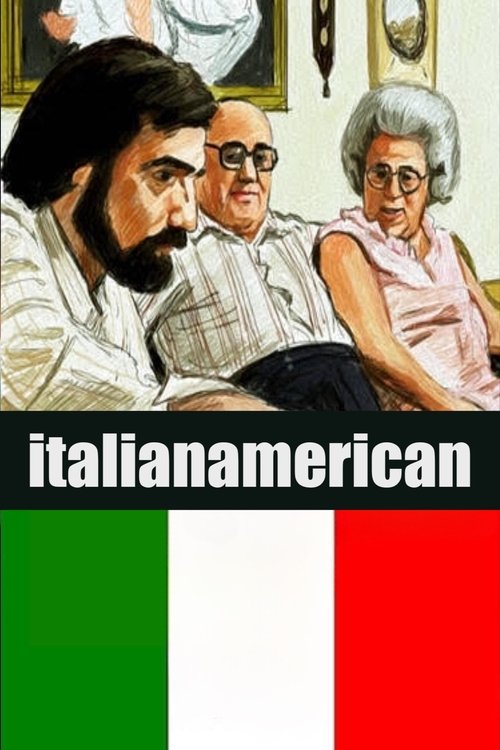
Filmmaker Martin Scorsese interviews his mother and father about their life in New York and family history back in Sicily.
Italianamerican
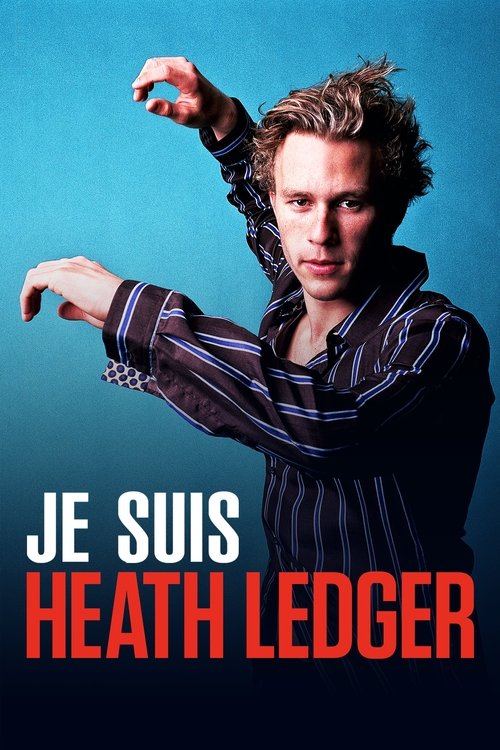
Un documentaire consacré à l'acteur américain Heath Ledger, décédé en 2008 à l'âge de 28 ans.
I Am Heath Ledger
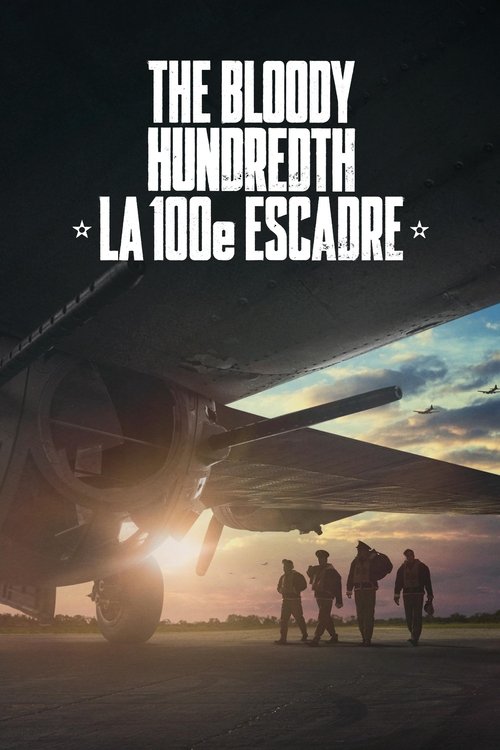
Rencontrez les vrais aviateurs ayant inspiré Masters of the Air à travers leur récit poignant et marquant sur le 100e groupe de bombardement.
The Bloody Hundredth : la 100e escadre
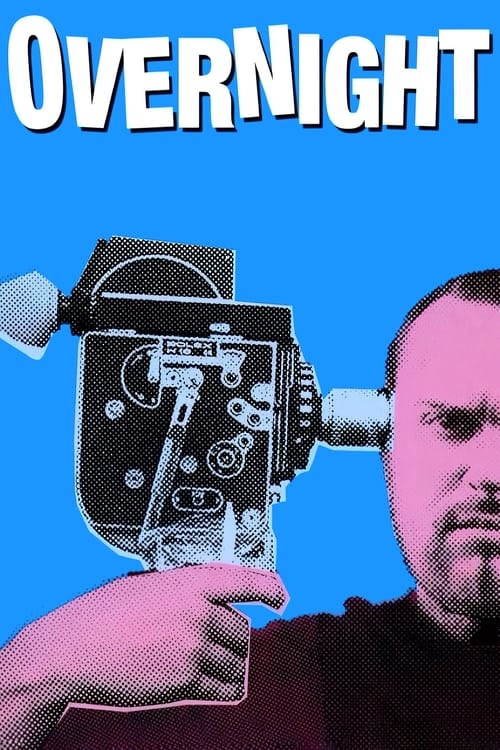
Alternately hilarious and horrifying, Overnight chronicles one man's misadventures of making a Hollywood movie. It starts out as a rags to riches story as Troy Duffy, a Boston-bred bartender, sells his first screenplay for The Boondock Saints.
Overnight
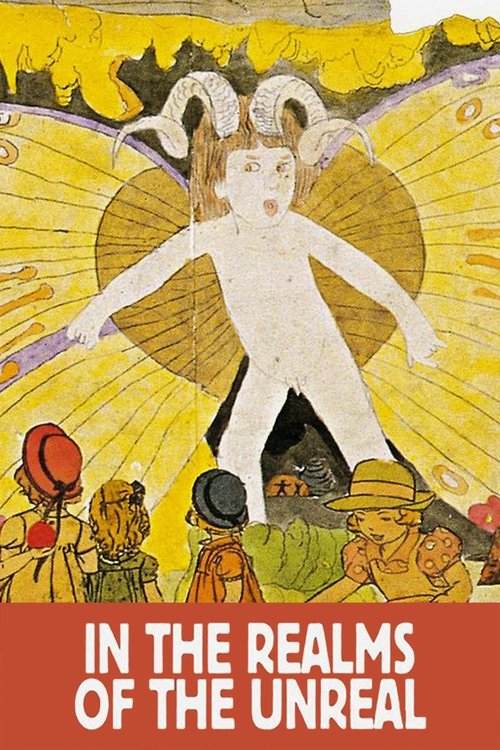
Un documentaire qui explore la vie et l'oeuvre complexe de Henry Derger, artiste légendaire et marginal. Reclus, portier le jour et artiste visionnaire la nuit, Darger est l'auteur d'un roman de 15000 pages qui détaille les exploits des Vivian Girls, sept soeurs qui ont mené la rébellion contre l'esclavage des enfants.
In the Realms of the Unreal
Avis & Notes
Connectez-vous pour donner votre avis
Partagez votre opinion avec la communauté.