
Papa, t'étais où en Algérie ?

Photos
Vous aimerez aussi
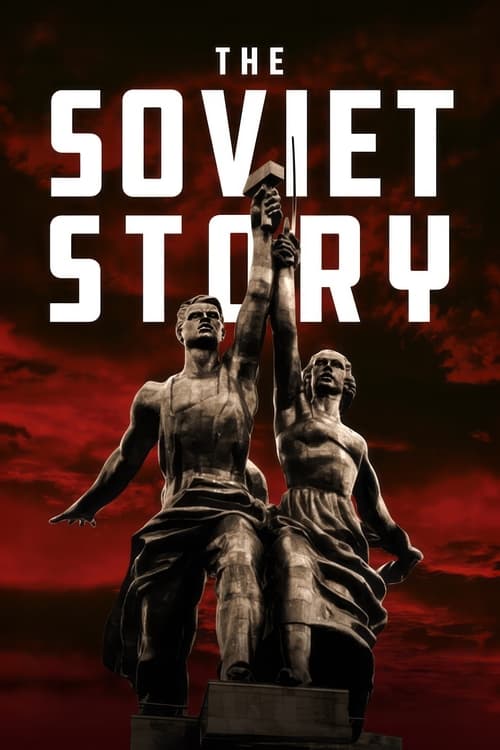
“The Soviet Story” is a story of an Allied power, which helped the Nazis to fight Jews and which slaughtered its own people on an industrial scale. Assisted by the West, this power triumphed on May 9th, 1945. Its crimes were made taboo, and the complete story of Europe’s most murderous regime has never been told. Until now...
The Soviet Story
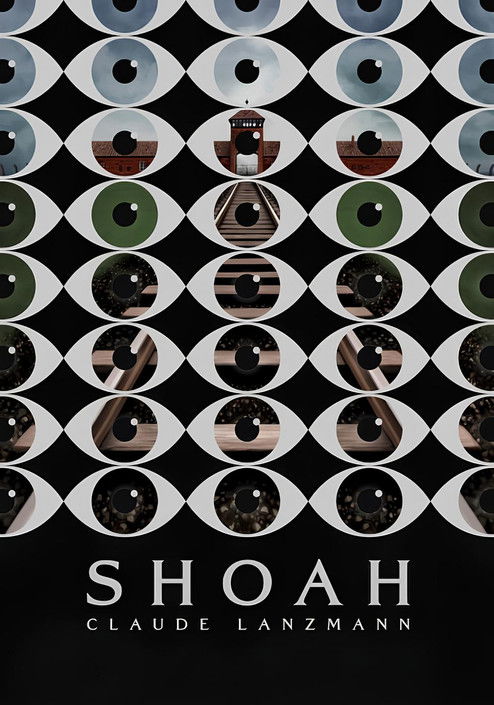
Claude Lanzmann a retrouvé des rescapés juifs des camps d’extermination. Il a traqué les nazis qui se cachaient et réussi à les filmer clandestinement. Il est retourné sur les lieux, dans les villages limitrophes de Chelmno, Ponari, Treblinka, Sobibor, Auschwitz, pour interroger les témoins polonais. Ni fiction – tous les protagonistes ont été en contact direct avec les camps –, ni documentaire – il ne s’agit pas d’une compilation de souvenirs –, Shoah est avant tout un film de la mémoire qui abolit la distance entre le passé et le présent. Sans recourir aux documents d’archives – il n’y a pas un cadavre dans cette œuvre pétrie de mort – ni aux “images chocs”, Shoah (“anéantissement”, “destruction”, en hébreu) démonte les rouages de la “solution finale”. “Nous avons lu, après la guerre, quantité de témoignages sur les ghettos, sur les camps d’extermination.
Shoah
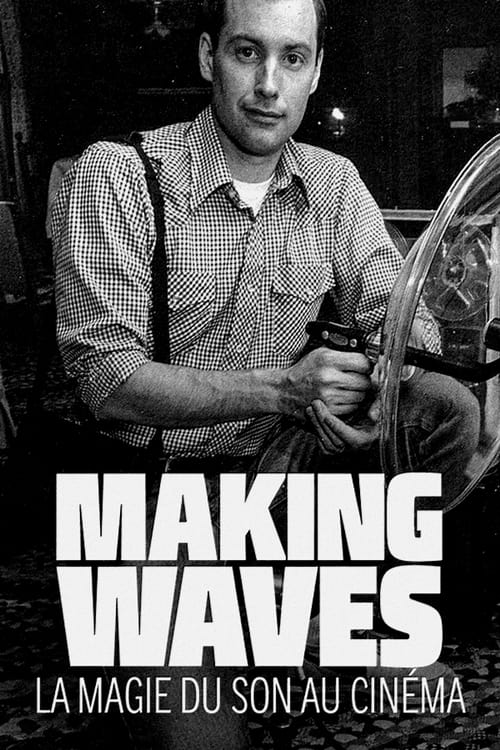
L'histoire du son au cinéma, racontée par des concepteurs sonores légendaires et des cinéastes visionnaires.
Making waves : la magie du son au cinéma
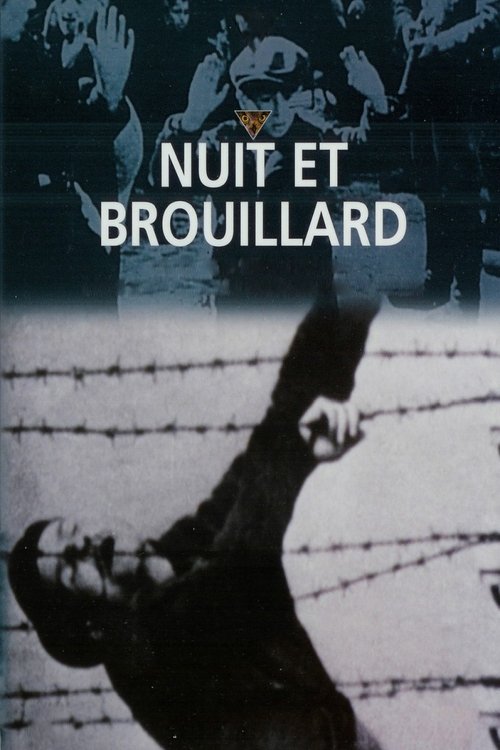
1955 : Alain Resnais, à la demande du comité d'histoire de la Seconde Guerre mondiale, se rend sur les lieux où des milliers d'hommes, de femmes et d'enfants ont perdu la vie. Il s'agit d'Orianenbourg, Auschwitz, Dachau, Ravensbruck, Belsen, Neuengamme, Struthof. Avec Jean Cayrol et l'aide de documents d'archives, il retrace le lent calvaire des déportés.
Nuit et Brouillard
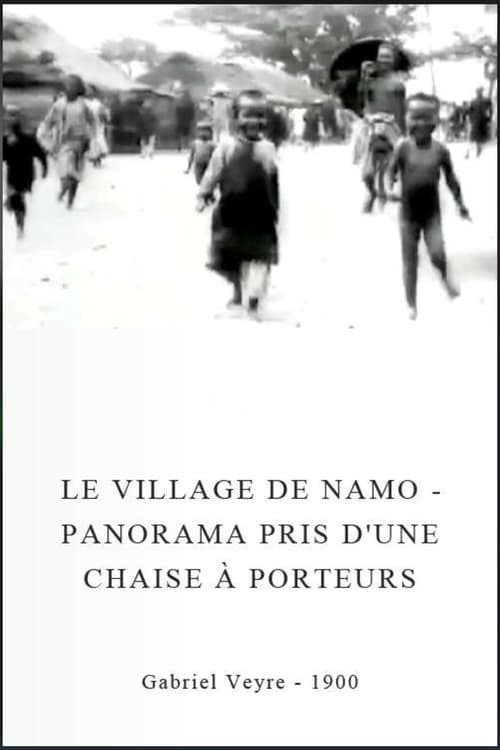
Indochine française (aujourd'hui Vietnam), village de Namo, Annam : panorama de la rue d’un village et de ses habitants pris d’une chaise à porteur.
Le village de Namo - Panorama pris d'une chaise à porteurs
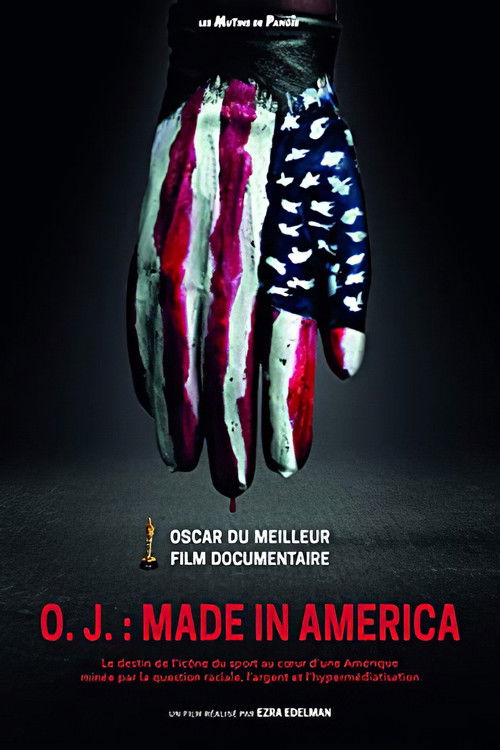
"O.J. - Made in America" retrace l'histoire de la race au cours des dernières décennies à travers la lentille de la montée et la chute de OJ Simpson. Il est peut-être la définition histoire culturelle de l'Amérique du 20e siècle, qui se concentre autour de deux des plus grands de notre pays fixations: race et célébrité. « JO: Made in America » explorera ces thèmes en traçant un parcours personnel, de la façon dont Orenthal James Simpson premier est devenu une star de football, la raison pour laquelle le pays est tombé en amour avec lui en dehors du terrain, à son être accusé du meurtre de son ex femme et son acquittement subséquent et pourquoi il est maintenant assis en prison 20 ans plus tard pour un autre crime.
O.J. - Made in America
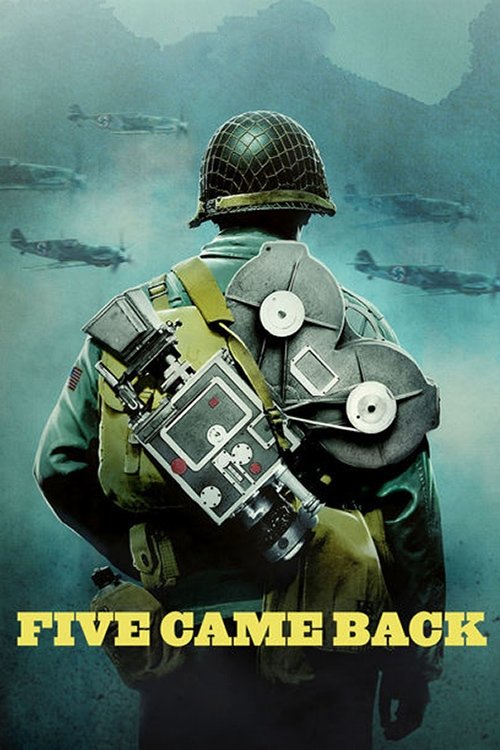
Série documentaire traitant de l'expérience de John Ford, William Wyler, John Huston, Frank Capra et George Stevens sur le théâtre européen durant la Seconde Guerre Mondiale. Narrée par Meryl Streep, la série offre des interventions de cinq cinéastes contemporains : Steven Spielberg, Francis Coppola Ford, Guillermo Del Toro, Paul Greengrass et Lawrence Kasdan.
Cinq hommes et une guerre
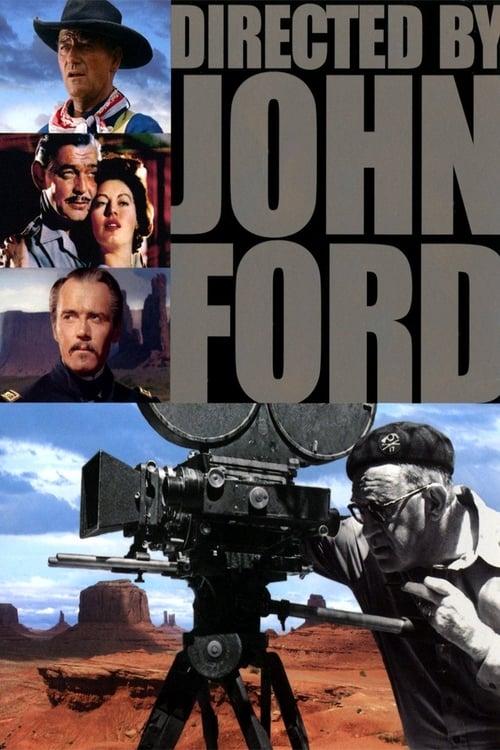
Un documentaire sur la vie et les films du réalisateur John Ford...
Directed by John Ford
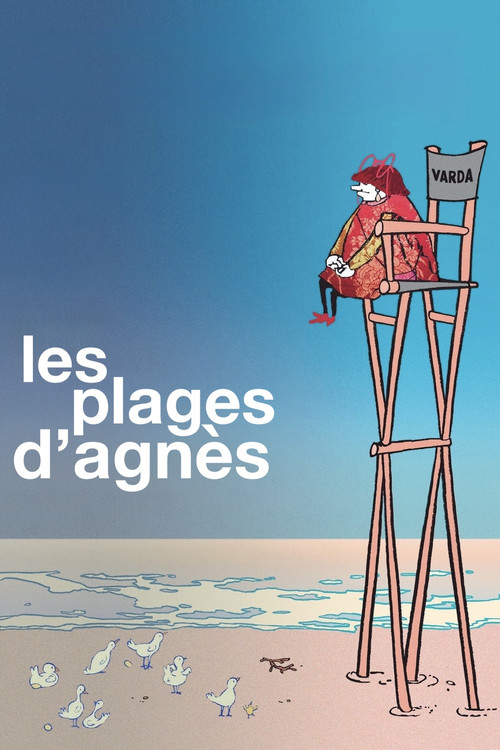
En revenant sur les plages qui ont marqué sa vie, Varda invente une forme d'autodocumentaire. Agnès se met en scène au milieu d'extraits de ses films, d'images et de reportages. Elle nous fait partager avec humour et émotion ses débuts de photographe de théâtre puis de cinéaste novatrice dans les années cinquante, sa vie avec Jacques Demy, son engagement féministe, ses voyages à Cuba, en Chine et aux USA, son parcours de productrice indépendante, sa vie de famille et son amour des plages. Une femme libre et curieuse !
Les Plages d'Agnès
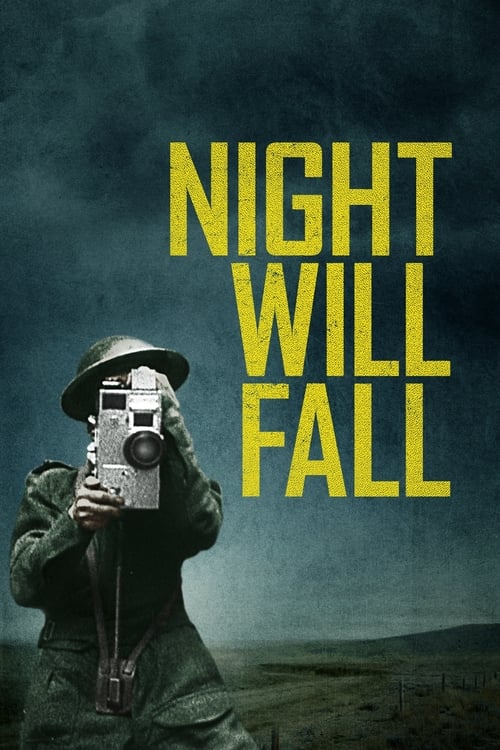
En 1945, le cinéaste Alfred Hitchcock est engagé pour superviser le montage d'un documentaire produit par l'armée britannique sur la libération des camps de concentration nazis. Un film qui était destiné à montrer au peuple allemand les atrocités qui avaient été commises en son nom par les nazis. Une fois le film terminé, celui-ci fut cependant enterré pour des raisons politiques et jamais diffusé. Il fut alors simplement déposé à l'Imperial War Museum, à Londres, où dans les années 1980, les pellicules y ont été redécouvertes par un chercheur américain. Le film a fait l'objet d'une restauration complète respectant les choix du cinéaste. "Night Will Fall" retrace l’histoire de ce film pas fini, qui était connue longtemps sous le nom "The missing Hitchcock"...
Images de la libération des camps. Chronique d’un film inachevé
Afin de célébrer les 20 ans de sortie du premier film Spider-Man de Sam Raimi, Sony Pictures a préparé une forme de rétrospective documentaire intitulée Spider-Man : All Roads Lead to No Way Home -- une façon, quelque part de réécrire un peu l'histoire du studio comme si le dernier film produit avec Marvel Studios avait été une évidence depuis le début (ce qui : n'est pas vrai). Pour le plaisir de tout le monde, le studio a mis en ligne le documentaire à disposition de tous et toutes.
Spider-Man : Tous les chemins mènent à No Way Home
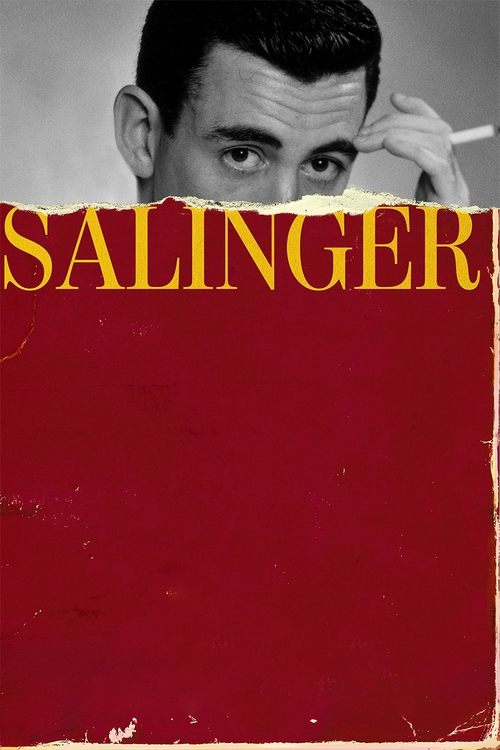
An in-depth investigation into the private world of the American writer J. D. Salinger (1919-2010), who lived most of his life behind the impenetrable wall of a self-imposed seclusion: how his dramatic experiences during World War II influenced his life and work, his relationships with very young women, his obsessive writing methods, his many literary secrets.
Salinger
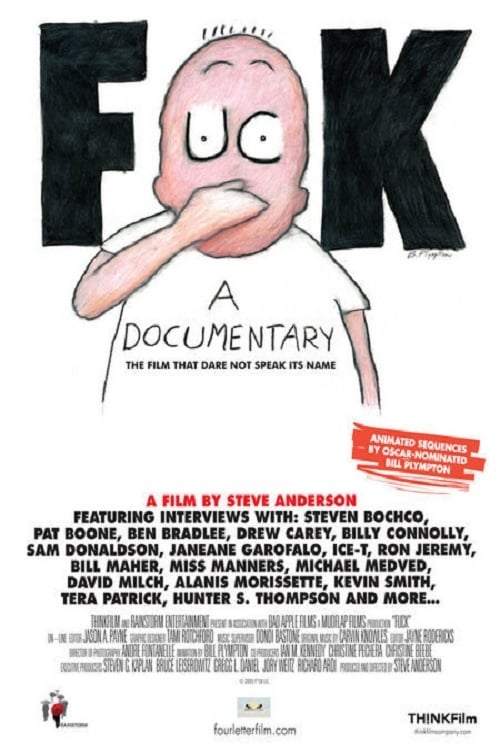
A documentary on the expletive's origin, why it offends some people so deeply, and what can be gained from its use.
Fuck

L'actrice Mariska Hargitay, lauréate d'un Emmy® et d'un Golden Globe, se penche sur l'histoire de sa mère Jayne Mansfield, soixante ans après sa mort.
My Mom Jayne
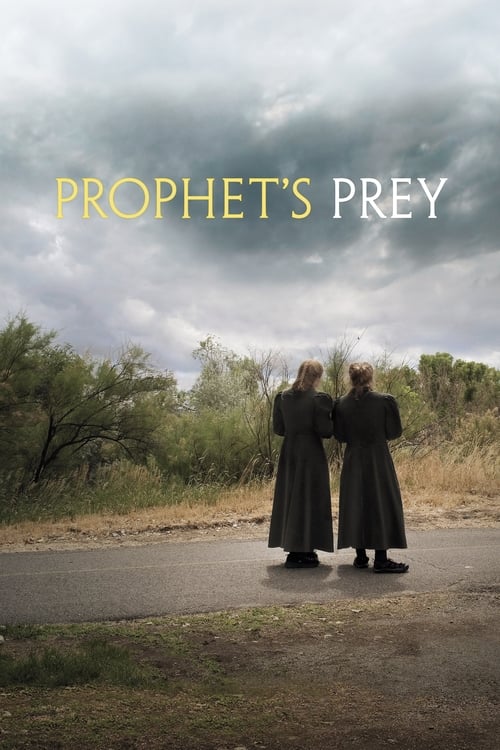
Filmmaker Amy Berg sheds light on the sexual, financial and spiritual abuses heaped upon members of the Fundamentalist Church of Jesus Christ of Latter-day Saints by their former leader, Warren Jeffs.
Prophet's Prey

Un cinéaste rend hommage à son ami assassiné par son ex petite amie, lorsque celle-ci annonce qu'elle est enceinte de l'homme qu'elle a tué.
Dear Zachary: A Letter to a Son About His Father
Avant 12 jours, les personnes hospitalisées en psychiatrie sans leur consentement sont présentées en audience, d’un côté un juge, de l’autre un patient, entre eux naît un dialogue sur le sens du mot liberté et de la vie.
12 jours
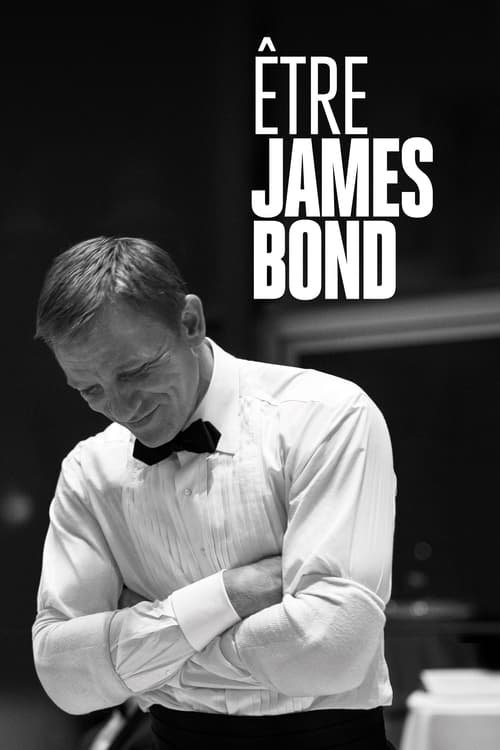
Daniel Craig revient franchement sur ses 15 ans d'aventure en tant que James Bond. Y compris des images d'archives inédites de Casino Royale au 25e film à venir No Time To Die, Craig partage ses souvenirs personnels lors d'une conversation avec les producteurs de 007, Michael G Wilson et Barbara Broccoli.
Être James Bond
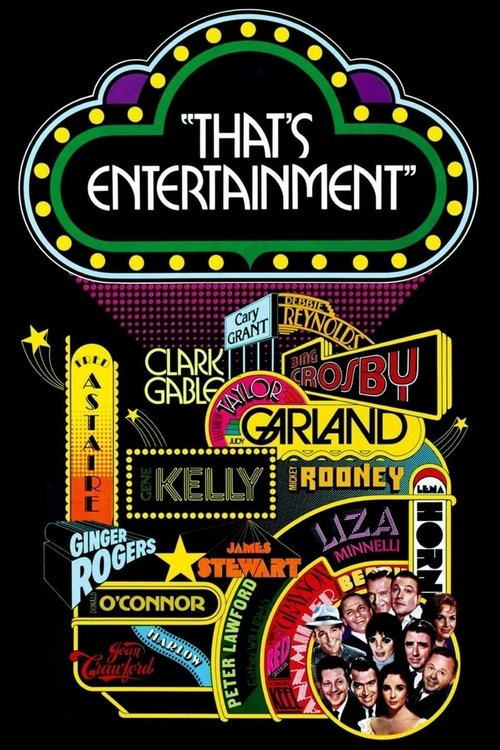
Cette nostalgique leçon d'histoire recèle les trésors cachés des plus grandes comédies musicales de la MGM ainsi que de nombreux autres extraits merveilleux mais moins célèbres, avec Esther Williams, Jimmy Durante, Eleanor Powell et même Clark Gable chantant et dansant. « Il était une fois Hollywood » est une véritable gourmandise pour cinéphiles et amateurs de comédies musicales.
Il était une fois à Hollywood
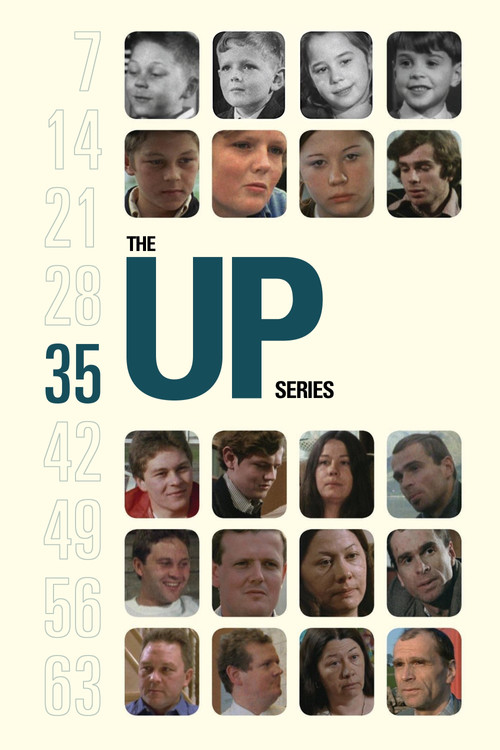
Director Michael Apted revisits the same group of British-born adults after a 7 year wait. The subjects are interviewed as to the changes that have occurred in their lives during the last seven years.