
Photos
You might also like
The history of cinematic sound, told by legendary sound designers and visionary filmmakers.
Making Waves: The Art of Cinematic Sound
The fantastic story of how an ancient martial art, Chinese kung fu, conquered the world through the hundreds of films that were produced in Hong Kong over the decades, transformed Western action cinema and inspired the birth of cultural movements such as blaxploitation, hip hop music, parkour and Wakaliwood cinema.
Iron Fists and Kung Fu Kicks

The chronicle of the mind-blowing journey that was Hollywood during the seventies; the true and gripping story of the last golden age of American cinema, an exalted celebration of creativity and experimentation; but also of sex, drugs and rock 'n' roll: a turbulent and dark tale of ambition, envy, betrayal, hatred and self-destruction.
Easy Riders, Raging Bulls: How the Sex 'n' Drugs 'n' Rock 'n' Roll Generation Saved Hollywood
One-man armies, meet-cutes, casual strolls away from huge explosions — stars and industry insiders toast and roast these cinematic chestnuts and more.
Attack of the Hollywood Clichés!
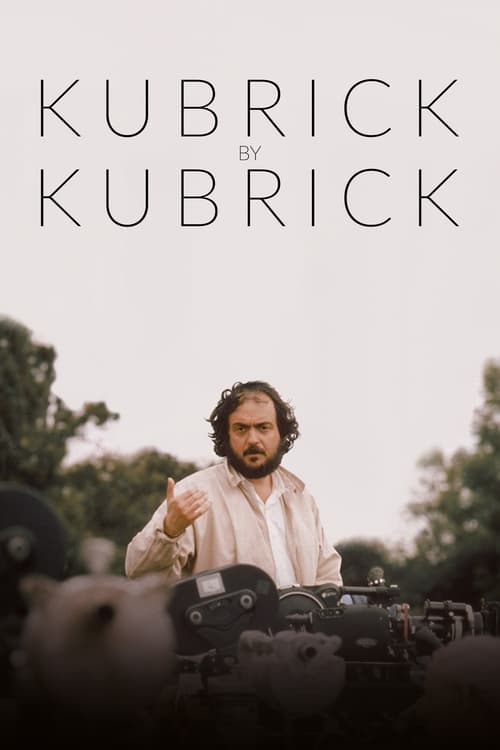
American filmmaker Stanley Kubrick (1928–1999), one of the greatest in history, but also one of the most reserved, gave few interviews throughout his long career, and none of them were filmed. A first-person journey through his life and work, based on a recorded conversation with French film critic Michel Climent.
Kubrick by Kubrick

From its distinctive neighborhoods to its architectural homes, Los Angeles has been the backdrop to countless movies. In this dazzling work, Andersen takes viewers on a whirlwind tour through the metropolis' real and cinematic history, investigating the myriad stories and legends that have come to define it, and meticulously, judiciously revealing the real city that lives beneath.
Los Angeles Plays Itself
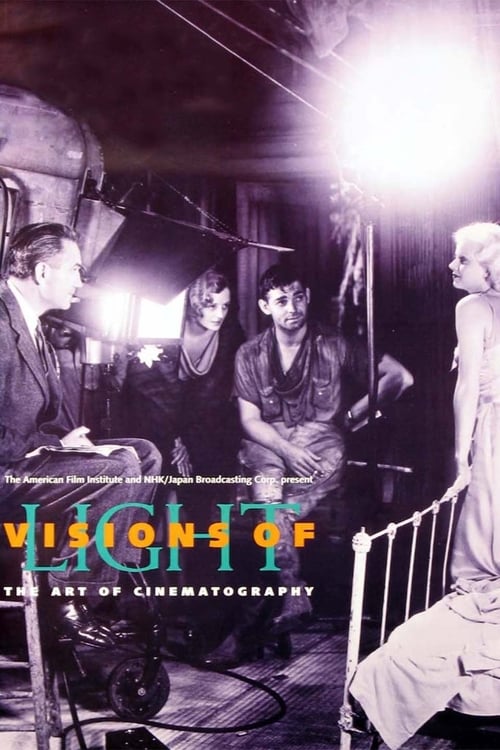
Cameramen and women discuss the craft and art of cinematography and of the "DP" (the director of photography), illustrating their points with clips from 100 films, from Birth of a Nation to Do the Right Thing. Themes: the DP tells people where to look; changes in movies (the arrival of sound, color, and wide screens) required creative responses from DPs; and, these artisans constantly invent new equipment and try new things, with wonderful results. The narration takes us through the identifiable studio styles of the 30s, the emergence of noir, the New York look, and the impact of Europeans. Citizen Kane, The Conformist, and Gordon Willis get special attention.
Visions of Light

In 1974, Chilean-French director Alejandro Jodorowsky embarked on the quixotic project of adapting Frank Herbert's influential novel Dune (1969) for the big screen. After investing two years, and millions of dollars, the gigantic project ended in failure; but the artists Jodorowsky brought together to carry it out continued to work together, and ended up laying the foundations for modern science fiction cinema.
Jodorowsky's Dune

The story lives forever in this feature-length documentary that charts the making of Star Wars: The Rise of Skywalker.
The Skywalker Legacy

A subjective documentary that explores various theories about hidden meanings in Stanley Kubrick's classic film The Shining. Five very different points of view are illuminated through voice over, film clips, animation and dramatic reenactments.
Room 237
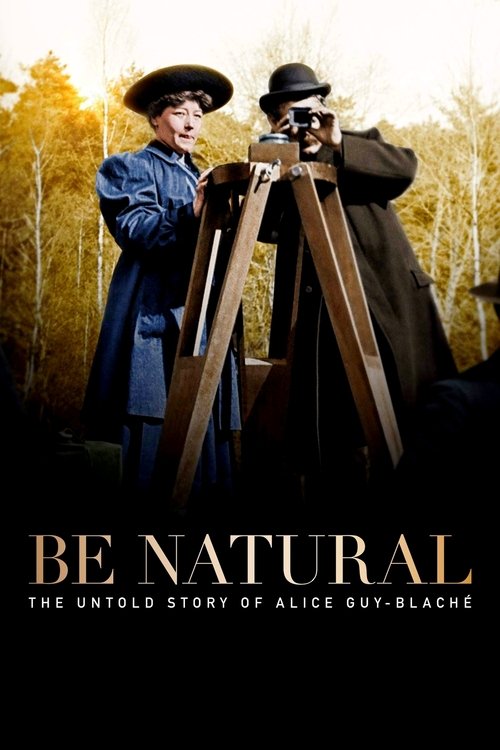
The epic life story of Alice Guy-Blaché (1873–1968), a French screenwriter, director and producer, true pioneer of cinema, the first person who made a narrative fiction film; author of hundreds of movies, but banished from history books. Ignored and forgotten. At last remembered.
Be Natural: The Untold Story of Alice Guy-Blaché
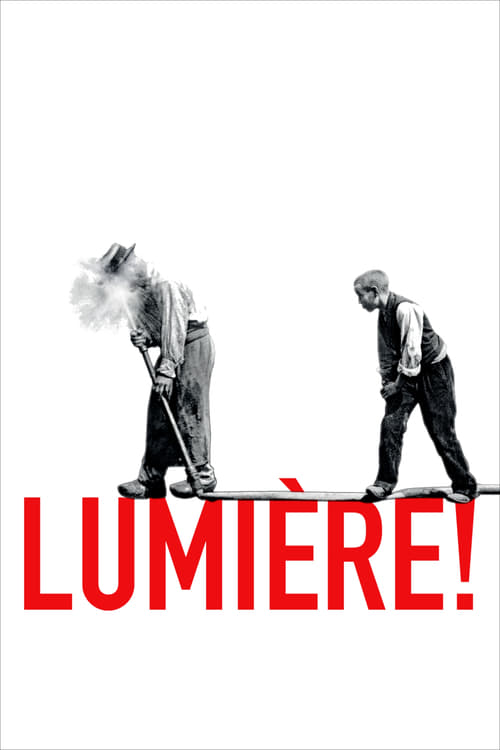
A collection of restored prints from the Lumière Brothers.
Lumière!
The definitive documentary on the history of nudity in feature films from the early silent days to the present, studying the changes in morality that led to the use of nudity in films while emphasizing the political, sociological and artistic changes that shaped that history. Skin will also study the gender inequality in presenting nude images in motion pictures and will follow the revolution that has created nude gender equality in feature films today.
Skin: A History of Nudity in the Movies

This revealing documentary honors the legendary Sidney Poitier—iconic actor, filmmaker, and civil rights activist. Featuring interviews with Denzel Washington, Spike Lee, Halle Berry, and more.
Sidney

Since the invention of cinema, the standard format for recording moving images has been film. Over the past two decades, a new form of digital filmmaking has emerged, creating a groundbreaking evolution in the medium. Keanu Reeves explores the development of cinema and the impact of digital filmmaking via in-depth interviews with Hollywood masters, such as James Cameron, David Fincher, David Lynch, Christopher Nolan, Martin Scorsese, George Lucas, Steven Soderbergh, and many more.
Side by Side
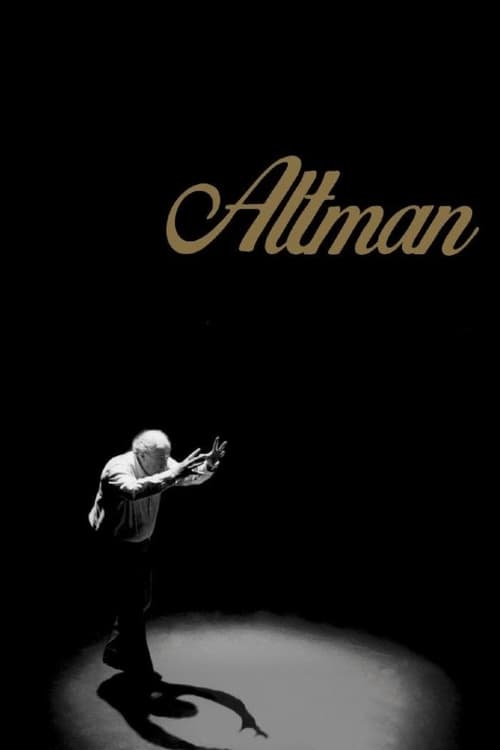
Robert Altman's life and career contained multitudes. This father of American independent cinema left an indelible mark, not merely on the evolution of his art form, but also on the western zeitgeist. With its use of rare interviews, representative film clips, archival images, and musings from his family and most recognizable collaborators, Altman is a dynamic and heartfelt mediation on an artist whose expression, passion and appetite knew few bounds.
Altman
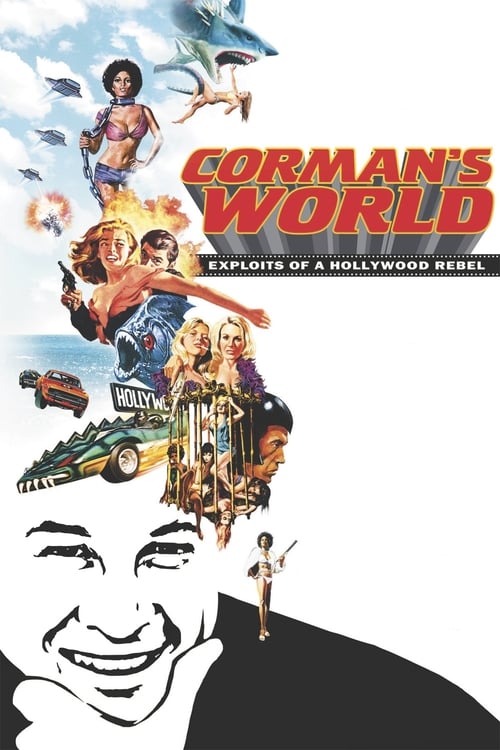
A chronicle of the long career of American filmmaker Roger Corman, the most tenacious and ingenious low-budget producer and director in the US film industry, a pioneer of independent filmmaking and discoverer of new talent.
Corman's World
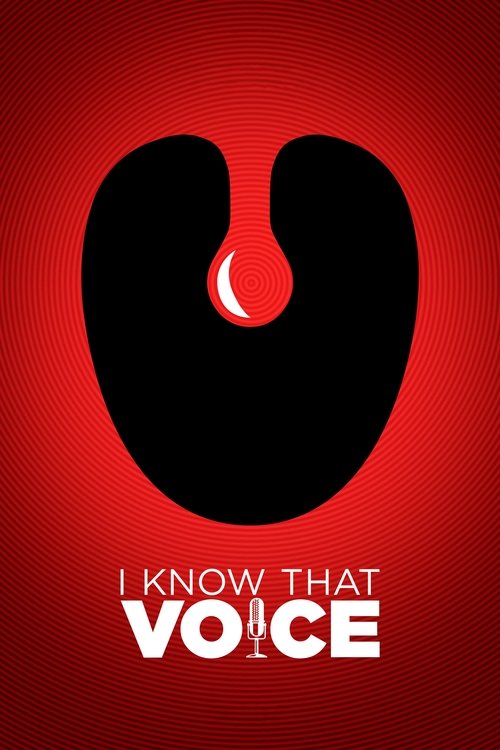
Filmmaker Lawrence Shapiro discusses voice-over acting with the talented people behind the characters.
I Know That Voice
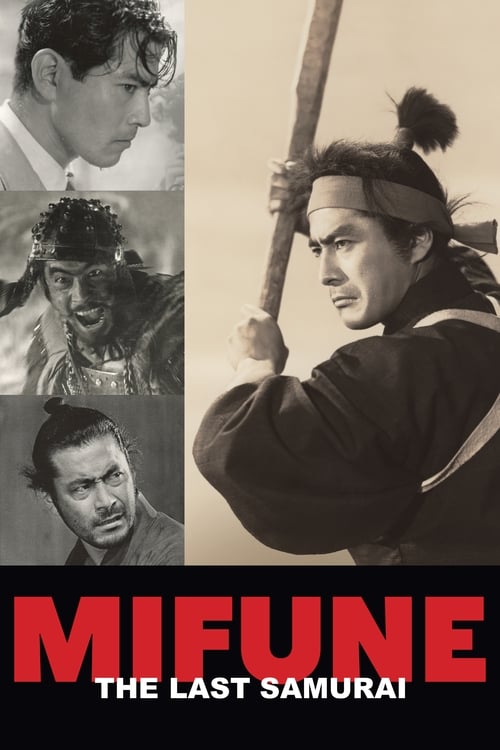
An account of the life and work of legendary Japanese actor Toshirō Mifune (1920-97), the most prominent actor of the Golden Age of Japanese cinema.
Mifune: The Last Samurai
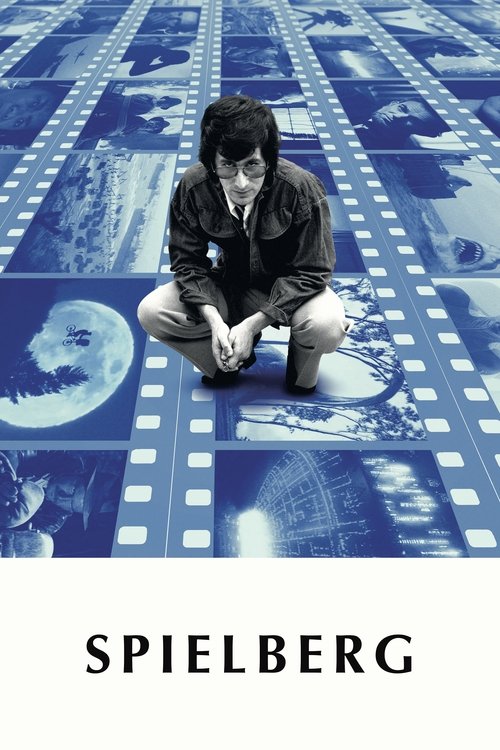
A documentary on the life and career of one of the most influential film directors of all time, Steven Spielberg.