
Photos
Vous aimerez aussi
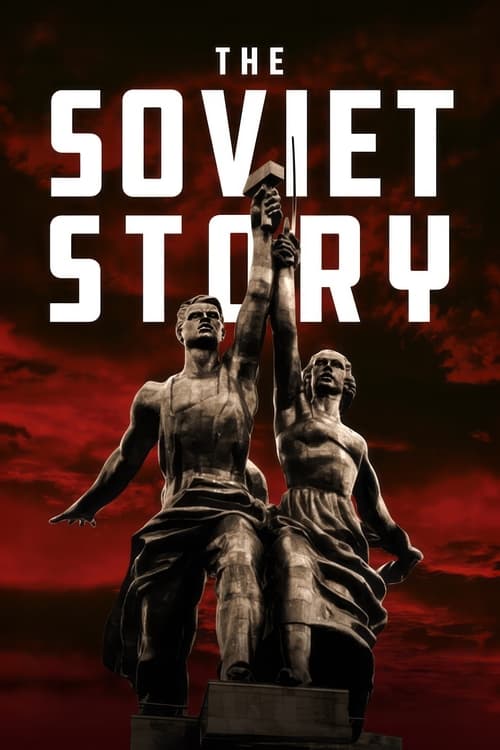
“The Soviet Story” is a story of an Allied power, which helped the Nazis to fight Jews and which slaughtered its own people on an industrial scale. Assisted by the West, this power triumphed on May 9th, 1945. Its crimes were made taboo, and the complete story of Europe’s most murderous regime has never been told. Until now...
The Soviet Story
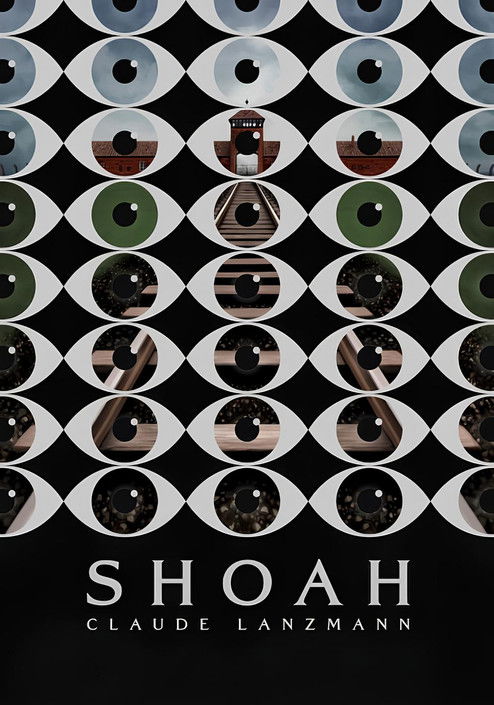
Claude Lanzmann a retrouvé des rescapés juifs des camps d’extermination. Il a traqué les nazis qui se cachaient et réussi à les filmer clandestinement. Il est retourné sur les lieux, dans les villages limitrophes de Chelmno, Ponari, Treblinka, Sobibor, Auschwitz, pour interroger les témoins polonais. Ni fiction – tous les protagonistes ont été en contact direct avec les camps –, ni documentaire – il ne s’agit pas d’une compilation de souvenirs –, Shoah est avant tout un film de la mémoire qui abolit la distance entre le passé et le présent. Sans recourir aux documents d’archives – il n’y a pas un cadavre dans cette œuvre pétrie de mort – ni aux “images chocs”, Shoah (“anéantissement”, “destruction”, en hébreu) démonte les rouages de la “solution finale”. “Nous avons lu, après la guerre, quantité de témoignages sur les ghettos, sur les camps d’extermination.
Shoah
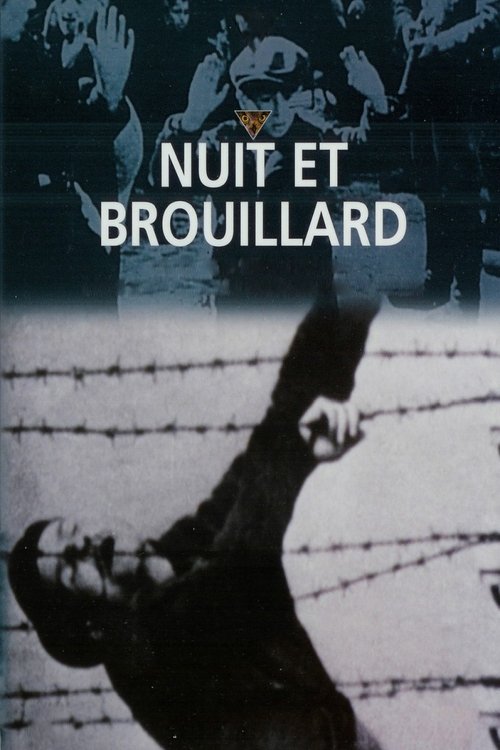
1955 : Alain Resnais, à la demande du comité d'histoire de la Seconde Guerre mondiale, se rend sur les lieux où des milliers d'hommes, de femmes et d'enfants ont perdu la vie. Il s'agit d'Orianenbourg, Auschwitz, Dachau, Ravensbruck, Belsen, Neuengamme, Struthof. Avec Jean Cayrol et l'aide de documents d'archives, il retrace le lent calvaire des déportés.
Nuit et Brouillard
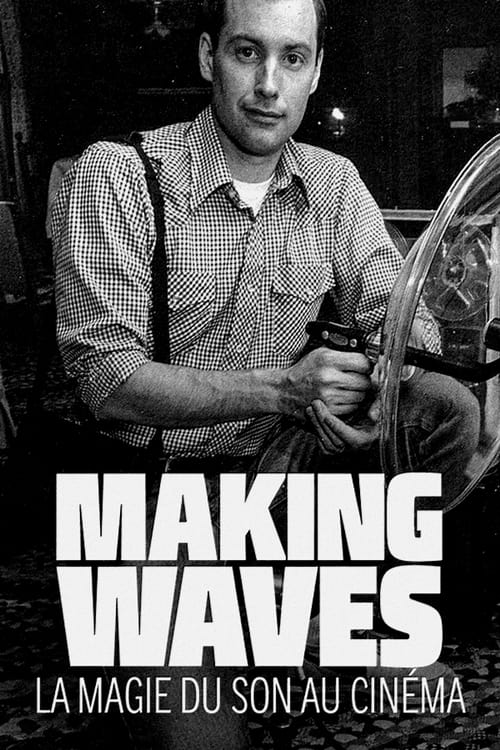
L'histoire du son au cinéma, racontée par des concepteurs sonores légendaires et des cinéastes visionnaires.
Making waves : la magie du son au cinéma
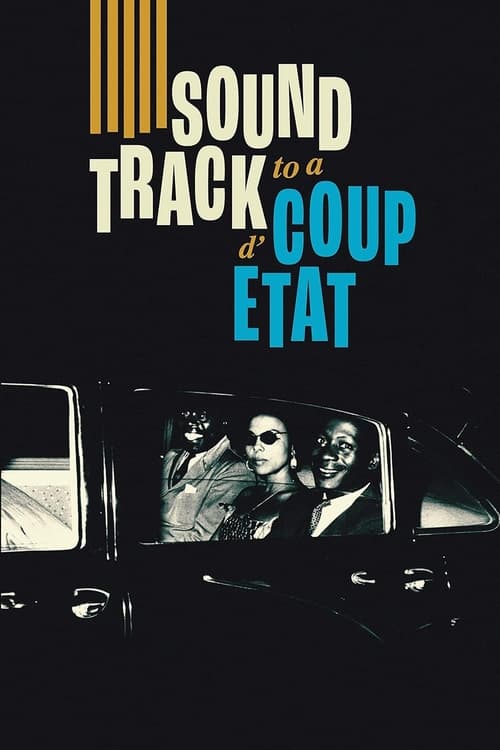
En 1960, les Nations unies : le Sud déclenche un séisme politique, les musiciens Abbey Lincoln et Max Roach s'incrustent au Conseil de sécurité, tandis que les États-Unis envoient l'ambassadeur du jazz Louis Armstrong au Congo pour détourner l'attention de leur premier coup d'État post-colonial africain.
Bande-son pour un coup d'État
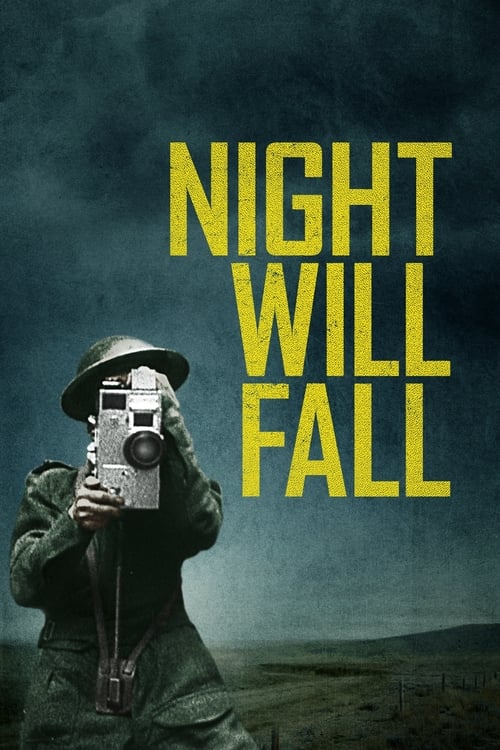
En 1945, le cinéaste Alfred Hitchcock est engagé pour superviser le montage d'un documentaire produit par l'armée britannique sur la libération des camps de concentration nazis. Un film qui était destiné à montrer au peuple allemand les atrocités qui avaient été commises en son nom par les nazis. Une fois le film terminé, celui-ci fut cependant enterré pour des raisons politiques et jamais diffusé. Il fut alors simplement déposé à l'Imperial War Museum, à Londres, où dans les années 1980, les pellicules y ont été redécouvertes par un chercheur américain. Le film a fait l'objet d'une restauration complète respectant les choix du cinéaste. "Night Will Fall" retrace l’histoire de ce film pas fini, qui était connue longtemps sous le nom "The missing Hitchcock"...
Images de la libération des camps. Chronique d’un film inachevé
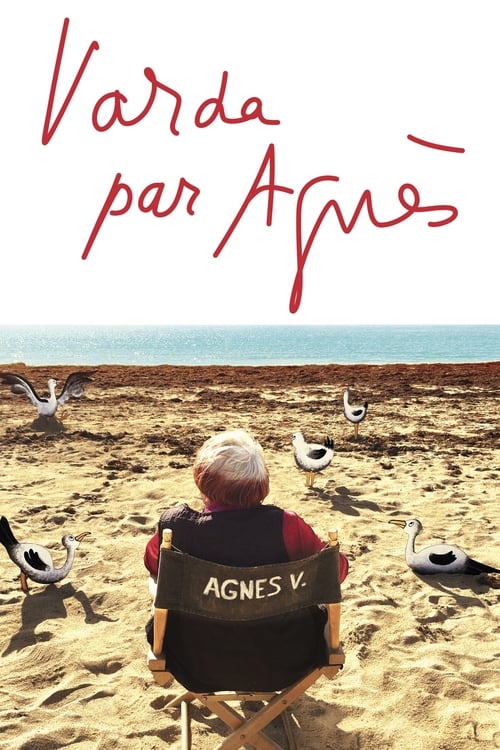
Agnès Varda prend place sur une scène de théâtre. Cette photographe professionnelle, artiste d'installation et pionnière de la Nouvelle Vague est une institution du cinéma français mais un féroce opposant à tout type de pensée institutionnelle. Dans ce film, elle offre un aperçu de son œuvre en utilisant des extraits de son travail pour illustrer - de manière plus associative que chronologique - ses visions et ses idées artistiques. Son discours vif, riche en anecdotes et intelligent est divisé en deux parties.
Varda par Agnès
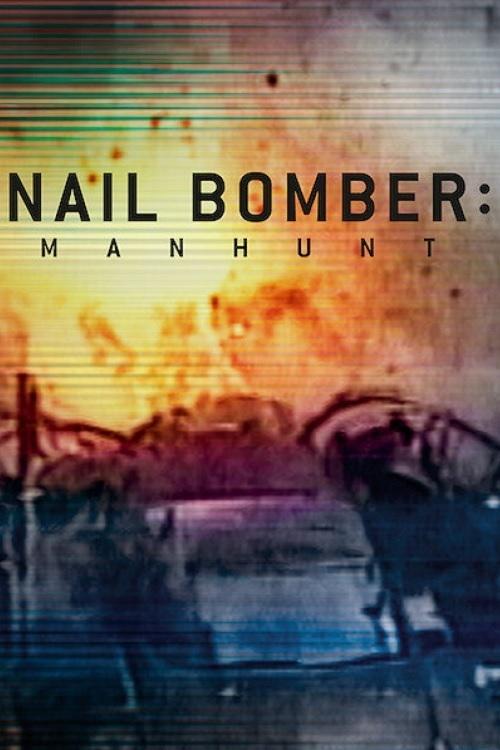
Ce documentaire examine les attentats à la bombe de Londres de 1999 qui ont visé les communautés noires, bangladaises et gays, et la course à la recherche de l'agresseur d'extrême droite. Il a terrorisé une ville, cherchant à déclencher une guerre raciale, mais la justice était rendue par ceux qui ne voulaient pas laisser sa haine l'emporter.
Nail Bomber : Le terroriste qui a fait trembler Londres
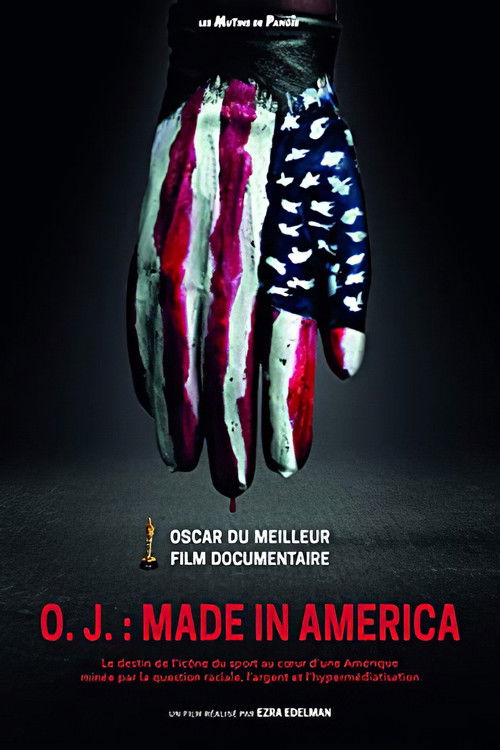
"O.J. - Made in America" retrace l'histoire de la race au cours des dernières décennies à travers la lentille de la montée et la chute de OJ Simpson. Il est peut-être la définition histoire culturelle de l'Amérique du 20e siècle, qui se concentre autour de deux des plus grands de notre pays fixations: race et célébrité. « JO: Made in America » explorera ces thèmes en traçant un parcours personnel, de la façon dont Orenthal James Simpson premier est devenu une star de football, la raison pour laquelle le pays est tombé en amour avec lui en dehors du terrain, à son être accusé du meurtre de son ex femme et son acquittement subséquent et pourquoi il est maintenant assis en prison 20 ans plus tard pour un autre crime.
O.J. - Made in America
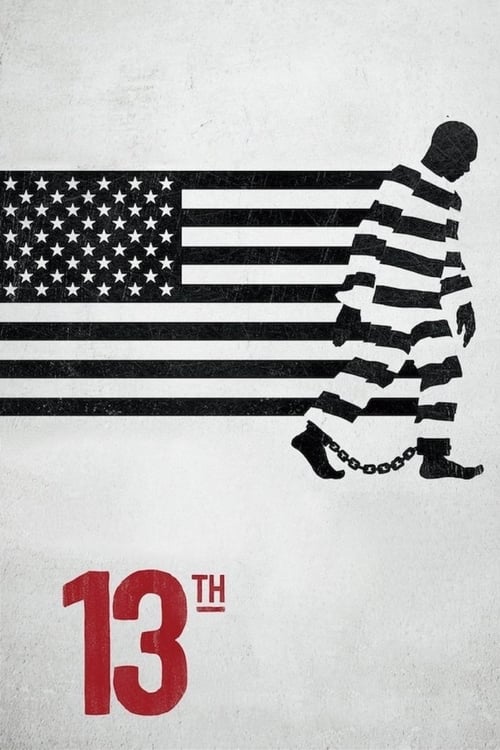
Dans ce documentaire sans concession, universitaires, militants et politiciens analysent la criminalisation des Afro-Américains et le boom des prisons aux États-Unis. Ce film mordant nommé aux Oscars a été sacré Meilleur documentaire aux Emmys, aux BAFTA et aux NAACP Image Awards.
Le 13e
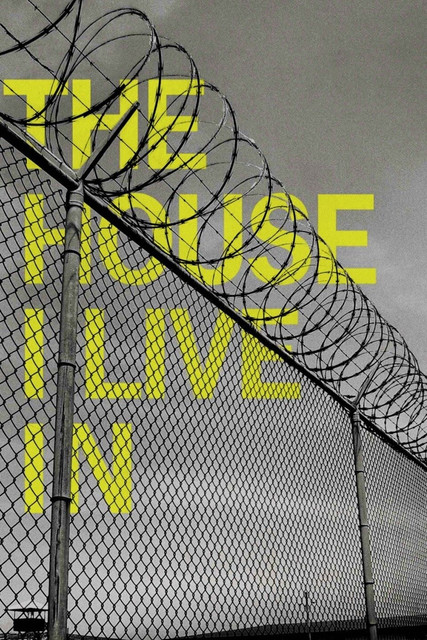
Politique d'amélioration de la santé publique ou instrument de contrôle des pauvres et des minorités ? Bilan de 35 ans de lutte contre la drogue aux États-Unis. Des quartiers défavorisés aux prisons, Eugene Jarecki s'immerge dans une Amérique parallèle, en proie à la misère et à l'illégalité.
Les États-Unis et la Drogue : une Guerre sans Fin
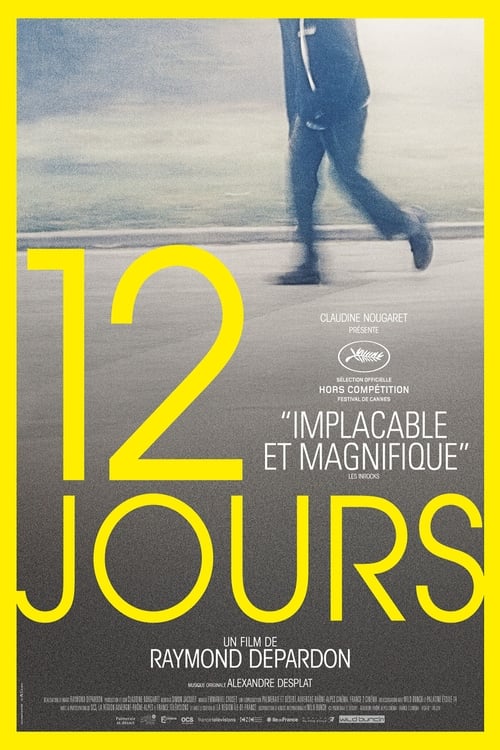
Avant 12 jours, les personnes hospitalisées en psychiatrie sans leur consentement sont présentées en audience, d’un côté un juge, de l’autre un patient, entre eux naît un dialogue sur le sens du mot liberté et de la vie.
12 jours
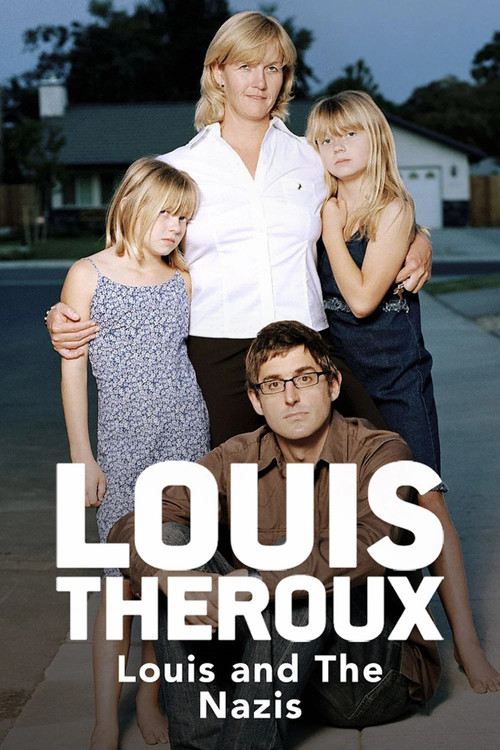
Louis Theroux travels to California to meet the man dubbed "the most dangerous racist in America"; Tom Metzger. Louis meets him, his family and his publicity manager as well as following him to skinhead rallies and on a visit to Mexico.
Louis Theroux: Louis and the Nazis

Documentaire making-off de l'épisode IX : Star Wars : L'Ascension de Skywalker.
The Skywalker Legacy
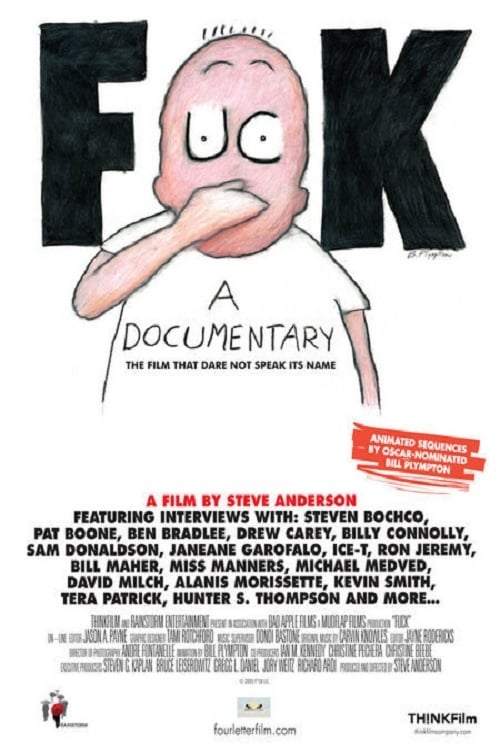
A documentary on the expletive's origin, why it offends some people so deeply, and what can be gained from its use.
Fuck
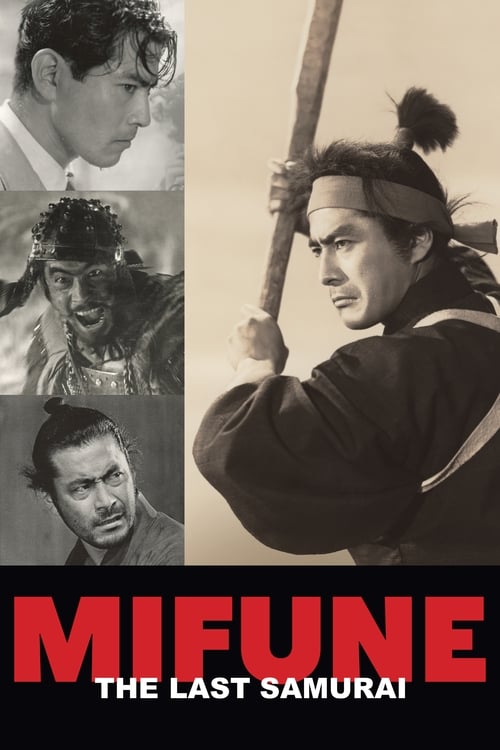
Un récit de la vie et de l'œuvre du légendaire acteur japonais Toshirō Mifune (1920-97), l'acteur le plus en vue de l'âge d'or du cinéma japonais.
Mifune, le dernier des samouraï
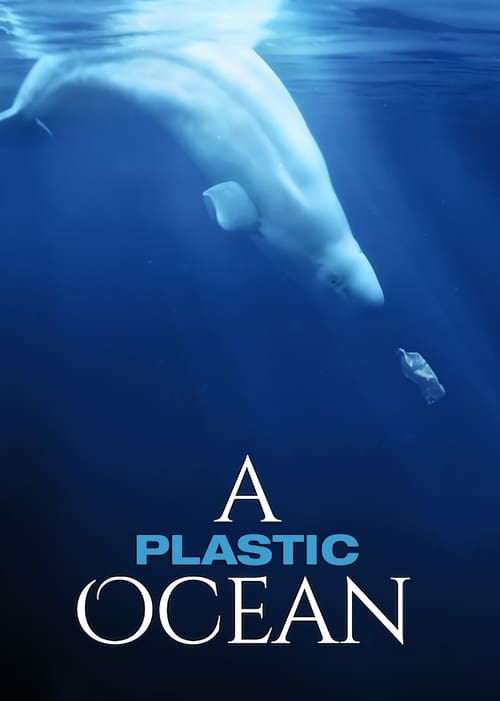
Ce documentaire montre l'amoncellement de débris plastiques flottants dans les océans et met en lumière les conséquences de cette forme de pollution sur l'environnement.
A Plastic Ocean
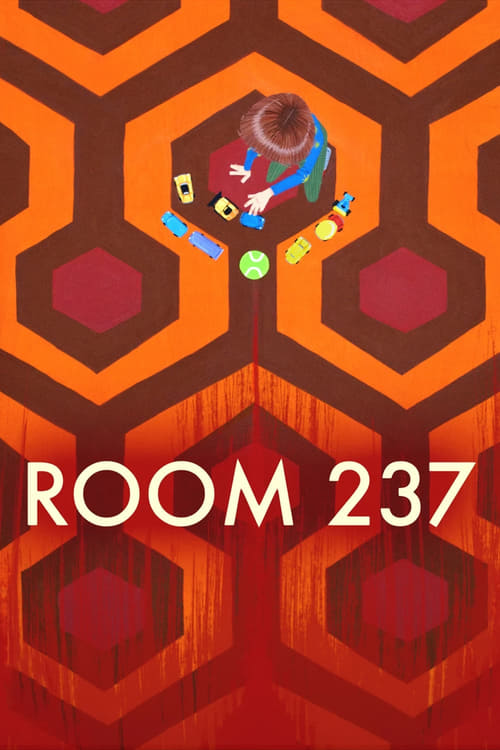
En 1980, Stanley Kubrick signe SHINING, qui deviendra un classique du cinéma d’horreur. A la fois admiré et vilipendé, le film est considéré comme une œuvre marquante du genre par de nombreux experts, tandis que d’autres estiment que Kubrick s’est dévoyé en la réalisant. Mais il y a aussi des fans acharnés qui ont voué leur vie au décryptage des messages cachés de ce film culte… Théories du complot ? Ont ils décrypté les messages secrets de Shining ?
Room 237

Diaries, audiotapes, videotapes and testimonials from friends and colleagues offer insight into the life and career of Gilda Radner -- the beloved comic and actress who became an icon on Saturday Night Live.
Love, Gilda
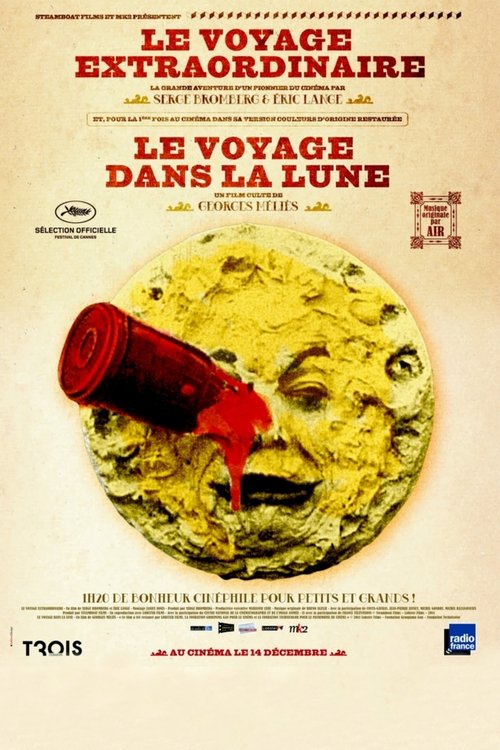
Un récit de la vie extraordinaire du pionnier du cinéma Georges Méliès (1861-1938) et l'histoire étonnante de la copie en couleur de son chef-d'œuvre « Un voyage dans la lune » (1902), retrouvée inopinément en Espagne et restaurée grâce aux efforts héroïques d'un groupe de vrais cinéphiles.