
Vous aimerez aussi
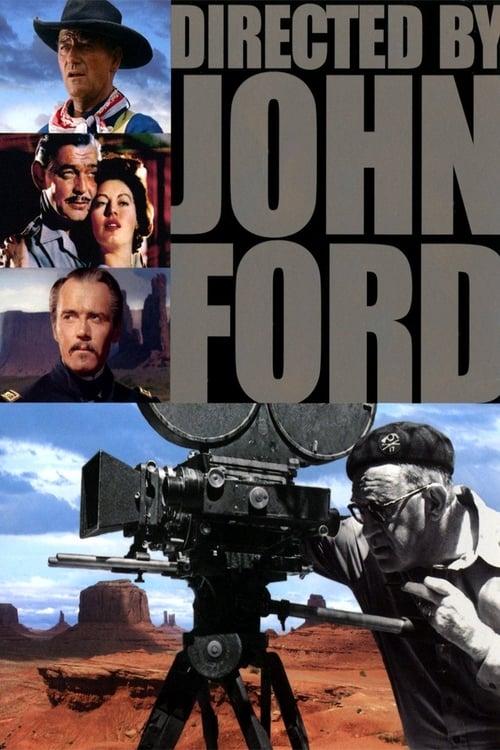
Un documentaire sur la vie et les films du réalisateur John Ford...
Directed by John Ford
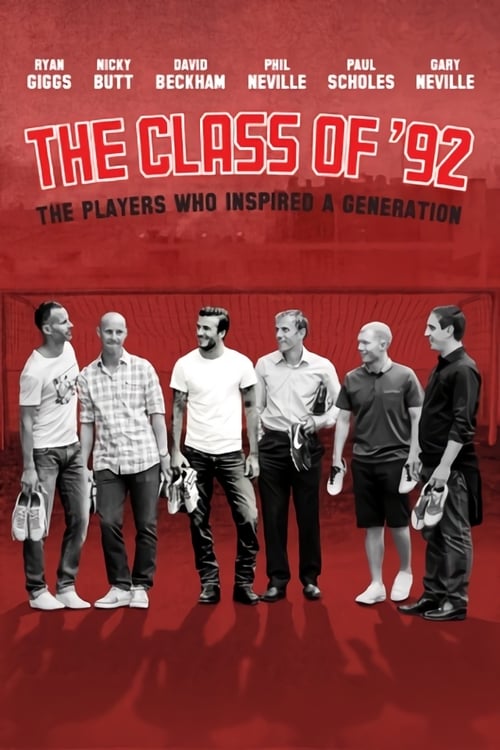
L'histoire de six garçons issus de la working-class anglaise de la banlieue de Manchester qui intègrent l'équipe de foot de leur ville en 1992.
The Class of ‘92

En 1945, le cinéaste Alfred Hitchcock est engagé pour superviser le montage d'un documentaire produit par l'armée britannique sur la libération des camps de concentration nazis. Un film qui était destiné à montrer au peuple allemand les atrocités qui avaient été commises en son nom par les nazis. Une fois le film terminé, celui-ci fut cependant enterré pour des raisons politiques et jamais diffusé. Il fut alors simplement déposé à l'Imperial War Museum, à Londres, où dans les années 1980, les pellicules y ont été redécouvertes par un chercheur américain. Le film a fait l'objet d'une restauration complète respectant les choix du cinéaste. "Night Will Fall" retrace l’histoire de ce film pas fini, qui était connue longtemps sous le nom "The missing Hitchcock"...
Images de la libération des camps. Chronique d’un film inachevé

Un regard personnel sur la vie, la carrière et le talent hors du commun de l’enfant terrible de la mode, Alexander McQueen, icône d’ascendance modeste qui a brillé comme une étoile filante... Mêlant témoignages exclusifs de sa famille et de ses proches, archives inédites, images et musiques bouleversantes, McQUEEN est un vibrant hommage en même temps qu’un portrait captivant de ce visionnaire aussi tourmenté qu’inspiré.
McQueen
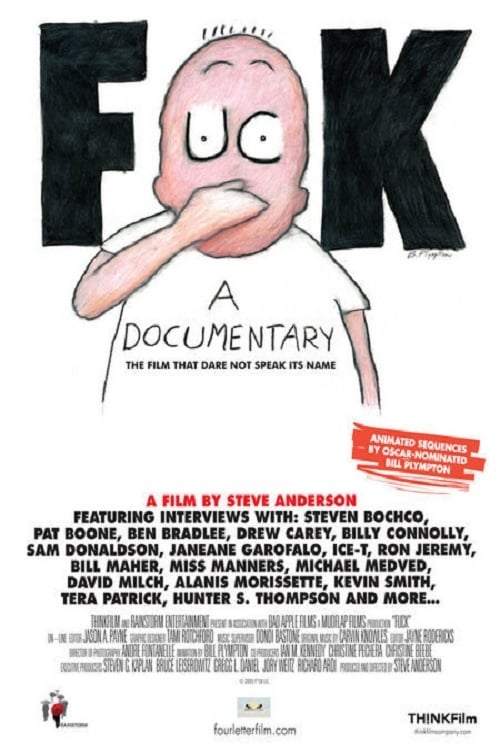
A documentary on the expletive's origin, why it offends some people so deeply, and what can be gained from its use.
Fuck
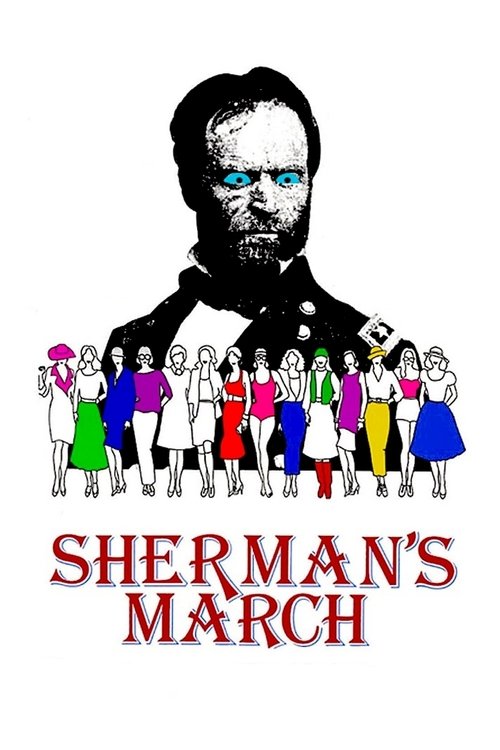
Ross McElwee sets out to make a documentary about the lingering effects of General Sherman's march of destruction through the South during the Civil War, but is continually sidetracked by women who come and go in his life, his recurring dreams of nuclear holocaust, and Burt Reynolds.
Sherman's March
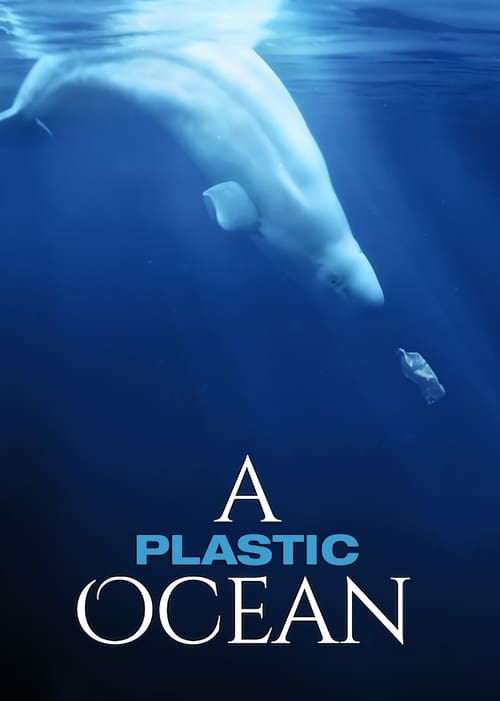
Ce documentaire montre l'amoncellement de débris plastiques flottants dans les océans et met en lumière les conséquences de cette forme de pollution sur l'environnement.
A Plastic Ocean
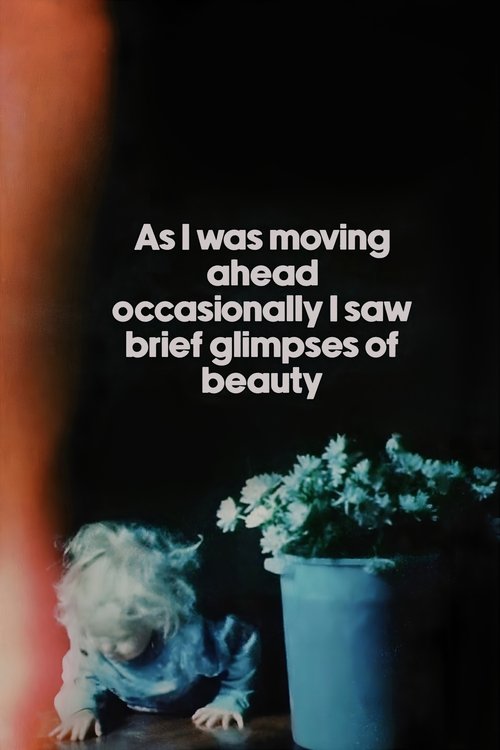
A compilation of over 30 years of private home movie footage shot by Lithuanian-American avant-garde director Jonas Mekas, assembled by Mekas "purely by chance", without concern for chronological order.
As I Was Moving Ahead, Occasionally I Saw Brief Glimpses of Beauty
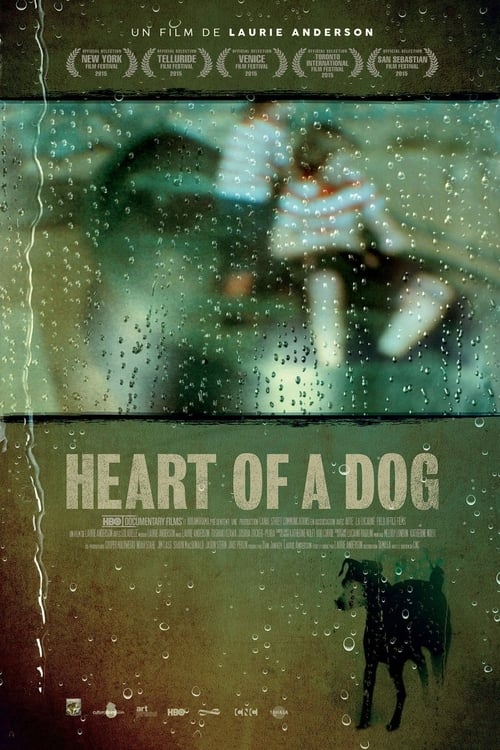
Centré sur le bien-aimé terrier de Laurie Anderson, sa chienne Lolabelle, qui est décédée en 2011, Heart of a Dog est un essai qui mêle souvenirs d’enfance, journal intime en vidéo, rêveries autour de la collecte de données, de la culture de surveillance, de la conception bouddhiste de la vie après la mort, et des hommages chaleureux aux artistes, musiciens et penseurs qui l’ont inspirée.
Heart of a Dog

Ce documentaire dévoile la vie d'Anna Nicole Smith, du sommet de sa carrière de mannequin à sa tragique disparition, à travers les yeux de ses proches.
Celle que vous croyez connaître : Anna Nicole Smith

En 1980, Stanley Kubrick signe SHINING, qui deviendra un classique du cinéma d’horreur. A la fois admiré et vilipendé, le film est considéré comme une œuvre marquante du genre par de nombreux experts, tandis que d’autres estiment que Kubrick s’est dévoyé en la réalisant. Mais il y a aussi des fans acharnés qui ont voué leur vie au décryptage des messages cachés de ce film culte… Théories du complot ? Ont ils décrypté les messages secrets de Shining ?
Room 237
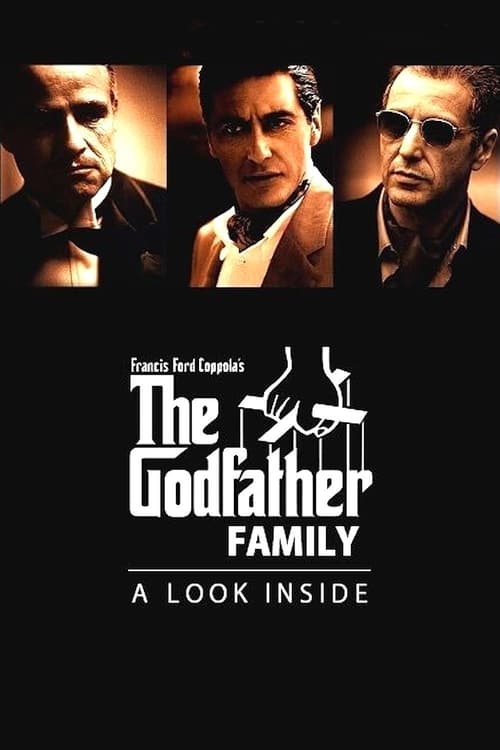
Un documentaire sur la fabrication des trois films "Le Parrain", avec entretiens et souvenirs des réalisateurs et des acteurs. Apparaissent aussi les essais à l'image de certains des acteurs pour le Parrain et quelques moments intimes sur le plateau du Parrain III.
The Godfather Family: A Look Inside

Réalisé par Colin Hanks et produit par Ryan Reynolds, John Candy: I Like Me donne la parole à ceux qui ont le mieux connu John. Ils racontent son histoire à leur façon à travers des films, des photos et des interviews d'archives inédites. C'est un documentaire sur la vie, la carrière et la disparition d'un des acteurs les plus aimés de tous les temps.
John Candy: I Like Me
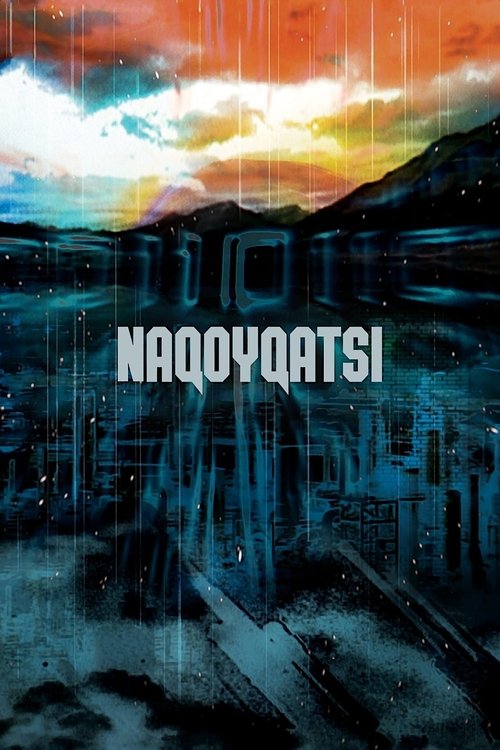
Un montage visuel de notre monde contemporain dominé par la technologie globalisé et la violence.
Naqoyqatsi
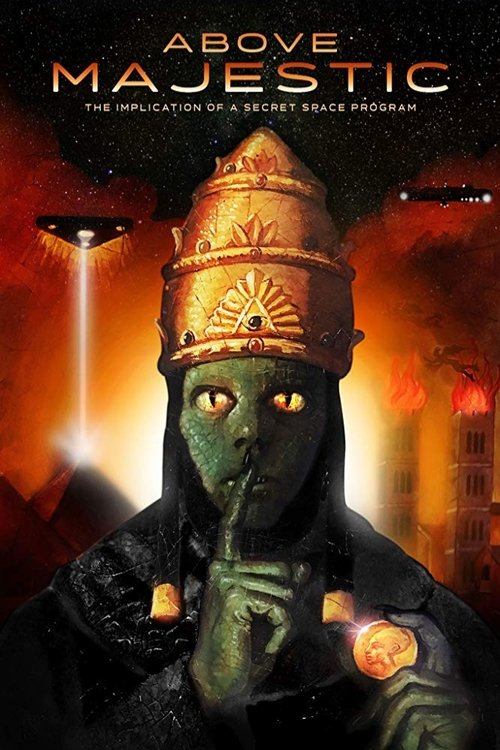
Le 10 septembre 2001, le Secrétaire à la Défense Donald Rumsfeld a annoncé que 2 300 milliards de dollars ne pouvaient pas être justifiés dans les dépenses du département de la Défense. Le lendemain, le bureau de l’analyste du budget du Pentagone a été détruit dans les attaques du 11 septembre. Above Majestic porte un regard choquant et provocateur sur ce qui serait nécessaire pour cacher au public un Programme Spatial Secret de plusieurs milliards de dollars (un groupe clandestin de militaires d’élite et de figures de proue des entreprises, chargés de comprendre le fonctionnement de technologies extraterrestres, aussi appelé “Majestic 12”) et les implications que cela aurait pour l’humanité. Le public est plongée dans les origines, les technologies, l’histoire, les dissimulations, les conspirations, les témoignages et la recherche dans Above Majestic. Avec les plus célèbres auteurs, chercheurs, lanceurs d’alerte et propagateurs du mouvement pour la vérité et l’entière divulgation.
Above Majestic
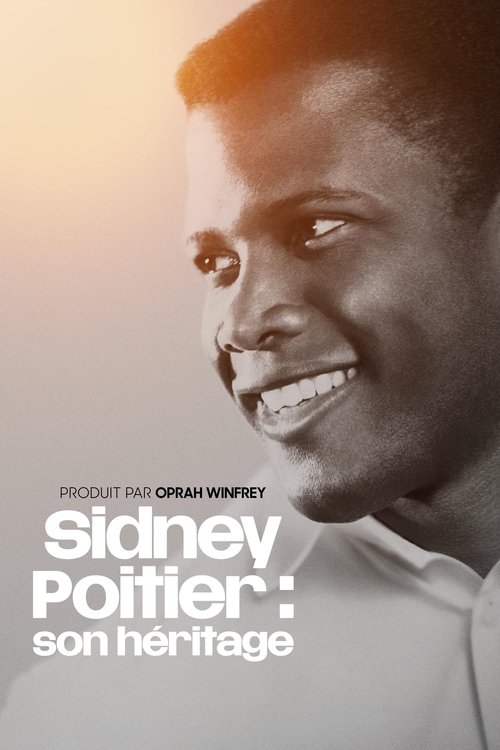
Réalisé par Oprah Winfrey, ce documentaire révélateur rend hommage au légendaire Sidney Poitier, acteur, cinéaste et militant des droits civiques. Découvrez des entretiens avec Denzel Washington, Spike Lee, Barbra Streisand, et bien d'autres.
Sidney Poitier : son héritage
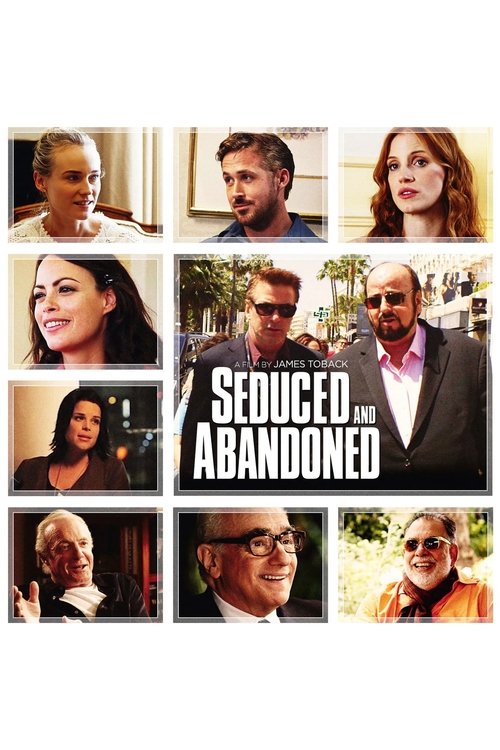
Un documentaire sur la difficulté de monter un film.
Seduced and Abandoned

L'actrice Mariska Hargitay, lauréate d'un Emmy® et d'un Golden Globe, se penche sur l'histoire de sa mère Jayne Mansfield, soixante ans après sa mort.
My Mom Jayne
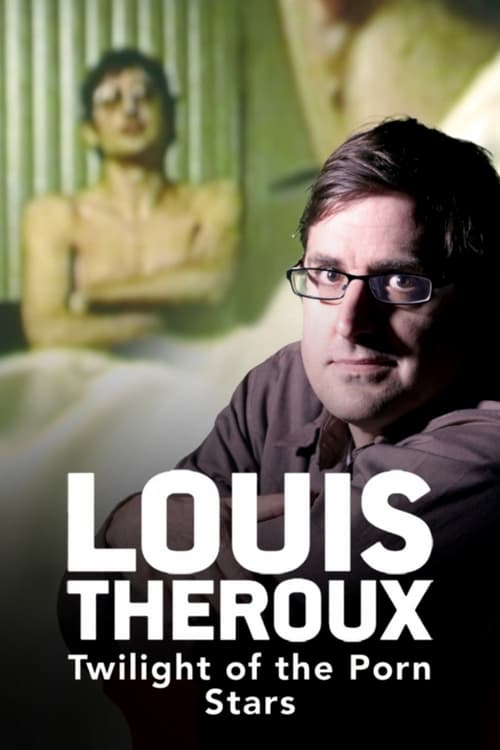
In 1997, Louis Theroux made a documentary about the world of male porn performers in Los Angeles. 15 years later, he returns to find a business struggling with the deluge of free porn on the internet. Louis revisits some of the original programme's contributors as well as meeting the latest crop of porn performers dreaming of porn stardom.
Louis Theroux: Twilight of the Porn Stars

The film follows adventurer Jeff Johnson as he retraces the epic 1968 journey of his heroes Yvon Chouinard and Doug Tompkins to Patagonia.