Synopsis
You might also like
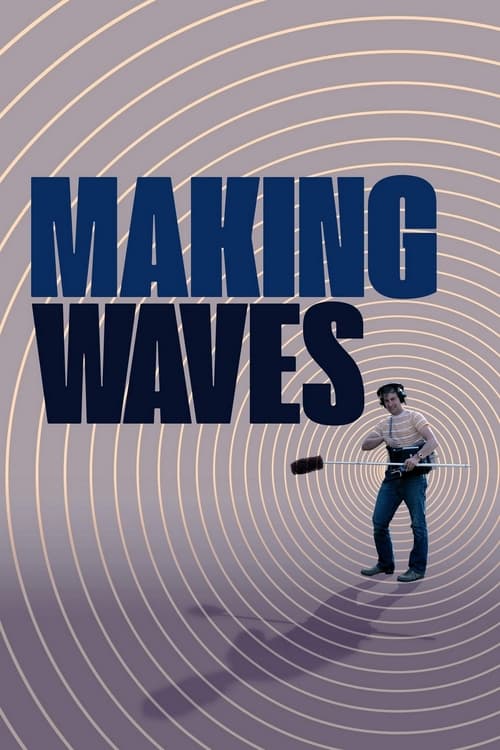
The history of cinematic sound, told by legendary sound designers and visionary filmmakers.
Making Waves: The Art of Cinematic Sound
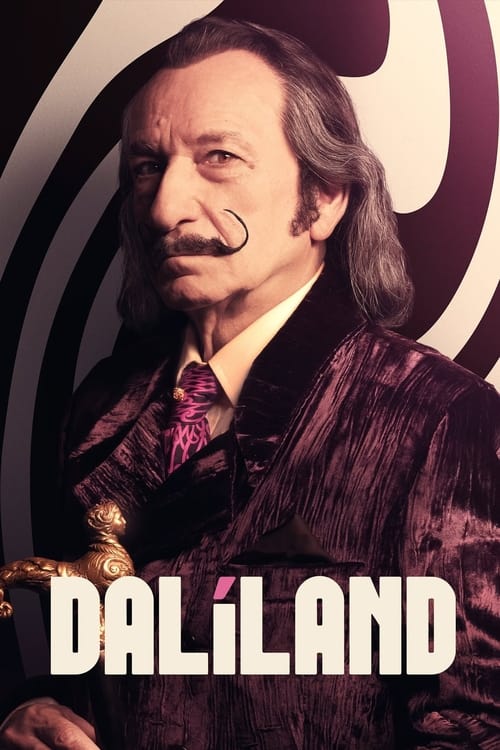
In 1973, a young gallery assistant goes on a wild adventure behind the scenes as he helps aging genius Salvador Dali prepare for a big show in New York.
Dalíland

Fr. Hugh O'Flaherty is a Vatican official in 1943-45 who has been hiding downed pilots, escaped prisoners of war, and Italian resistance families. His activities become so large that the Nazis decide to assassinate him the next time he leaves the Vatican.
The Scarlet and the Black
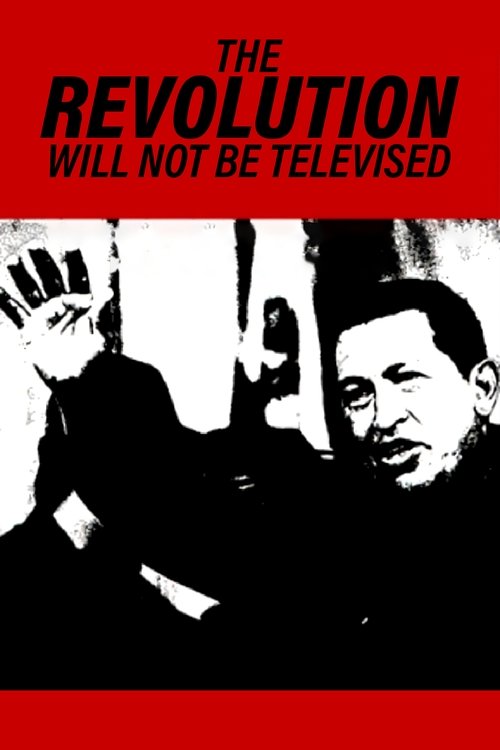
Hugo Chavez was a colourful, unpredictable folk hero who was beloved by his nation’s working class. He was elected president of Venezuela in 1998, and proved to be a tough, quixotic opponent to the power structure that wanted to depose him. When he was forcibly removed from office on 11 April 2002, two independent filmmakers were inside the presidential palace.
The Revolution Will Not Be Televised
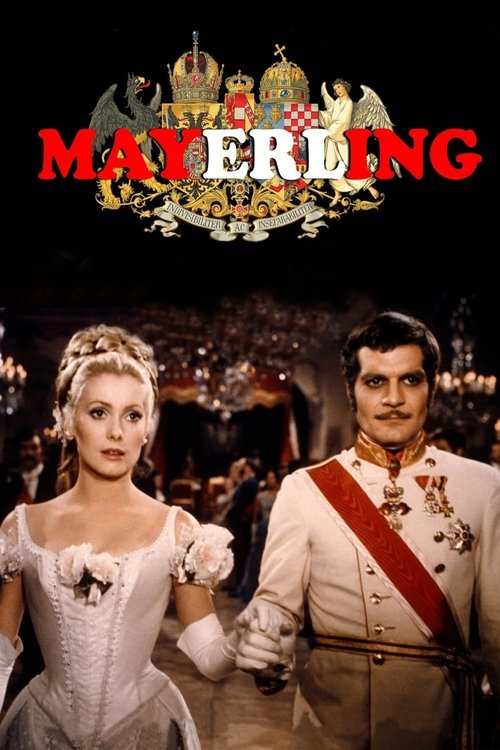
Crown Prince Rudolf of Austria clashes with his father, Emperor Franz Joseph I of Austria, over implementing progressive policies for their country. Rudolf soon feels he is a man born at the wrong time in a country that doesn't realize the need for social reform. The Prince of Wales, later to become Britain's King Edward VII, provides comic relief. Rudolf finds refuge from a loveless marriage with Princess Stéphanie by taking a mistress, Baroness Maria Vetsera. Their untimely demise at Mayerling, the imperial family's hunting lodge, is cloaked in mystery.
Mayerling

In the years before World War II, a penniless Japanese child is torn from her family to work as a maid in a geisha house.
Memoirs of a Geisha
Eccentric British painter J.M.W. Turner lives his last 25 years with gusto and secretly becomes involved with a seaside landlady, while his faithful housekeeper bears an unrequited love for him.
Mr. Turner
Oliver Stone charts the history of the United States from the Second World War to the present.
The Untold History Of The United States

The story of Mexican revolutionary Emiliano Zapata, who led a rebellion against the corrupt, oppressive dictatorship of president Porfirio Díaz in the early 20th century.
Viva Zapata!
As the Japanese surrender at the end of WWII, Gen. Fellers is tasked with deciding if Emperor Hirohito will be hanged as a war criminal. Influencing his ruling is his quest to find Aya, an exchange student he met years earlier in the U.S.
Emperor

In the town of Normal Valley, an eccentric magician named Maestro entertains the local children every day in his spooky mansion. One stormy night, the town's mayor leads a group of angry citizens to the mansion in an attempt to run Maestro out of town.
Ghosts
In czarist Russia, a neurotic soldier and his distant cousin formulate a plot to assassinate Napoleon.
Love and Death

What was a cunning plan from Lord Edmund Blackadder V to fake a time machine on his gullibly incompetent friends, turns out to be the real thing and hurls him and his imbecile underling, Baldrick, through the course of human history.
Blackadder: Back & Forth
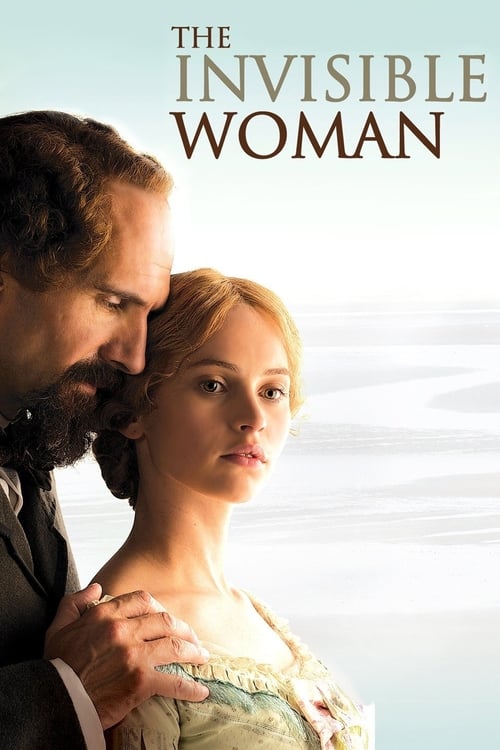
In 1857, at the height of his fame and fortune, novelist and social critic Charles Dickens meets and falls in love with teenage stage actress Nelly Ternan. As she becomes the focus of his heart and mind, as well as his muse, painful secrecy is the price both must pay.
The Invisible Woman
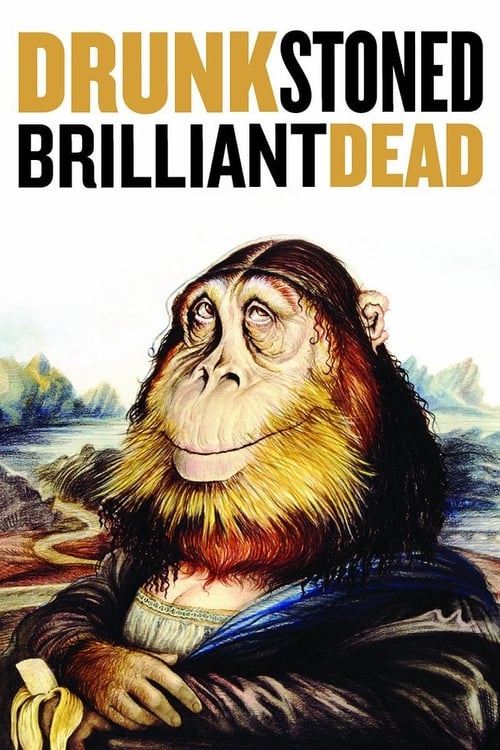
A look at the history of the American comedy publication and production company, National Lampoon, from its beginning in the 1970s to 2010, featuring rare and never before seen footage, this is the mind boggling story of The National Lampoon from its subversive and electrifying beginnings, to rebirth as an unlikely Hollywood heavyweight, and beyond. A humour empire like no other, the impact of the magazines irreverent, often shocking, sensibility was nothing short of seismic: this is an institution whose (drunk stoned brilliant) alumni left their fingerprints all over popular culture. Both insanely great and breathtakingly innovative, The National Lampoon created the foundation of modern comic sensibility by setting the bar in comedy impossibly high.
Drunk Stoned Brilliant Dead
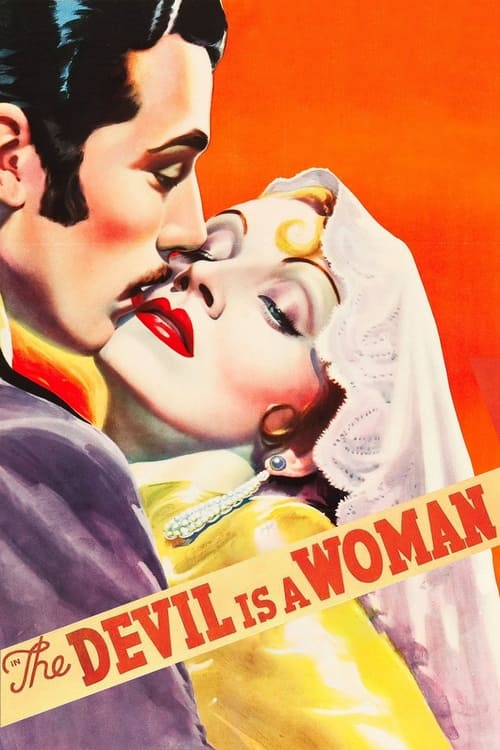
In the carnival in Spain in the beginning of the Twentieth Century, the exiled republican Antonio Galvan comes from Paris masquerade to enjoy the party and visit his friend Capt. Don Pasqual 'Pasqualito' Costelar. However, he flirts with the mysterious Concha Perez and they schedule to meet each other later. When Antonio meets Pasqualito, his old friend discloses his frustrated relationship with the promiscuous Concha and her greedy mother and how his life was ruined by his obsession for the beautiful demimondaine. Pasqualito makes Antonio promise that he would not see Concha. However, when Antonio meets Concha, she seduces him and the long friendship between Antonio and Pasqualito is disrupted
The Devil Is a Woman
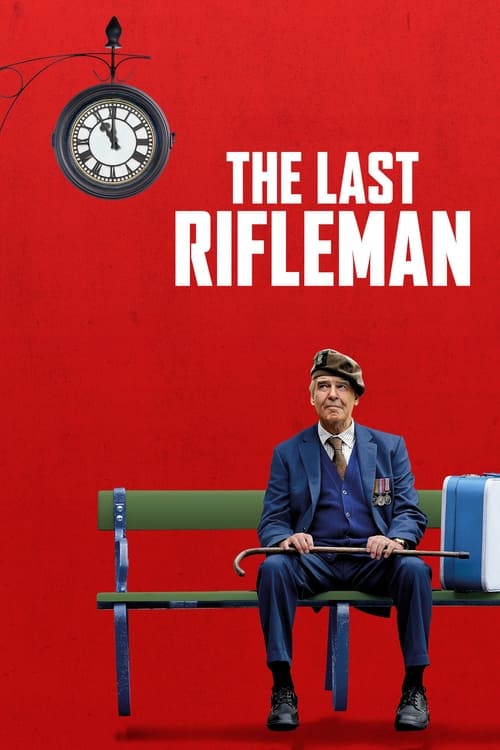
A WWII veteran escapes his care home in Northern Ireland and embarks on an arduous but inspirational journey to France to attend the 75th anniversary of the D-Day landings, finding the courage to face the ghosts of his past.
The Last Rifleman
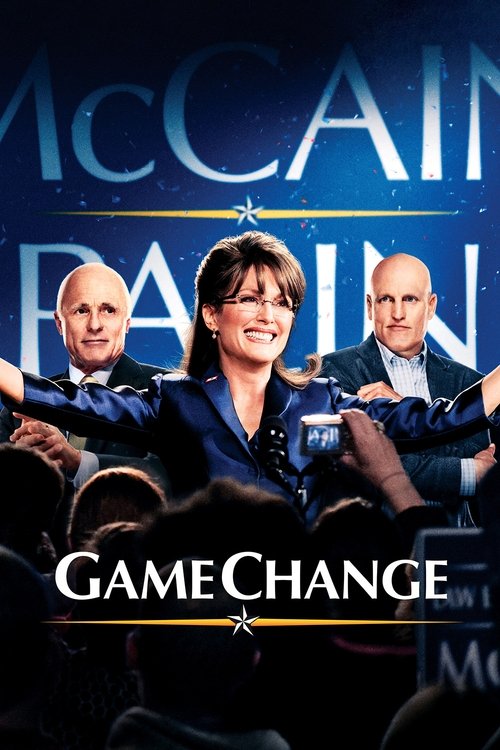
During the Republican run of the 2008 Presidential election, candidate John McCain picks a relative unknown, Alaskan governor Sarah Palin, to be his running mate. As the campaign kicks into high gear, her lack of experience, in both political and media savvy, becomes a drain upon McCain and his strategists.
Game Change

All Eyez on Me chronicles the life and legacy of Tupac Shakur, including his rise to superstardom as a hip-hop artist, actor, poet and activist, as well as his imprisonment and prolific, controversial time at Death Row Records. Against insurmountable odds, Tupac rose to become a cultural icon whose career and persona both continue to grow long after his passing.
All Eyez on Me
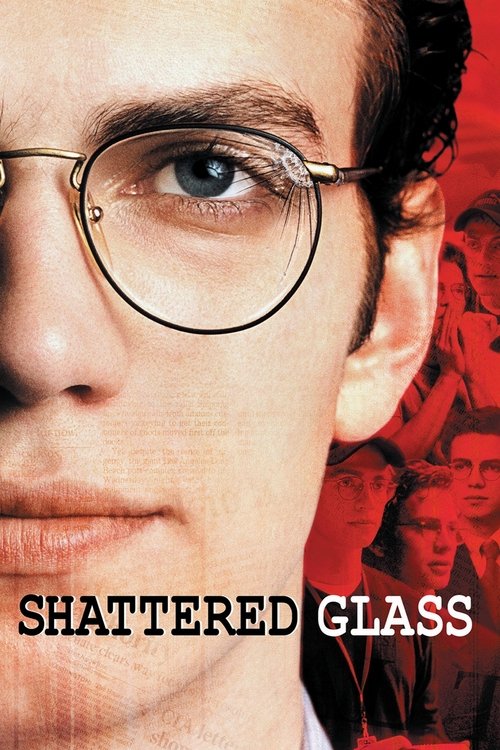
Stephen Glass is a staff writer for the respected current events and policy magazine The New Republic and a freelance feature writer for publications such as Rolling Stone, Harper's and George. By the mid-90s, Glass' articles had turned him into one of the most sought-after young journalists in Washington, but a bizarre chain of events - chronicled in Buzz Bissinger's September 1998 Vanity Fair article - suddenly stopped his career in its tracks.