O'Galop
Synopsis
You might also like
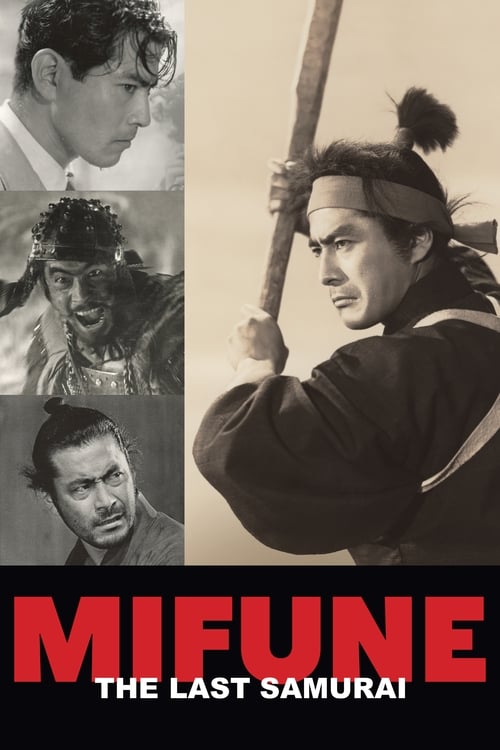
An account of the life and work of legendary Japanese actor Toshirō Mifune (1920-97), the most prominent actor of the Golden Age of Japanese cinema.
Mifune: The Last Samurai
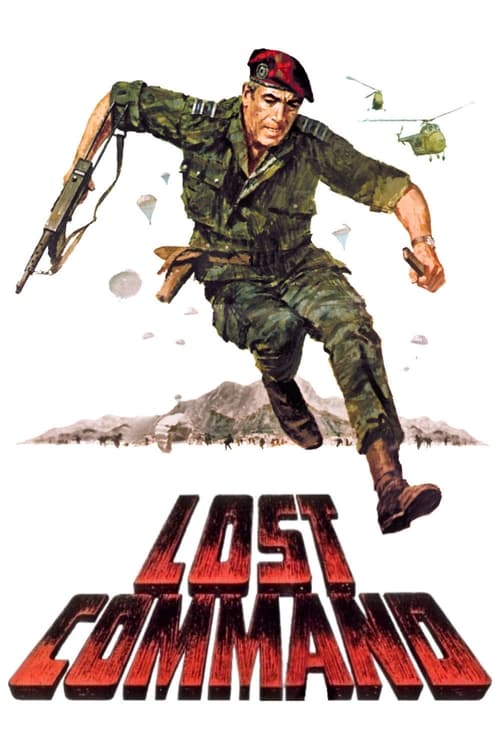
After being freed from a Vietnamese war prison, French Lt. Col. Pierre Raspeguy is sent to help quell resistance forces in Algeria. With the help of the Capt. Esclavier, who has grown weary of war, and Capt. Boisfeuras, who lives for it, Raspeguy attempts to convert a rugged band of soldiers into a formidable fighting unit, with the promise of marrying a beautiful countess if he's made a general.
Lost Command
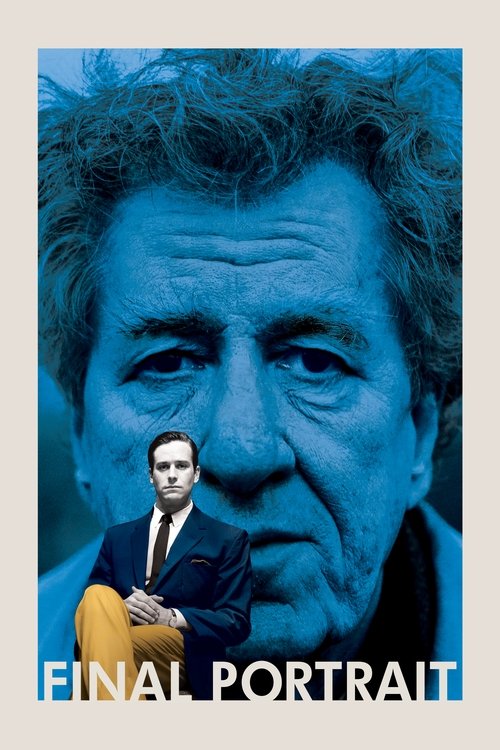
Paris, 1964. The Swiss sculptor and painter Alberto Giacometti, one of the most accomplished and respected artists of his generation, asks his friend, the American writer James Lord, to sit for a portrait, assuring him that it will take no longer than two or three hours, an afternoon at the most.
Final Portrait
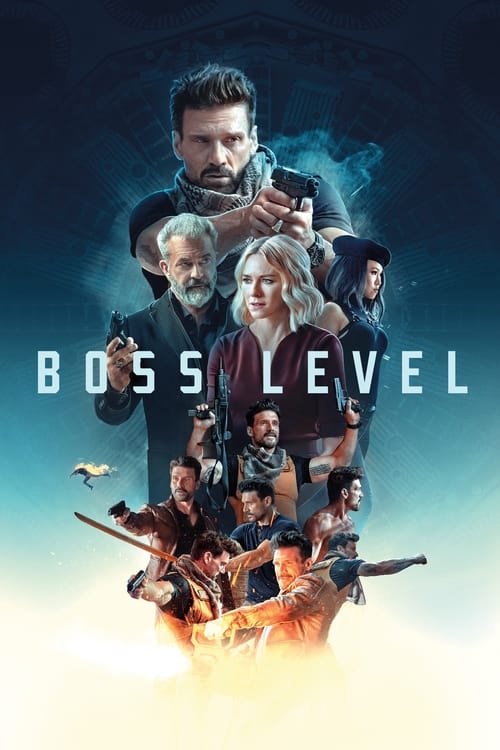
A former special forces agent is trapped in a time loop and relives his death over and over again. To escape the terrible situation, he must track down those responsible and stop them.
Boss Level
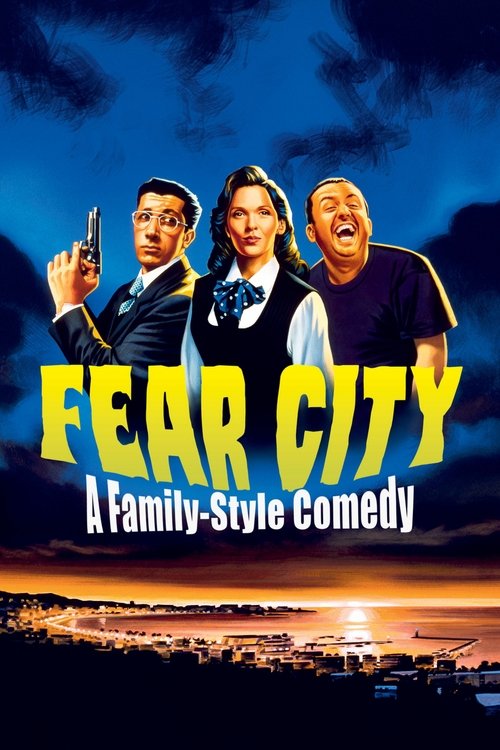
A second-class horror movie has to be shown at Cannes Film Festival, but, before each screening, the projectionist is killed by a mysterious fellow, with hammer and sickle, just as it happens in the film to be shown.
Fear City: A Family-Style Comedy
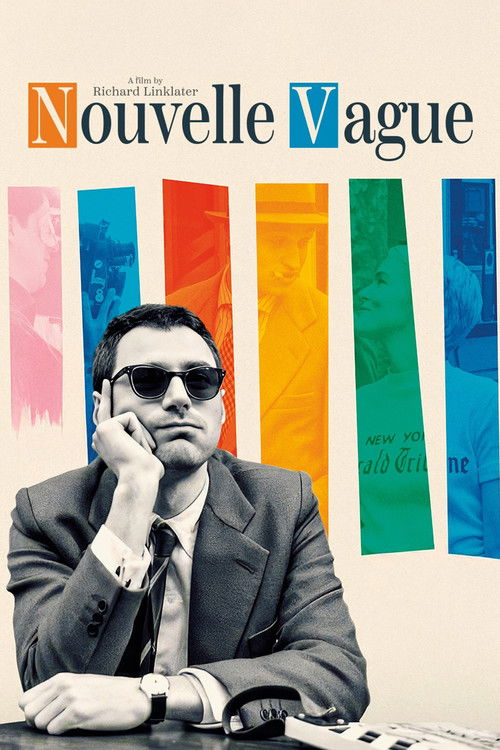
After writing for Cahiers du cinéma, a young Jean-Luc Godard decides making films is the best film criticism. He convinces producer Georges de Beauregard to fund a low-budget feature, and creates a treatment with fellow New Wave filmmaker François Truffaut about a gangster couple. The result? Breathless, one of the first features of the Nouvelle Vague era of French cinema.
Nouvelle Vague
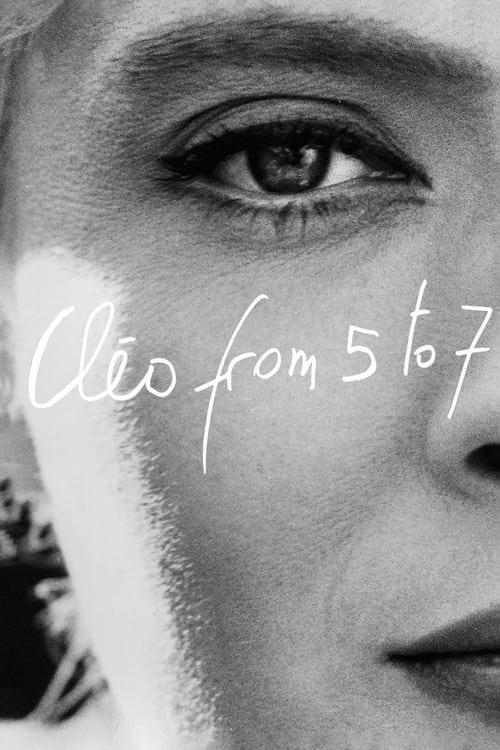
Agnès Varda eloquently captures Paris in the sixties with this real-time portrait of a singer set adrift in the city as she awaits test results of a biopsy. A chronicle of the minutes of one woman’s life, Cléo from 5 to 7 is a spirited mix of vivid vérité and melodrama, featuring a score by Michel Legrand and cameos by Jean-Luc Godard and Anna Karina.
Cléo from 5 to 7
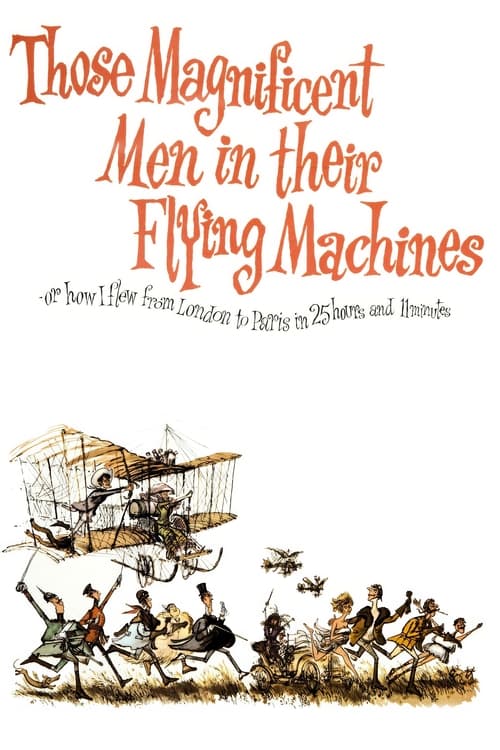
In order to boost circulation of his newspaper, Lord Rawnsley announces an air race and offers £10,000 to the first person who can fly across the English Channel. But one of the participants, Percy, plots to sabotage his competitor's planes. Will Percy triumph?
Those Magnificent Men in Their Flying Machines or How I Flew from London to Paris in 25 Hours 11 Minutes
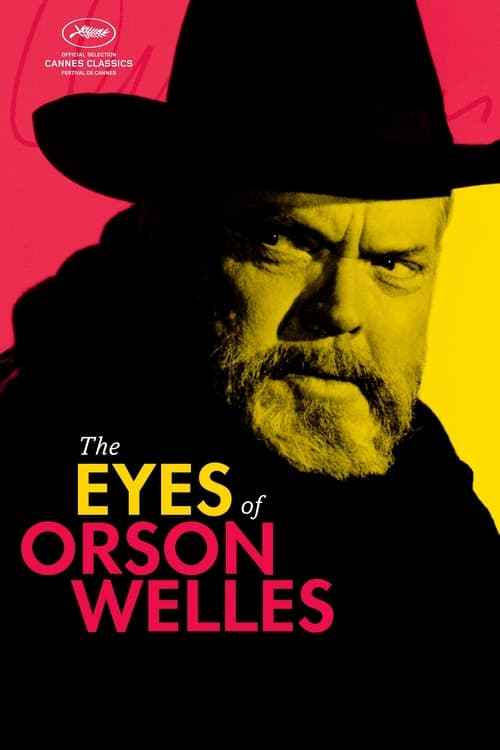
A poetic journey into the visual world of the legendary filmmaker and actor Orson Welles (1915-85) that reveals a new portrait of a unique genius, both of his life and of his monumental work: through his own eyes, drawn by his own hand, painted with his own brush.
The Eyes of Orson Welles
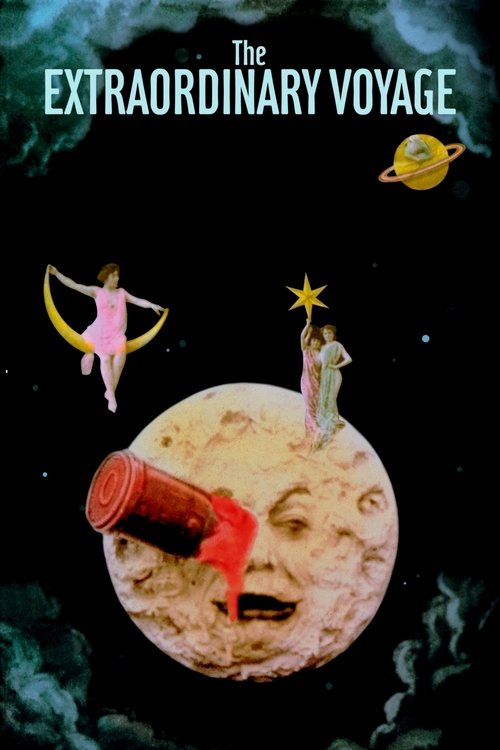
An account of the extraordinary life of film pioneer Georges Méliès (1861-1938) and the amazing story of the copy in color of his masterpiece A Trip to the Moon (1902), unexpectedly found in Spain and restored thanks to the heroic efforts of a group of true cinema lovers.
The Extraordinary Voyage
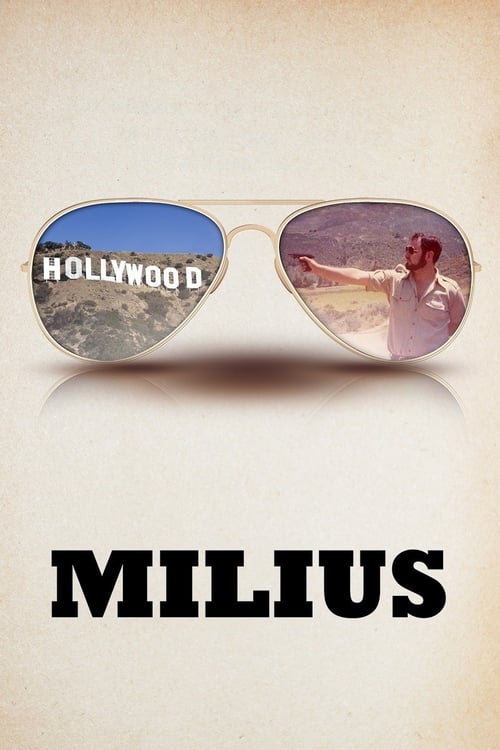
The life story of ‘Zen Anarchist’ filmmaker John Milius, one of the most influential storytellers of his generation.
Milius
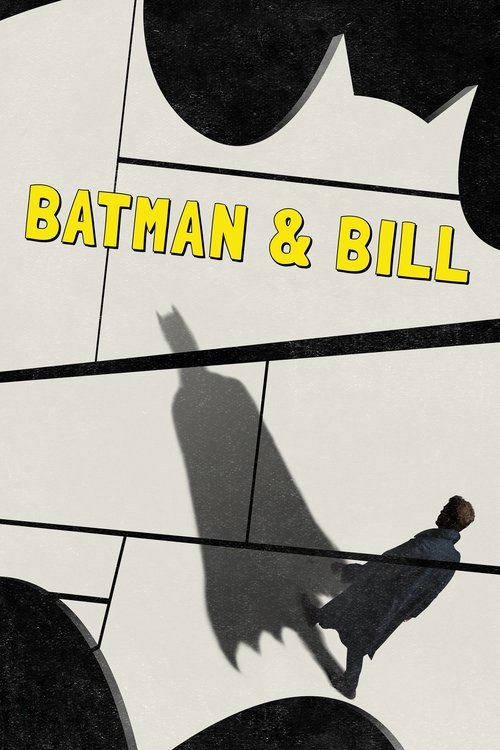
Everyone thinks that Bob Kane created Batman, but that’s not the whole truth. One author makes it his crusade to make it known that Bill Finger, a struggling writer, actually helped invent the iconic superhero, from concept to costume to the very character we all know and love. Bruce Wayne may be Batman’s secret identity, but his creator was always a true mystery.
Batman & Bill

When French painter Pierre Bonnard met Marthe de Méligny, he didn’t know this self-proclaimed aristocrat would become the cornerstone of his life and work. From this moment, she became more than just a muse for the “painter of happiness”, appearing in more than a third of his work. Together, they reached their artistic fulfillment thanks to a colourful love, different from the standards of their time, nurturing the great mystery around their relationship. Based on a true story.
Bonnard, Pierre and Marthe
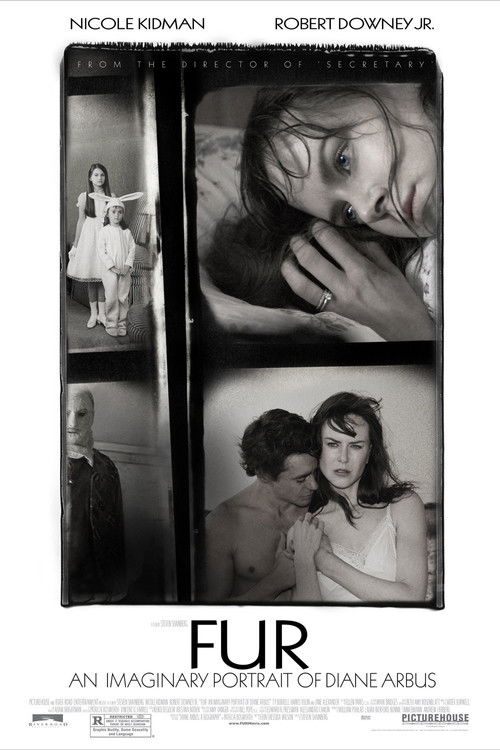
In 1958 New York Diane Arbus is a housewife and mother who works as an assistant to her husband, a photographer employed by her wealthy parents. Respectable though her life is, she cannot help but feel uncomfortable in her privileged world. One night, a new neighbor catches Diane's eye, and the enigmatic man inspires her to set forth on the path to discovering her own artistry.
Fur: An Imaginary Portrait of Diane Arbus
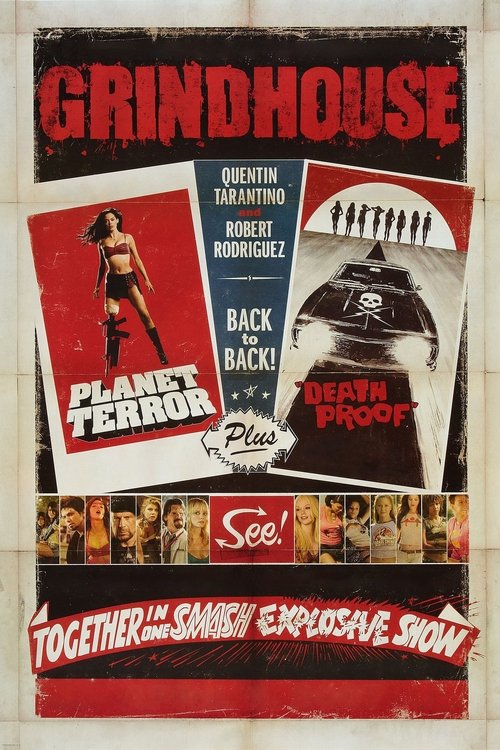
Grindhouse combines Robert Rodriguez's Planet Terror, a horror comedy about a group of survivors who battle zombie-like creatures, and Quentin Tarantino's Death Proof, an action thriller about a murderous stuntman who kills young women with modified vehicles. It is presented as a double feature with fictitious exploitation trailers preceding each segment.
Grindhouse
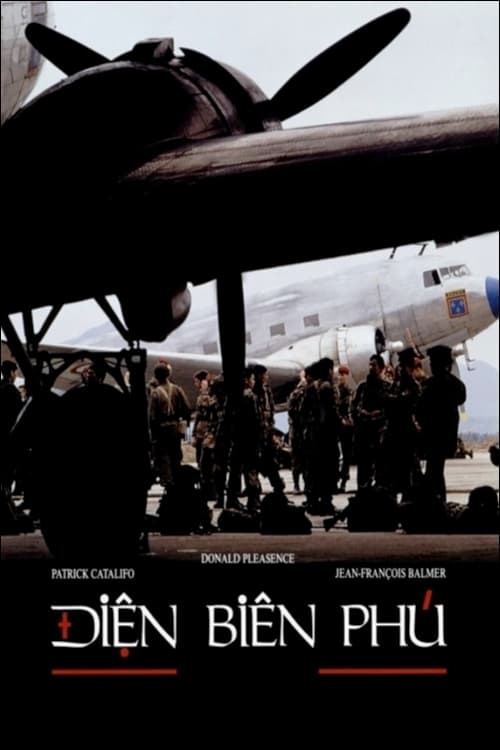
Vietnam, 1954. An American reporter finds himself in the middle of the battle of Điện Biên Phủ, between the French army and the Vietminh.
Diên Biên Phu

France, 1983. The biggest architectural competition in history is launched by the new socialist president, François Mitterrand. Coveted by all the biggest international architectural firms, the open-call competition is surprisingly won by an unknown: Johan Otto von Spreckelsen, an architecture teacher from Copenhagen. Until then, the fifty-year-old Dane had built only four buildings: his home, and three small chapels.
The Great Arch

Kraven Kravinoff's complex relationship with his ruthless gangster father, Nikolai, starts him down a path of vengeance with brutal consequences, motivating him to become not only the greatest hunter in the world, but also one of its most feared.
Kraven the Hunter
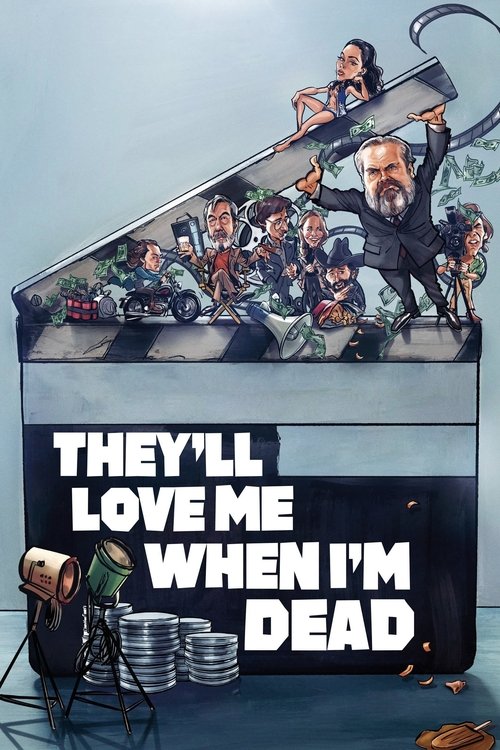
As his life comes to its end, famous Hollywood director Orson Welles puts it all on the line at the chance for renewed success with the film The Other Side of the Wind.
They'll Love Me When I'm Dead
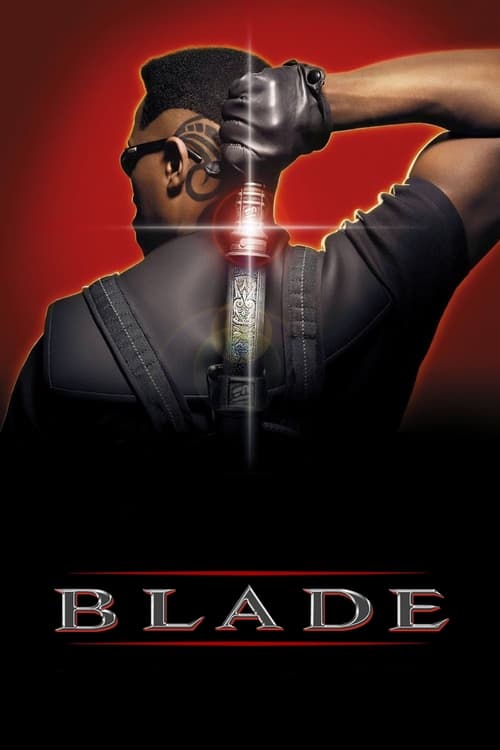
The Daywalker known as "Blade" - a half-vampire, half-mortal man - becomes the protector of humanity against an underground army of vampires.