Why Dalit?
Synopsis
You might also like

While investigating the global phenomenon of caste and its dark influence on society, a journalist faces unfathomable personal loss and uncovers the beauty of human resilience.
Origin

In 2019, Nepalese mountain climber Nirmal “Nims” Purja set out to do the unthinkable by climbing the world’s fourteen highest summits in less than seven months. (The previous record was eight years). He called the effort “Project Possible 14/7” and saw it as a way to inspire others to strive for greater heights in any pursuit. The film follows his team as they seek to defy naysayers and push the limits of human endurance.
14 Peaks: Nothing Is Impossible
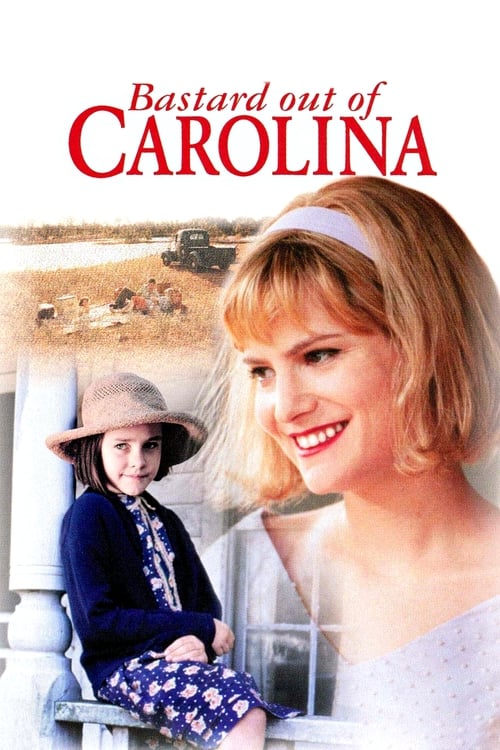
A poor, struggling South Carolinian mother and daughter face painful choices with their resolve and pride. Bone, the eldest daughter, and Anney her tired mother, grow both closer and farther apart: Anney sees Glen as her last chance.
Bastard Out of Carolina

A bronc rider in denial about his fading rodeo career battles against brain injury and a sudden blizzard while reflecting on how it became so difficult to achieve his dreams.
Broke
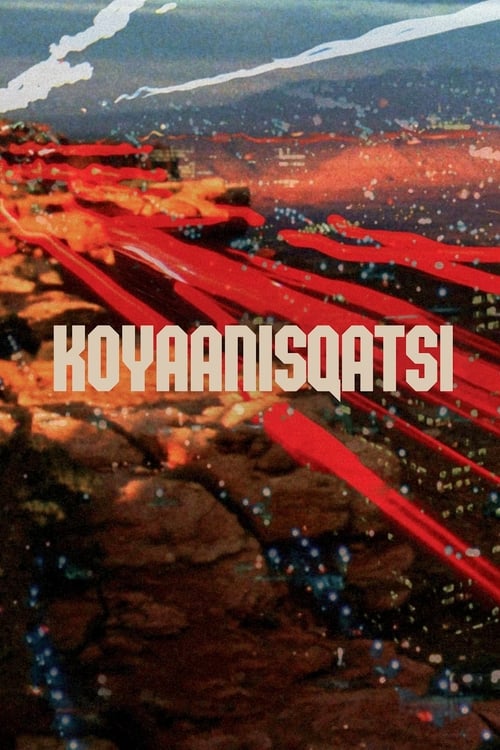
Takes us to locations all around the US and shows us the heavy toll that modern technology is having on humans and the earth. The visual tone poem contains neither dialogue nor a vocalized narration: its tone is set by the juxtaposition of images and the exceptional music by Philip Glass.
Koyaanisqatsi
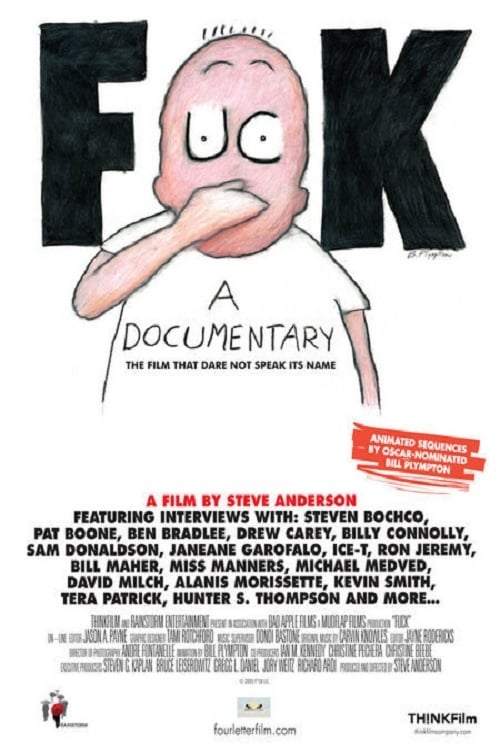
A documentary on the expletive's origin, why it offends some people so deeply, and what can be gained from its use.
Fuck
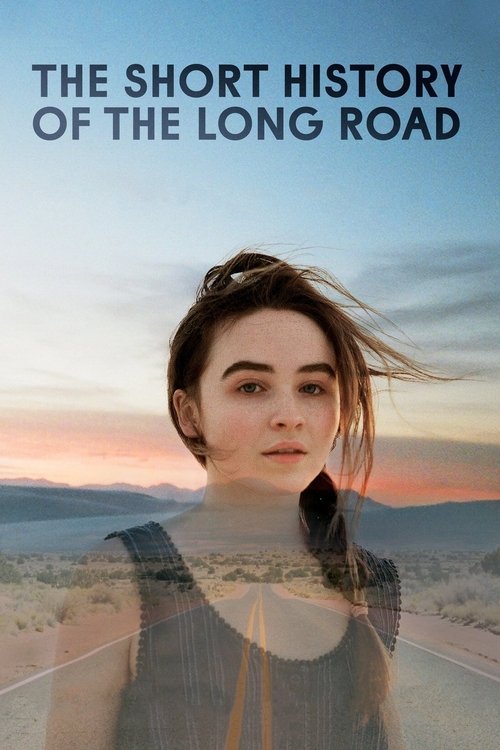
Nola grew up living in a van with her father, Clint—two nomads against the world. When tragedy strikes, Nola must confront the reality of life on the road alone, learning to own her grief, her past, and her new destination.
The Short History of the Long Road
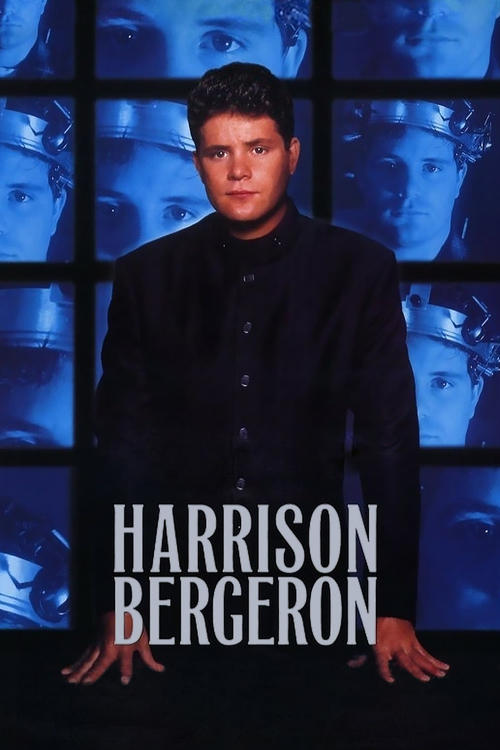
"All men are not created equal. It is the purpose of the Government to make them so." This is the premise of the Showtime film adaption of Kurt Vonnegut's futuristic short story Harrison Bergeron. The film centers around a young man (Harrison) who is smarter than his peers, and is not affected by the usual "Handicapping" which is used to train all Americans so everyone is of equal intelligence.
Harrison Bergeron
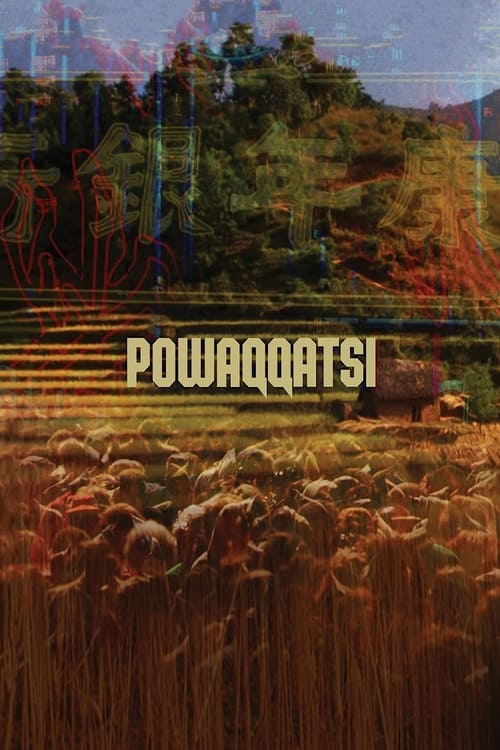
An exploration of technologically developing nations and the effect the transition to Western-style modernization has had on them.
Powaqqatsi
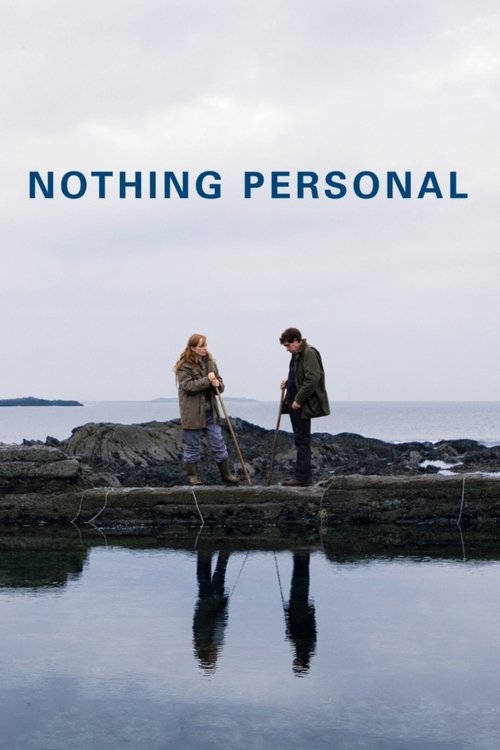
Alone in her empty flat, from her window Anne observes the people passing by who nervously snatch up the personal belongings and pieces of furniture she has put out on the pavement. Her final gesture of taking a ring off her finger signals she is leaving her previous life in Holland behind. She goes to Ireland, where she chooses to lead a solitary, wandering existence, striding through the austere landscapes of Connemara. During her travels, she discovers a house that is home to a hermit, Martin.
Nothing Personal
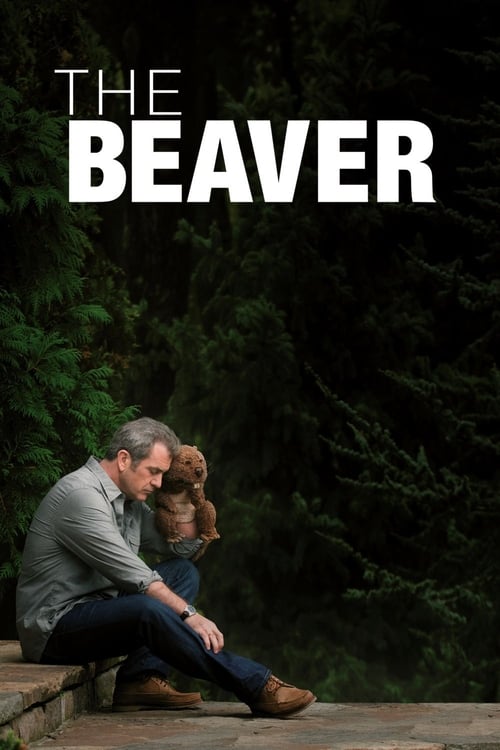
Suffering from a severe case of depression, toy company CEO Walter Black begins using a beaver hand puppet to help him open up to his family. With his father seemingly going insane, adolescent son Porter pushes for his parents to get a divorce.
The Beaver
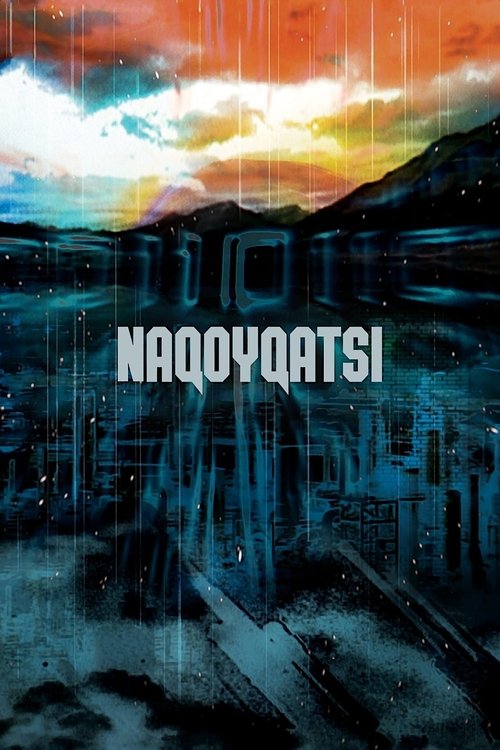
A visual montage portrait of our contemporary world dominated by globalized technology and violence.
Naqoyqatsi
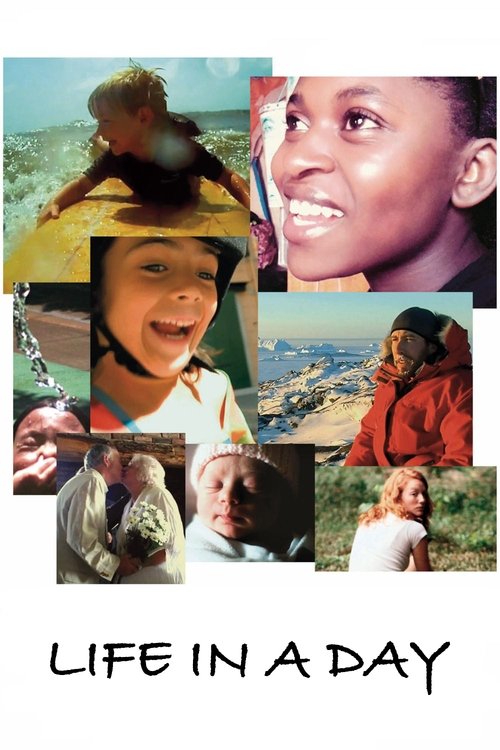
A documentary shot by filmmakers all over the world that serves as a time capsule to show future generations what it was like to be alive on the 24th of July, 2010.
Life in a Day
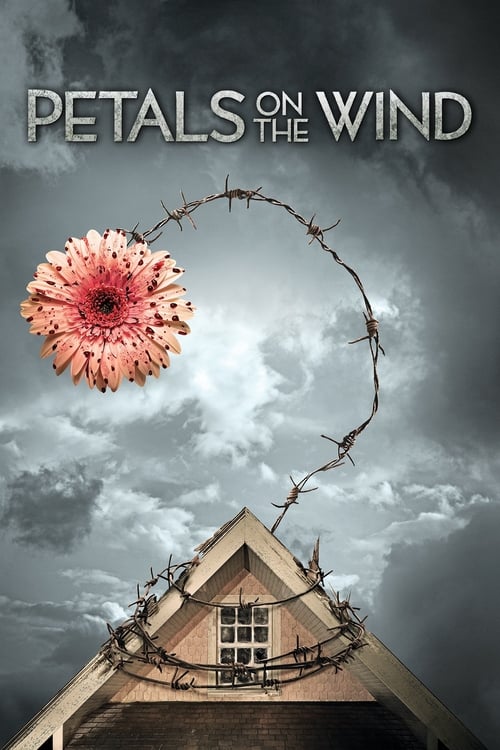
This sequel to Flowers in the Attic picks up 10 years after Cathy, Chris and Carrie managed to escape Foxworth Hall.
Petals on the Wind
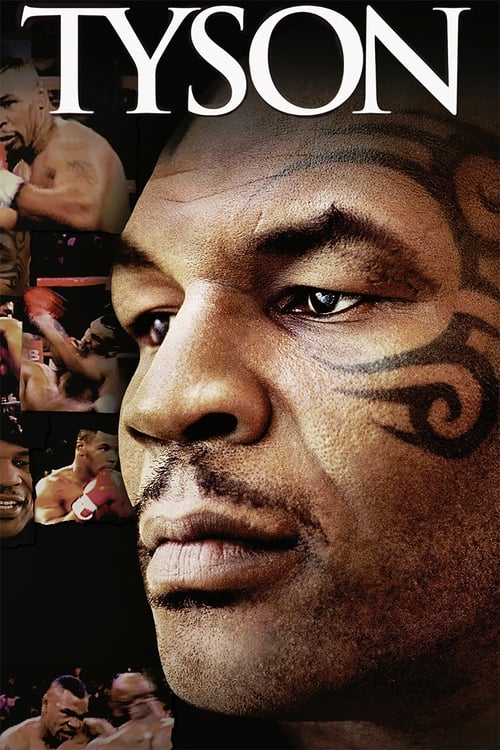
Director James Toback takes an unflinching, uncompromising look at the life of Mike Tyson--almost solely from the perspective of the man himself. TYSON alternates between the controversial boxer addressing the camera and shots of the champion's fights to create an arresting picture of the man.
Tyson
Beautiful half-breed Pearl Chavez becomes the ward of her dead father's first love and finds herself torn between her sons, one good and the other bad.
Duel in the Sun

On a whim, a greedy tycoon decides to corner the world market in wheat. This doubles the price of bread, forcing grain producers into charity lines and others further into poverty. The film contrasts the differences between the lives of those who work to grow the wheat and the life of the man who dabbles in its sale for profit.
A Corner in Wheat
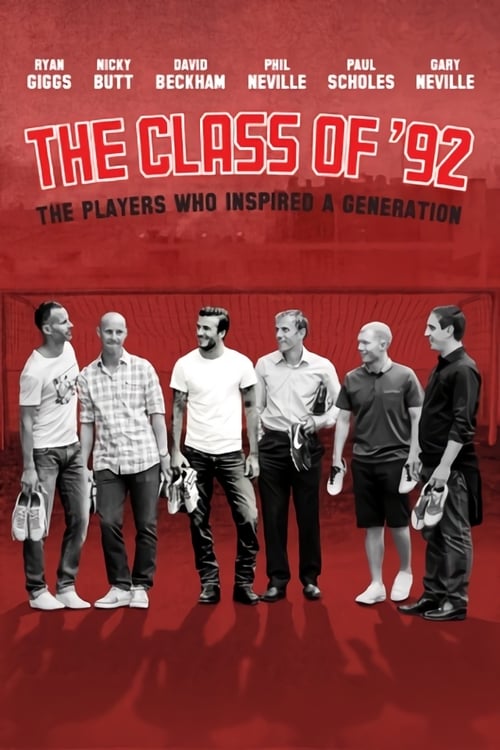
A detailing of the rise to prominence and global sporting superstardom of six supremely talented young Manchester United football players (David Beckham, Nicky Butt, Ryan Giggs, Paul Scholes, Phil and Gary Neville). The film covers the period 1992-1999, culminating in Manchester United's European Cup triumph.
The Class of ‘92

A pair of twin brothers from East L.A. choose to live their lives differently and end up on opposite sides of the law.
El Chicano
When young dad, Joe, discovers he's dying, drifter Charlie is given a unique opportunity to turn his life around. A story of family, identity and starting again.