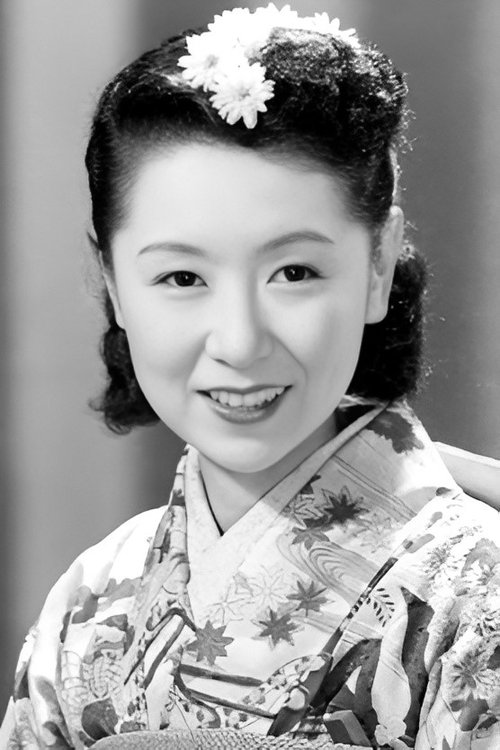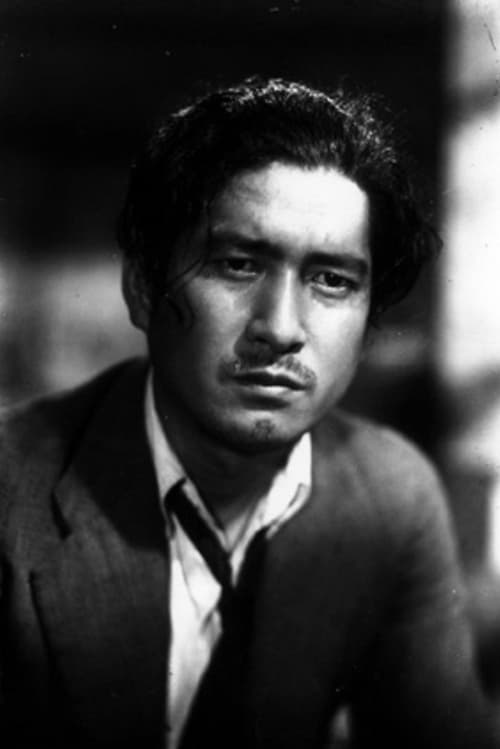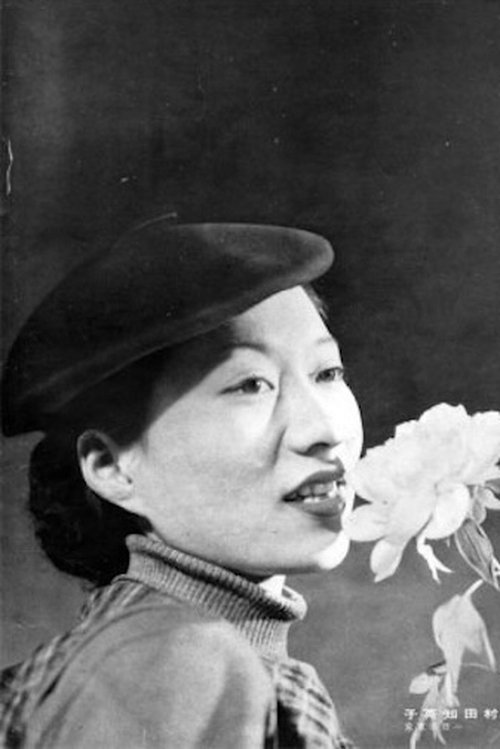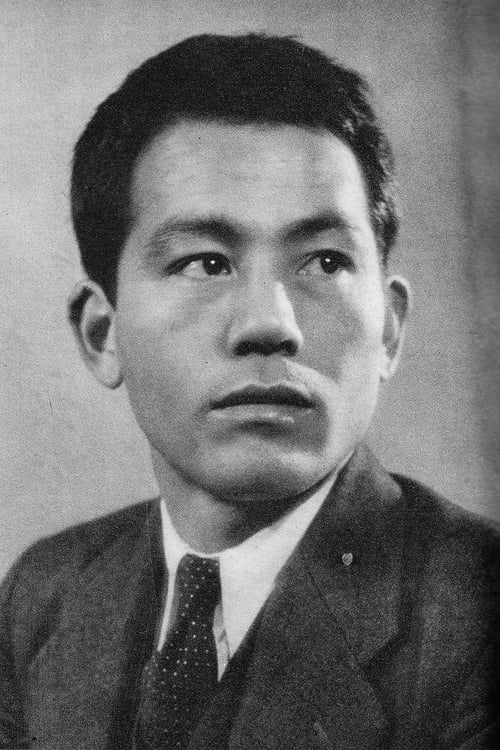
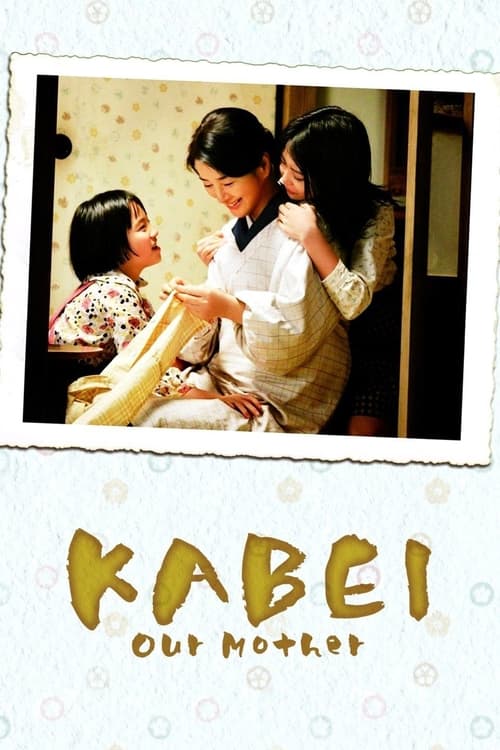
Set in Tokyo in 1940, the peaceful life of the Nogami Family suddenly changes when the father, Shigeru, is arrested and accused of being a Communist. His wife Kayo works frantically from morning to night to maintain the household and bring up her two daughters with the support of Shigeru's sister Hisako and Shigeru's ex-student Yamazaki, but her husband does not return. WWII breaks out and casts dark shadows on the entire country, but Kayo still tries to keep her cheerful determination, and sustain the family with her love. This is an emotional drama of a mother and an eternal message for peace.
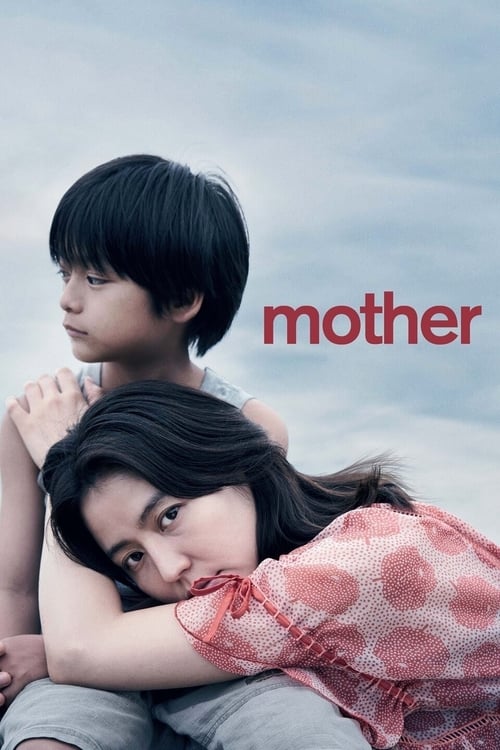
Shuhei is leading a tough life. His alcoholic mother Akiko can only hook up with bad guys and order Shuhei to go get money from his disapproving grandparents instead of going to school. Except raising the little half-sister, his rock-bottom life seems to have no end.
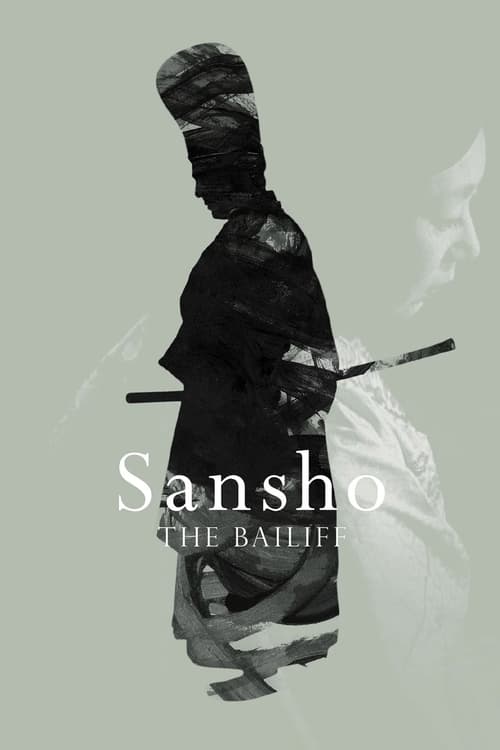
In 11th-century feudal Japan, following the exile of an idealistic governor, his wife and children are separated by slave traders; the children, Zushio and Anju, are sold into brutal servitude under the cruel bailiff Sansho.
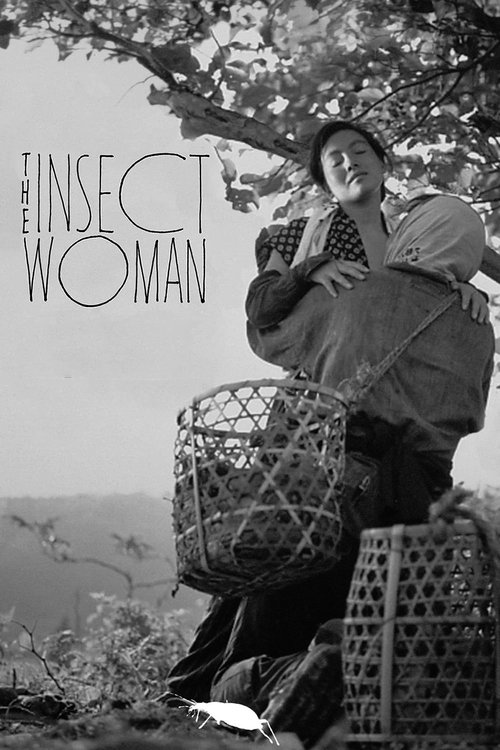
A woman, Tome, is born to a lower class family in Japan in 1918. The title refers to an insect, repeating its mistakes, as in an infinite circle. Imamura, with this metaphor, introduces the life of Tome, who keeps trying to change her poor life.

Follows five sex workers employed at a Japanese brothel while the nation debates the passage of an anti-prostitution law.
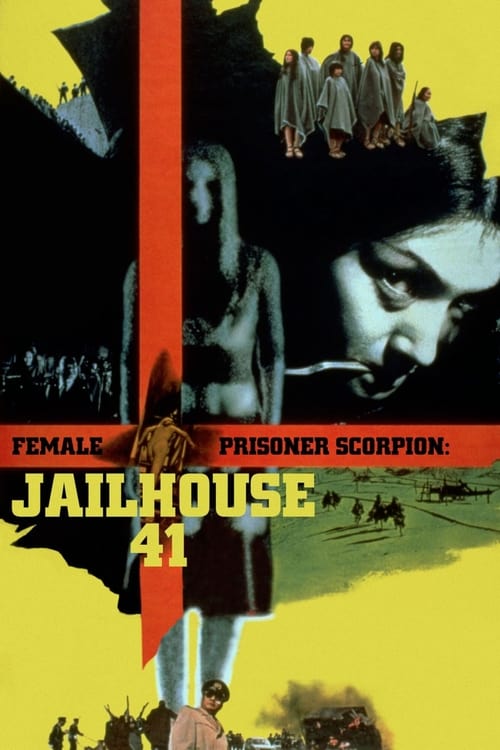
After being used and betrayed by the detective she had fallen in love with, young Matsu is sent to a female prison full of sadistic guards and disobedient prisoners.

After being cruelly set up and deceived by Sugimi, a detective in cahoots with the mob with whom she was whole-heartedly in love, Matsushima’s desire for revenge knows no bounds.
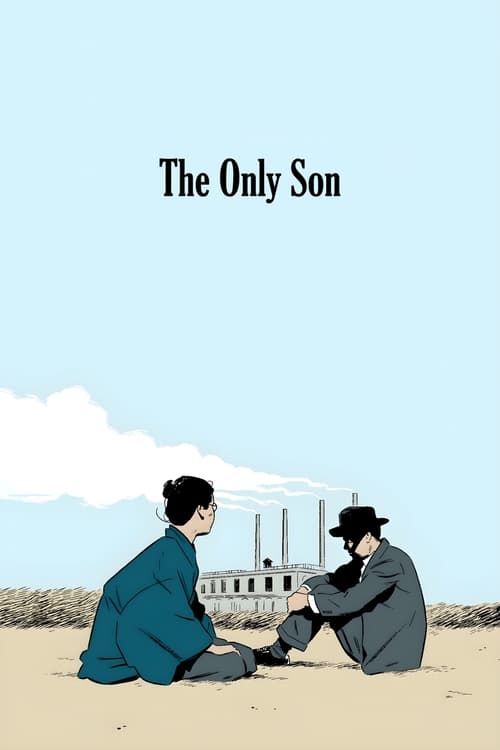
A rural widow sends her only son to Tokyo to receive a better education. Years later, she visits him and finds he has become a night school teacher struggling to support his wife and son.
Akira works as a lawyer. One day, he meets with his former client Rie, who asks Akira to perform a background check on her late husband Daisuke.
As the Japanese surrender at the end of WWII, Gen. Fellers is tasked with deciding if Emperor Hirohito will be hanged as a war criminal. Influencing his ruling is his quest to find Aya, an exchange student he met years earlier in the U.S.
In postwar Tokyo, Noriko lives with her extended family. Although she enjoys her career and her social life, her more traditional family worries about her single marital status at the advanced age of 28. 40-year-old business associate Takako proposes, Noriko's family press her into accepting, but when her widowed childhood friend Kenkichi returns to the neighborhood, she finds her heart leading in another direction.

After being diagnosed with a terminal illness, Futaba resolves to spend her remaining time reuniting her broken family, reopening the long-closed bathhouse, and helping her shy daughter Azumi learn to stand on her own.

Yuki's family is nearly wiped out before she is born due to the machinations of a band of criminals. These criminals kidnap and brutalize her mother but leave her alive. Later her mother ends up in prison with only revenge to keep her alive. She creates an instrument for this revenge by purposefully getting pregnant. Yuki never knows the love of a family but only killing and revenge.
An elderly Nagasaki hibakusha spends a summer caring for her four grandchildren, whose curiosity about the 1945 bombing stirs buried memories and moral questions. When an American nephew from Hawaii visits, the family confronts grief, guilt, and the possibility of reconciliation across generations.

Prostitutes in burnt out Tokyo ghetto of post-WWII Japan peddle their flesh and save one-third of their money for a proposed dancehall to be named Paradise. The hookers live in a bombed-out building, but they accept the precarious situation with typical resolve.

Hisako loses her home in Tokyo to Allied bombing. With her husband fighting somewhere in Asia, she and her two children evacuate to a suburb of Kobe, where they share a house with Hisako's cousin, Kyoko. Kobe is bombed and Kyoko is killed. Hisako is forced to take care of Kyoko's two children in addition to her own, but there is not enough food for everyone.
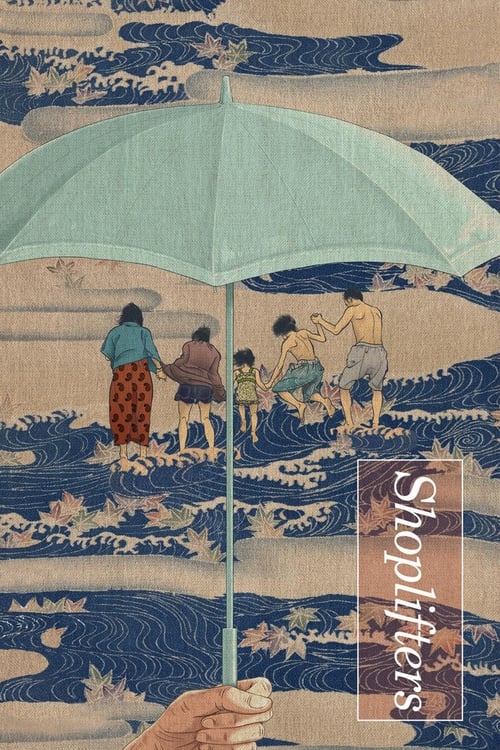
In the outskirts of Tokyo, a poor but close-knit group living on the fringes of society survives through shoplifting and odd jobs. When Osamu and his son take in a neglected young girl, their already fragile existence begins to unravel. As the family grows attached to her, buried secrets surface, forcing them to confront the true meaning of love, belonging, and what makes a family.

Ryota is an unpopular writer although he won a literary award 15 years ago. Now, Ryota works as a private detective. He is divorced from his ex-wife Kyoko and he has an 11-year-old son Shingo. His mother Yoshiko lives alone at her apartment. One day, Ryota, his ex-wife Kyoko, and son Shingo gather at Yoshiko's apartment. A typhoon passes and the family must stay there all night long.
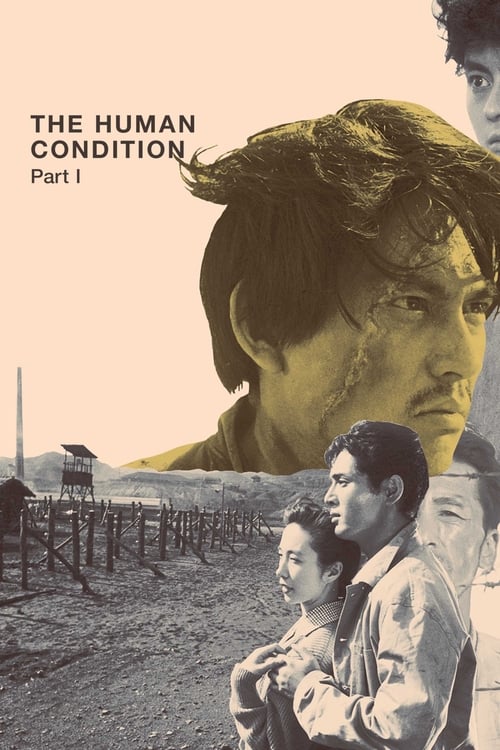
After handing in a report on the treatment of Chinese colonial labor, Kaji is offered the post of labour chief at a large mining operation in Manchuria, which also grants him exemption from military service. He accepts and moves with his newlywed wife Michiko, but when he tries to put his ideas of more humane treatment into practice, he finds himself at odds with scheming officials, cruel foremen, and the military police.

WWII American Army Medic Desmond T. Doss, who served during the Battle of Okinawa, refuses to kill people and becomes the first Conscientious Objector in American history to receive the Congressional Medal of Honor.