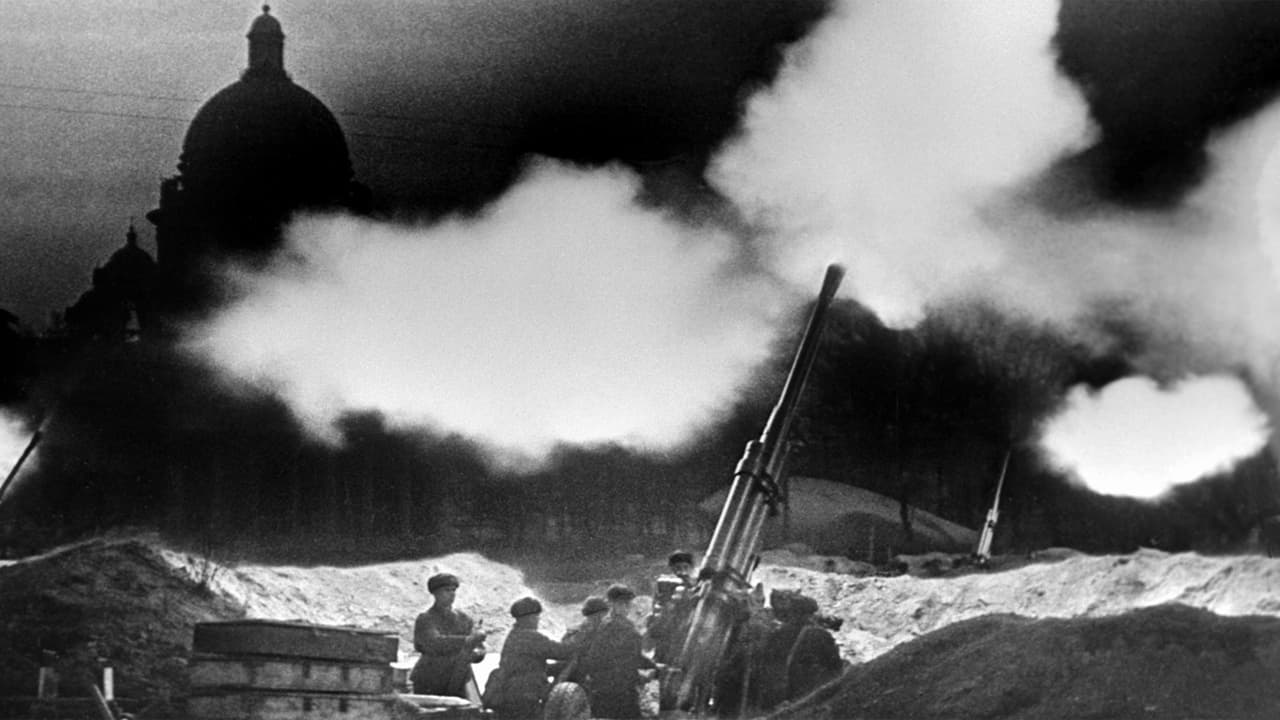
Leningrad - Les voix de la mémoire
"Le siège de Leningrad - Chroniques intimes"
7.8/10

Sorti20241h 28min
"Le siège de Leningrad - Chroniques intimes"
Rencontrez les vrais aviateurs ayant inspiré Masters of the Air à travers leur récit poignant et marquant sur le 100e groupe de bombardement.
Waad al-Kateab est une jeune femme syrienne qui vit à Alep lorsque la guerre éclate en 2011. Sous les bombardements, la vie continue. Waad tombe amoureuse, se marie avec Hamza et donne naissance à sa fille, Sama. Elle filme au quotidien les pertes, les espoirs et la solidarité du peuple d’Alep. Son mari médecin sauve des centaines de vies dans un hôpital de fortune. Le couple est déchiré entre la protection de leur enfant et leur combat pour la liberté.
Que s'est-il passé quand Einstein a fui l'Allemagne nazie ? Le physicien allemand Albert Einstein a 66 ans quand le 6 août 1945 une bombe atomique est larguée sur Hiroshima. Jusqu’à sa mort, dix ans plus tard, il sera rongé par la culpabilité et les remords : en 1939, il avait adressé à Franklin D. Roosevelt un courrier qui participa à convaincre les États-Unis de se lancer dans la course à l’armement nucléaire. Ce documentaire dissèque la pensée d'un génie torturé en se penchant sur ses propres mots et déclarations ainsi que sur des images d'archives.
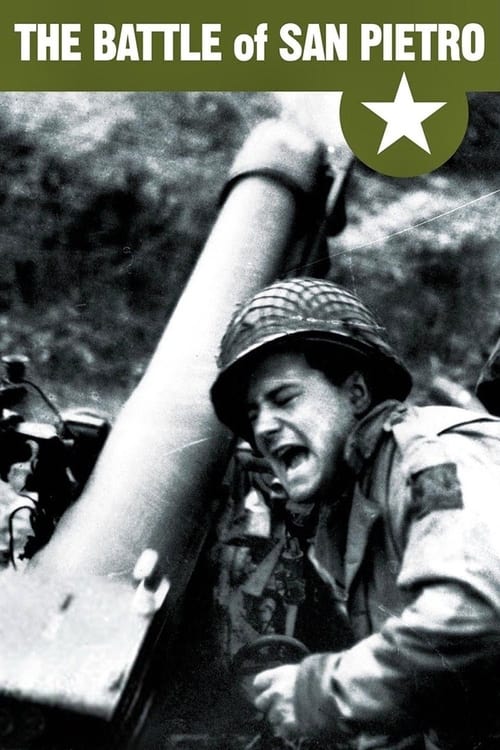
Fin 1943, après le débarquement en Italie, John Huston fut chargé de réaliser un documentaire sur l’avancée triomphale des troupes américaines sur Rome. Filmant des combats d’une rare violence, il réalisa l’un des plus bouleversants témoignages sur les horreurs de la guerre.
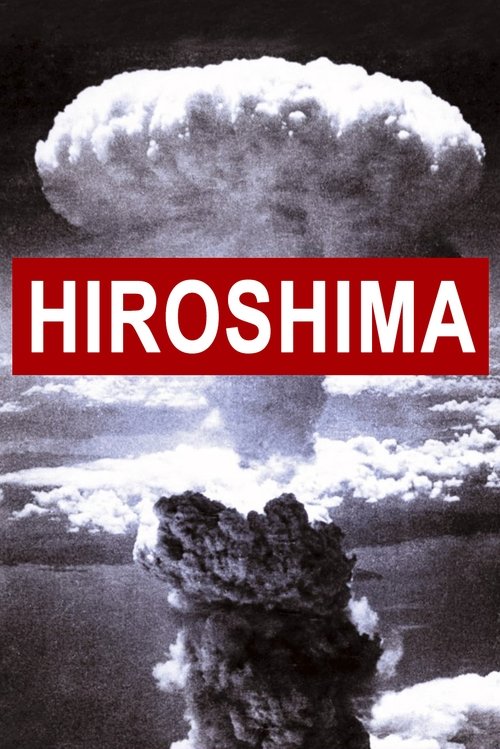
À 8h15 précises ce 6 août 1945, le monde a changé. 40.000 personnes trouvent instantanément la mort, mais ce sont bien 200.000 décès qui seront provoqués par l´explosion de la première bombe nucléaire sur Hiroshima, au Japon. Ce documentaire exceptionnel de 90 minutes n´est pas « Un énième film anti-guerre » déclare son réalisateur Paul Wilmshurst, « mais bien l´analyse neutre et objective d´une décision cruciale. Il ne s´agit pas d´être pro-américain ou pro-japonais, j´ai simplement voulu raconter la vérité. » Une vérité technologique, scientifique, militaire et politique qui se dessine dans les trois semaines précédant l´attaque, alors que le premier essai nucléaire vient de se dérouler dans le désert du Nouveau-Mexique, aux États-Unis. Le spectateur se retrouve alors dans la pièce où est prise la décision ultime, à bord de l´Enola Gay pendant son trajet fatidique, à l´intérieur de la bombe au moment de l´explosion, puis dans les rues dévastées d´Hiroshima.
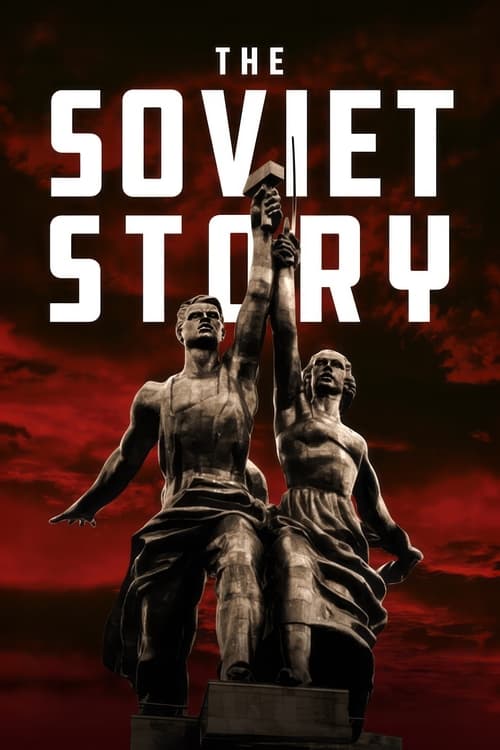
“The Soviet Story” is a story of an Allied power, which helped the Nazis to fight Jews and which slaughtered its own people on an industrial scale. Assisted by the West, this power triumphed on May 9th, 1945. Its crimes were made taboo, and the complete story of Europe’s most murderous regime has never been told. Until now...
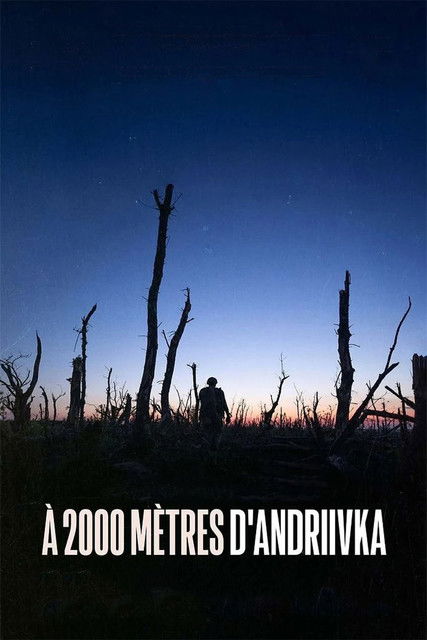
Une immersion viscérale au cœur de la guerre en Ukraine : Mstyslav Chernov suit des soldats ukrainiens en première ligne de front pour libérer le village d’Andriivka, un point stratégique de l’occupation russe proche de Bakhmut. Un véritable choc cinématographique.
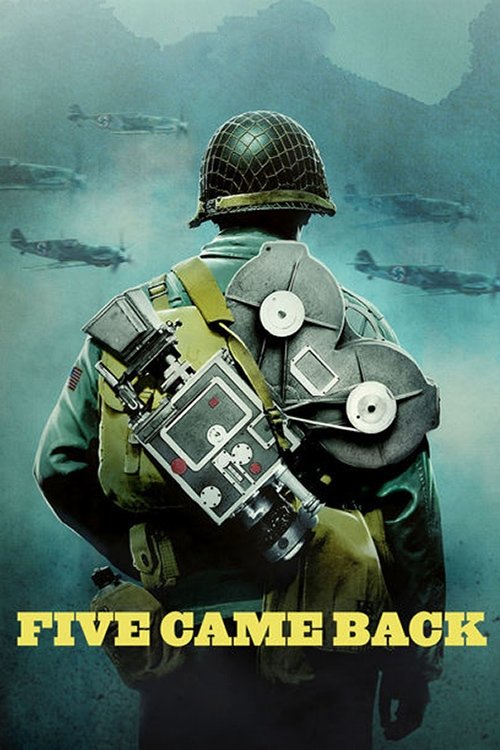
Série documentaire traitant de l'expérience de John Ford, William Wyler, John Huston, Frank Capra et George Stevens sur le théâtre européen durant la Seconde Guerre Mondiale. Narrée par Meryl Streep, la série offre des interventions de cinq cinéastes contemporains : Steven Spielberg, Francis Coppola Ford, Guillermo Del Toro, Paul Greengrass et Lawrence Kasdan.
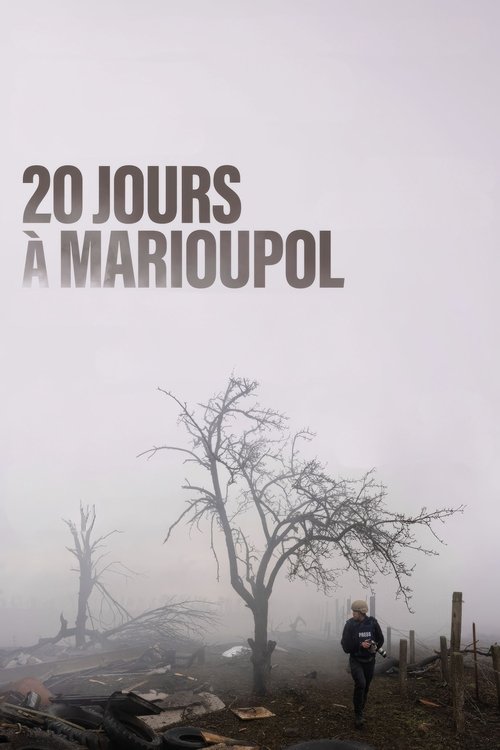
Février 2022. Une équipe de journalistes ukrainiens de l’Associated Press (AP), piégée dans la ville assiégée de Marioupol, filme les atrocités de l'invasion russe. Seuls reporters internationaux sur place, ils capturent ce qui deviendra plus tard des images marquantes de la guerre. Au plus près des civils, le réalisateur Mstyslav Chernov et son équipe, récompensés du prix Pulitzer, livrent un témoignage capital sur la réalité de la guerre qui déchire leur pays. Ils offrent un récit puissant et déchirant des civils pris dans le piège, ainsi qu'une réflexion sur la responsabilité d'un reporter en zone de conflit et sur l'impact d'un tel journalisme à l'échelle mondiale.
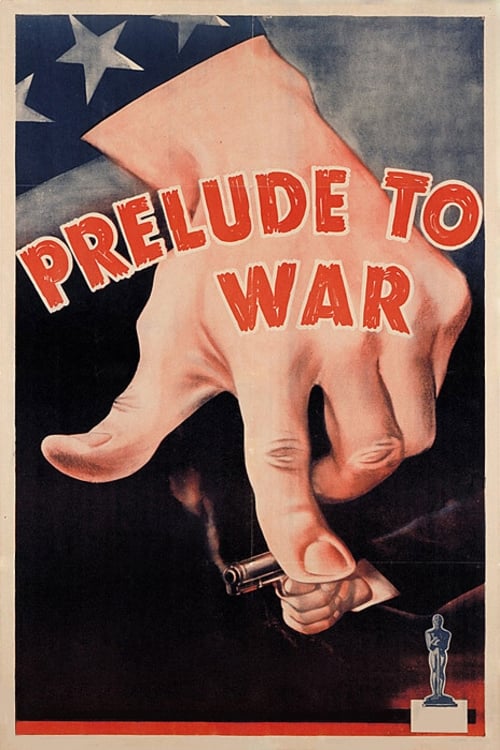
Oscar® du meilleur documentaire en 1943, ce film est le premier de la série Pourquoi nous combattons produite par le Département de la Guerre américain. L’objectif est de décrire et d’expliquer les événements qui ont poussé les États-Unis à entrer en guerre. Les systèmes totalitaires et répressifs allemands, italiens et japonais sont décryptés et opposés à la grande puissance démocratique des États-Unis.
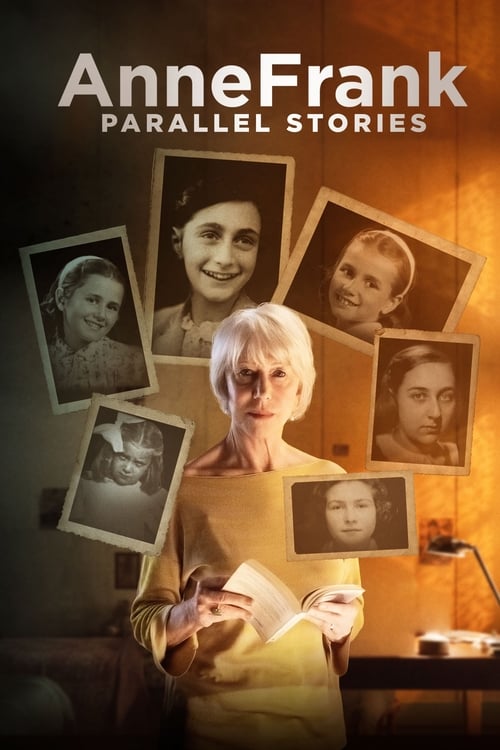
Helen Mirren nous raconte l'histoire de la jeune fille, symbole de la Shoah, à travers son Journal, tandis qu'une actrice parcourt les lieux de la déportation et livre ses impressions sur les réseaux sociaux

En 1945, en découvrant l’horreur concentrationnaire, Eisenhower demande à Stevens de filmer les camps et les atrocités commises. Nombre de ces images furent ensuite projetées comme preuves lors du procès de Nuremberg.
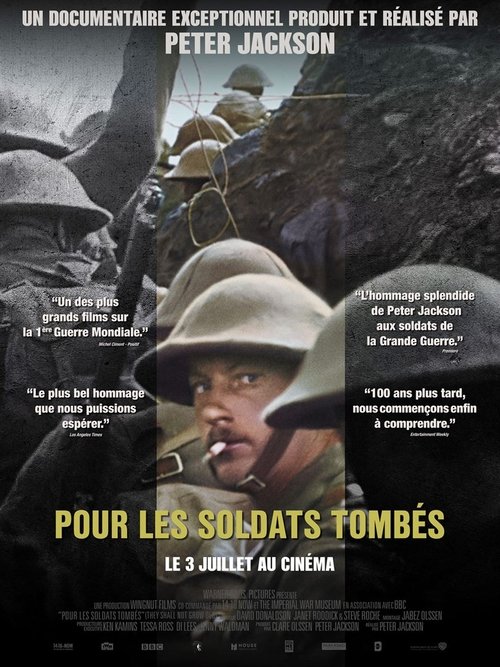
Entre 1914 et 1918, un conflit mondial change à jamais le cours de l’histoire. Les hommes et femmes qui y ont participé ne vivaient pas dans un monde silencieux, en noir et blanc. Un voyage dans le temps pour revivre l‘histoire avec ceux qui y étaient.
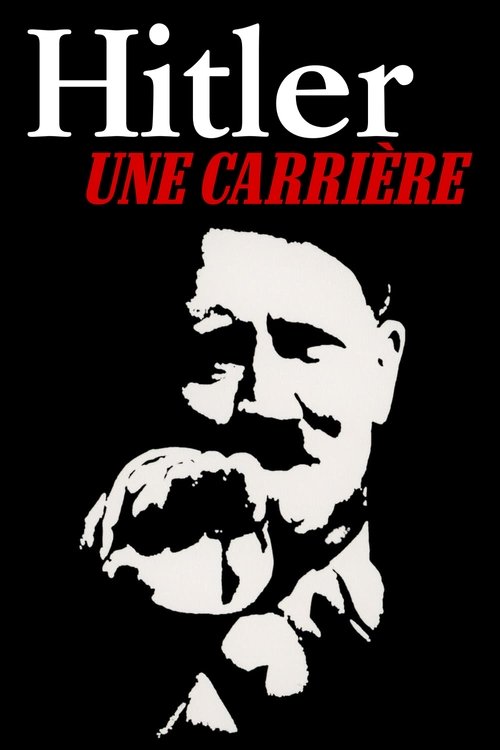
Inspiré du best-seller de l’historien Joachim C. Fest, ouvrage de référence absolu, ce documentaire est uniquement composé d’images d’archives et d’un commentaire fidèle à l’œuvre monumentale de Fest. Il permet de comprendre comment un homme a pu conduire un peuple à commettre l’irréparable et à plonger le monde dans l’horreur…
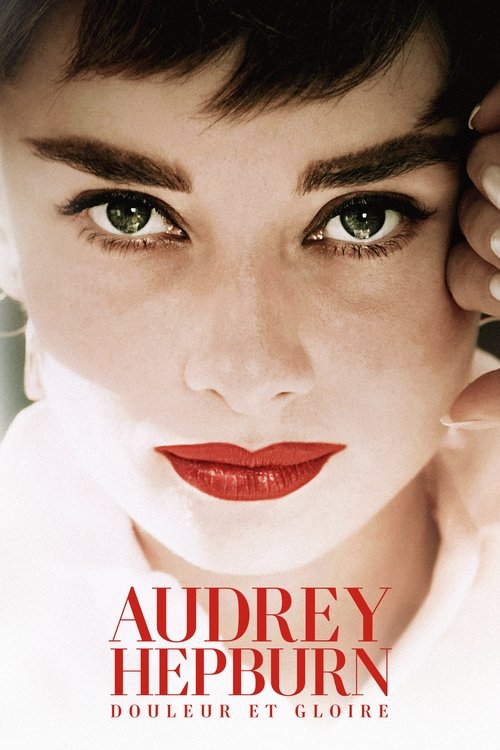
Un regard intime et sans précédent sur la vie, l'œuvre et l'héritage durable de l'actrice britannique Audrey Hepburn (1929-1993).

Ll'histoire incroyable de la Easy Company racontée par les hommes qui y étaient dans ce documentaire captivant en complément de Band of Brothers.
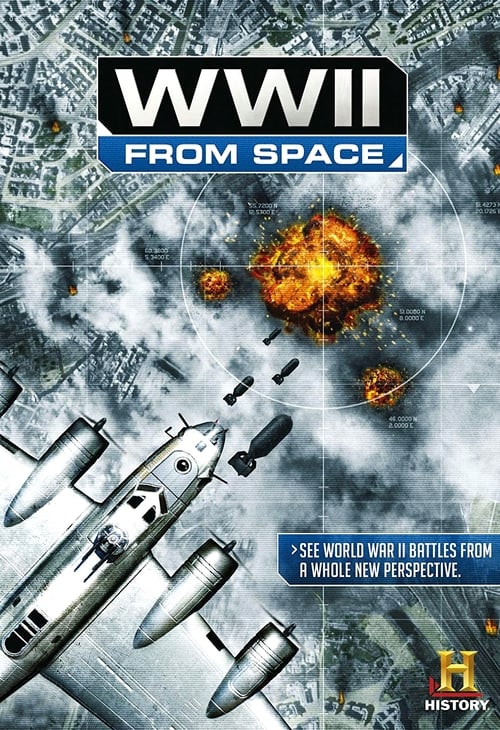
WWII from Space delivers World War II in a way you've never experienced it before. This HISTORY special uses an all-seeing CGI eye that offers a satellite view of the conflict, allowing you to experience it in a way that puts key events and tipping points in a global perspective. By re-creating groundbreaking moments that could never have been captured on camera, and by illustrating the importance of simultaneity and the hidden effects of crucial incidents, HISTORY presents the war's monumental moments in a never-before-seen context. And with new information brought to the forefront, you'll better understand how a nation ranked 19th in the world's militaries in 1939 emerged six years later as the planet's only atomic superpower.

City of Ghosts, véritable thriller international, expose un nouveau type de guerre : une bataille médiatique d’idées, un combat pour les cœurs et les esprits, pour les clics et le nombre de vues sur internet. Il suit le périple de Raqqa is being Slaughtered Silently (« Raqqa est assassiné en silence »), une poignée de journalistes citoyens anonymes qui se sont regroupés après la prise de leur pays par l’État Islamique en 2014. Avec un accès étonnant et profondément personnel, c'est l'histoire de ce groupe de courageux citoyens, qui, plutôt que s’exiler et fuir, affrontent cette réalité chaotique et risquent leur vie pour résister face à l’un des plus grands maux dans le monde aujourd’hui.
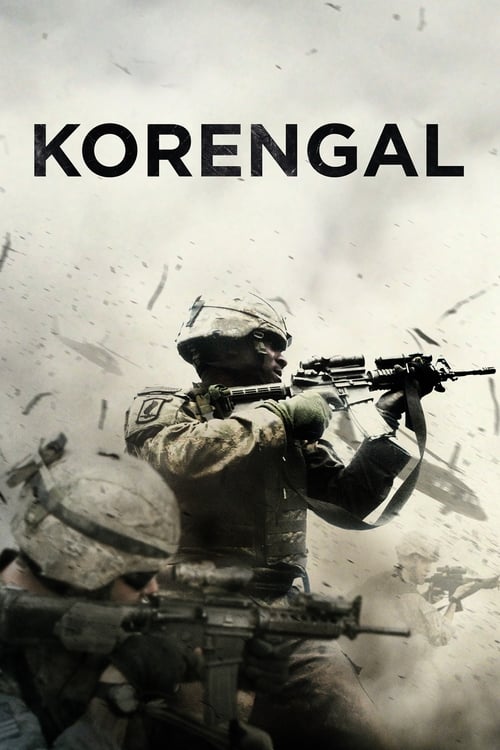
Korengal reprend là où Restrepo s'est arrêté; les mêmes hommes, la même vallée, les mêmes commandants, mais un regard très différent sur l'expérience de la guerre.
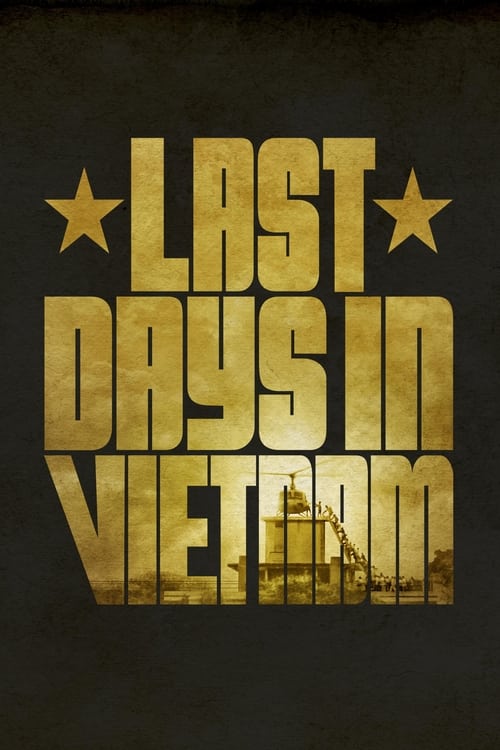
During the chaotic final weeks of the Vietnam War, the North Vietnamese Army closes in on Saigon as the panicked South Vietnamese people desperately attempt to escape. On the ground, American soldiers and diplomats confront a moral quandary: whether to obey White House orders to evacuate only U.S. citizens.
Connectez-vous pour donner votre avis
Partagez votre opinion avec la communauté.
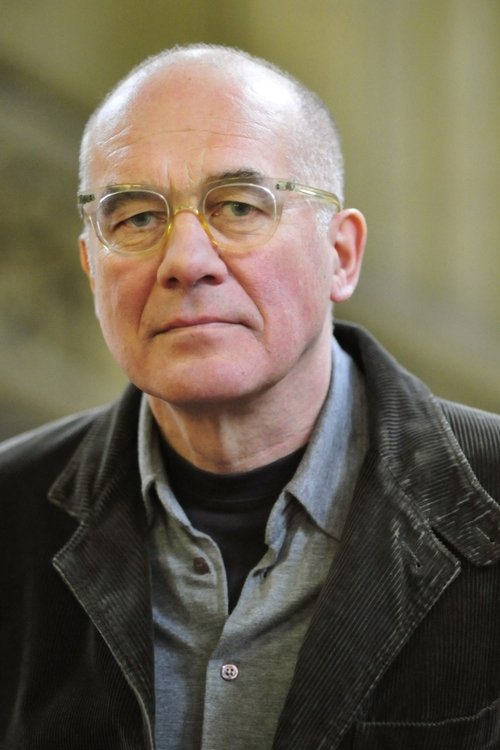
Hanns Zischler
Self - Narrator (voice)
Toni Lorentz
Self - Additional Narrator (voice)
Irmelin Krause
Self - Additional Narrator (voice)
Sabra Lopes
Self - Additional Narrator (voice)
Judith von Radetzky
Self - Additional Narrator (voice)
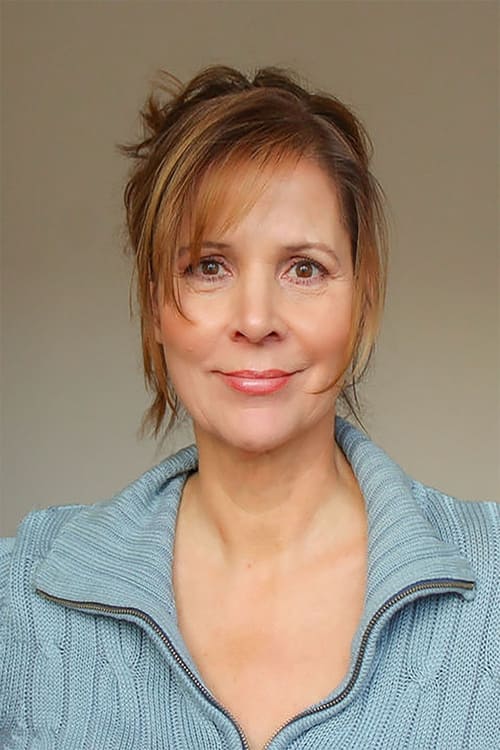
Adelheid Kleineidam
Self - Additional Narrator (voice)
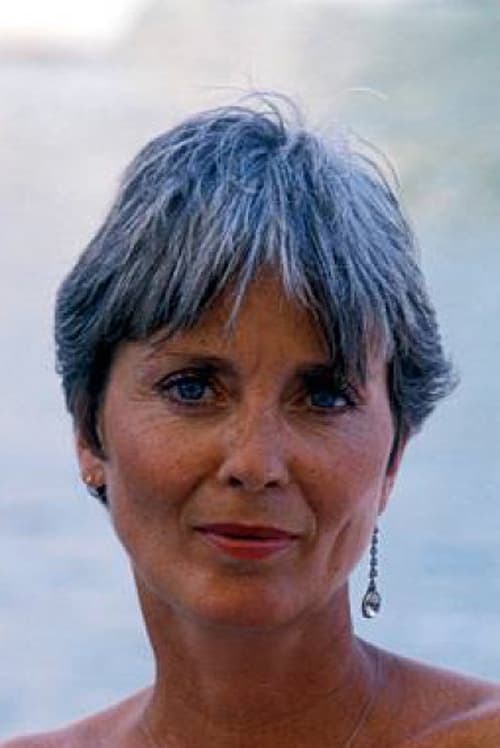
Kornelia Boje
Self - Additional Narrator (voice)
Agnes Regan
Self - Additional Narrator (voice)
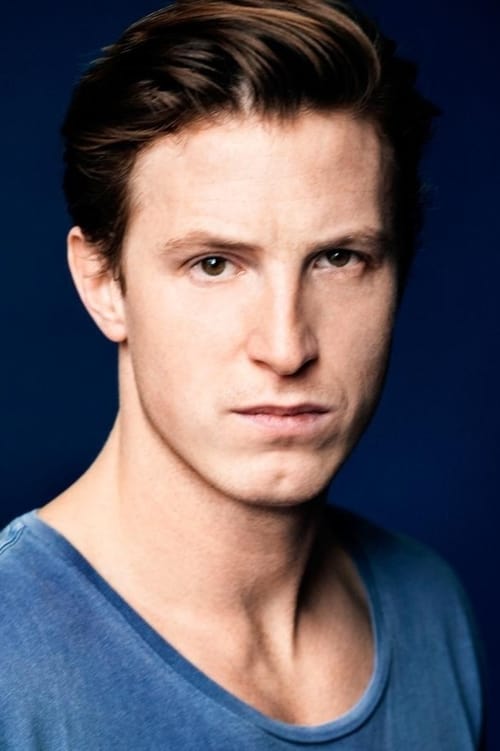
Golo Euler
Self - Additional Narrator (voice)
Michael Noack
Self - Additional Narrator (voice)
Natascha Bub
Self - Additional Narrator (voice)
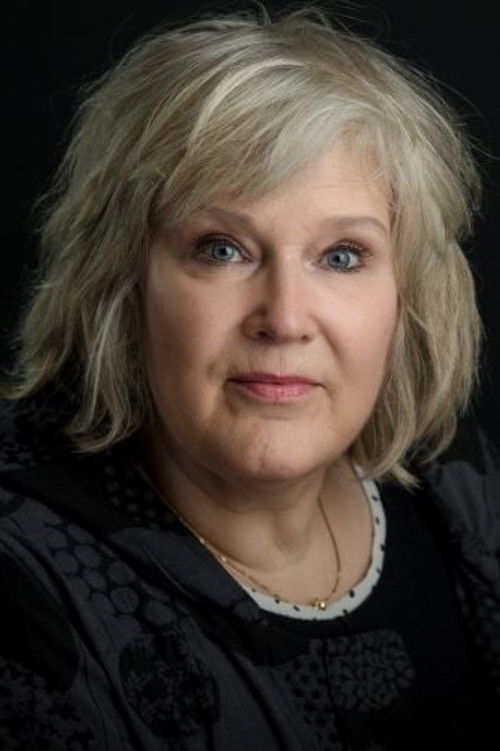
Gabriele Blum
Self - Additional Narrator (voice)