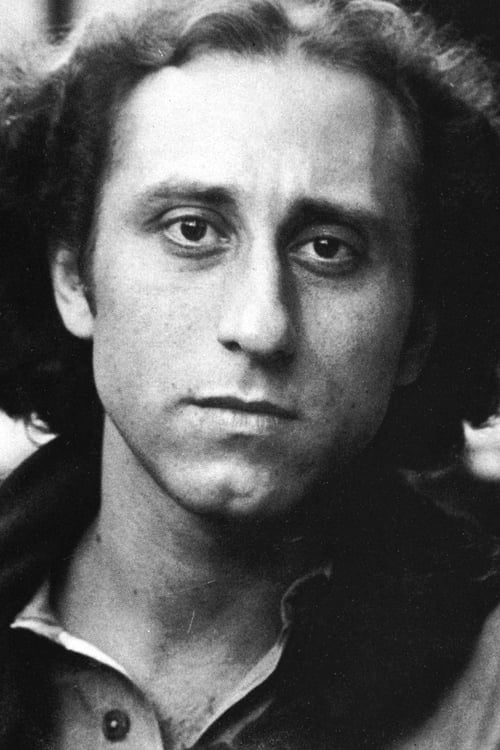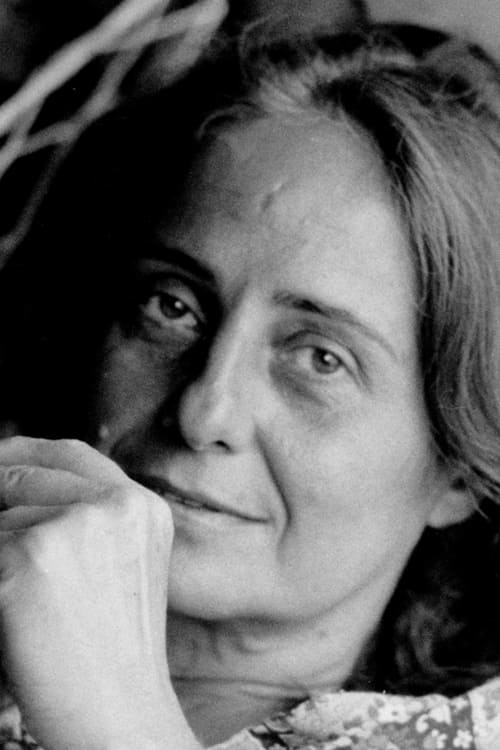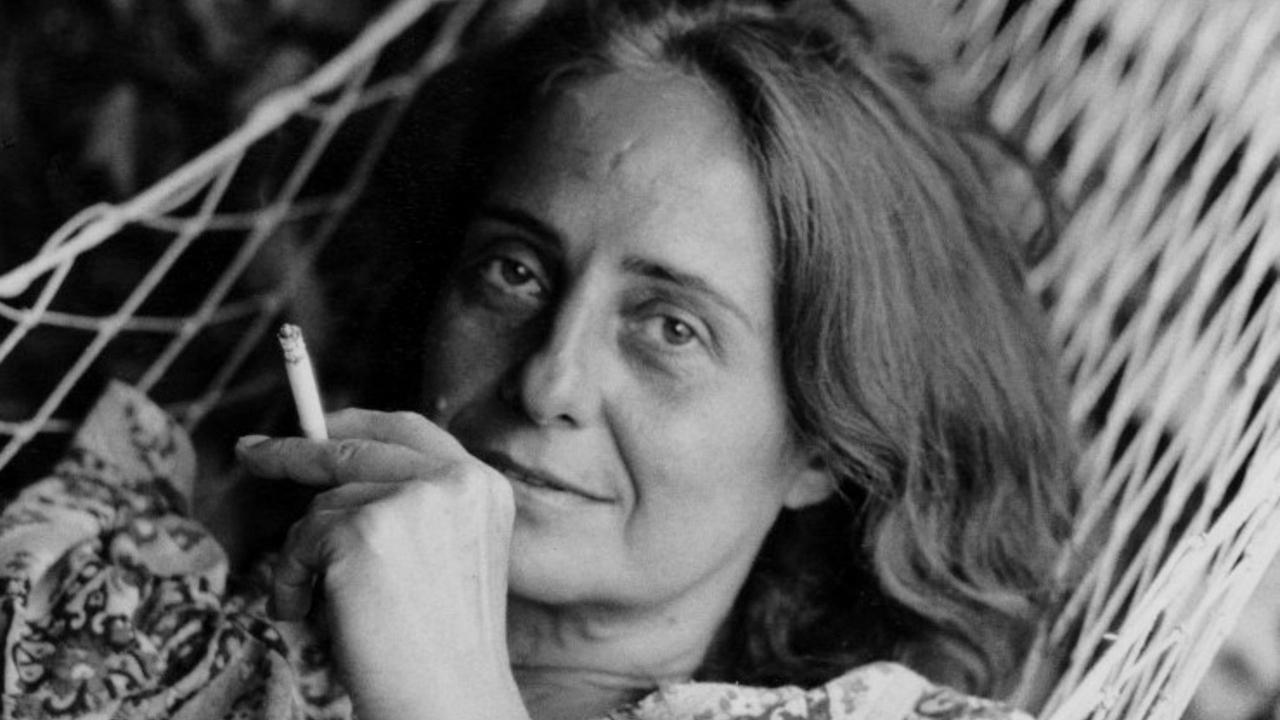
Désir et rébellion : « L'Art de la joie » – Goliarda Sapienza

Vous aimerez aussi
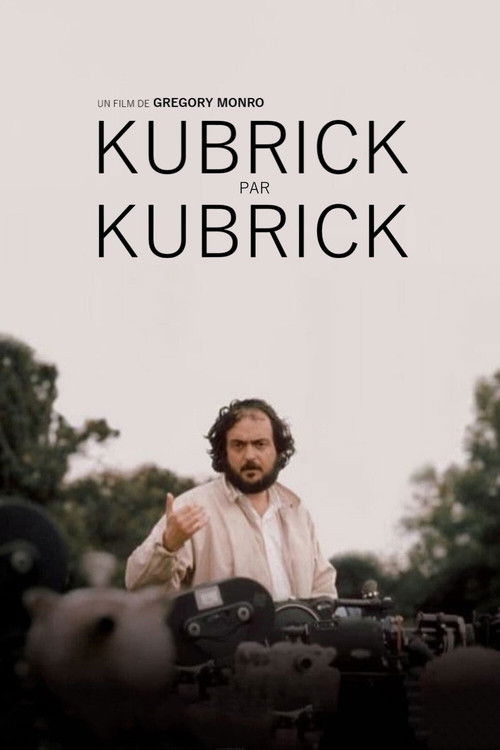
Le cinéaste américain Stanley Kubrick (1928-1999), l'un des plus grands de l'histoire, mais aussi l'un des plus réservés, a accordé peu d'interviews tout au long de sa longue carrière, et aucune d'entre elles n'a été filmée. Un voyage à la première personne à travers sa vie et son œuvre, basé sur une conversation enregistrée avec le critique de cinéma français Michel Climent.
Kubrick par Kubrick
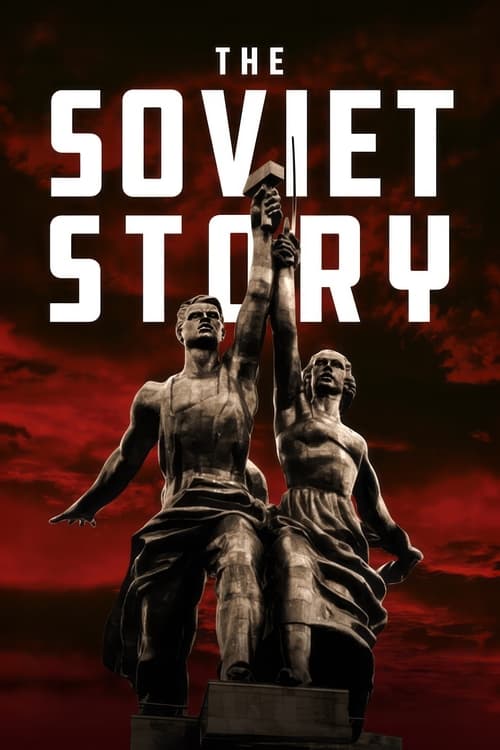
“The Soviet Story” is a story of an Allied power, which helped the Nazis to fight Jews and which slaughtered its own people on an industrial scale. Assisted by the West, this power triumphed on May 9th, 1945. Its crimes were made taboo, and the complete story of Europe’s most murderous regime has never been told. Until now...
The Soviet Story
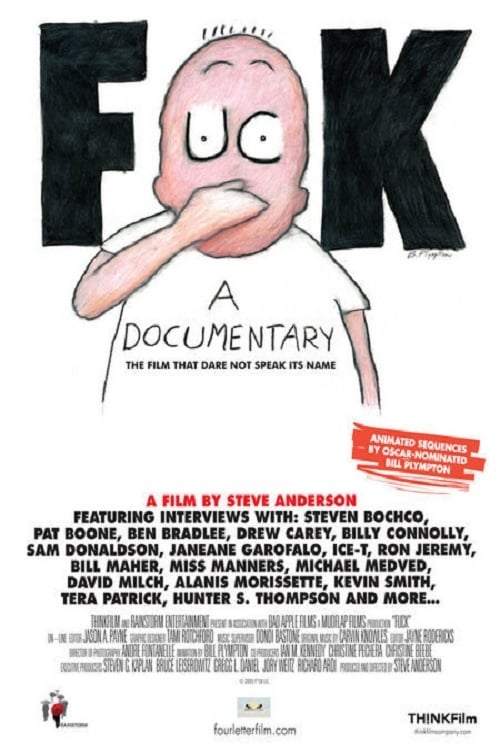
A documentary on the expletive's origin, why it offends some people so deeply, and what can be gained from its use.
Fuck
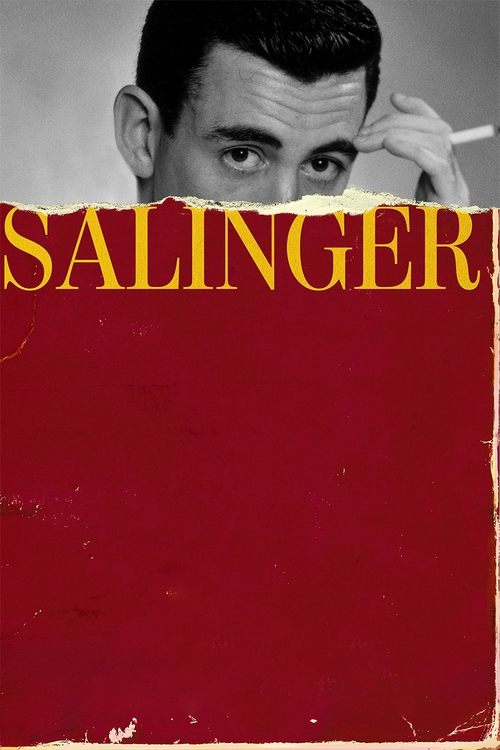
An in-depth investigation into the private world of the American writer J. D. Salinger (1919-2010), who lived most of his life behind the impenetrable wall of a self-imposed seclusion: how his dramatic experiences during World War II influenced his life and work, his relationships with very young women, his obsessive writing methods, his many literary secrets.
Salinger
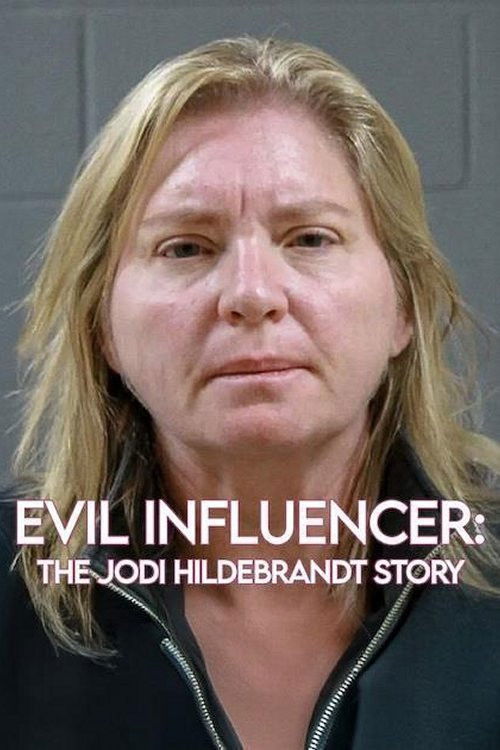
Découvrez l'affaire de la thérapeute de l'Utah, Jodi Hildebrandt, dont l'arrestation pour maltraitance d'enfants, en compagnie de la youtubeuse spécialisée dans l'éducation des enfants Ruby Franke, a révélé une histoire de manipulation sordide.
Mauvaise influenceuse : L'histoire de Jodi Hildebrandt
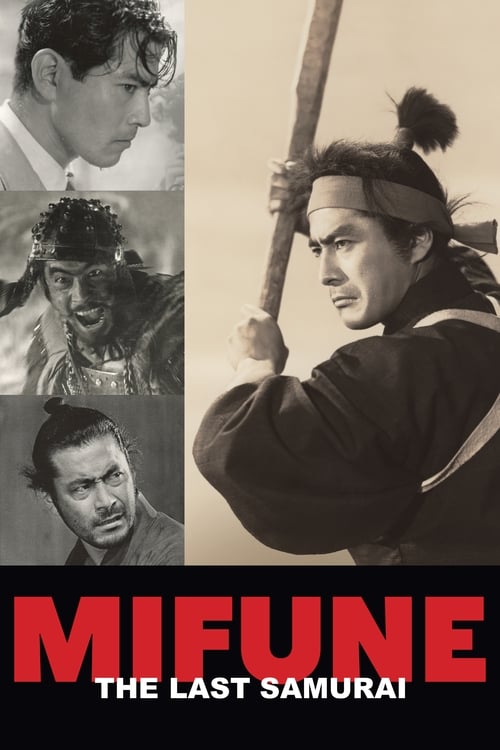
Un récit de la vie et de l'œuvre du légendaire acteur japonais Toshirō Mifune (1920-97), l'acteur le plus en vue de l'âge d'or du cinéma japonais.
Mifune, le dernier des samouraï

Un hommage au cinéaste italien Sergio Corbucci (1926-90), présenté par le cinéaste américain Quentin Tarantino.
Django & Django
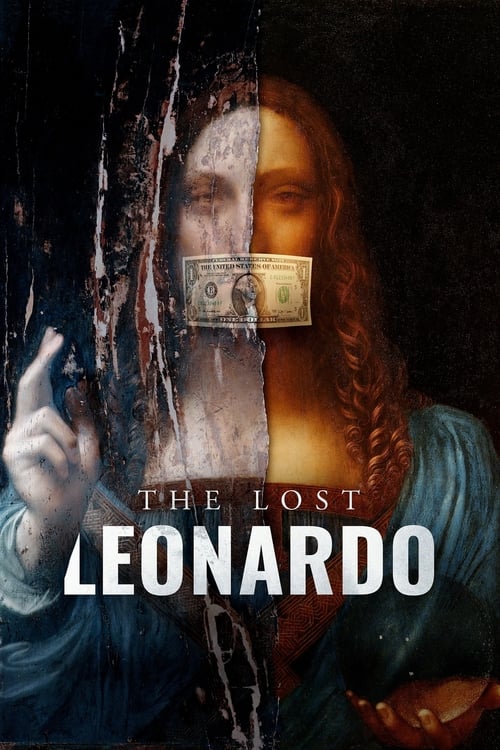
L'histoire derrière la peinture la plus chère jamais vendue, le Salvator Mundi, un tableau que l'on croit être une œuvre rare de Léonard de Vinci. Il a été vendu aux enchères pour 450M$ en 2017 par Christie's à New York. On pensait qu'il avait été perdu au XVIIe siècle, mais il a été redécouvert en 2005 après avoir été acheté pour seulement 10 000 dollars à une collection privée de la Nouvelle-Orléans. L'authenticité du tableau, qui a finalement été acheté par le prince saoudien Badr bin Abdullah, est toujours contestée dans certains milieux.
« Salvator Mundi » ou la folle ascension d’un tableau
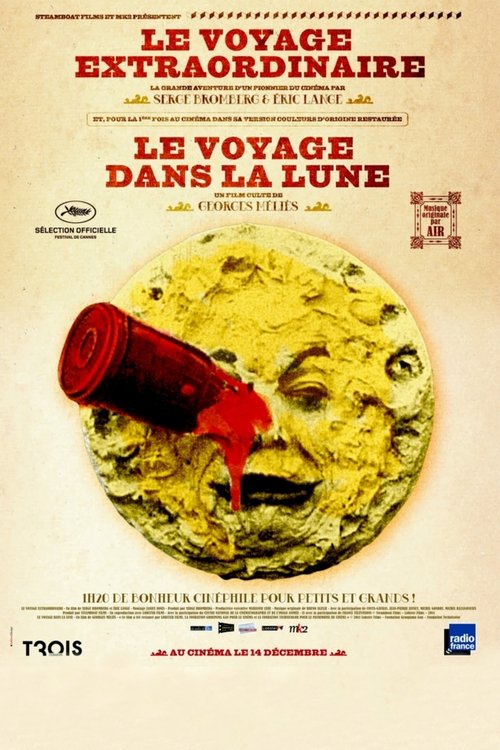
Un récit de la vie extraordinaire du pionnier du cinéma Georges Méliès (1861-1938) et l'histoire étonnante de la copie en couleur de son chef-d'œuvre « Un voyage dans la lune » (1902), retrouvée inopinément en Espagne et restaurée grâce aux efforts héroïques d'un groupe de vrais cinéphiles.
Le Voyage extraordinaire
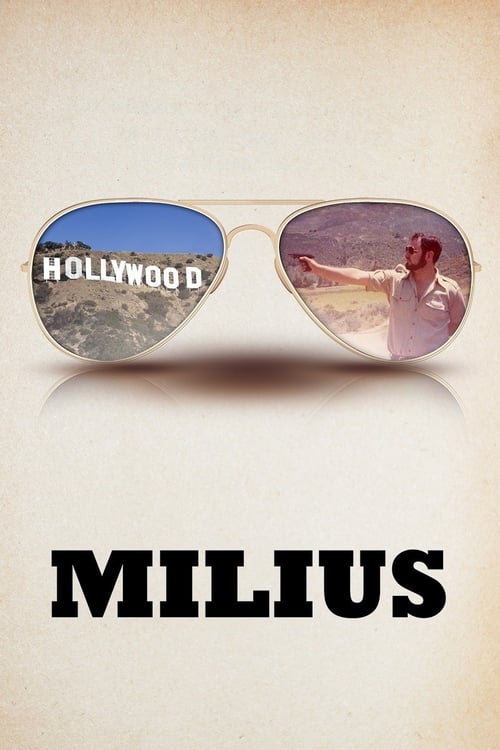
Focus sur la vie de John Milius.
Milius

En 1945, le cinéaste Alfred Hitchcock est engagé pour superviser le montage d'un documentaire produit par l'armée britannique sur la libération des camps de concentration nazis. Un film qui était destiné à montrer au peuple allemand les atrocités qui avaient été commises en son nom par les nazis. Une fois le film terminé, celui-ci fut cependant enterré pour des raisons politiques et jamais diffusé. Il fut alors simplement déposé à l'Imperial War Museum, à Londres, où dans les années 1980, les pellicules y ont été redécouvertes par un chercheur américain. Le film a fait l'objet d'une restauration complète respectant les choix du cinéaste. "Night Will Fall" retrace l’histoire de ce film pas fini, qui était connue longtemps sous le nom "The missing Hitchcock"...
Images de la libération des camps. Chronique d’un film inachevé
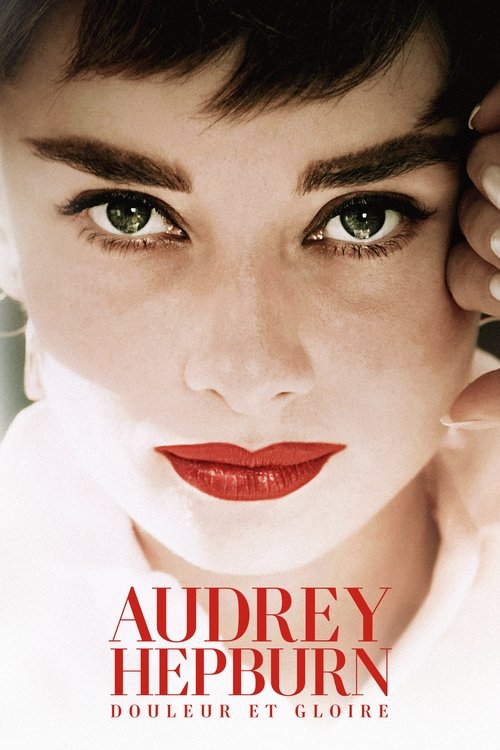
Un regard intime et sans précédent sur la vie, l'œuvre et l'héritage durable de l'actrice britannique Audrey Hepburn (1929-1993).
Audrey Hepburn : douleur et gloire
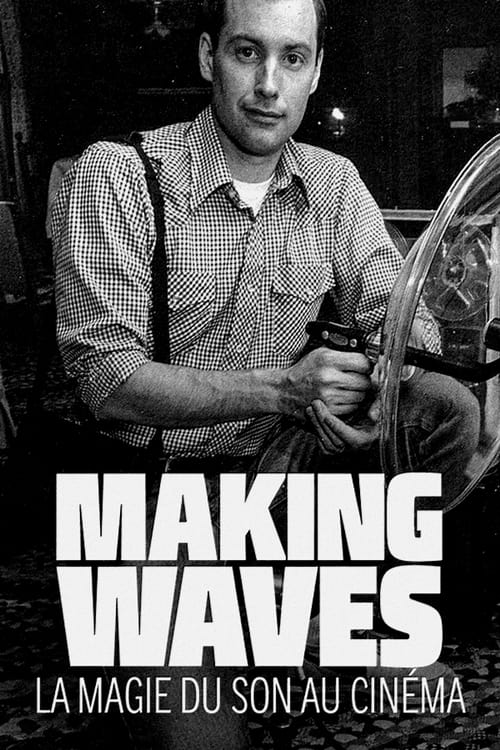
L'histoire du son au cinéma, racontée par des concepteurs sonores légendaires et des cinéastes visionnaires.
Making waves : la magie du son au cinéma
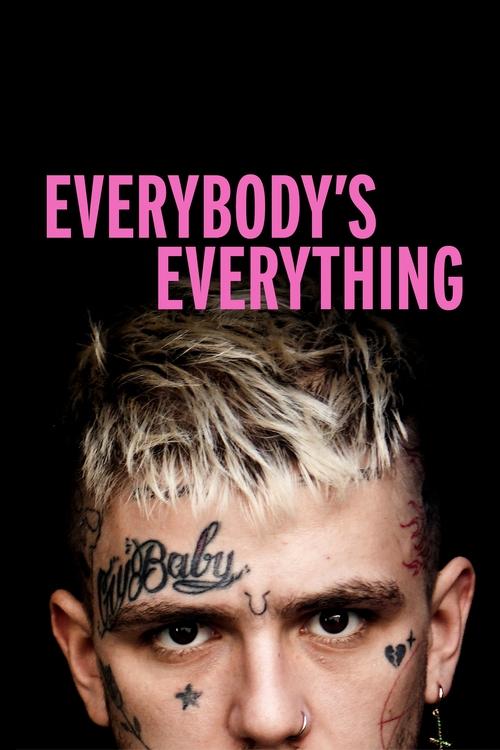
L'histoire de l'artiste Lil Peep depuis sa naissance à Long Island et son ascension fulgurante en tant que genre mêlant pop star et icône du style, jusqu'à sa mort suite à une overdose accidentelle d'opioïdes en Arizona à seulement 21 ans.
Lil Peep: Everybody’s Everything
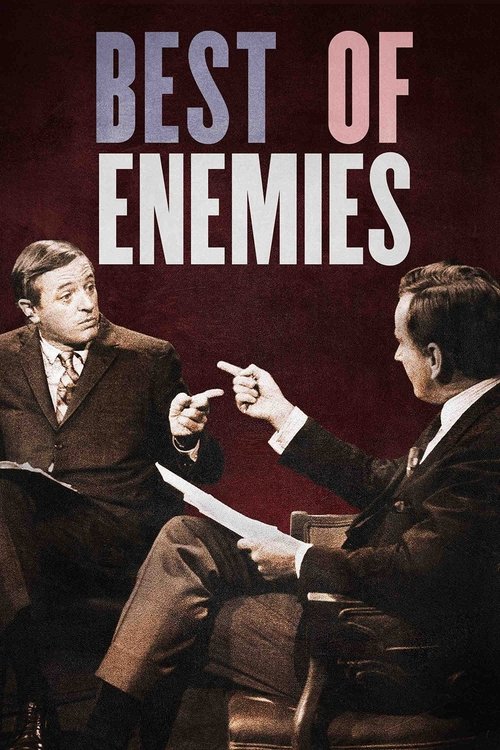
A documentary about the legendary series of nationally televised debates in 1968 between two great public intellectuals, the liberal Gore Vidal and the conservative William F. Buckley Jr. Intended as commentary on the issues of their day, these vitriolic and explosive encounters came to define the modern era of public discourse in the media, marking the big bang moment of our contemporary media landscape when spectacle trumped content and argument replaced substance. Best of Enemies delves into the entangled biographies of these two great thinkers, and luxuriates in the language and the theater of their debates, begging the question, "What has television done to the way we discuss politics in our democracy today?"
Best of Enemies
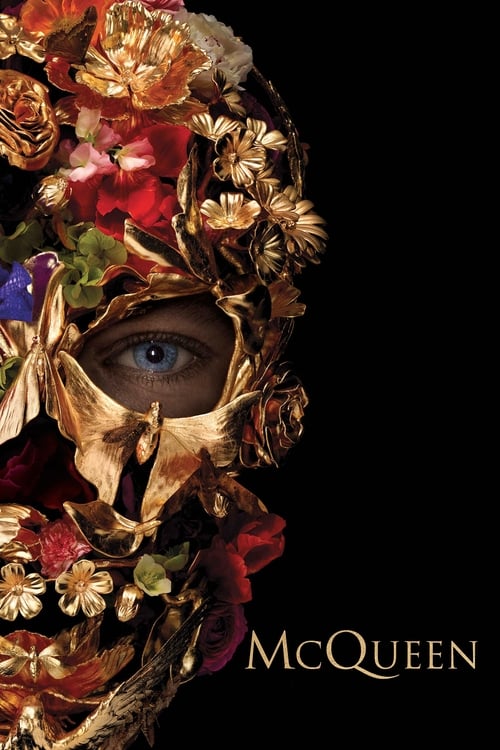
Un regard personnel sur la vie, la carrière et le talent hors du commun de l’enfant terrible de la mode, Alexander McQueen, icône d’ascendance modeste qui a brillé comme une étoile filante... Mêlant témoignages exclusifs de sa famille et de ses proches, archives inédites, images et musiques bouleversantes, McQUEEN est un vibrant hommage en même temps qu’un portrait captivant de ce visionnaire aussi tourmenté qu’inspiré.
McQueen
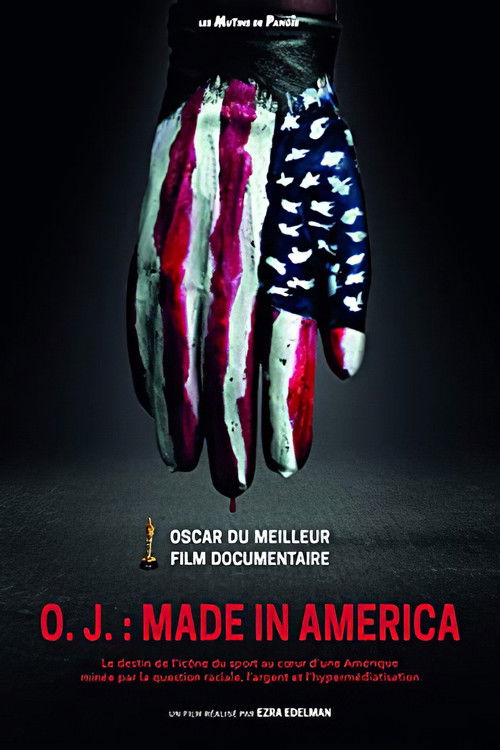
"O.J. - Made in America" retrace l'histoire de la race au cours des dernières décennies à travers la lentille de la montée et la chute de OJ Simpson. Il est peut-être la définition histoire culturelle de l'Amérique du 20e siècle, qui se concentre autour de deux des plus grands de notre pays fixations: race et célébrité. « JO: Made in America » explorera ces thèmes en traçant un parcours personnel, de la façon dont Orenthal James Simpson premier est devenu une star de football, la raison pour laquelle le pays est tombé en amour avec lui en dehors du terrain, à son être accusé du meurtre de son ex femme et son acquittement subséquent et pourquoi il est maintenant assis en prison 20 ans plus tard pour un autre crime.
O.J. - Made in America
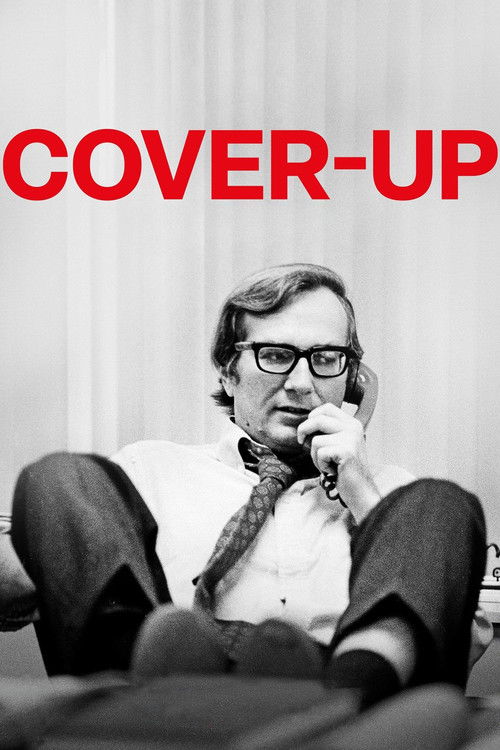
Il a consacré sa vie à révéler des histoires que les puissants veulent étouffer. De My Lai à Abou Ghraib, plongez au cœur de l'œuvre de toute une vie du journaliste Seymour Hersh.
Cover-Up : Un journaliste face au pouvoir

L'actrice Mariska Hargitay, lauréate d'un Emmy® et d'un Golden Globe, se penche sur l'histoire de sa mère Jayne Mansfield, soixante ans après sa mort.
My Mom Jayne
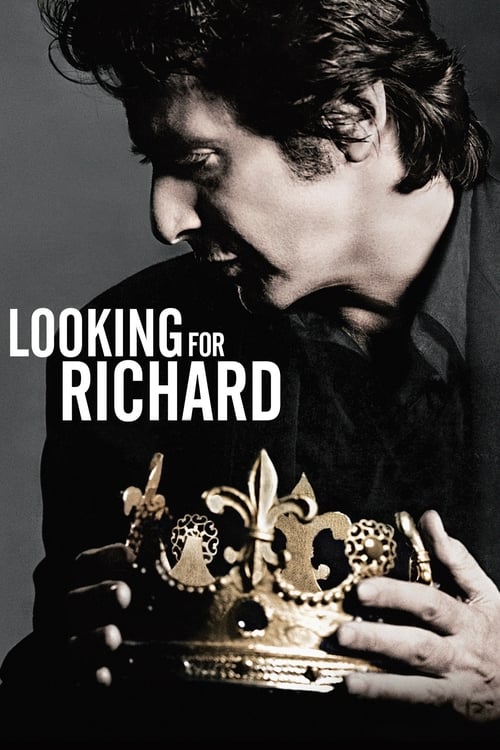
La rumination profondément ressentie d'Al Pacino sur la signification et la pertinence de Shakespeare pour le monde moderne à travers des interviews et une analyse approfondie de 'Richard III'.