Discours des comètes
Synopsis
You might also like
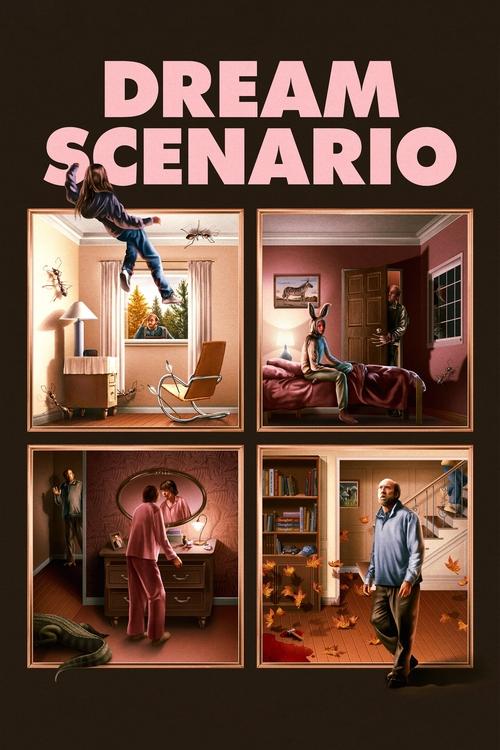
Hapless family man Paul Matthews finds his life turned upside down when millions of strangers suddenly start seeing him in their dreams. But when his nighttime appearances take a nightmarish turn, Paul is forced to navigate his newfound stardom.
Dream Scenario

Four couples gather for dinner the night a mysterious and powerful comet passes overhead.
Coherence
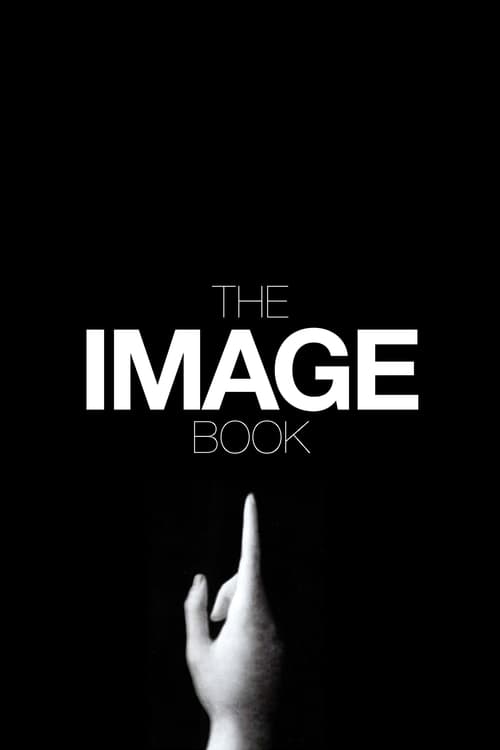
In Le Livre d’Image, Jean-Luc Godard recycles existing images (films, documentaries, paintings, television archives, etc.), quotes excerpts from books, uses fragments of music. The driving force is poetic rhyme, the association or opposition of ideas, the aesthetic spark through editing, the keystone. The author performs the work of a sculptor. The hand, for this, is essential. He praises it at the start. “There are the five fingers. The five senses. The five parts of the world (…). The true condition of man is to think with his hands. Jean-Luc Godard composes a dazzling syncopation of sequences, the surge of which evokes the violence of the flows of our contemporary screens, taken to a level of incandescence rarely achieved. Crowned at Cannes, the last Godard is a shock film, with twilight beauty.
The Image Book
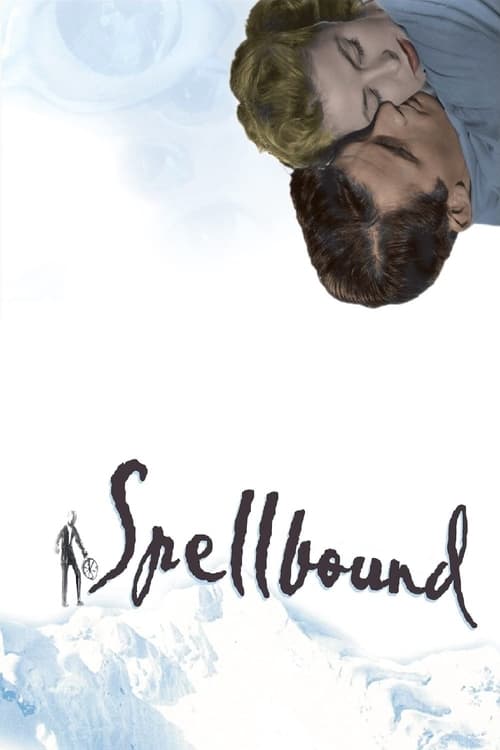
When Dr. Anthony Edwardes arrives at a Vermont mental hospital to replace the outgoing hospital director, Dr. Constance Peterson, a psychoanalyst, discovers Edwardes is actually an impostor. The man confesses that the real Dr. Edwardes is dead and fears he may have killed him, but cannot recall anything. Dr. Peterson, however is convinced his impostor is innocent of the man's murder, and joins him on a quest to unravel his amnesia through psychoanalysis.
Spellbound

A deeply religious black ex-con thwarts the suicide attempt of an asocial white college professor who tries to throw himself in front of an oncoming subway train, 'The Sunset Limited.' As the one attempts to connect on a rational, spiritual and emotional level, the other remains steadfast in his hard-earned despair. Locked in a philosophical debate, both passionately defend their personal credos and try to convert the other.
The Sunset Limited

In Luis Buñuel’s deliciously satiric masterpiece, an upper-class sextet sits down to dinner but never eats, their attempts continually thwarted by a vaudevillian mixture of events both actual and imagined.
The Discreet Charm of the Bourgeoisie

From a prolific career in film and television, Anton Yelchin left an indelible legacy as an actor. Through his journals and other writings, his photography, the original music he wrote, and interviews with his family, friends, and colleagues, this film looks not just at Anton's impressive career, but at a broader portrait of the man.
Love, Antosha
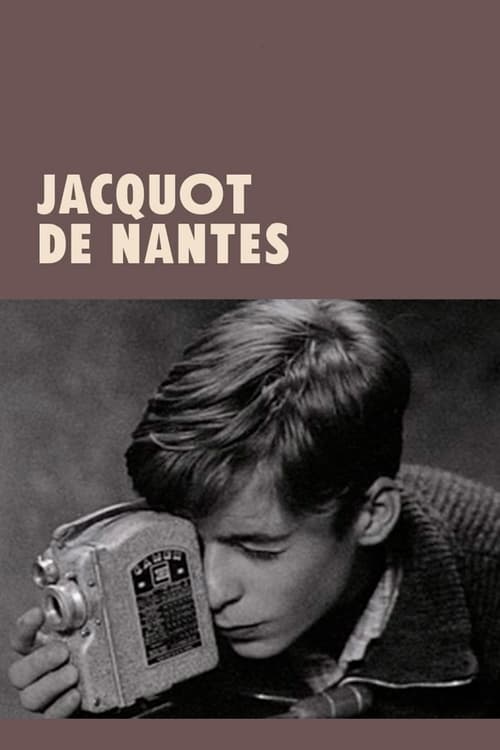
Jacquot Demy, the son of a garage owner and a hairdresser, is fascinated by cinema and decides to pursue his dream of becoming a filmmaker by any means necessary.
Jacquot

What does it mean to be a successful comedian? How far can the boundaries of taste be pushed to get a laugh? Four top comics, Ricky Gervais, Louis C.K., Jerry Seinfeld and Chris Rock, discuss and debate their craft.
Talking Funny
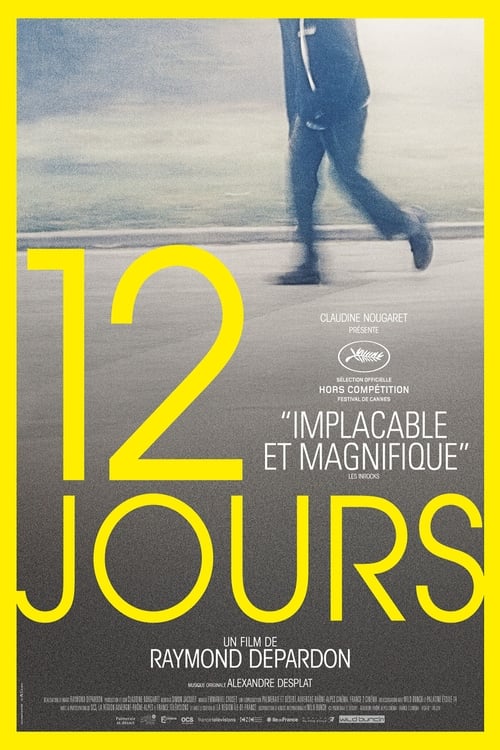
A new documentary by filmmaker-photographer Raymond Depardon – where justice and psychiatry meet.
12 Days
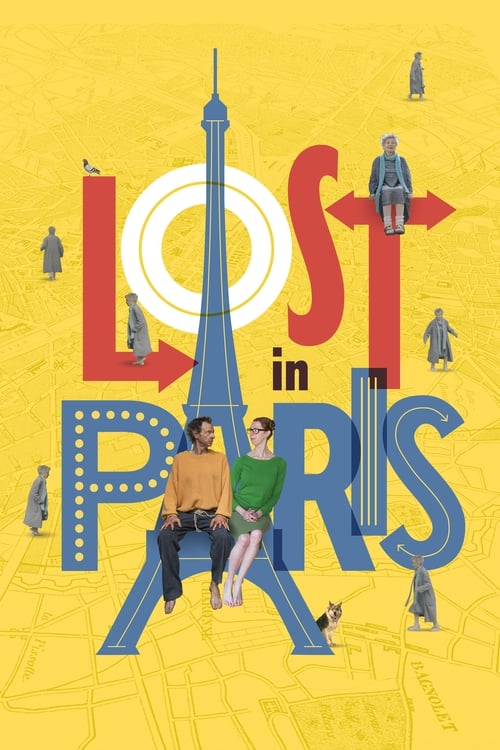
Fiona visits Paris for the first time to assist her myopic Aunt Martha. Catastrophes ensue, mainly involving Dom, a homeless man who has yet to have an emotion or thought he was afraid of expressing.
Lost in Paris

Two old friends meet for dinner; as one tells anecdotes detailing his experiences, the other notices their differing worldviews.
My Dinner with Andre
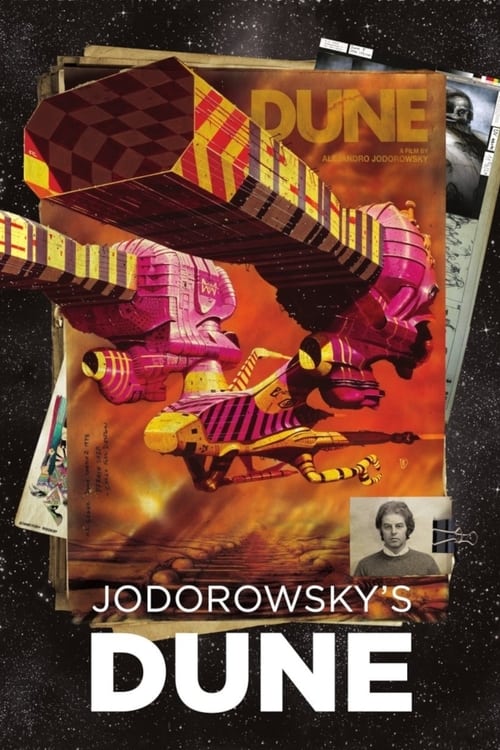
In 1974, Chilean-French director Alejandro Jodorowsky embarked on the quixotic project of adapting Frank Herbert's influential novel Dune (1969) for the big screen. After investing two years, and millions of dollars, the gigantic project ended in failure; but the artists Jodorowsky brought together to carry it out continued to work together, and ended up laying the foundations for modern science fiction cinema.
Jodorowsky's Dune

1985. Vincent, almost 13, lives in the suburbs of Paris in a middle-class family, between a distant older brother and parents in constant conflict. Although he is no longer a child and not yet an adult, the film follows his reflections and doubts about identity, friendship, family, and his questions about religion, desire, and love.
Just an Illusion

Do you have to be miserable to be funny? More than sixty comedians—including stand-ups, writers, actors, and directors from the US, Canada, and abroad—take on this question, sharing anecdotes and insights with lively enthusiasm.
Misery Loves Comedy
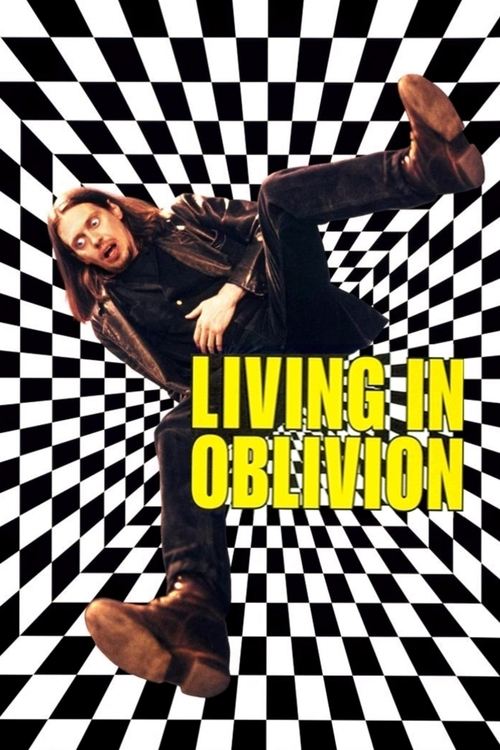
Low-budget independent filmmaker Nick Reve tries to keep everything together as his production is plagued with an insecure actress, a megalomaniac star, a pretentious beret-wearing director of photography, and lousy catering.
Living in Oblivion

Broke, with nothing but her cat to her name and doors closing in her face, Paula is back in Paris after a long absence. As she meets different people along the way, there is one thing she knows for sure: she's determined to make a new start and she'll do it with style and panache.
Jeune Femme

Julie is a new mom and children's book author, who escapes into the bright Crayola-colored world of her creation in order to leave behind the darkness caused by her post-partum depression.
A Mouthful of Air
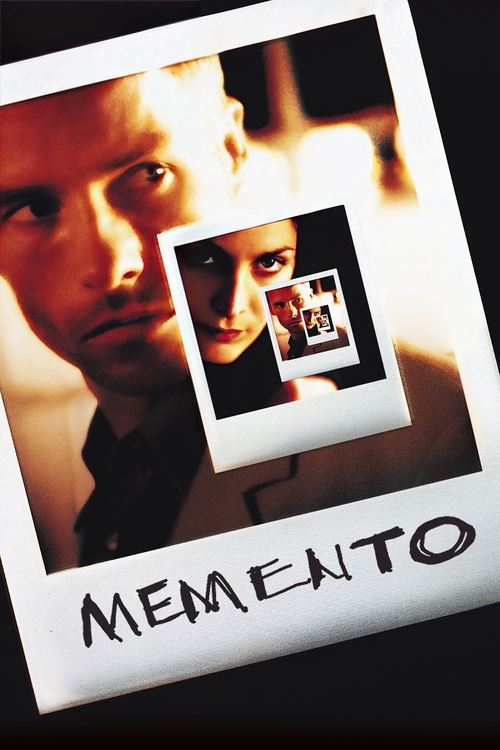
Leonard Shelby is tracking down the man who raped and murdered his wife. The difficulty of locating his wife's killer, however, is compounded by the fact that he suffers from a rare, untreatable form of short-term memory loss. Although he can recall details of life before his accident, Leonard cannot remember what happened fifteen minutes ago, where he's going, or why.
Memento

Paul is a sweet man-child, raised — and smothered — by his two eccentric aunts in Paris since the death of his parents when he was a toddler. Now thirty-three, he still does not speak. Paul's aunts have only one dream for him: to win piano competitions. Although Paul practices dutifully, he remains unfulfilled until he submits to the interventions of his upstairs neighbour. Suitably named after the novelist, Madame Proust offers Paul a concoction that unlocks repressed memories from his childhood and awakens the most delightful of fantasies.