
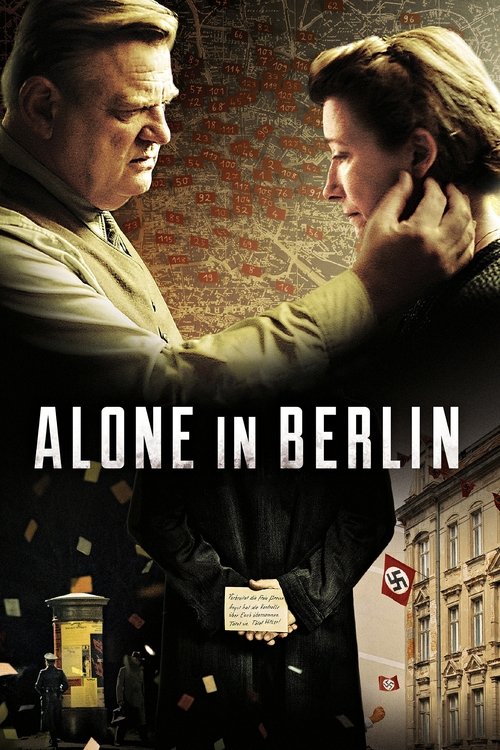
Berlin in June of 1940. While Nazi propaganda celebrates the regime’s victory over France, a kitchen-cum-living room in Prenzlauer Berg is filled with grief. Anna and Otto Quangel’s son has been killed at the front. This working class couple had long believed in the ‘Führer’ and followed him willingly, but now they realise that his promises are nothing but lies and deceit. They begin writing postcards as a form of resistance and in a bid to raise awareness: Stop the war machine! Kill Hitler! Putting their lives at risk, they distribute these cards in the entrances of tenement buildings and in stairwells. But the SS and the Gestapo are soon onto them, and even their neighbours pose a threat.

In the aftermath of WWII, German-Jewish cabaret singer Nelly has to undergo facial reconstructive surgery following her survival from Auschwitz. Without recognising Nelly, her former husband Johnny asks her to help him claim his wife’s inheritance. To see if he's betrayed her, she agrees, becoming her own doppelgänger.
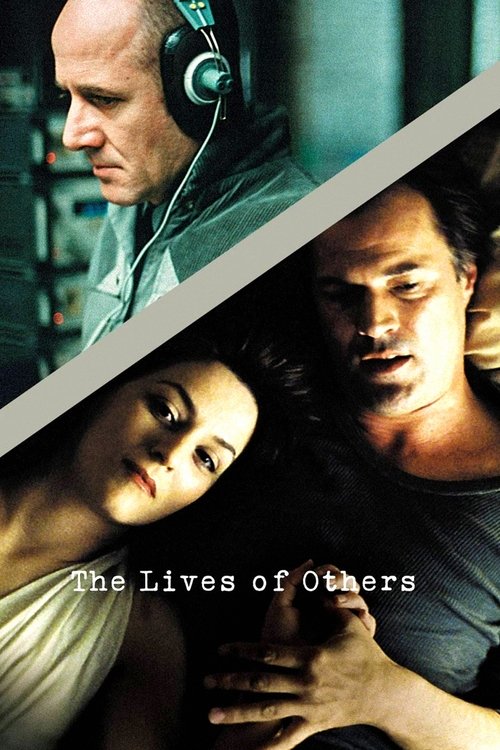
In 1984 East Berlin, dedicated Stasi officer Gerd Wiesler begins spying on a famous playwright and his actress-lover Christa-Maria. Wiesler becomes unexpectedly sympathetic to the couple, and faces conflicting loyalties when his superior takes a liking to Christa-Maria.
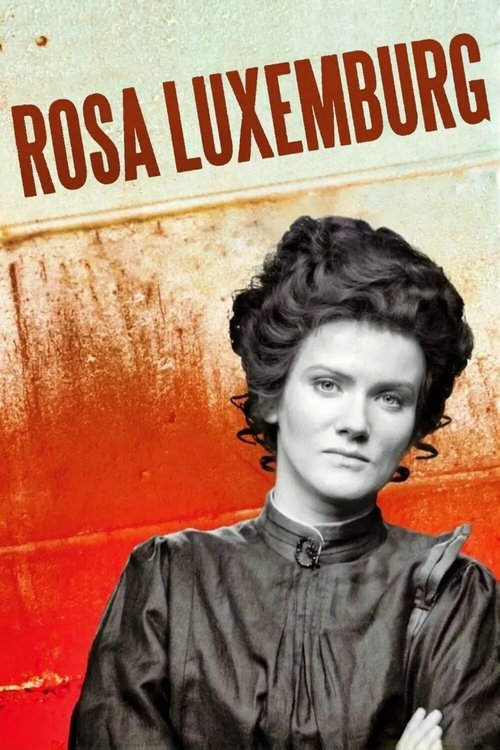
Polish socialist and Marxist Rosa Luxemburg works tirelessly in the service of revolution in early 20th century Poland and Germany. While Luxemburg campaigns for her beliefs, she is repeatedly imprisoned as she forms the Spartacist League offering a new vision for Germany.

The story of Anne Frank, the Jewish girl who went into hiding with her family in Amsterdam and became a victim of the Holocaust.
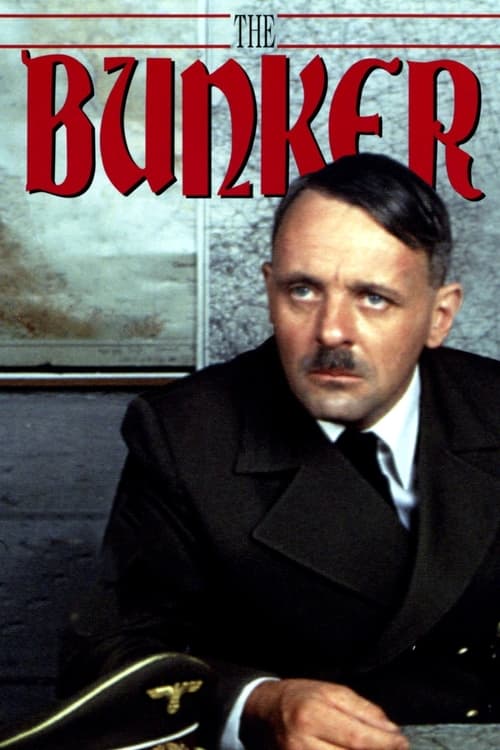
Dramatization depicting the events surrounding Adolf Hitler's last weeks in and around his underground bunker in Berlin before and during the battle for the city.
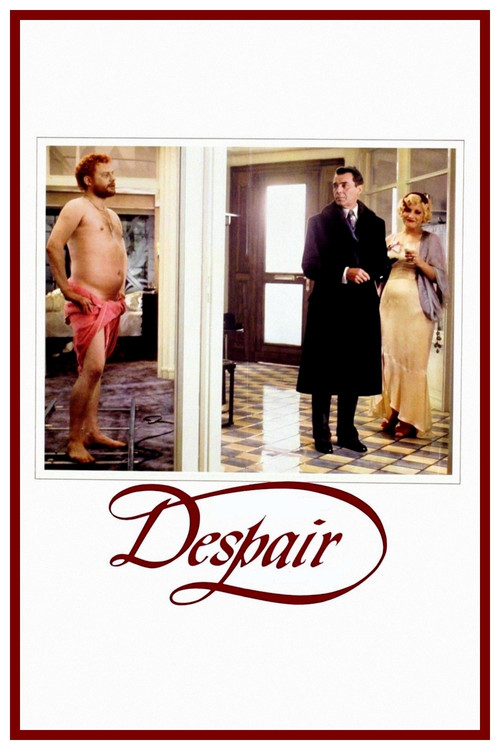
Berlin, 1930, during the rise of Nazism. Hermann Hermann, a Russian emigrant and chocolate manufacturer, married to the capricious Lydia, loses his temper more and more every day when dealing with his workers and other businessmen; until he meets Felix, a vagrant, who seems to be physically identical to him; a disconcerting fact that leads Hermann Hermann to plot a particular way out of a fake world he actually hates.

When Ruth's husband dies in New York, in 2000, she imposes strict Jewish mourning, which puzzles her children. A stranger comes to the house - Ruth's cousin - with a picture of Ruth, age 8, in Berlin, with a woman the cousin says helped Ruth escape. Hannah, Ruth's daughter engaged to a gentile, goes to Berlin to find the woman, Lena Fisher, now 90. Posing as a journalist investigating intermarriage, Hannah interviews Lena who tells the story of a week in 1943 when the Jewish husbands of Aryan women were detained in a building on Rosenstrasse. The women gather daily for word of their husbands. The film goes back and forth to tell Ruth and Lena's story. How will it affect Hannah?
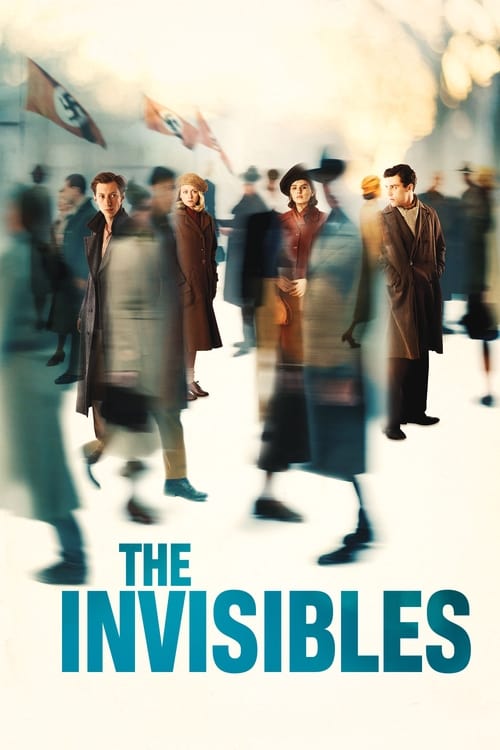
Four young Jews survive the Third Reich in the middle of Berlin by living so recklessly that they become "invisible."
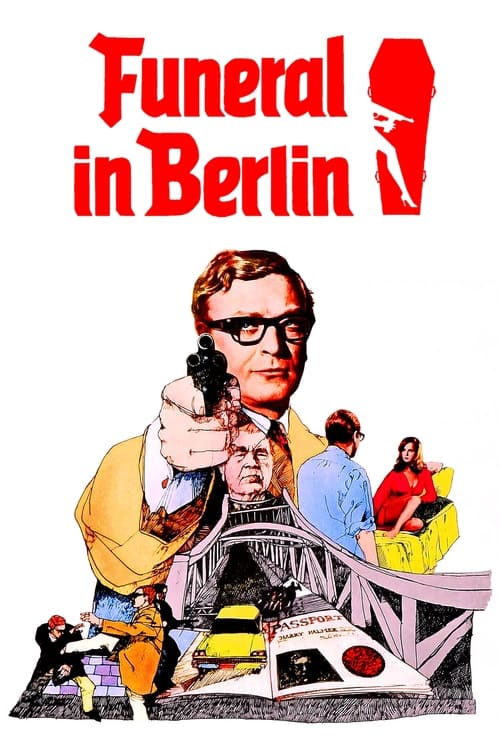
Colonel Stok, a Soviet intelligence officer responsible for security at the Berlin Wall, appears to want to defect but the evidence is contradictory. Stok wants the British to handle his defection and asks for one of their agents, Harry Palmer, to smuggle him out of East Germany.
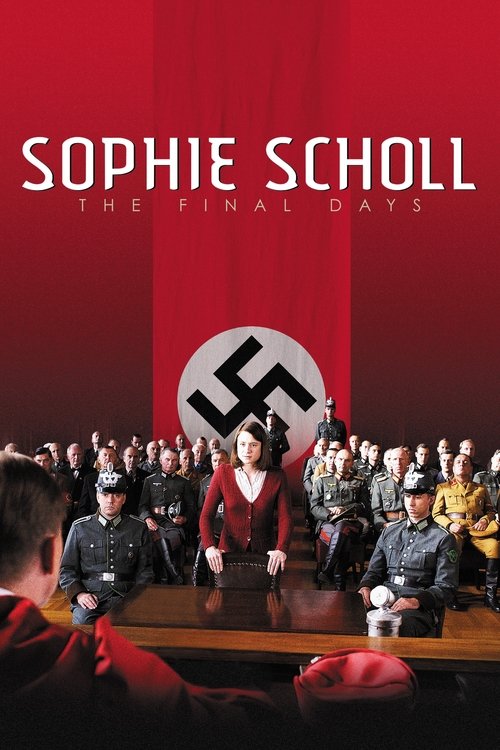
In 1943, as Hitler continues to wage war across Europe, a group of college students mount an underground resistance movement in Munich. Dedicated expressly to the downfall of the monolithic Third Reich war machine, they call themselves the White Rose. One of its few female members, Sophie Scholl is captured during a dangerous mission to distribute pamphlets on campus with her brother Hans. Unwavering in her convictions and loyalty to the White Rose, her cross-examination by the Gestapo quickly escalates into a searing test of wills as Scholl delivers a passionate call to freedom and personal responsibility.

A portrait of the genius that shook the world with her discovery of “the banality of evil.” After she attends the Nazi Adolf Eichmann’s trial in Jerusalem, Arendt dares to write about the Holocaust in terms no one has ever heard before. Her work instantly provokes a furious scandal, and Arendt stands strong as she is attacked by friends and foes alike. But as the German-Jewish émigré also struggles to suppress her own painful associations with the past, the film exposes her beguiling blend of arrogance and vulnerability — revealing a soul defined and derailed by exile.
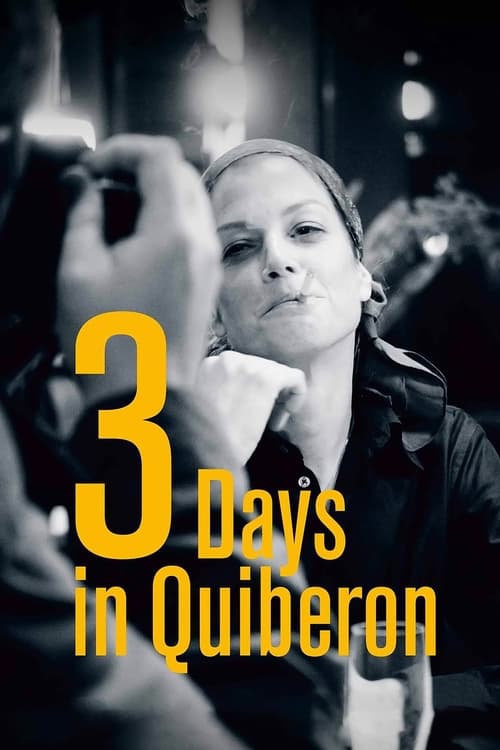
1981, Quiberon, a small village on the coast of Brittany, France. Hilde Fritsch arrives to visit her old friend who has retreated to a spa hotel to escape the daily pressures of her life. Her friend is world-famous star Romy Schneider, but together, they appear like two regular women who are just happy to be reunited. Yet it quickly becomes apparent that Hilde is supposed to offer the support the sensitive actress needs to be able to truly face her own demons.

The commandant of Auschwitz, Rudolf Höss, and his wife Hedwig, strive to build a dream life for their family in a house and garden next to the camp.
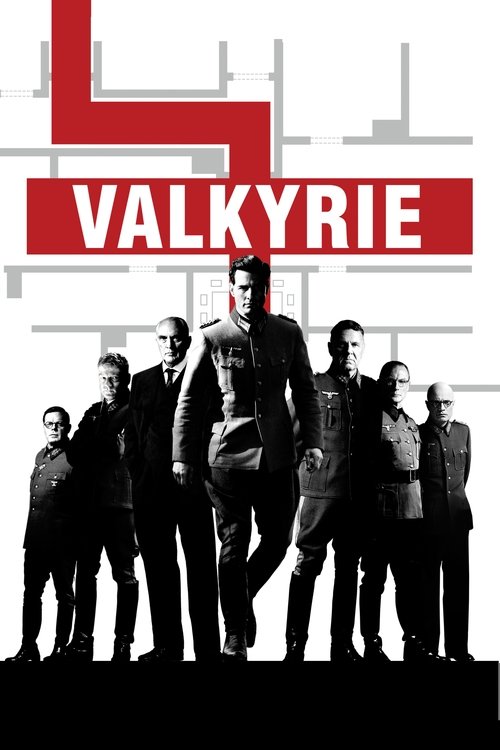
Wounded in Africa during World War II, Nazi Col. Claus von Stauffenberg returns to his native Germany and joins the Resistance in a daring plan to create a shadow government and assassinate Adolf Hitler. When events unfold so that he becomes a central player, he finds himself tasked with both leading the coup and personally killing the Führer.

In the Warsaw ghetto in 1943, Jews rise against the Nazis.

Painting is an unacceptable vocation for a woman in provincial Germany in the year 1900, but budding artist Paula Becker is determined to make her own rules.
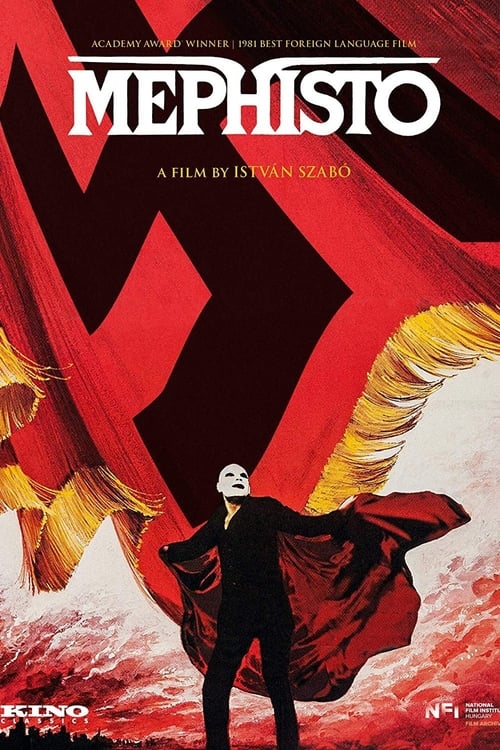
A German stage actor finds unexpected success and mixed blessings in the popularity of his performance in a Faustian play as the Nazis take power in pre-WWII Germany. As his associates and friends flee or are ground under by the Nazi terror, the popularity of his character supercedes his own existence until he finds that his best performance is keeping up appearances for his Nazi patrons.

Andreas Dresen's adaptation of Clemens Meyer's novel about a group of East German friends right after the fall of the Wall.

A small band of multicultural convicts stages a daring escape from a WWII-era Siberian gulag, and embarks on a treacherous journey across five countries in a desperate race for freedom and survival.

Heike Makatsch
Hildegard Knef

Dan Stevens
David Cameron

Monica Bleibtreu
Else Bongers
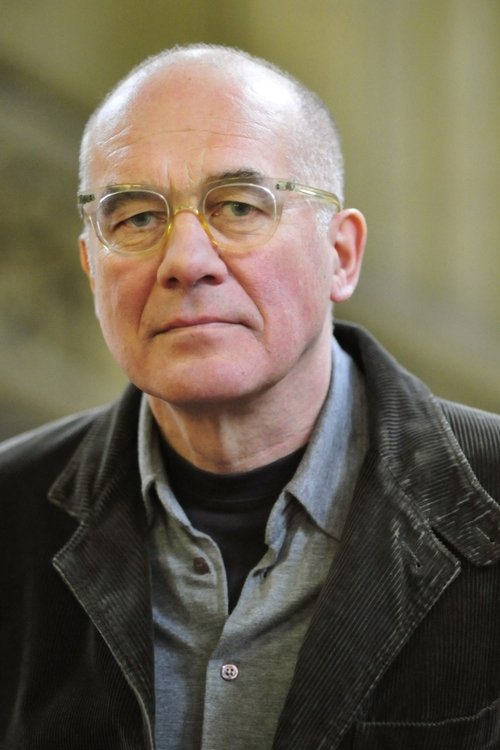
Hanns Zischler
Erich Pommer

Johanna Gastdorf
Frieda Knef

Trystan Pütter
Kurt Hirsch

Michael Gwisdek
Großvater
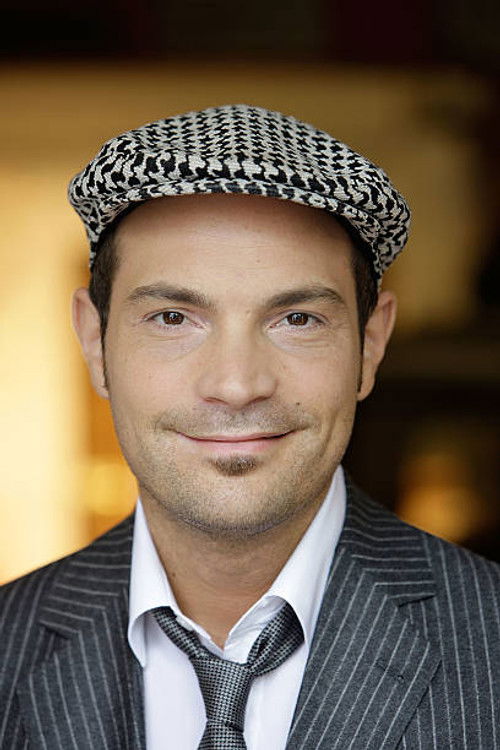
Roger Cicero
Ricci Blum

Anian Zollner
Ewald von Demandowsky

Sylvester Groth
Boleslaw Barlog

Stanley Townsend
David O. Selznick

Fritz Roth