
Photos
Vous aimerez aussi
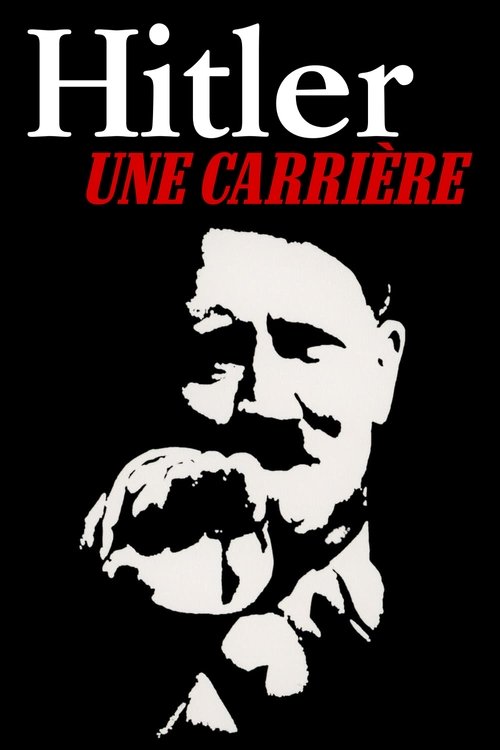
Inspiré du best-seller de l’historien Joachim C. Fest, ouvrage de référence absolu, ce documentaire est uniquement composé d’images d’archives et d’un commentaire fidèle à l’œuvre monumentale de Fest. Il permet de comprendre comment un homme a pu conduire un peuple à commettre l’irréparable et à plonger le monde dans l’horreur…
Hitler, une carrière
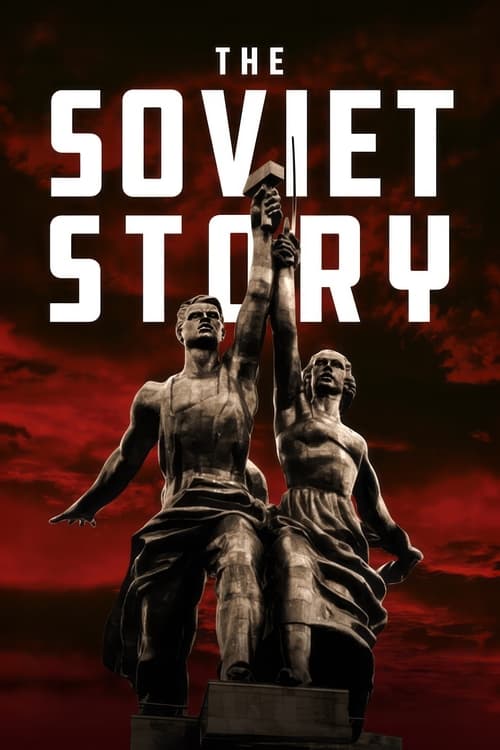
“The Soviet Story” is a story of an Allied power, which helped the Nazis to fight Jews and which slaughtered its own people on an industrial scale. Assisted by the West, this power triumphed on May 9th, 1945. Its crimes were made taboo, and the complete story of Europe’s most murderous regime has never been told. Until now...
The Soviet Story
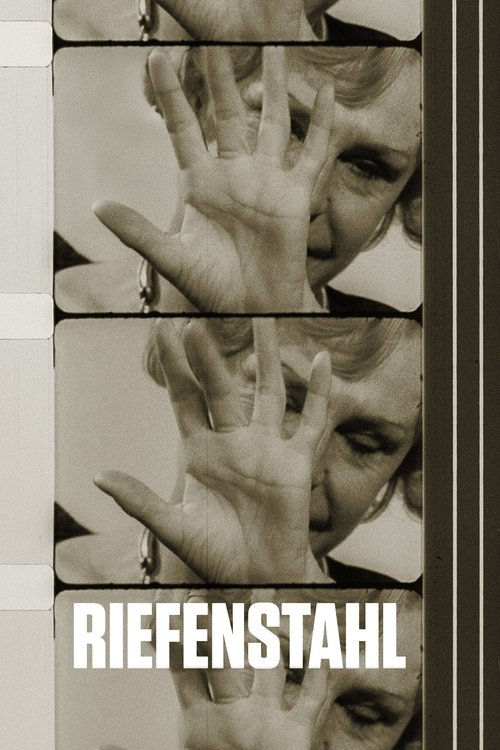
Explore l'héritage artistique de Leni Riefenstahl et ses liens complexes avec le régime nazi, en juxtaposant son autoportrait avec des preuves suggérant une conscience des atrocités du régime.
Leni Riefenstahl, la lumière et les ombres
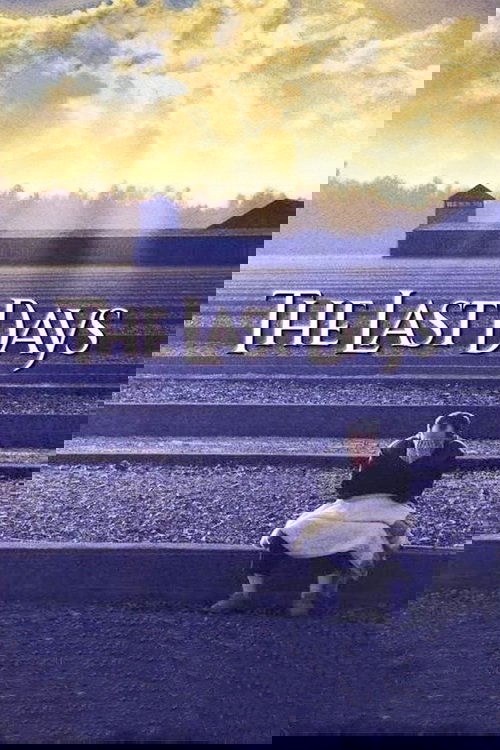
Récompensé aux Oscars, ce documentaire retrace l'histoire terrifiante de cinq Juifs de Hongrie victimes des horreurs de l'Holocauste et du régime d'Adolf Hitler.
Les Derniers jours
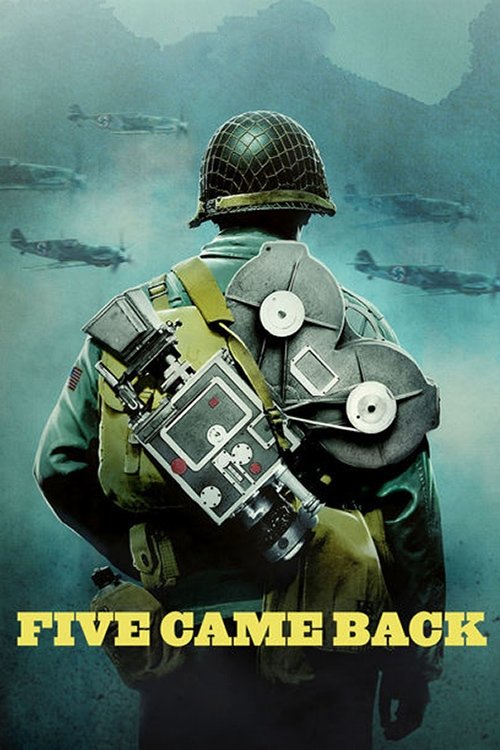
Série documentaire traitant de l'expérience de John Ford, William Wyler, John Huston, Frank Capra et George Stevens sur le théâtre européen durant la Seconde Guerre Mondiale. Narrée par Meryl Streep, la série offre des interventions de cinq cinéastes contemporains : Steven Spielberg, Francis Coppola Ford, Guillermo Del Toro, Paul Greengrass et Lawrence Kasdan.
Cinq hommes et une guerre
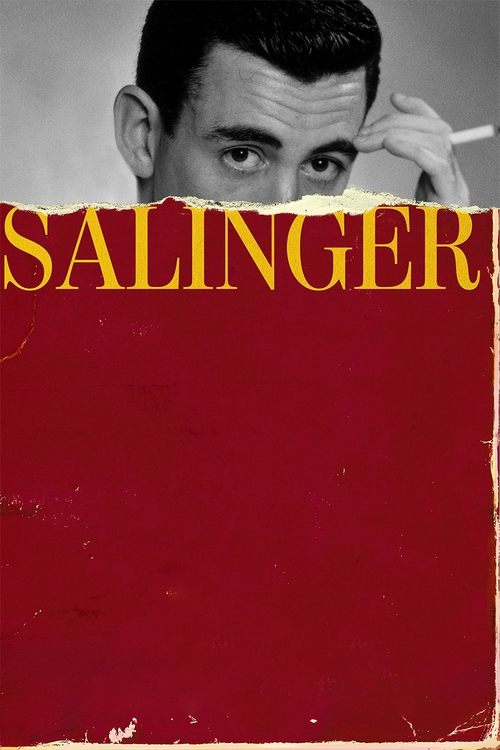
An in-depth investigation into the private world of the American writer J. D. Salinger (1919-2010), who lived most of his life behind the impenetrable wall of a self-imposed seclusion: how his dramatic experiences during World War II influenced his life and work, his relationships with very young women, his obsessive writing methods, his many literary secrets.
Salinger
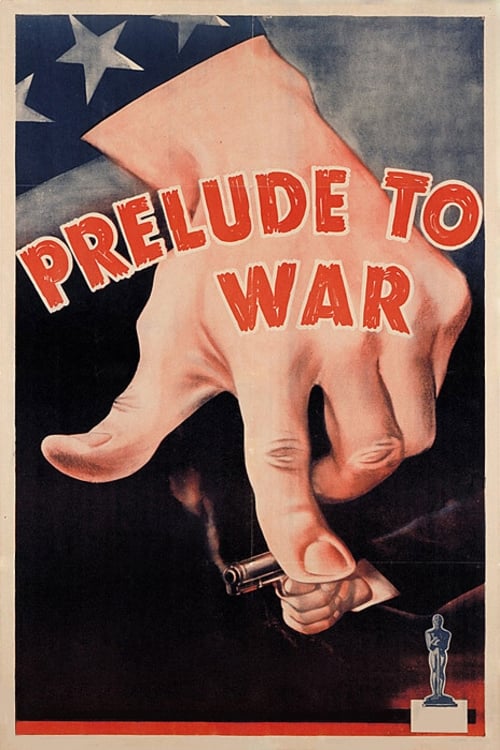
Oscar® du meilleur documentaire en 1943, ce film est le premier de la série Pourquoi nous combattons produite par le Département de la Guerre américain. L’objectif est de décrire et d’expliquer les événements qui ont poussé les États-Unis à entrer en guerre. Les systèmes totalitaires et répressifs allemands, italiens et japonais sont décryptés et opposés à la grande puissance démocratique des États-Unis.
Pourquoi nous combattons : Prélude à la guerre
L'histoire du son au cinéma, racontée par des concepteurs sonores légendaires et des cinéastes visionnaires.
Making waves : la magie du son au cinéma
Une immersion viscérale au cœur de la guerre en Ukraine : Mstyslav Chernov suit des soldats ukrainiens en première ligne de front pour libérer le village d’Andriivka, un point stratégique de l’occupation russe proche de Bakhmut. Un véritable choc cinématographique.
À 2000 mètres d'Andriivka
Vivez les évènements du 11 septembre 2001 à travers les yeux du Président Bush et de ses plus proches conseillers alors qu’ils revisitent les heures cruciales et les décisions clés de cette journée qui a marqué l’histoire.
11 septembre : dans la cellule de crise du Président

"Chef d'œuvre de haine, de vanité provocante, d'orgueil démoniaque, mais chef-d'œuvre tout de même." - Riefenstahl utilise le langage cinématographique pour glorifier et mythifier le sujet : contre-plongées héroïques, contre-champ nombreux de spectateurs (soldats, militants et "civils") enthousiastes. Le cadrage de la foule, lors de travellings ne permet pas un décompte exact. Travellings circulaires lors des discours et très grands plans lors des parades. - La séquence d'ouverture fait d'Hitler un dieu descendu des cieux pour sauver le peuple allemand. "Un dieu nouveau descendant du Walhalla", selon Mitry qui reprend l'analyse de Sadoul:("L'avion du nouveau Messie se posait à Nuremberg.") qui, plus loin, parle de "pompeuse déification wagnérienne". Ferro évoque "l'avion du Führer qui descend du ciel tel le démiurge"
Le Triomphe de la volonté
Rencontrez les vrais aviateurs ayant inspiré Masters of the Air à travers leur récit poignant et marquant sur le 100e groupe de bombardement.
The Bloody Hundredth : la 100e escadre
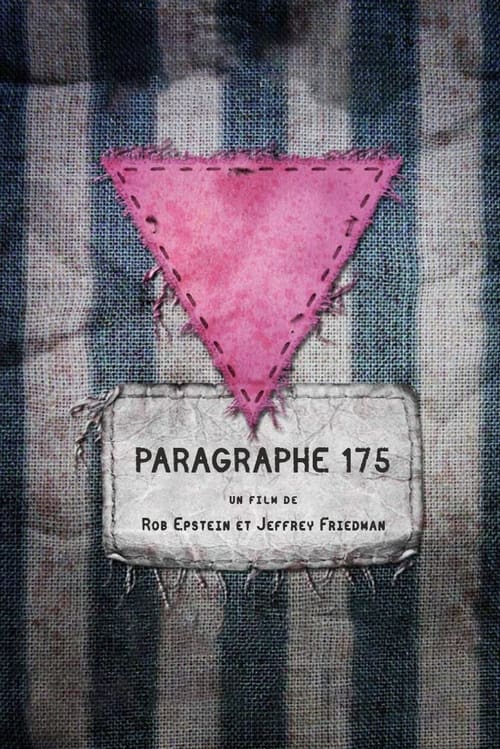
Les homosexuels ont été comme tant d'autres les victimes du régime hitlérien. Ils étaient persécutés en vertu du paragraphe 175 du code pénal allemand. Ce paragraphe, datant de 1871, condamnait à la prison "les actes contre nature" entre hommes.
Paragraphe 175
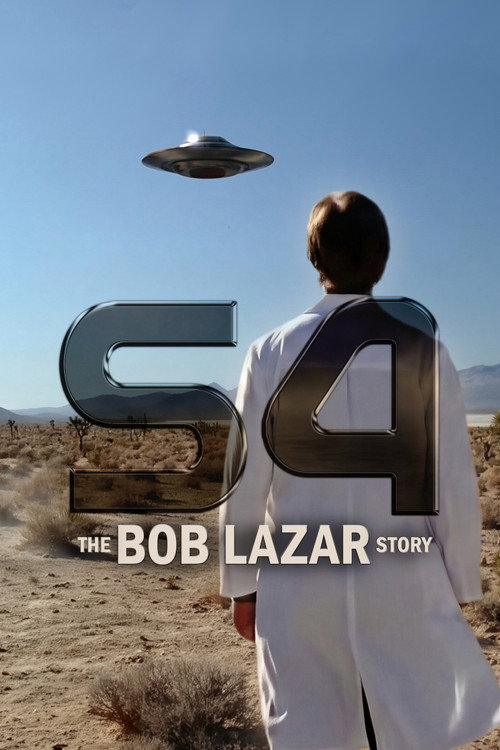
Over 35 years after Bob Lazar's revelations, this documentary exposes secrets of a facility the government still denies. Featuring Lazar's testimony, recreations, and new evidence, it reopens a case that continues to spark global curiosity
S4: The Bob Lazar Story

Le titre Zeitgeist est une expression allemande qui veut dire « esprit du temps », en faisant allusion à l'expérience du climat culturel dominant. Le site web officiel déclare que Zeitgeist, The Movie et sa suite Zeitgeist : Addendum ont été créés sans but lucratif pour communiquer les conclusions des auteurs. Peter Joseph utilise des appuis historiques et modernes afin de montrer que ces conclusions sont censurées par les institutions sociales actuelles dominantes. Le film se veut une déconstruction méthodique de trois grands événements ou mythes qui présideraient au fonctionnement des sociétés occidentales
Zeitgeist: The Movie

Dans une histoire intime et joyeuse sur l’amour face à la perte, les célèbres poétesses Andrea Gibson et Megan Falley trouvent la force et une hilarité inattendue dans ce qui pourrait être leur dernière année ensemble.
Come See Me in the Good Light

Diaries, audiotapes, videotapes and testimonials from friends and colleagues offer insight into the life and career of Gilda Radner -- the beloved comic and actress who became an icon on Saturday Night Live.
Love, Gilda
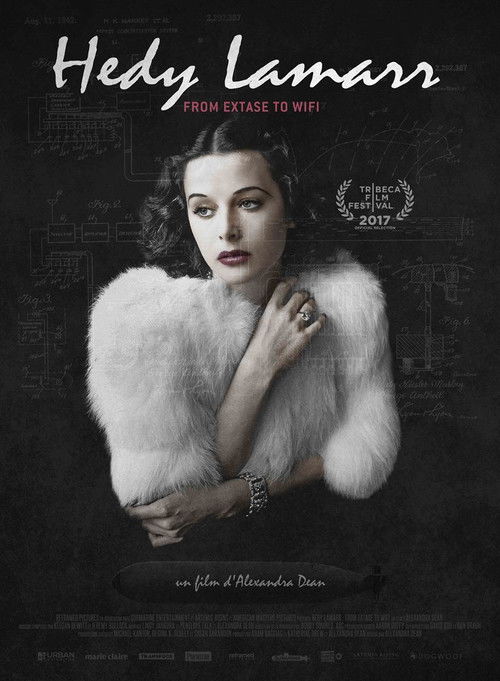
C’est l’ultime portrait d’une figure complexe : l’autrichienne Hedy Lamarr. Deux vies, l’une officielle : actrice qui fascine le monde par sa beauté et par sa liberté sexuelle scandaleuse, l’une plus secrète, un esprit scientifique insoupçonné qui participa à l’invention d’un système secret de communication dans les années 1940. C’est une invitation contemporaine à redécouvrir l’enfant sauvage partie à la conquête d’Hollywood pour fuir son mari.
Hedy Lamarr, Star et Inventeuse de génie

En 1980, Stanley Kubrick signe SHINING, qui deviendra un classique du cinéma d’horreur. A la fois admiré et vilipendé, le film est considéré comme une œuvre marquante du genre par de nombreux experts, tandis que d’autres estiment que Kubrick s’est dévoyé en la réalisant. Mais il y a aussi des fans acharnés qui ont voué leur vie au décryptage des messages cachés de ce film culte… Théories du complot ? Ont ils décrypté les messages secrets de Shining ?
Room 237
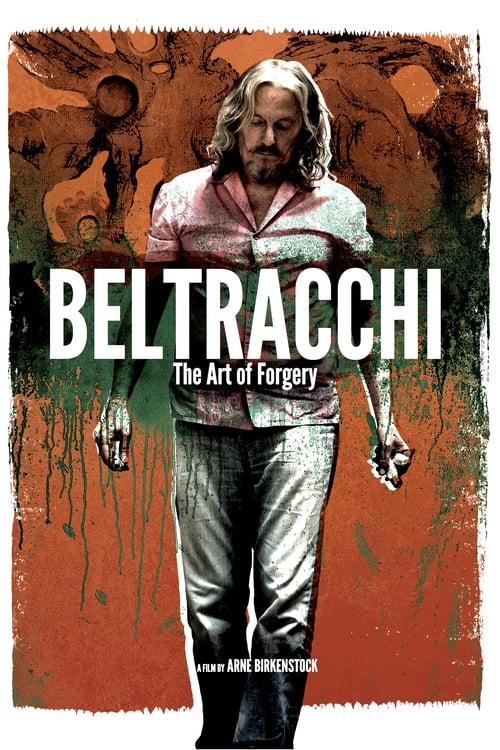
Wolfgang Beltracchi got away with forging art masterpieces for over 40 years. He may be egotistical and nihilistic, but his genius in undeniable. He managed to fool gallery owners, historians and investors with the stroke of a brush. This documentary follows his last days as a free man.