설탕 발림 필름
Synopsis
- Réalisateurs
- 서원태, Michiko Takahashi
- Langue originale
- coréen
Vous aimerez aussi
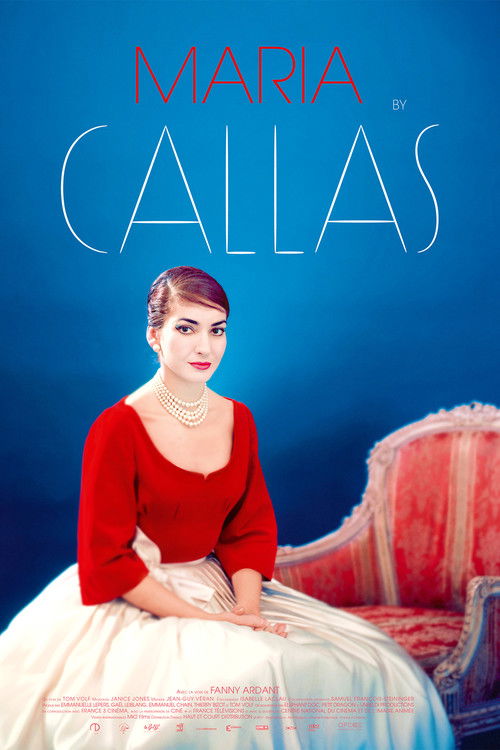
Le film est entièrement constitué d'archives personnelles et dévoile des images inédites, photographies, films Super 8, enregistrements privés de ses concerts, lettres et interviews dans les coulisses de ses performances.
Maria by Callas

En 1974, le réalisateur franco-chilien Alejandro Jodorowsky se lance dans le projet chimérique d'adapter au grand écran le roman influent de Frank Herbert, « Dune » (1969). Après avoir investi deux ans et des millions de dollars, ce projet gigantesque se solde par un échec ; mais les artistes réunis par Jodorowsky pour le mener à bien continuent à travailler ensemble et finissent par jeter les bases du cinéma de science-fiction moderne.
Jodorowsky's Dune

An atmospheric essay, which is an alternative version of Count Dracula, a film directed by Jess Franco in 1970; a ghostly narration between fiction and reality.
Vampir Cuadecuc
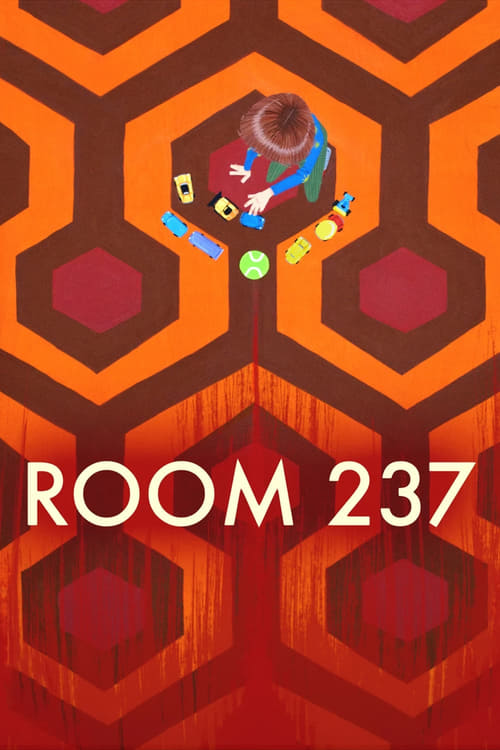
En 1980, Stanley Kubrick signe SHINING, qui deviendra un classique du cinéma d’horreur. A la fois admiré et vilipendé, le film est considéré comme une œuvre marquante du genre par de nombreux experts, tandis que d’autres estiment que Kubrick s’est dévoyé en la réalisant. Mais il y a aussi des fans acharnés qui ont voué leur vie au décryptage des messages cachés de ce film culte… Théories du complot ? Ont ils décrypté les messages secrets de Shining ?
Room 237
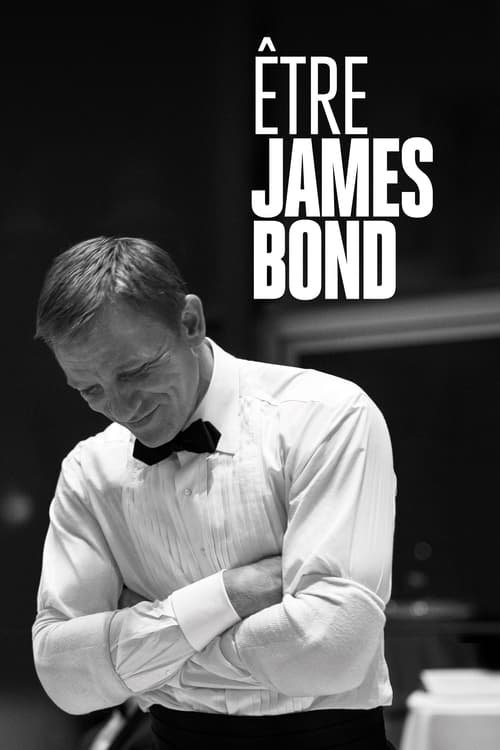
Daniel Craig revient franchement sur ses 15 ans d'aventure en tant que James Bond. Y compris des images d'archives inédites de Casino Royale au 25e film à venir No Time To Die, Craig partage ses souvenirs personnels lors d'une conversation avec les producteurs de 007, Michael G Wilson et Barbara Broccoli.
Être James Bond
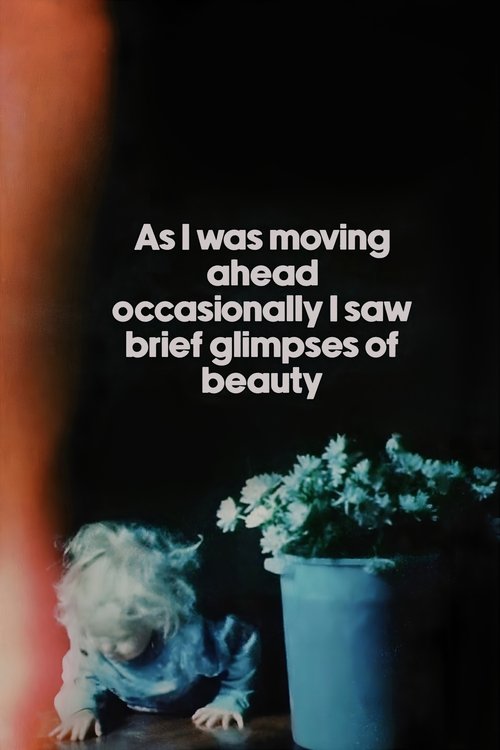
A compilation of over 30 years of private home movie footage shot by Lithuanian-American avant-garde director Jonas Mekas, assembled by Mekas "purely by chance", without concern for chronological order.
As I Was Moving Ahead, Occasionally I Saw Brief Glimpses of Beauty
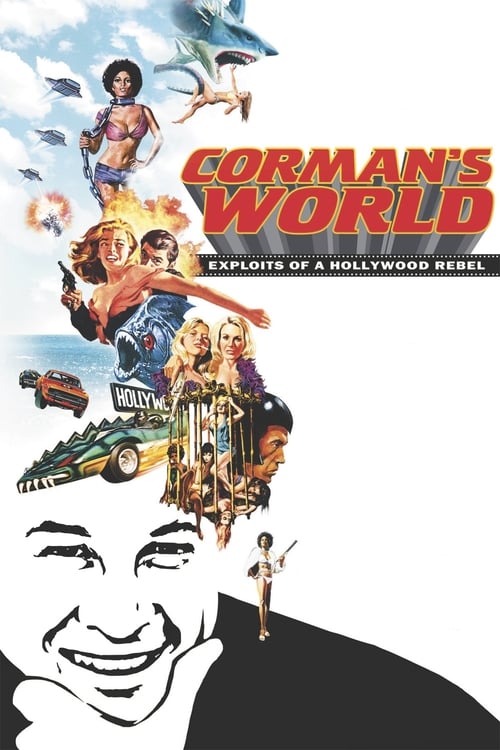
Le documentaire d’Alex Stapleton visite la carrière de Roger Corman, l’homme capable de réaliser ou de produire des films en trois jours, à qui l’on doit également le lancement des carrières de Jack Nicholson, Martin Scorsese, Monte Hellman et de nombreuses autres personnalités du cinéma américain.
Le Monde de Corman
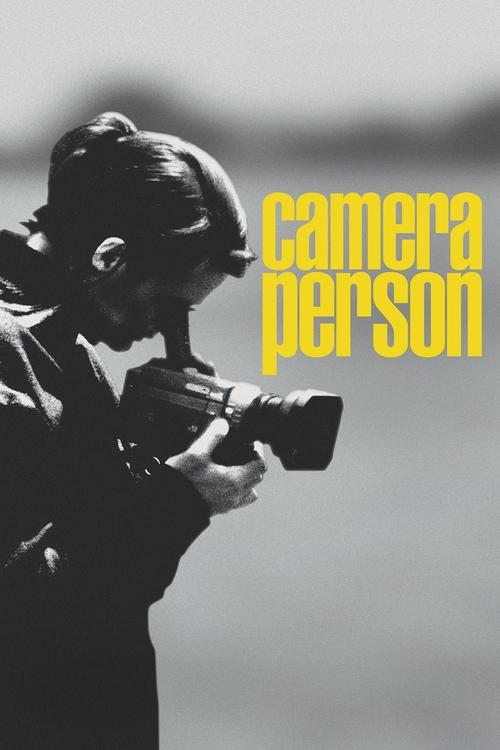
Kirsten Johnson, directrice de la photo depuis plus de 25 ans (ayant travaillé sur des documentaires tel que Citizenfour, La Guerre Invisible, The Oath et de nombreux autres), partage avec nous un journal composé de rushes de ses nombreux tournages, pour tenter de comprendre ce que signifie le fait de voir le monde à travers un objectif..
Cameraperson
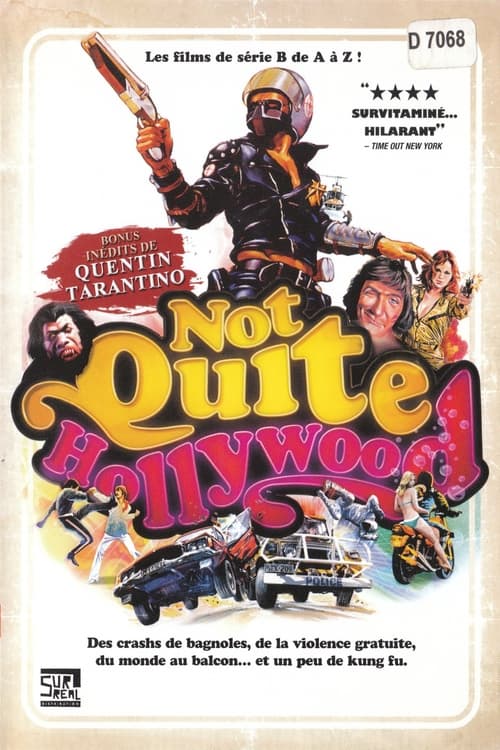
Alors que le cinéma australien a percé auprès du public international dans les années 1970 grâce à des films d'art et d'essai respectés comme "Picnic at Hanging Rock" de Peter Weir, un nouveau groupe clandestin de réalisateurs de films d'exploitation à petit budget produisait des œuvres beaucoup moins nobles. Le documentariste Mark Hartley explore cette ère de sexe et de violence débridée, avec des extraits de certains des films les plus scandaleux de la scène et des entretiens avec les cinéastes renégats eux-mêmes.
Not Quite Hollywood

L'histoire de l'artiste Lil Peep depuis sa naissance à Long Island et son ascension fulgurante en tant que genre mêlant pop star et icône du style, jusqu'à sa mort suite à une overdose accidentelle d'opioïdes en Arizona à seulement 21 ans.
Lil Peep: Everybody’s Everything
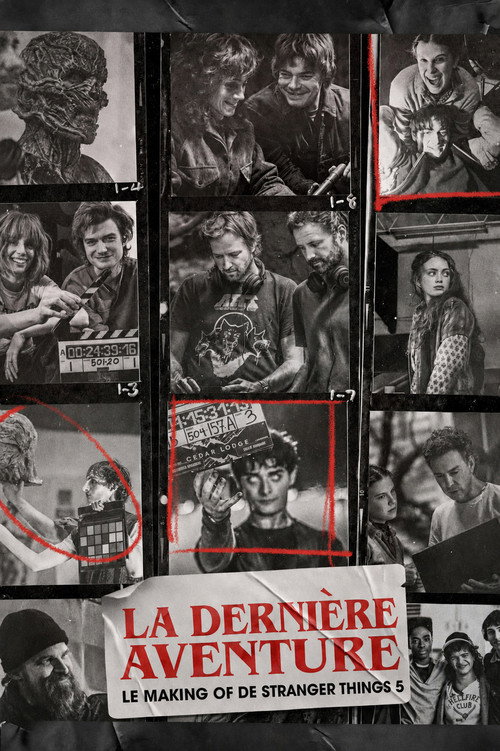
Découvrez les années d'efforts et de créativité qui se cachent derrière le dernier volet de la série phénomène des frères Duffer qui a marqué toute une génération.
La Dernière Aventure : Le making-of de Stranger Things 5
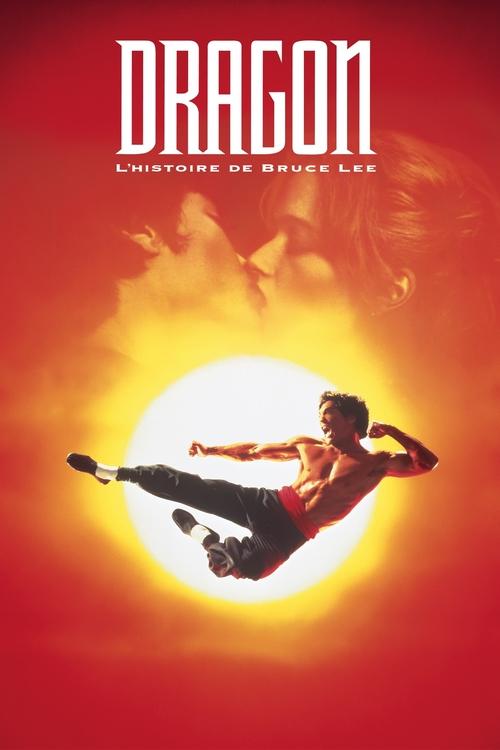
À travers les souvenirs et l'amour que lui porta sa femme, évocation de la vie et de la carrière de Bruce Lee.
Dragon, l'histoire de Bruce Lee
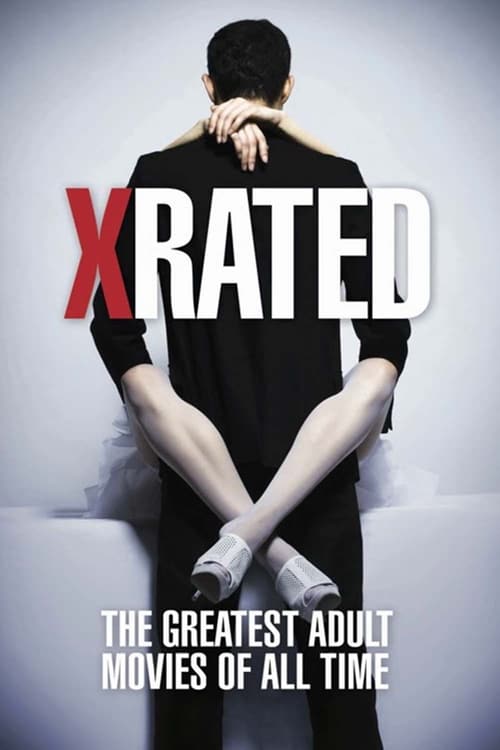
The evolution of adult cinema through the most influential films in history, a journey that begins in the 1970s and ends nowadays. An in-depth analysis of the success of the most prestigious erotic films, their impact on industry and society, and their influence on cinema and contemporary culture.
X-Rated: The Greatest Adult Movies of All Time
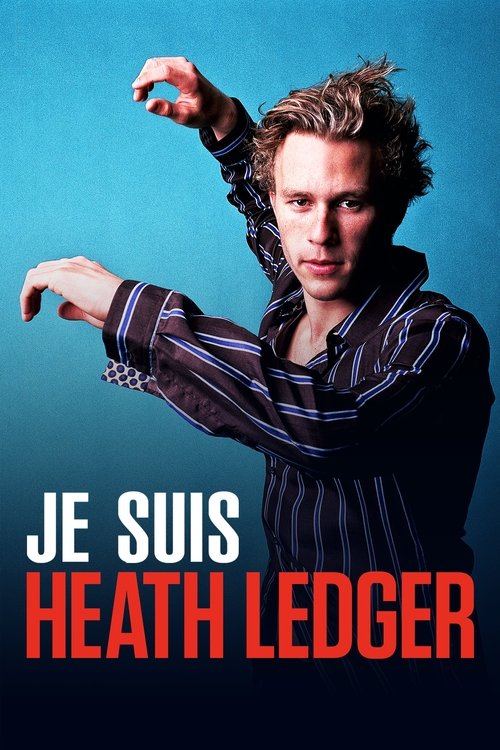
Un documentaire consacré à l'acteur américain Heath Ledger, décédé en 2008 à l'âge de 28 ans.
I Am Heath Ledger
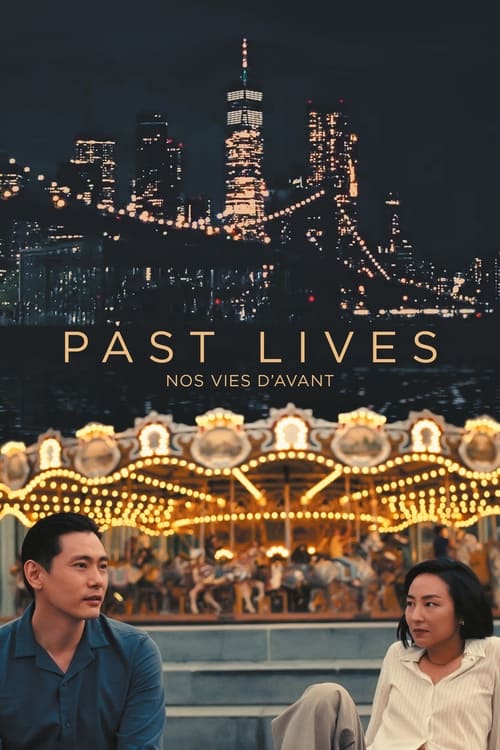
A 12 ans, Nora et Hae Sung sont amis d’enfance, amoureux platoniques. Les circonstances les séparent. A 20 ans, le hasard les reconnecte, pour un temps. A 30 ans, ils se retrouvent, adultes, confrontés à ce qu’ils auraient pu être, et à ce qu’ils pourraient devenir.
Past Lives - Nos vies d’avant
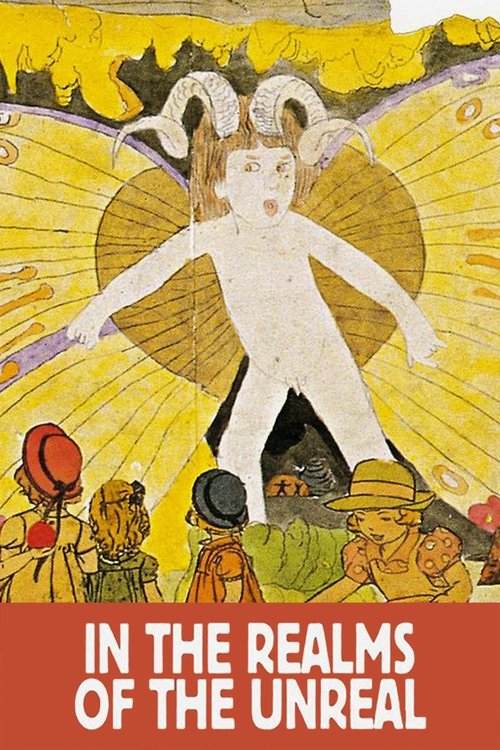
Un documentaire qui explore la vie et l'oeuvre complexe de Henry Derger, artiste légendaire et marginal. Reclus, portier le jour et artiste visionnaire la nuit, Darger est l'auteur d'un roman de 15000 pages qui détaille les exploits des Vivian Girls, sept soeurs qui ont mené la rébellion contre l'esclavage des enfants.
In the Realms of the Unreal
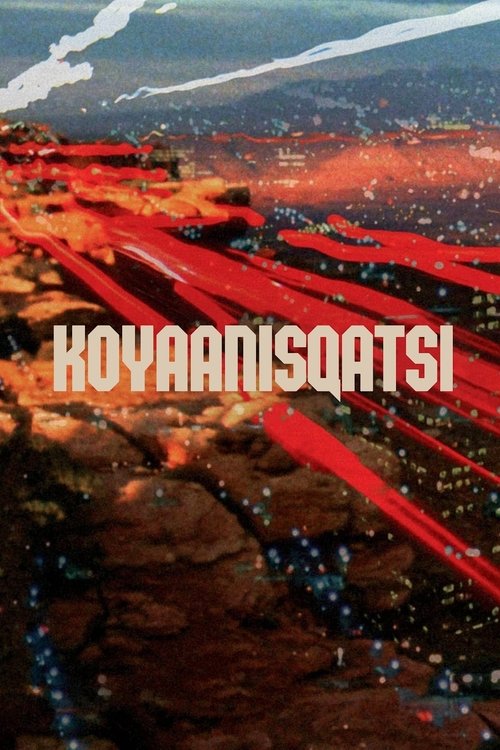
Sur une musique de Philip Glass se succèdent des images de nature, de vies sociales, d'individus, de paysages somptueux arrachés à la paix de la Création par des bulldozers, des brouillards de pollution... Ce film nous emmène dans des lieux situés aux quatre coins des États-Unis et nous montre le lourd tribut que la technologie moderne fait payer aux humains et à la planète. Ce poème visuel ne contient ni dialogue ni narration vocale : son ton est donné par la juxtaposition d'images et la musique exceptionnelle de Philip Glass.
Koyaanisqatsi
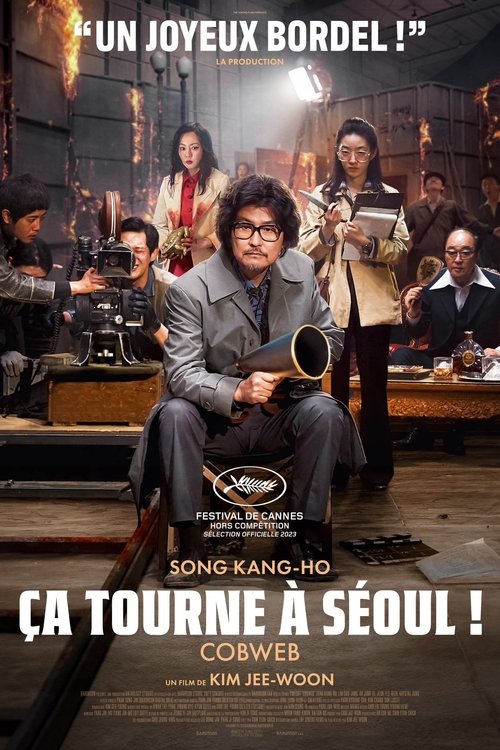
Séoul, 1970 : le réalisateur Kim souhaite refaire la fin de son film "Cobweb". Mais les autorités de censure, les plaintes des acteurs et des producteurs ne cessent d'interférer, et un grand désordre s'installe sur le tournage. Kim doit donc surmonter ce chaos, pour achever ce qu'il pense être son chef-d'œuvre ultime.
Ça tourne à Séoul !
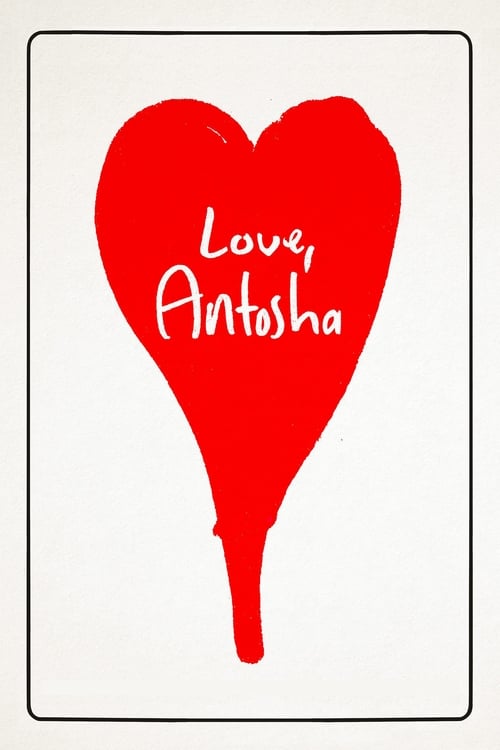
Documentaire intimiste tirant le portrait de l’acteur à travers sa carrière et sa vie de famille. Des témoignages de ses parents, Irina et Viktor, ainsi que des interviews de certains partenaires de jeu comme Jennifer Lawrence, Jodie Foster ou encore Kristen Stewart.
Love, Antosha
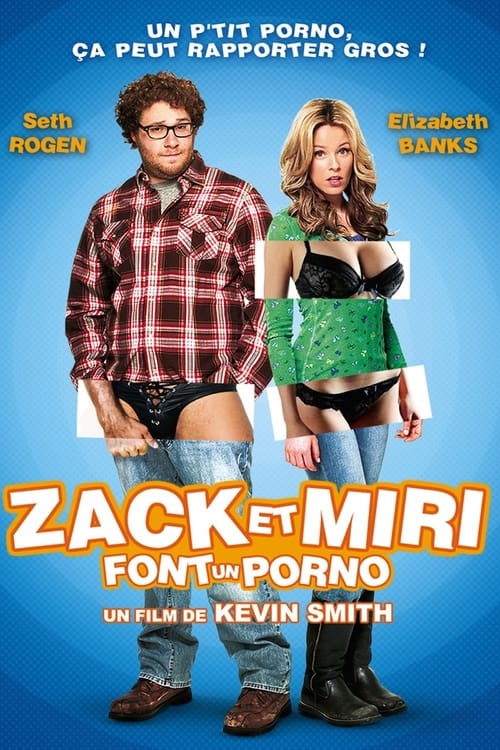
Zack et Miri, deux jeunes adultes à l'amitié platonique, décident de solliciter l'aide de quelques-unes de leurs connaissances afin de réaliser un film pornographique amateur et d'empocher une certaine somme d'argent. Zack et Miri vont, peu à peu, se rendre compte que les sentiments qu'ils ont l'un pour l'autre sont peut-être plus profonds qu'ils ne l'imaginaient...
Zack et Miri font un Porno
Avis & Notes
Connectez-vous pour donner votre avis
Partagez votre opinion avec la communauté.