Songshu
Synopsis
You might also like
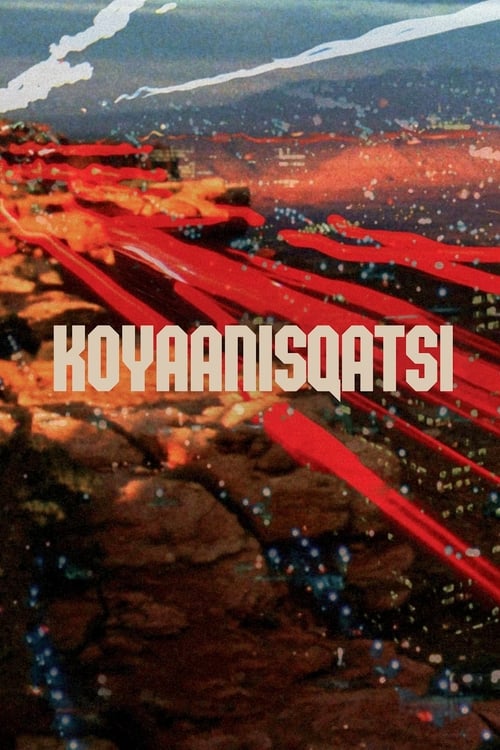
Takes us to locations all around the US and shows us the heavy toll that modern technology is having on humans and the earth. The visual tone poem contains neither dialogue nor a vocalized narration: its tone is set by the juxtaposition of images and the exceptional music by Philip Glass.
Koyaanisqatsi
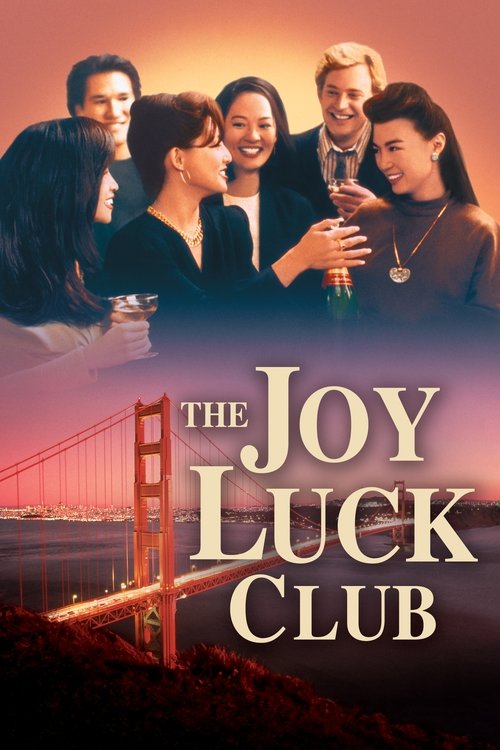
Through a series of flashbacks, four Chinese women born in America and their respective mothers born in feudal China explore their pasts.
The Joy Luck Club

China, during the rule of the Qing Dynasty. The arranged marriage between Wang Lung, a humble farmer, and O-Lan, a domestic slave, will endure the many hardships of life over the years; but the temptations of a fragile prosperity will endanger their love and the survival of their entire family.
The Good Earth

An aging Chinese mother suffering from empty nest syndrome gets another chance at motherhood when one of her dumplings springs to life as a lively, giggly dumpling boy.
Bao

In the mountains of Sichuan, China, a researcher forms a bond with Qian Qian, a panda who is about to experience nature for the first time.
Pandas
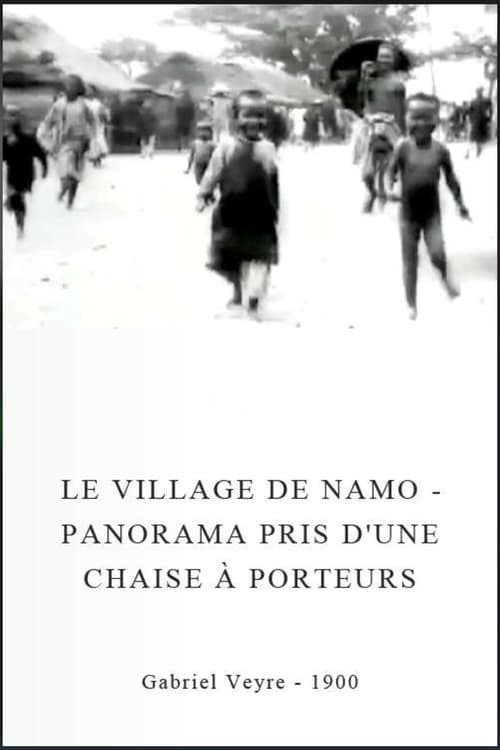
The film is a panorama shot-scene lasting just under a minute. The panorama film, as coined by Lumière, is a moving-camera shot--usually accomplished by placing the camera on a moving transport, such as a boat or train.
Le village de Namo - Panorama pris d'une chaise à porteurs

At the end of 1918 while civil war is raging on in Russia, antagonism is slowly spreading to the East, between the Oral mountains and Shanghai. Stuck between a desire to save what's left of the great Imperial Russia, and starting from a clean slate, old generals, secret organizations, and mercenaries attracted by gold, struggle to take advantage of the events. As Corto Maltese returns to Shanghai, he barely gets time to cross paths with his old friend/nemesis Rasputin, and escape a murder attempt before being contacted by members of a Chinese secret organization called "The Red Lanterns". In the heart of violent Manchurian horizons, Corto and Rasputin launch themselves into a fabulous treasure hunt, following the tracks of the mysterious armor-plated train of Kolchak. A steel monster spiked with canons and machine guns, this trains protects the counter-revolutionaries gold...
Corto Maltese: The Secret Court of the Arcane

The earliest surviving motion-picture film, and believed to be one of the very first moving images ever created, was shot by Louis Aimé Augustin Le Prince using the LPCCP Type-1 MkII single-lens camera. It was taken on paper-based photographic film in the garden of Oakwood Grange, the Whitley family house in Roundhay, Leeds, West Riding of Yorkshire (UK), on 14 October 1888. The film shows Adolphe Le Prince (Le Prince’s son), Mrs. Sarah Whitley (Le Prince’s mother-in-law), Joseph Whitley, and Miss Harriet Hartley walking around in circles, laughing to themselves, and staying within the area framed by the camera. Roundhay Garden Scene is often associated with a recording speed of around 12 frames per second and runs for about 2 to 3 seconds.
Roundhay Garden Scene

Ordered to teach a martial arts class of rambunctious bunny kittens, Po tells stories of each of the Furious Five's pasts.
Kung Fu Panda: Secrets of the Furious Five
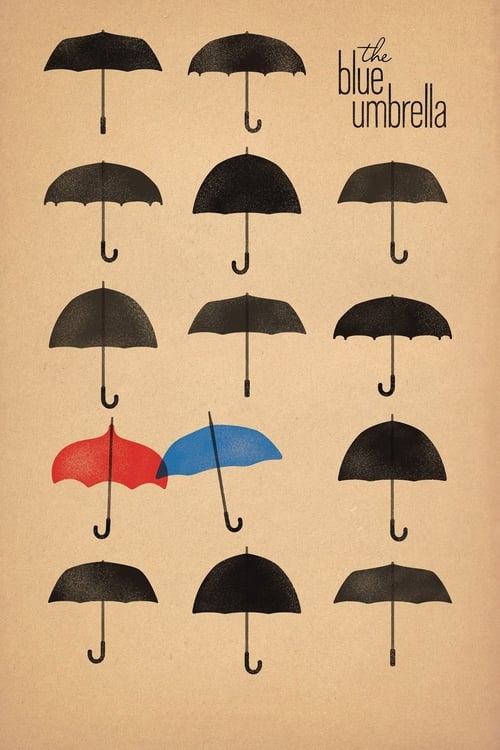
It is just another evening commute until the rain starts to fall, and the city comes alive to the sound of dripping rain pipes, whistling awnings and gurgling gutters.
The Blue Umbrella

The Fantastic Mr. Fox, bored with his current life, plans a heist against the three local farmers. The farmers, tired of sharing their chickens with the sly fox, seek revenge against him and his family.
Fantastic Mr. Fox

Wallace rents out Gromit's former bedroom to a penguin, who takes up an interest in the techno trousers created by Wallace. However, Gromit later learns that the penguin is a wanted criminal.
The Wrong Trousers

This documentary explores the hidden history of the American Exploitation Film. The movie digs deep into this often overlooked category of U.S. cinema and unearths the shameless and occasionally shocking origins of this popular entertainment.
American Grindhouse

An aging codger named Geri plays a daylong game of chess in the park against himself. Somehow, he begins losing to his livelier opponent. But just when the game's nearly over, Geri manages to turn the tables.
Geri's Game
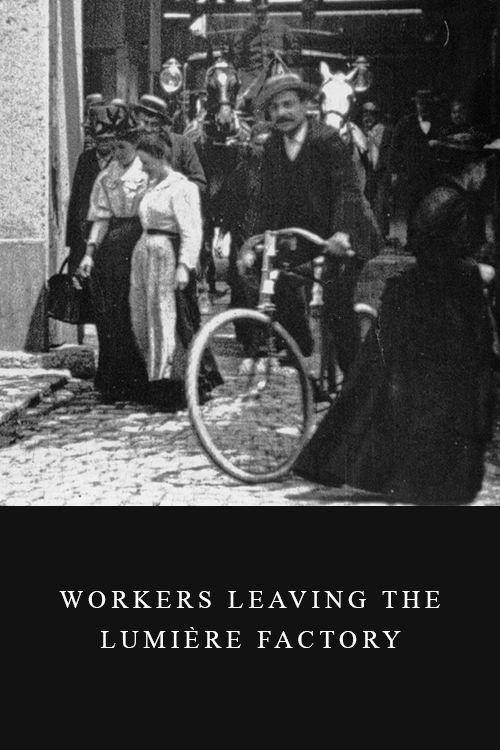
Working men and women leave through the main gate of the Lumière factory in Lyon, France. Filmed on 22 March 1895, it is often referred to as the first real motion picture ever made, although Louis Le Prince's 1888 Roundhay Garden Scene pre-dated it by seven years. Three separate versions of this film exist, which differ from one another in numerous ways. The first version features a carriage drawn by one horse, while in the second version the carriage is drawn by two horses, and there is no carriage at all in the third version. The clothing style is also different between the three versions, demonstrating the different seasons in which each was filmed. This film was made in the 35 mm format with an aspect ratio of 1.33:1, and at a speed of 16 frames per second. At that rate, the 17 meters of film length provided a duration of 46 seconds, holding a total of 800 frames.
Workers Leaving the Lumière Factory

Young teen girl Xiu Xiu is sent away to a remote corner of the Sichuan steppes for manual labor in 1975 (sending young people to there was a part of Cultural Revolution in China). A year later, she agrees to go to even more remote spot with a Tibetan saddle tramp Lao Jin to learn horse herding.
Xiu Xiu: The Sent-Down Girl

It is the story of an average, popular American teenager named Wendy Wu who discovers that in order to win the coveted crown she must first learn the way of the warrior. Wendy Wu has a one track mind, and that track leads directly to the title of homecoming queen -- no unscheduled stops, and no unnecessary detours. When a mysterious Chinese monk named Shen arrives to mold Wendy into a fearless kung fu warrior, however, her royal aspirations suddenly jump the track as she desperately attempts to juggle her boyfriend, her homework, and of course, the fierce competition to become homecoming queen. Now, as Wendy begins to train her mind, body, and spirit in the ancient tradition of the martial arts and her inner warrior gradually begins to emerge, the girl who once obsessed over popularity finally begins to put that popularity into perspective as she gradually realizes what truly matters in life.
Wendy Wu: Homecoming Warrior

Ming Wang is an impoverished Chinese prodigy who flees Communist China to become a pioneering eye surgeon in America. When tasked with restoring the sight of an orphan in India, who was blinded by her stepmother, Wang must confront the trauma of living through the violent uprising in his youth, the Cultural Revolution.
Sight
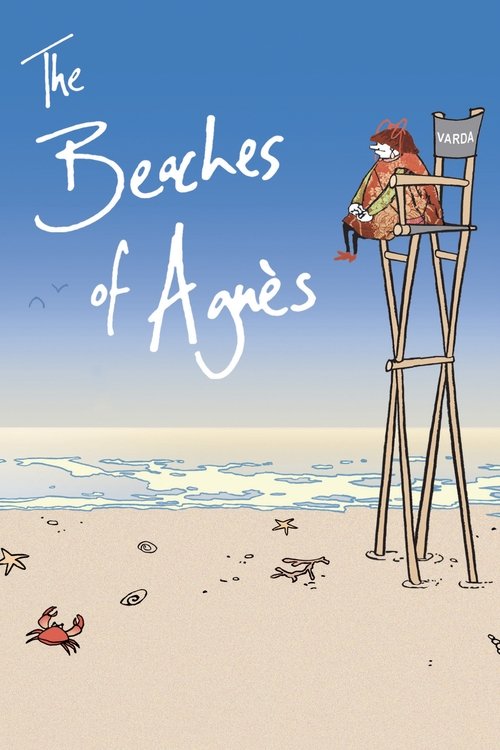
Filmmaking icon Agnès Varda, the award-winning director regarded by many as the grandmother of the French new wave, turns the camera on herself with this unique autobiographical documentary. Composed of film excerpts and elaborate dramatic re-creations, Varda's self-portrait recounts the highs and lows of her professional career, the many friendships that affected her life and her longtime marriage to cinematic giant Jacques Demy.
The Beaches of Agnès
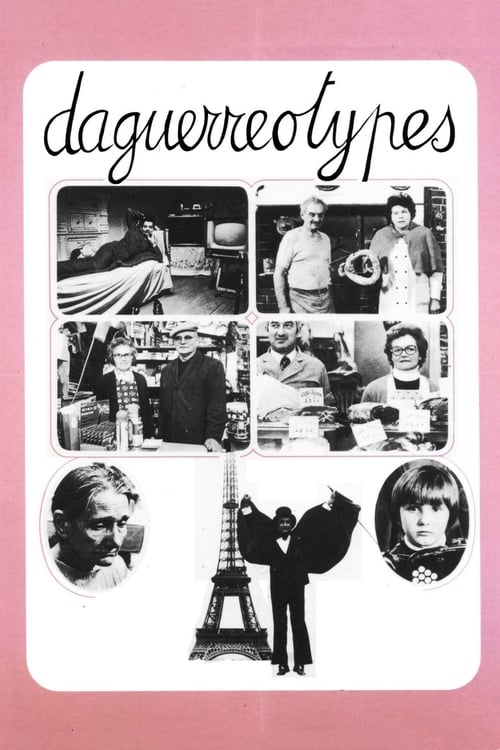
An intimate portrait of the small shops and shopkeepers of the Rue Daguerre in Paris, a picturesque street that has been the filmmaker’s home for more than 50 years.