Synopsis
You might also like

An investigative look and analysis of gender disparity in Hollywood, featuring accounts from well-known actors, executives and artists in the Industry.
This Changes Everything
When their father passes away, four grown, world-weary siblings return to their childhood home and are requested -- with an admonition -- to stay there together for a week, along with their free-speaking mother and a collection of spouses, exes and might-have-beens. As the brothers and sisters re-examine their shared history and the status of each tattered relationship among those who know and love them best, they reconnect in hysterically funny and emotionally significant ways.
This Is Where I Leave You

Pansy is a woman so full of rage that every interaction she has devolves into lashing out, whether at her utterly cowed husband and son, or random strangers who have the temerity to address her. In contrast, her younger sister Chantelle lives with her two vivacious daughters and plies a successful trade as a hairdresser, putting clients at their ease all day long. Yet beneath Pansy’s abrasive exterior are hints of a more fragile psyche, one motivated by fear and damaged by repressed pain.
Hard Truths
Director Mario Van Peebles chronicles the complicated production of his father Melvin's classic 1971 film, "Sweet Sweetback's Baadasssss Song." Playing his father in the film, Van Peebles offers an unapologetic account of Melvin's brash and sometimes deceptive conduct on the set of the film, including questionable antics like writing bad checks, tricking a local fire department and allowing his son, Mario, to shoot racy sex scenes at the age of 11.
Baadasssss!

Twenty years after their notorious tabloid romance gripped the nation, a married couple buckles under the pressure when an actress arrives to do research for a film about their past.
May December
The film MISS REPRESENTATION exposes how American youth are being sold the concept that women and girls’ value lies in their youth, beauty and sexuality. Explores the under-representation of women in positions of power and influence in America, and challenges the media's limited portrayal of what it means to be a powerful woman. It’s time to break that cycle of mistruths.
Miss Representation

When a change of circumstances leaves Miriam unable to pay her college tuition, she makes a surprising decision: to start performing in adult films, using the pseudonym Belle Knox. Miriam lies to her family and her friends at school, keeping her double life a secret. But soon rumours spread and Miriam becomes the subject of vicious online attacks and unwanted attention. Miriam fights back: she talks to the media, saying her new line of work empowers her as a feminist. But her confident stand has unintended consequences. Miriam is shunned by her conservative family and her colleagues in the adult film world. One impulsive decision has quickly spiralled out of control - and Miriam's problems are just beginning.
From Straight A's to XXX
At the age of ten, Henry James Hermin, a boy who was conceived in a petri-dish and raised by his feminist mother, follows a string of Post-It notes in hopes of finding his biological father.
Jesus Henry Christ

A widowed new dad copes with doubts, fears, heartache and dirty diapers as he sets out to raise his daughter on his own. Inspired by a true story.
Fatherhood

In 1950s Pittsburgh, a frustrated African-American father struggles with the constraints of poverty, racism, and his own inner demons as he tries to raise a family.
Fences

A cranky middle-aged dad and his two best friends find themselves out of step in a changing world of millennial CEOs and powerful preschool principals.
Old Dads
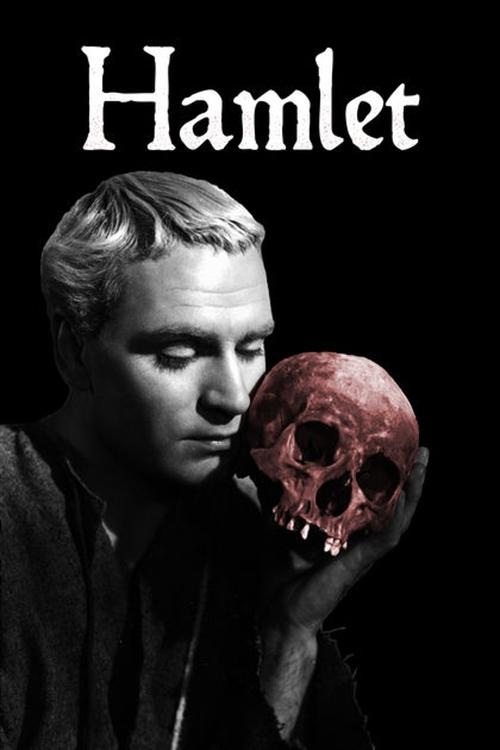
Winner of four Academy Awards, including Best Picture and Best Actor, Sir Laurence Olivier’s Hamlet continues to be the most compelling version of Shakespeare’s beloved tragedy. Olivier is at his most inspired—both as director and as the melancholy Dane himself—as he breathes new life into the words of one of the world’s greatest dramatists.
Hamlet

After reuniting with his mother in Ho Chi Minh City, a family tragedy causes Binh to flee from Viet Nam to America. Landing in New York, Binh begins a road trip to Texas, where his American father is said to live.
The Beautiful Country

When lapsed Jew and former cardiologist Harry suddenly decides to spend his retirement as a pig farmer in Nazareth, Israel, the move deeply shocks his family and his new neighbours. Back in New York, Harry’s ex-wife Monica is trying to manage the lives of their adult children, Annabelle and David, as well as her own.
Holy Lands

In a suburban landscape, the lives of several families interlace with loss, despair and personal crisis. Esther Gold has lost focus on all but caring for her comatose son, Paul, and neglects her daughter and husband. Lawyer Jim Train is devoted to his career, not his family. Helen Christianson wants to find a new spark in life, while Annette Jennings tries to rebuild hers.
The Safety of Objects

After months of living a solitary existence, Lenny, 34, picks up his kids from school. Every year he spends a couple of weeks with his sons Sage, 9, and Frey, 7. Lenny hosts his kids within a midtown studio apartment in New York. During these two weeks, he must figure out if he wants to act as their father or be their friend. Ultimately, their trip upstate results in complete lawlessness taking over their lives.
Daddy Longlegs

A Mexican-American master chef and father to three daughters has lost his taste for food but not for life.
Tortilla Soup
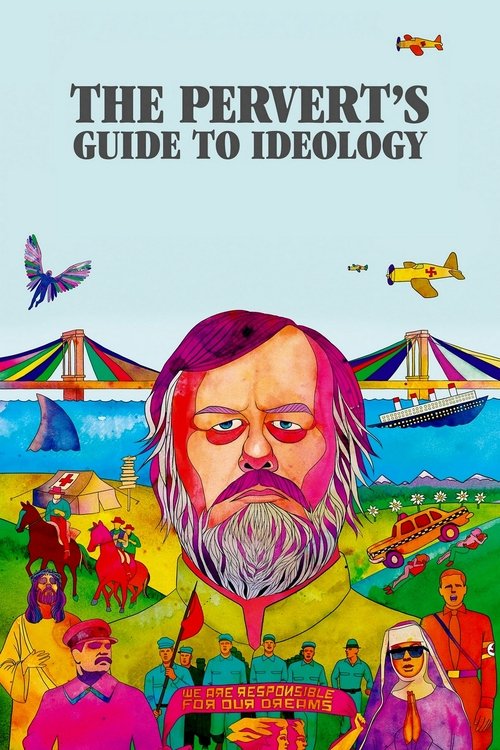
A journey into the labyrinthine heart of ideology, which shapes and justifies both collective and personal beliefs and practices: with an infectious zeal and voracious appetite for popular culture, Slovenian philosopher and psychoanalyst Slavoj Žižek analyzes several of the most important films in the history of cinema to explain how cinematic narrative helps to reinforce prevailing ethics and political ideas.
The Pervert's Guide to Ideology

Phil Weston has been unathletic his entire life. In college he failed at every sport that he tried out for. It looks like his 10-year old son, Sam, is following in his footsteps. But when Phil's hyper-competitive dad benches Sam, Phil decides to transfer his son to a new team which needs a coach. Phil steps in to be the temporary coach and immediately begins to butt heads with his dad over this new competition in their lives.
Kicking & Screaming
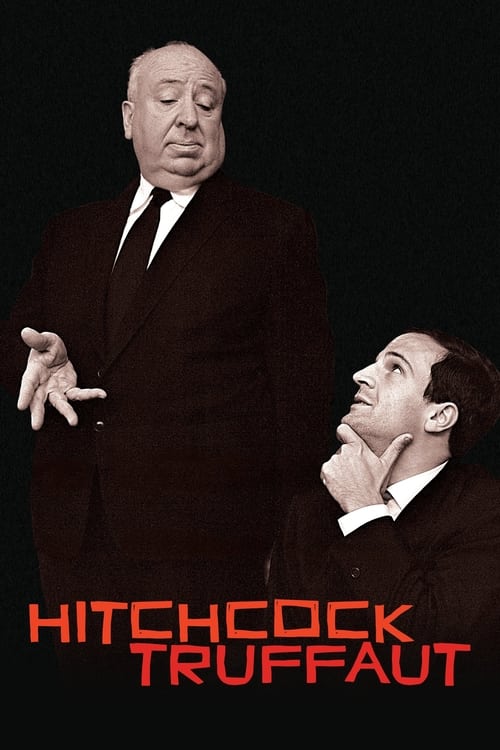
Filmmakers discuss the legacy of Alfred Hitchcock and the book “Hitchcock/Truffaut” (“Le cinéma selon Hitchcock”), written by François Truffaut and published in 1966.