Synopsis
You might also like
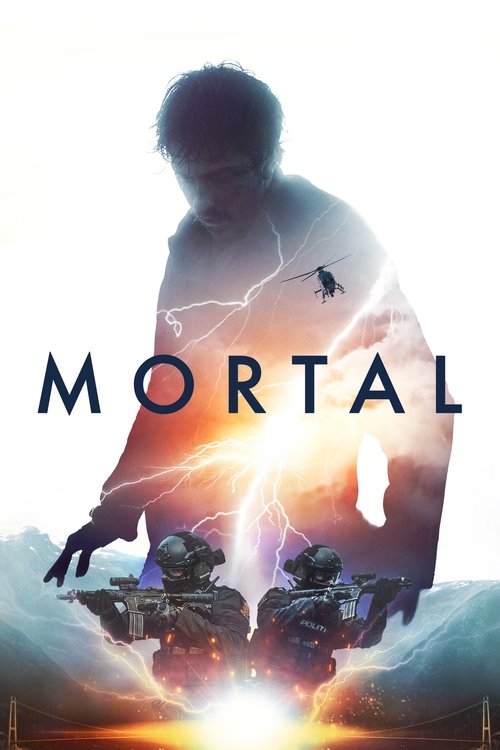
A young boy must discover the origins of his extraordinary powers before he is captured by authorities hell-bent on condemning him for an accidental murder.
Mortal
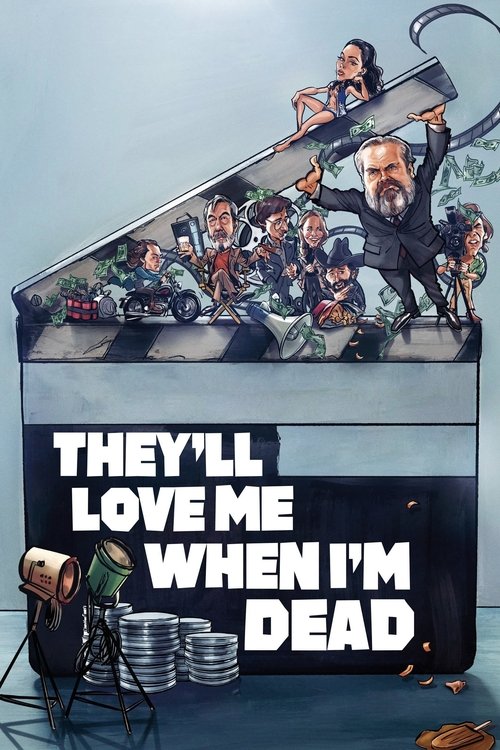
As his life comes to its end, famous Hollywood director Orson Welles puts it all on the line at the chance for renewed success with the film The Other Side of the Wind.
They'll Love Me When I'm Dead
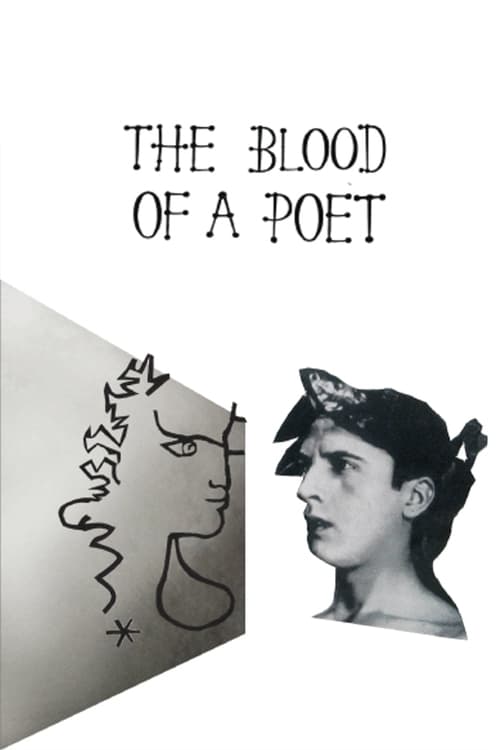
In a poet’s room, an armless statue abruptly comes to life. It invites the poet to step through a mirror and to discover another world. Strange places and characters present themselves to him. The poet tears himself away from these twisted fascinations and returns, with some difficulty, to his room.
The Blood of a Poet
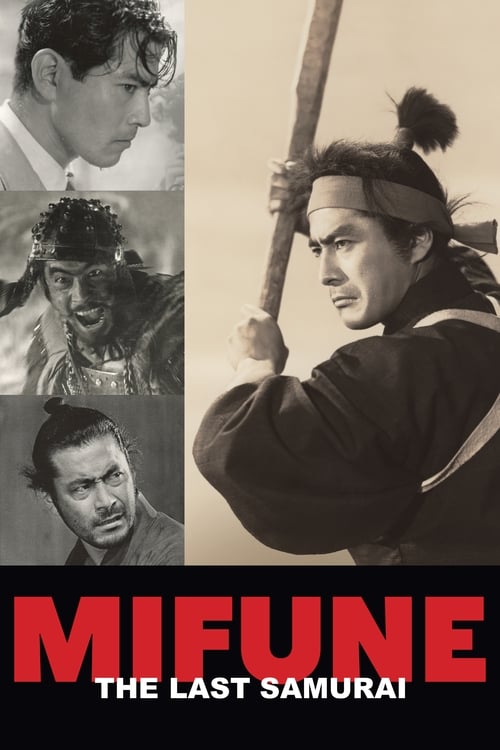
An account of the life and work of legendary Japanese actor Toshirō Mifune (1920-97), the most prominent actor of the Golden Age of Japanese cinema.
Mifune: The Last Samurai
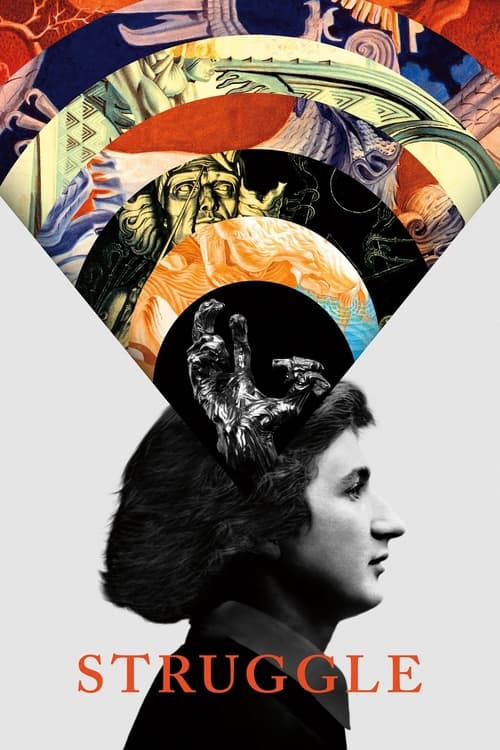
Artists in LA discover the work of forgotten Polish sculptor Stanislav Szukalski, a mad genius whose true story unfolds chapter by astounding chapter.
Struggle: The Life and Lost Art of Szukalski

The life and career of one of comedy's most inimitable modern voices, Mr. Gilbert Gottfried.
Gilbert
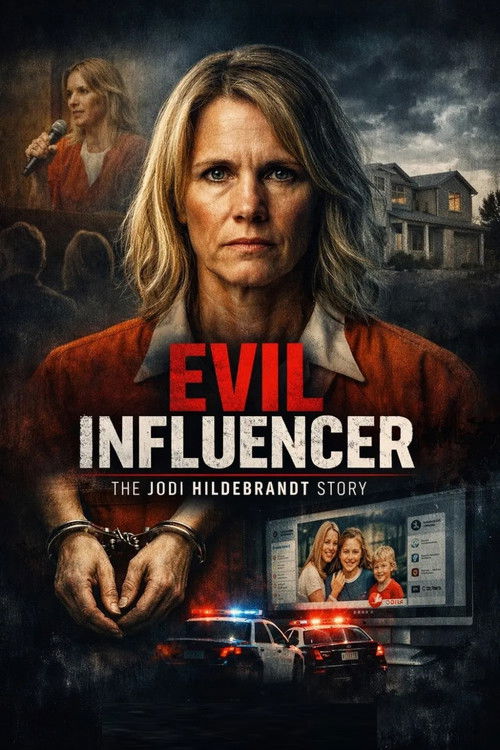
Unravel the case of Utah therapist Jodi Hildebrandt, whose child abuse arrest with parenting YouTuber Ruby Franke exposed a twisted tale of manipulation.
Evil Influencer: The Jodi Hildebrandt Story

The story of artist Lil Peep from his birth in Long Island and meteoric rise as a genre blending pop star & style icon, to his death due to an accidental opioid overdose in Arizona at just 21 years of age.
Everybody’s Everything
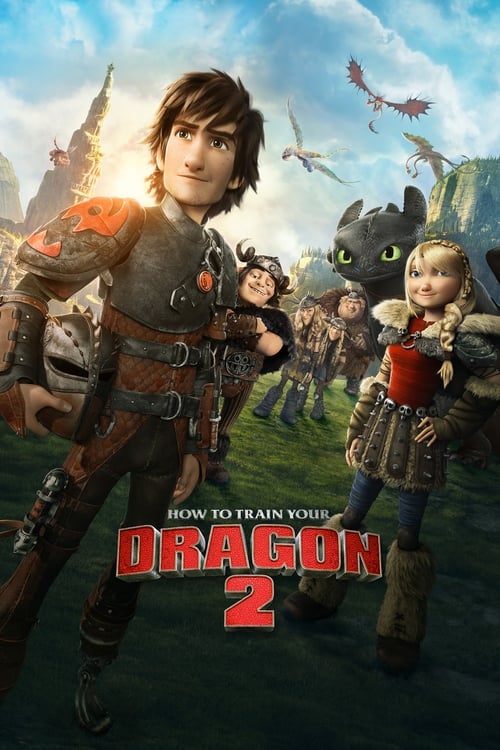
Five years after uniting the dragons and Vikings of Berk, Hiccup and Toothless soar beyond their homeland, charting the vast unknown. During one of their adventures, the pair discover a secret cave that houses hundreds of wild dragons -- and a mysterious dragon rider with a startling connection to Hiccup. And as the ruthless dragon conqueror Drago Bludvist rises to seize control of both dragons and people alike, Hiccup must step into his role as a true leader and, alongside his friends and Toothless, protect Berk from a devastating war.
How to Train Your Dragon 2
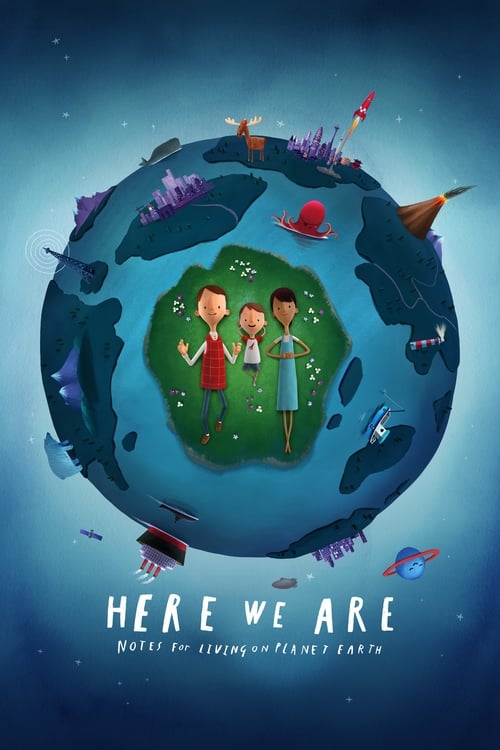
On the eve of Earth Day, a precocious seven-year-old learns about the wonders of the planet from his parents—and a mysterious exhibit at the aptly named Museum of Everything.
Here We Are: Notes for Living on Planet Earth
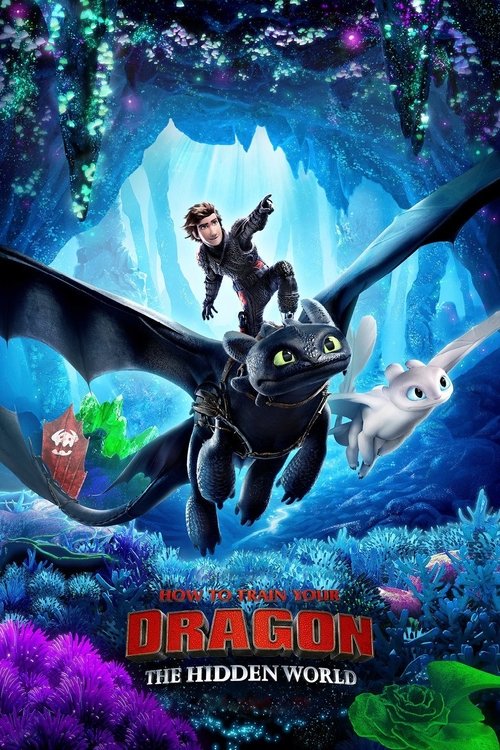
As Hiccup fulfills his dream of creating a peaceful dragon utopia, Toothless’ discovery of an untamed, elusive mate draws the Night Fury away. When danger mounts at home and Hiccup’s reign as village chief is tested, both dragon and rider must make impossible decisions to save their kind.
How to Train Your Dragon: The Hidden World
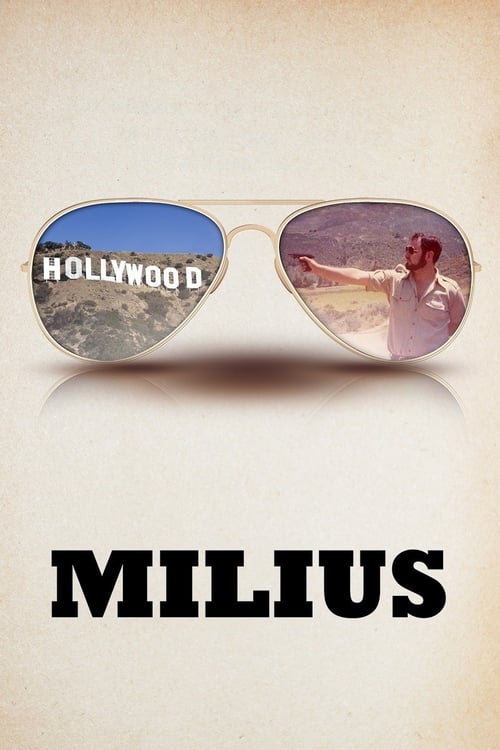
The life story of ‘Zen Anarchist’ filmmaker John Milius, one of the most influential storytellers of his generation.
Milius
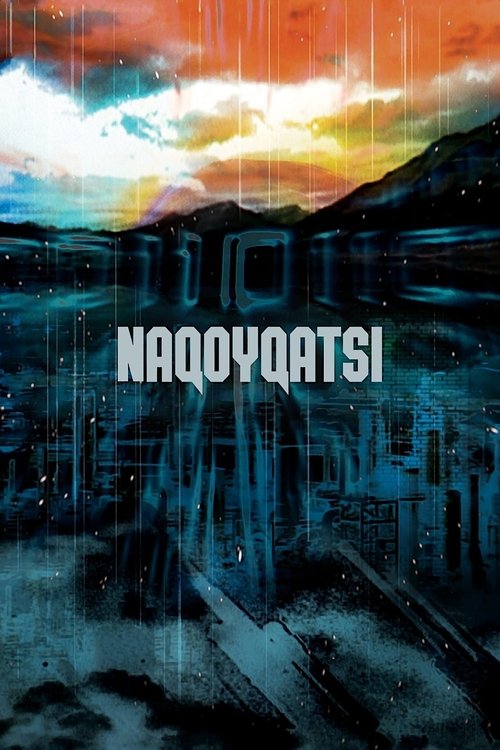
A visual montage portrait of our contemporary world dominated by globalized technology and violence.
Naqoyqatsi
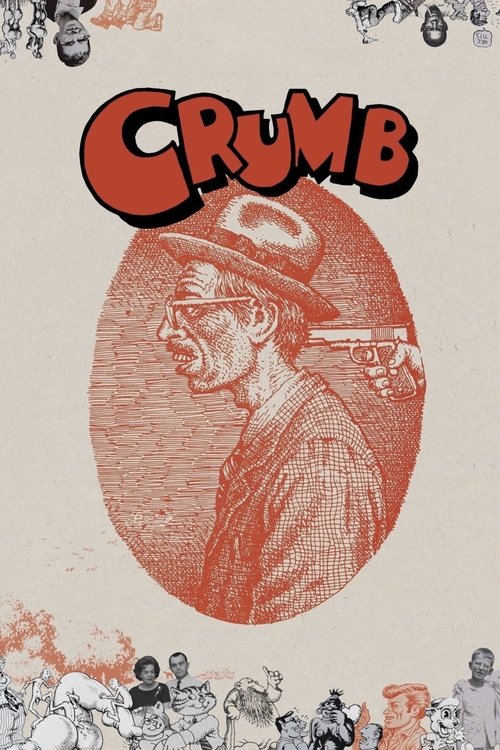
This movie chronicles the life and times of R. Crumb. Robert Crumb is the cartoonist/artist who drew Keep On Truckin', Fritz the Cat, and played a major pioneering role in the genesis of underground comix. Through interviews with his mother, two brothers, wife, ex-wife and ex-girlfriends, as well as selections from his vast quantity of graphic art, we are treated to a darkly comic ride through one man's subconscious mind.
Crumb

Arthur Bishop is a veteran hit man who, owing to his penchant for making his targets' deaths seem like accidents, thinks himself an artist. It's made him very rich, but as he hits middle age, he's so depressed and lonely that he takes on one of his victim's sons, Steve McKenna, as his apprentice. Arthur puts him through a rigorous training period and brings him on several hits. As Steven improves, Arthur worries that he'll discover who killed his father.
The Mechanic
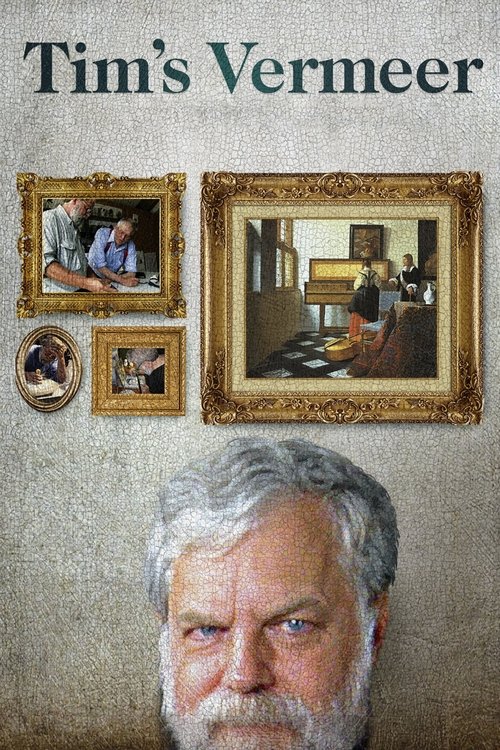
Tim Jenison, a Texas based inventor, attempts to solve one of the greatest mysteries in all art: How did Dutch Master Johannes Vermeer manage to paint so photo-realistically 150 years before the invention of photography? Spanning a decade, Jenison's adventure takes him to Holland, on a pilgrimage to the North coast of Yorkshire to meet artista David Hockney, and eventually even to Buckingham Palace. The epic research project Jenison embarques on is as extraordinary as what he discovers.
Tim's Vermeer
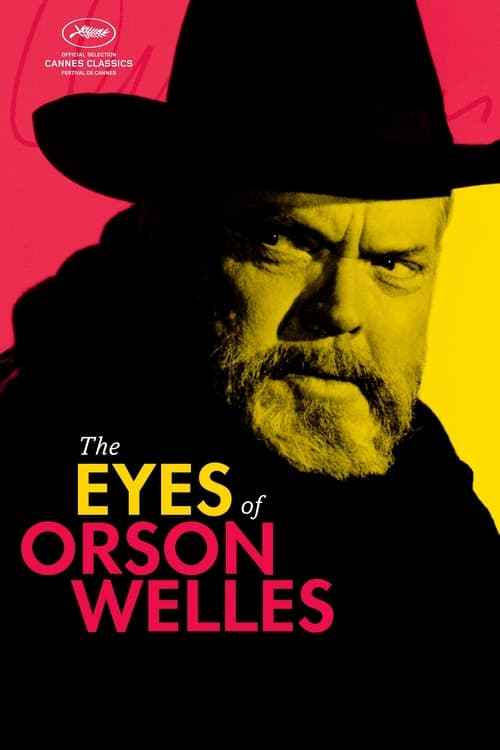
A poetic journey into the visual world of the legendary filmmaker and actor Orson Welles (1915-85) that reveals a new portrait of a unique genius, both of his life and of his monumental work: through his own eyes, drawn by his own hand, painted with his own brush.
The Eyes of Orson Welles
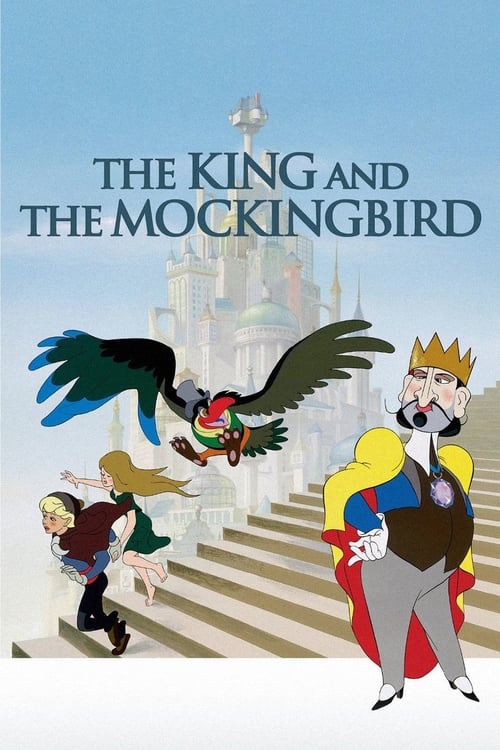
A young shepherdess and a chimneysweep plan to get married and escape the clutches of a tyrannical king in love with her, assisted by the guile of a cheeky mockingbird, the king's archenemy.
The King and the Mockingbird
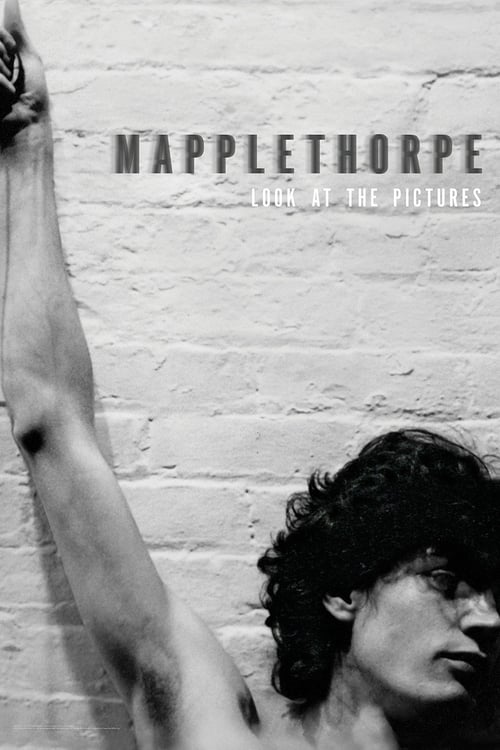
Nude men in rubber suits, close-ups of erections, objects shoved in the most intimate of places—these are photographs taken by Robert Mapplethorpe, known by many as the most controversial photographer of the twentieth century. Openly gay, Mapplethorpe took images of male sex, nudity, and fetish to extremes that resulted in his work still being labelled by some as pornography masquerading as art. But less talked about are the more serene, yet striking portraits of flowers, sculptures, and perfectly framed human forms that are equally pioneering and powerful.
Mapplethorpe: Look at the Pictures
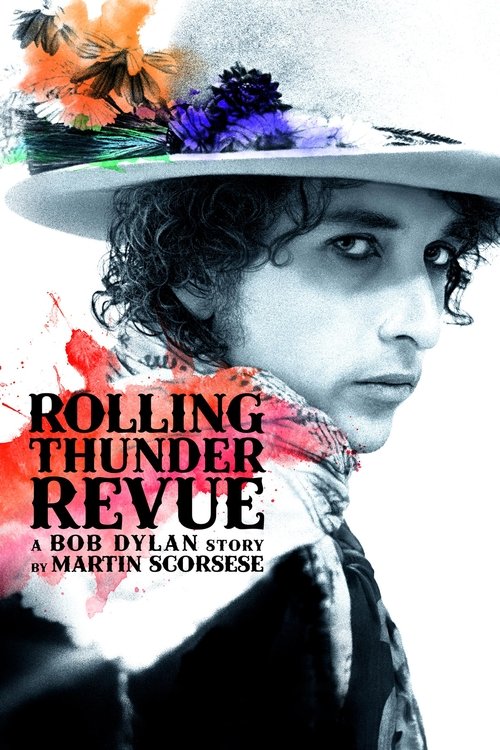
Part documentary, part concert film, part fever dream, this film captures the troubled spirit of America in 1975 and the joyous music that Dylan performed during the fall of that year.