Synopsis
You might also like

Tsar Nicholas II, the inept last monarch of Russia, insensitive to the needs of his people, is overthrown and exiled to Siberia with his family.
Nicholas and Alexandra
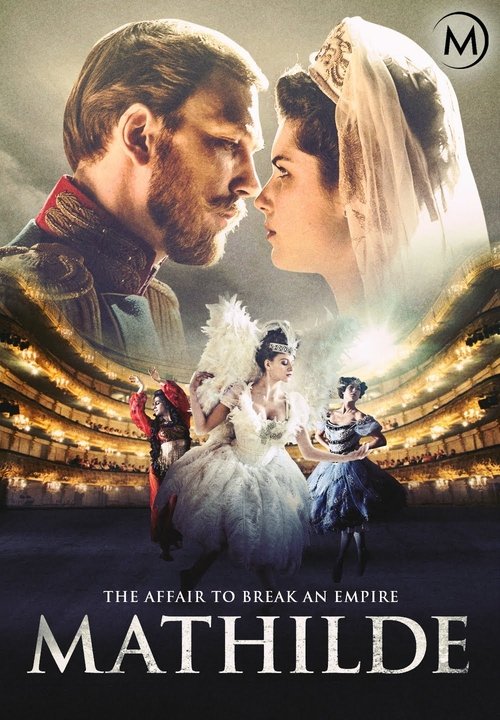
It portrays the memories of Matilda Kshesinskaya and her love affair with the last Tsar of Russia, Nicholas II. Matilda, a Polish-born ballerina from the Mariinsky Theatre in St. Petersburg, had a brief and intense romance with Nicholas between 1892 and 1894, before Nicholas married Alexandra Feodorovna and was crowned Tsar after his father's death. It also explores their relationship, facing societal pressures and interference from Nicholas's mother, Empress Maria Feodorovna, as well as Matilda's involvement with other members of the imperial family, the Romanovs, such as Grand Duke Sergei Mikhailovich and Grand Duke Andrei Vladimirovich.
Mathilde
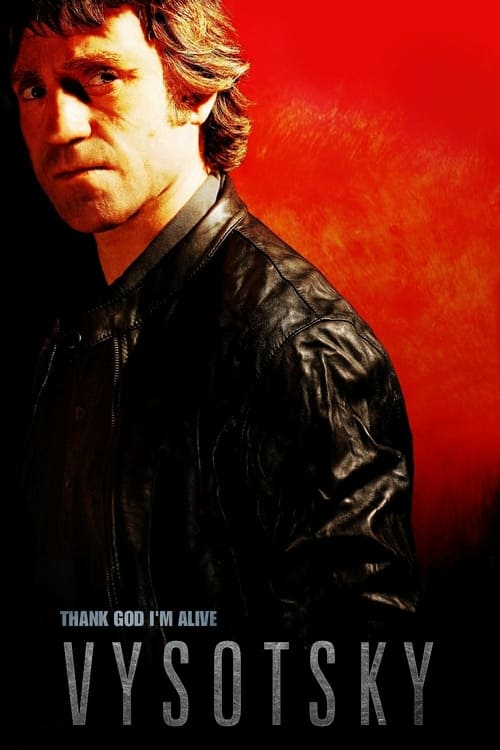
Russian poet, singer and actor Vladimir Vysotsky was an idol of the 1970s and ’80s. In 1980, at the age of 42, he passed away during the Moscow Olympic Games. This is the story of his last great love as handed down to his son from a family friend. Written by nitorch.
Vysotsky: Thank You For Being Alive
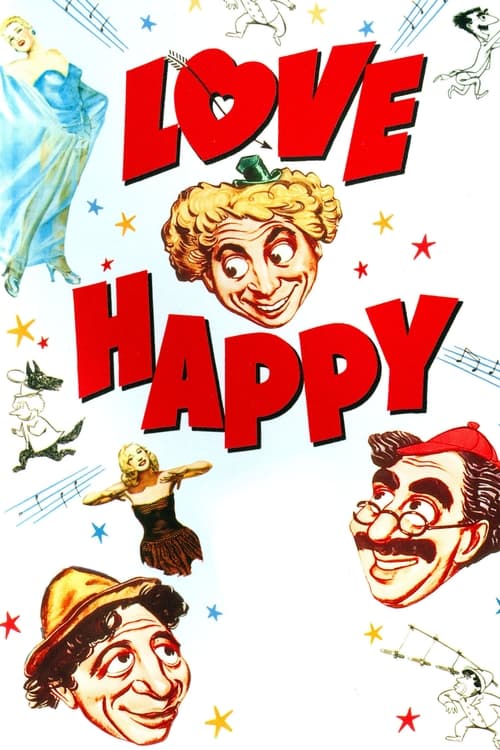
The Marx Brothers help young Broadway hopefuls when they get mixed up with gangsters due to a tin of sardines containing Romanoff diamonds.
Love Happy

Maria Callas, the world's greatest opera singer, lives the last days of her life in 1970s Paris, as she confronts her identity and life.
Maria

Set during the early part of his reign, Ivan faces betrayal from the aristocracy and even his closest friends as he seeks to unite the Russian people. Sergei Eisenstein's final film, this is the first part of a three-part biopic of Tsar Ivan IV of Russia, which was never completed due to the producer's dissatisfaction with Eisenstein's attempts to use forbidden experimental filming techniques and excessive cost overruns. The second part was completed but not released for a decade after Eisenstein's death and a change of heart in the USSR government toward his work; the third part was only in its earliest stage of filming when shooting was stopped altogether.
Ivan the Terrible, Part I
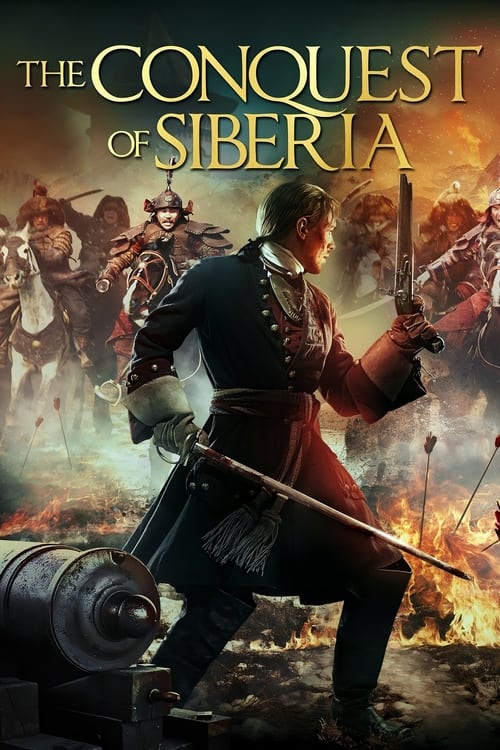
Ivan Demarin, a young officer of Peter the First’s new guards, follows the Tsar’s order and goes to the frontier town of Tobolsk, deep in the Siberian forest. There Ivan falls in love for the first time and he and his regiment happen to be involved in conspiracy of local princes who hunt for gold in the town of Yarkand. His fort is surrounded by hordes of wild Dzungars and there is no one to call for help…
The Conquest of Siberia

Ten years after she was separated from her family, an eighteen-year-old orphan with vague memories of the past sets out to Paris in hopes of reuniting with her grandmother. She is accompanied by two con men, who intend to pass her off as the Grand Duchess Anastasia to the Dowager Empress for a reward.
Anastasia
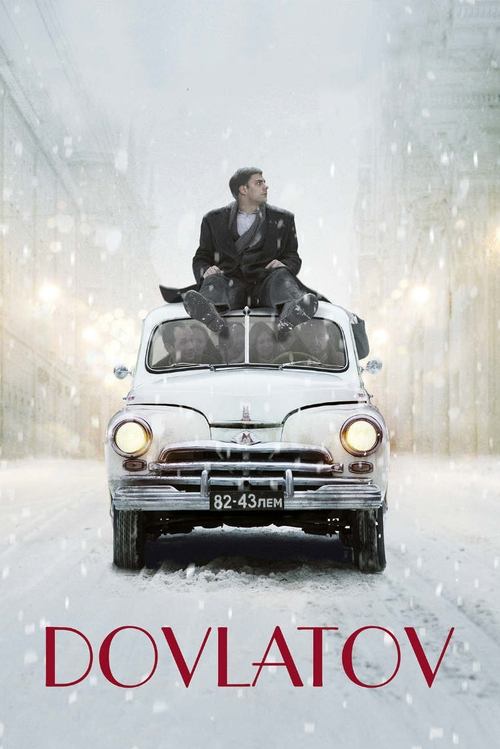
Dovlatov charts six days in the life of a brilliant, ironic writer who saw far beyond the rigid limits of 70s Soviet Russia. Sergei Dovlatov fought to preserve his own talent and decency with poet and writer Joseph Brodsky, while watching his artist friends got crushed by the iron-willed state machinery.
Dovlatov

Leningrad, one summer in the early eighties. Smuggling LPs by Lou Reed and David Bowie, the underground rock scene is boiling ahead of the Perestroika. Mike and his beautiful wife Natasha meet with young Viktor Tsoi. Together with friends, they will change the destiny of rock’n’roll in the Soviet Union.
Leto
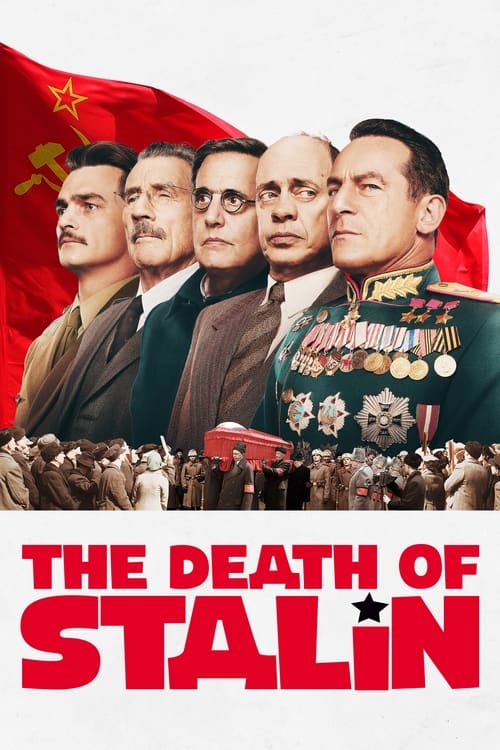
When dictator Joseph Stalin dies, his parasitic cronies square off in a frantic power struggle to become the next Soviet leader. As they bumble, brawl and back-stab their way to the top, the question remains — just who is running the government?
The Death of Stalin
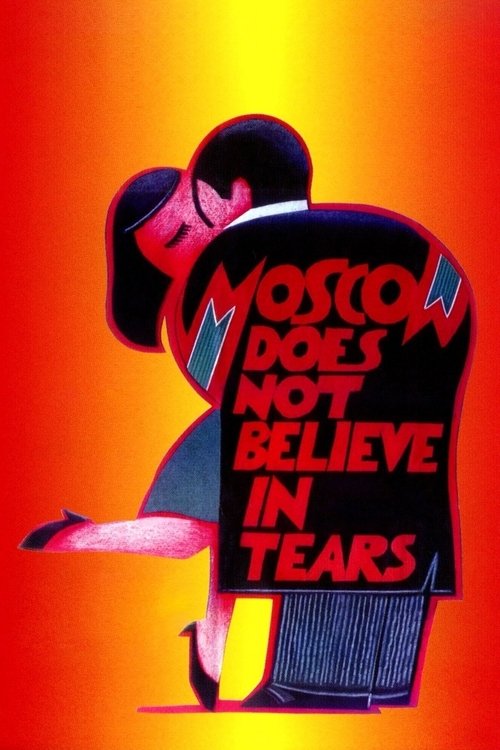
Living together in a workers' dorm, Katerina and her friends are determined to make it in Moscow. But when a boorish cameraman forces himself on her, Katerina finds herself pregnant and alone as her friends move on. Twenty years later, Katerina is a factory director, outpacing her old roommates career-wise, yet still alone but for her daughter. Love seems possible again when she meets a genial mechanic.
Moscow Does Not Believe in Tears
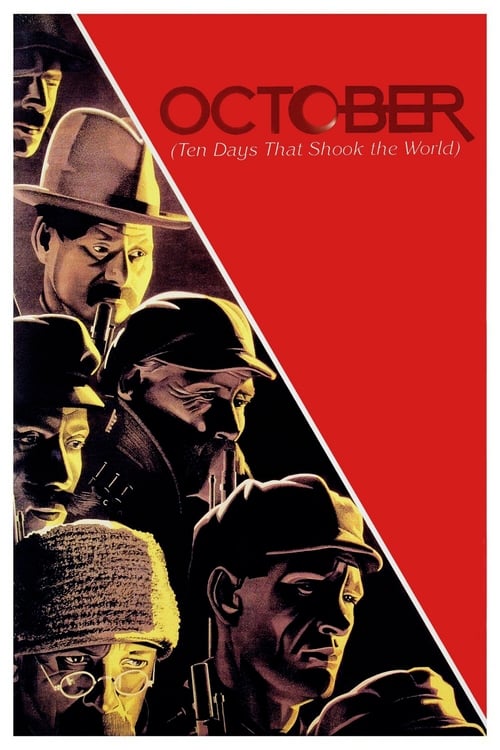
Sergei M. Eisenstein's docu-drama about the 1917 October Revolution in Russia. Made ten years after the events and edited in Eisenstein's 'Soviet Montage' style, it re-enacts in celebratory terms several key scenes from the revolution.
October (Ten Days that Shook the World)

During World War II, earnest young Russian soldier Alyosha Skvortsov is rewarded with a short leave of absence for performing a heroic deed on the battlefield. Feeling homesick, he decides to visit his mother. Due to his kindhearted nature, however, Alyosha is repeatedly sidetracked by his efforts to help those he encounters, including a lovely girl named Shura. In his tour of a country devastated by war, he struggles to keep hope alive.
Ballad of a Soldier

The story of Rudolf Nureyev, whose escape to the West stunned the world at the height of the Cold War. With his magnetic presence, Nureyev emerged as ballet’s most famous star, a wild and beautiful dancer limited by the world of 1950s Leningrad. His flirtation with Western artists and ideas led him into a high-stakes game of cat and mouse with the KGB.
The White Crow
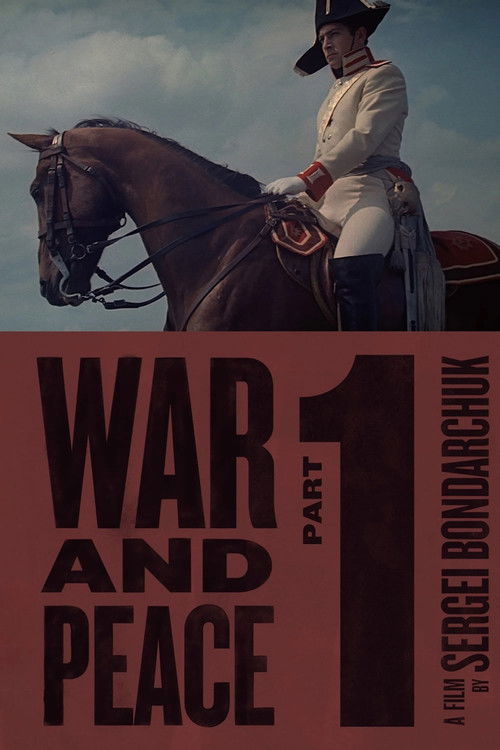
In 1805 St. Petersburg, Pierre Bezukhov, illegitimate son of a rich nobleman, is introduced to high society. His friend, Prince Andrei Bolkonsky, joins the Imperial Russian Army as aide-de-camp of General Mikhail Kutuzov in the War of the Third Coalition against General Napoleon Bonaparte. Part one of the four-part adaptation of Leo Tolstoy's 1869 novel.
War and Peace, Part I: Andrei Bolkonsky
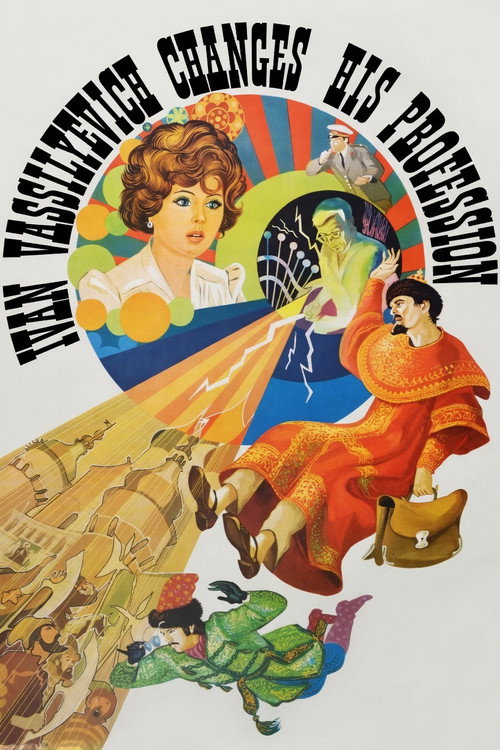
A scientist builds a time machine and accidentally sends his apartment complex manager and a petty burglar to 16th century Moscow, while Tsar Ivan the Terrible travels to 1973.
Ivan Vasilyevich Changes His Profession
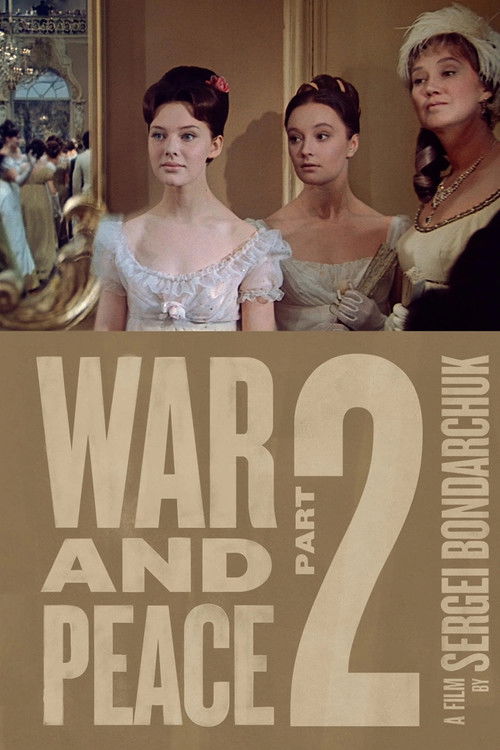
As 1809 nears its end, Natasha attends her first ball, where Andrei falls in love with her with the intent of marriage. However, as her father demands they wait, the prince travels abroad, leaving Natasha in desperate longing. But she meets Anatol Kuragin and forgets Andrei. Part two of the four-part adaptation of Leo Tolstoy's 1869 novel.
War and Peace, Part II: Natasha Rostova

As an adviser to the emperor Nicholas II, mystic Grigori Rasputin holds great influence over the empire. However, many in St Petersburg begin to regard Rasputin, with his strange practices and mesmerizing qualities, as a liability and plot his assassination. When Rasputin, known to many as the 'Mad Monk', leads Nicholas to embrace an ill-conceived military strategy, a group of determined conspirators set down a plan to eliminate him.
Agony: The Life and Death of Rasputin
Shortly before the outbreak of WWI, a peasant from rural Russia arrives in St. Petersburg to find work.