Vous aimerez aussi

En 1945, le cinéaste Alfred Hitchcock est engagé pour superviser le montage d'un documentaire produit par l'armée britannique sur la libération des camps de concentration nazis. Un film qui était destiné à montrer au peuple allemand les atrocités qui avaient été commises en son nom par les nazis. Une fois le film terminé, celui-ci fut cependant enterré pour des raisons politiques et jamais diffusé. Il fut alors simplement déposé à l'Imperial War Museum, à Londres, où dans les années 1980, les pellicules y ont été redécouvertes par un chercheur américain. Le film a fait l'objet d'une restauration complète respectant les choix du cinéaste. "Night Will Fall" retrace l’histoire de ce film pas fini, qui était connue longtemps sous le nom "The missing Hitchcock"...
Images de la libération des camps. Chronique d’un film inachevé
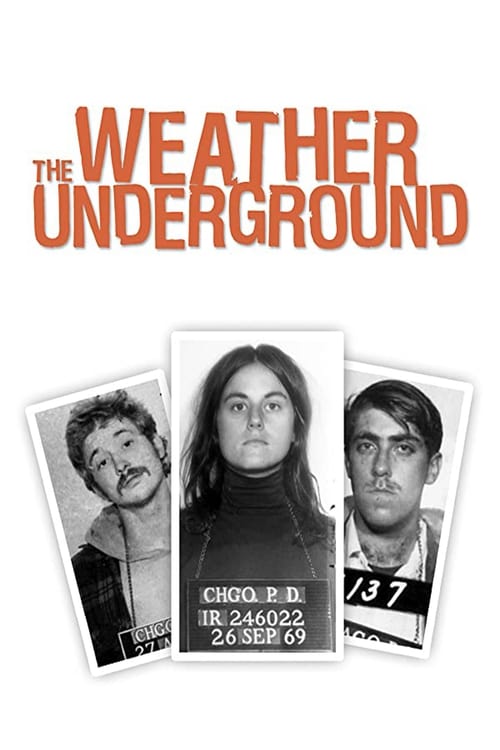
Pendant la guerre du Vietnam, une poignée d'étudiants aux idéaux communs se rassemblent pour créer The Weather Underground, une formation armée révolutionnaire qui a pour but de renverser le gouvernement de Nixon alors en place.
The Weather Underground
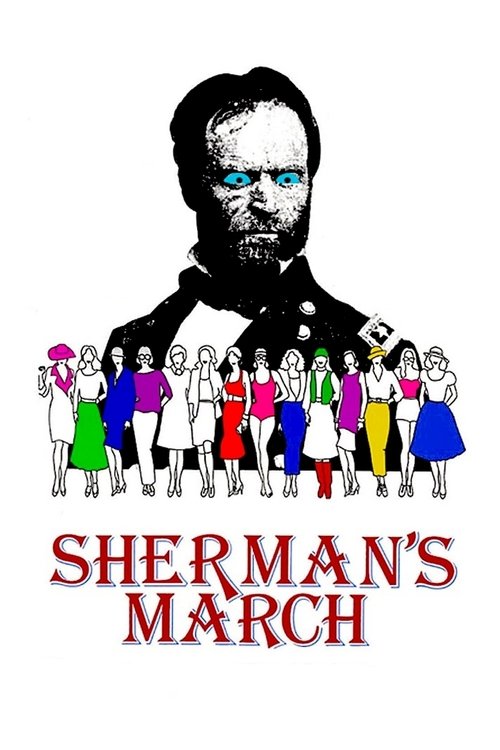
Ross McElwee sets out to make a documentary about the lingering effects of General Sherman's march of destruction through the South during the Civil War, but is continually sidetracked by women who come and go in his life, his recurring dreams of nuclear holocaust, and Burt Reynolds.
Sherman's March

L'actrice Mariska Hargitay, lauréate d'un Emmy® et d'un Golden Globe, se penche sur l'histoire de sa mère Jayne Mansfield, soixante ans après sa mort.
My Mom Jayne
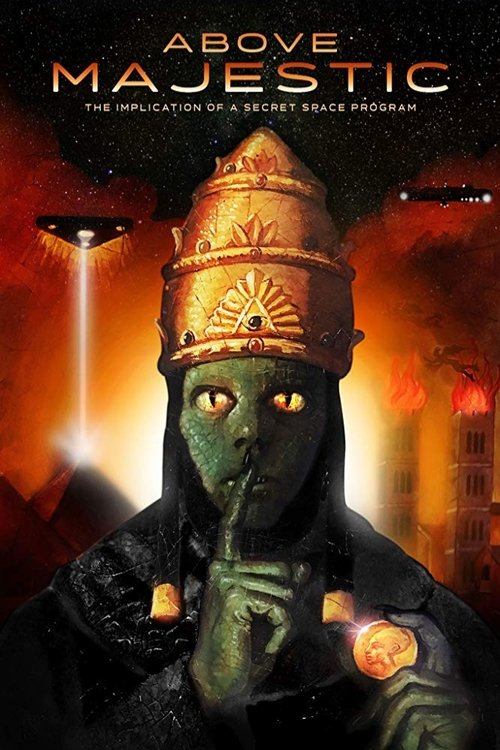
Le 10 septembre 2001, le Secrétaire à la Défense Donald Rumsfeld a annoncé que 2 300 milliards de dollars ne pouvaient pas être justifiés dans les dépenses du département de la Défense. Le lendemain, le bureau de l’analyste du budget du Pentagone a été détruit dans les attaques du 11 septembre. Above Majestic porte un regard choquant et provocateur sur ce qui serait nécessaire pour cacher au public un Programme Spatial Secret de plusieurs milliards de dollars (un groupe clandestin de militaires d’élite et de figures de proue des entreprises, chargés de comprendre le fonctionnement de technologies extraterrestres, aussi appelé “Majestic 12”) et les implications que cela aurait pour l’humanité. Le public est plongée dans les origines, les technologies, l’histoire, les dissimulations, les conspirations, les témoignages et la recherche dans Above Majestic. Avec les plus célèbres auteurs, chercheurs, lanceurs d’alerte et propagateurs du mouvement pour la vérité et l’entière divulgation.
Above Majestic
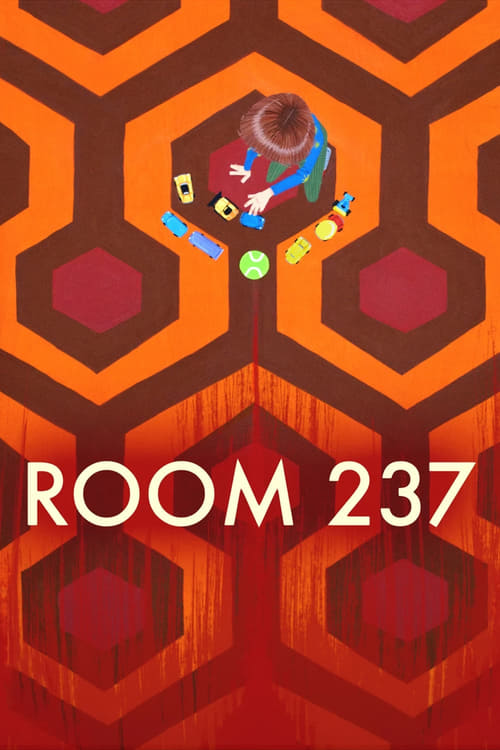
En 1980, Stanley Kubrick signe SHINING, qui deviendra un classique du cinéma d’horreur. A la fois admiré et vilipendé, le film est considéré comme une œuvre marquante du genre par de nombreux experts, tandis que d’autres estiment que Kubrick s’est dévoyé en la réalisant. Mais il y a aussi des fans acharnés qui ont voué leur vie au décryptage des messages cachés de ce film culte… Théories du complot ? Ont ils décrypté les messages secrets de Shining ?
Room 237
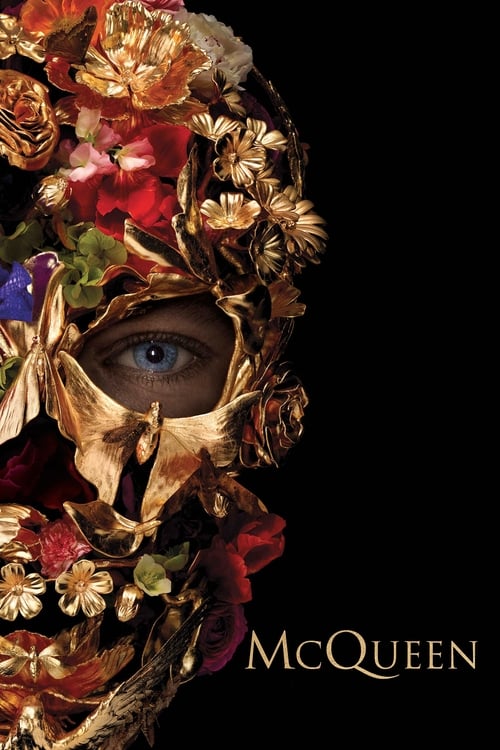
Un regard personnel sur la vie, la carrière et le talent hors du commun de l’enfant terrible de la mode, Alexander McQueen, icône d’ascendance modeste qui a brillé comme une étoile filante... Mêlant témoignages exclusifs de sa famille et de ses proches, archives inédites, images et musiques bouleversantes, McQUEEN est un vibrant hommage en même temps qu’un portrait captivant de ce visionnaire aussi tourmenté qu’inspiré.
McQueen
During the chaotic final weeks of the Vietnam War, the North Vietnamese Army closes in on Saigon as the panicked South Vietnamese people desperately attempt to escape. On the ground, American soldiers and diplomats confront a moral quandary: whether to obey White House orders to evacuate only U.S. citizens.
Last Days in Vietnam
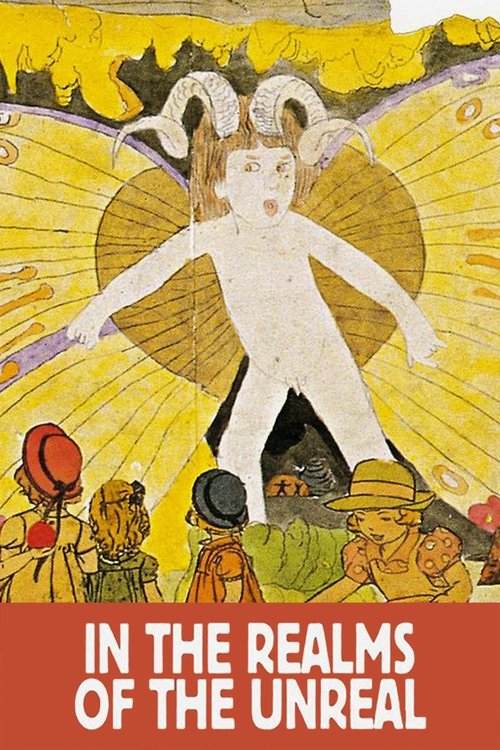
Un documentaire qui explore la vie et l'oeuvre complexe de Henry Derger, artiste légendaire et marginal. Reclus, portier le jour et artiste visionnaire la nuit, Darger est l'auteur d'un roman de 15000 pages qui détaille les exploits des Vivian Girls, sept soeurs qui ont mené la rébellion contre l'esclavage des enfants.
In the Realms of the Unreal
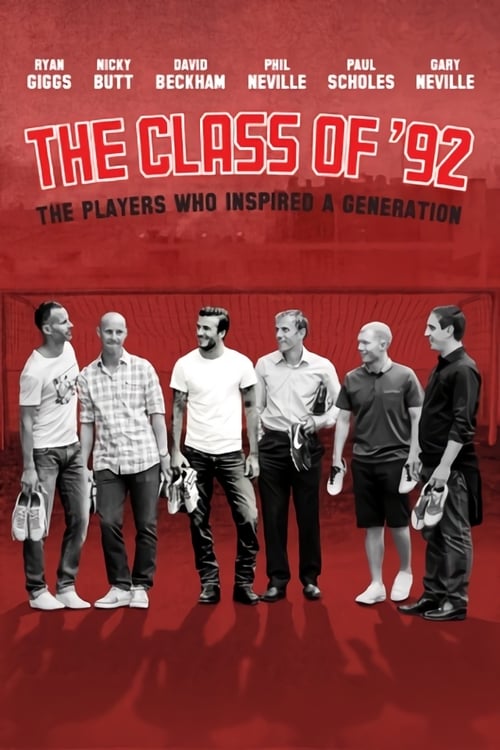
L'histoire de six garçons issus de la working-class anglaise de la banlieue de Manchester qui intègrent l'équipe de foot de leur ville en 1992.
The Class of ‘92
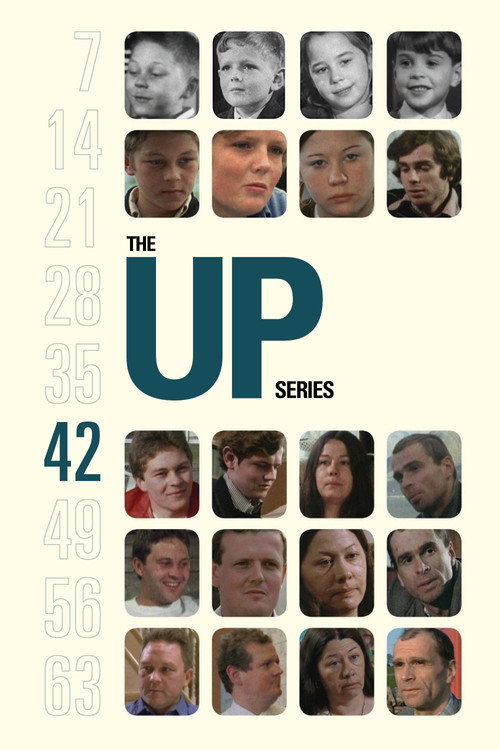
Director Michael Apted revisits the same group of British-born adults after a 7 year wait. The subjects are interviewed as to the changes that have occurred in their lives during the last seven years.
42 Up
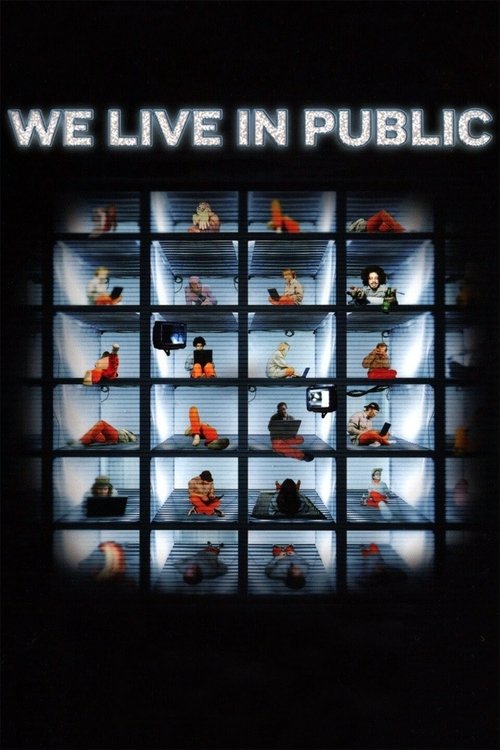
In 1999, Internet entrepreneur Josh Harris recruits dozens of young men and women who agree to live in underground apartments for weeks at a time while their every movement is broadcast online. Soon, Harris and his girlfriend embark on their own subterranean adventure, with cameras streaming live footage of their meals, arguments, bedroom activities, and bathroom habits. This documentary explores the role of technology in our lives, as it charts the fragile nature of dot-com economy.
We Live in Public
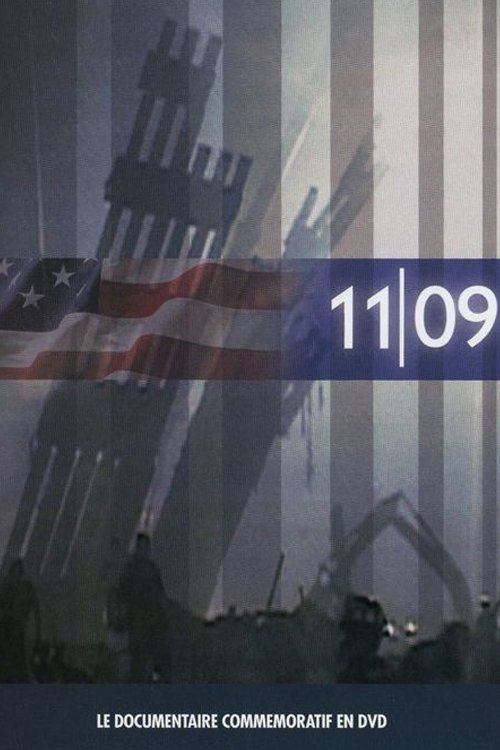
New York : 11 Septembre est un film documentaire sur les attentats du 11 septembre à New York, au cours desquels deux avions se sont écrasés sur les bâtiments du World Trade Center, entraînant leur destruction et la mort de près de 3 000 personnes. Le film est présenté du point de vue des pompiers de la ville de New York. Le film a été réalisé par les frères Jules et Gédéon Naudet et le pompier James Hanlon du FDNY.
New York : 11 Septembre
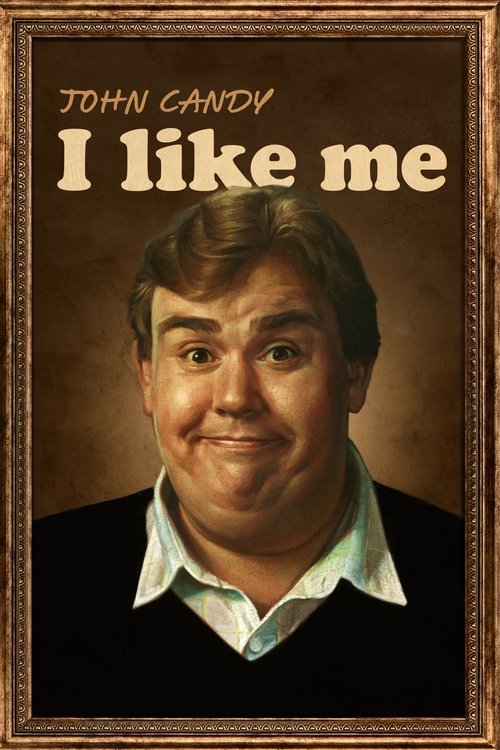
Réalisé par Colin Hanks et produit par Ryan Reynolds, John Candy: I Like Me donne la parole à ceux qui ont le mieux connu John. Ils racontent son histoire à leur façon à travers des films, des photos et des interviews d'archives inédites. C'est un documentaire sur la vie, la carrière et la disparition d'un des acteurs les plus aimés de tous les temps.
John Candy: I Like Me
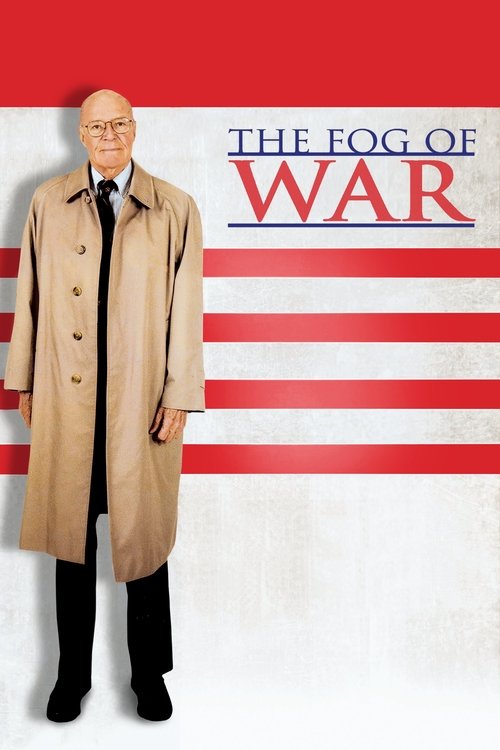
Ce documentaire est l'histoire de l'Amérique vue par l'ancien Secrétaire de la Défense américaine, Robert S. McNamara, personnalité parmi les plus controversées et les plus influentes de la scène politique internationale. A travers son analyse, nous redécouvrons les événements majeurs du XXe siècle. Du bombardement de 100 000 civils japonais à Tokyo en 1945 au risque imminent de catastrophe nucléaire pendant la crise des missiles cubains, en passant par les effets dévastateurs de la guerre du Vietnam, The Fog of War examine la psychologie et les raisonnements des décisionnaires du gouvernement qui ont envoyé les hommes au combat. Ce documentaire apporte également une vision essentielle à quiconque souhaite comprendre l'exercice du pouvoir et ses stratégies. Un essai puissant et dérangeant sur la guerre et la nature de l'Histoire de notre humanité moderne...
The Fog of War
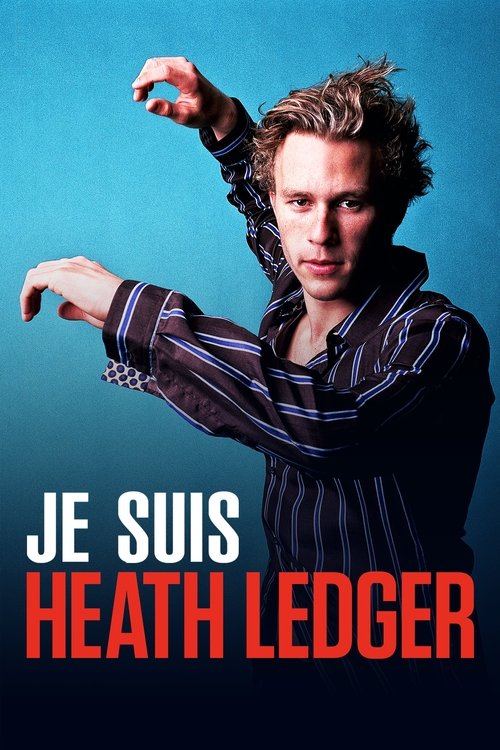
Un documentaire consacré à l'acteur américain Heath Ledger, décédé en 2008 à l'âge de 28 ans.
I Am Heath Ledger
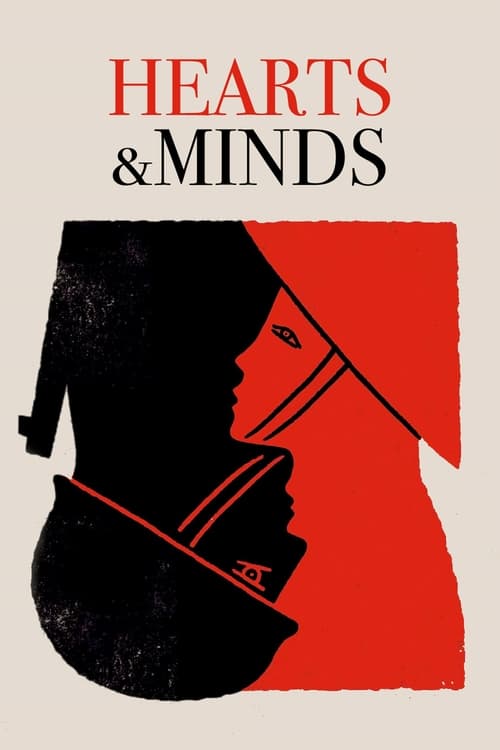
Un documentaire soulignant, à travers des images d'archives et des témoignages, les enjeux et les attitudes contradictoires des témoins de la guerre du Viêtnam. Le titre vient directement d'un discours du président Lyndon Johnson qui déclara, en tentant de justifier l'envoi de soldats au Viêtnam, que l'ultime victoire ne se gagnerait qu'avec le cœur et l'esprit des hommes qui vivent là-bas.
Le cœur et l'esprit
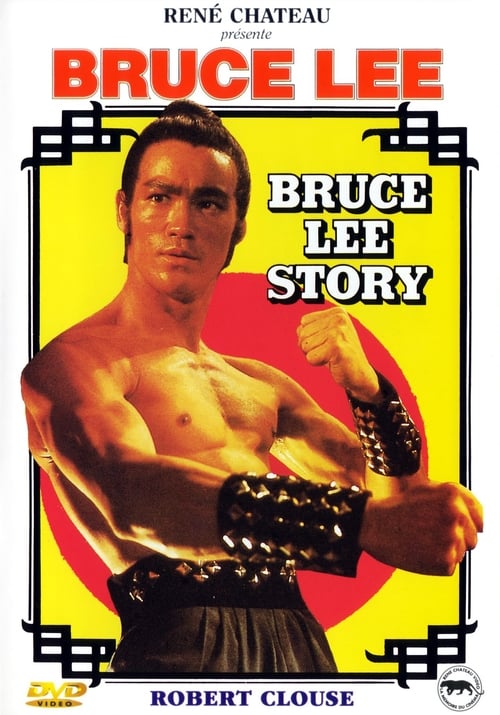
L'hommage officiel au maître du film d'arts martiaux, Bruce Lee mort le 20 juillet 1973.
La Légende de Bruce Lee (Bruce Lee Story)
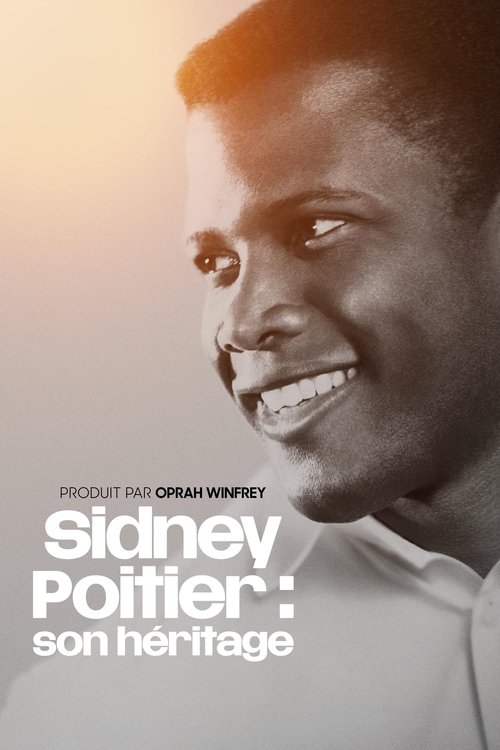
Réalisé par Oprah Winfrey, ce documentaire révélateur rend hommage au légendaire Sidney Poitier, acteur, cinéaste et militant des droits civiques. Découvrez des entretiens avec Denzel Washington, Spike Lee, Barbra Streisand, et bien d'autres.
Sidney Poitier : son héritage

A compilation of over 30 years of private home movie footage shot by Lithuanian-American avant-garde director Jonas Mekas, assembled by Mekas "purely by chance", without concern for chronological order.
As I Was Moving Ahead, Occasionally I Saw Brief Glimpses of Beauty
Avis & Notes
Connectez-vous pour donner votre avis
Partagez votre opinion avec la communauté.