
Photos
Vous aimerez aussi
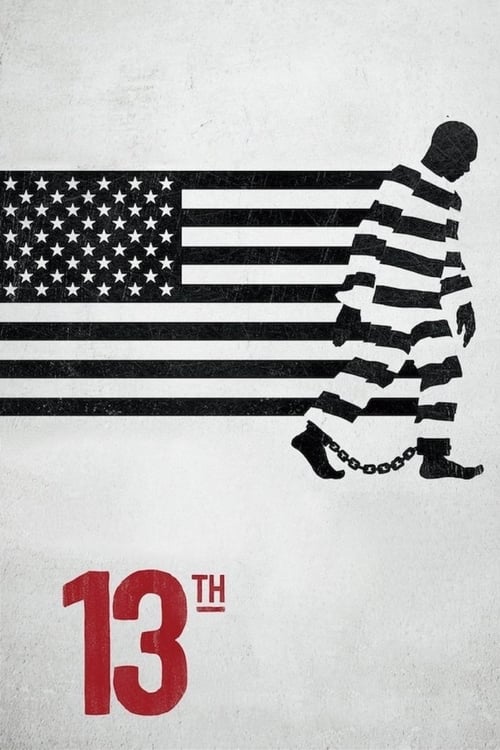
Dans ce documentaire sans concession, universitaires, militants et politiciens analysent la criminalisation des Afro-Américains et le boom des prisons aux États-Unis. Ce film mordant nommé aux Oscars a été sacré Meilleur documentaire aux Emmys, aux BAFTA et aux NAACP Image Awards.
Le 13e
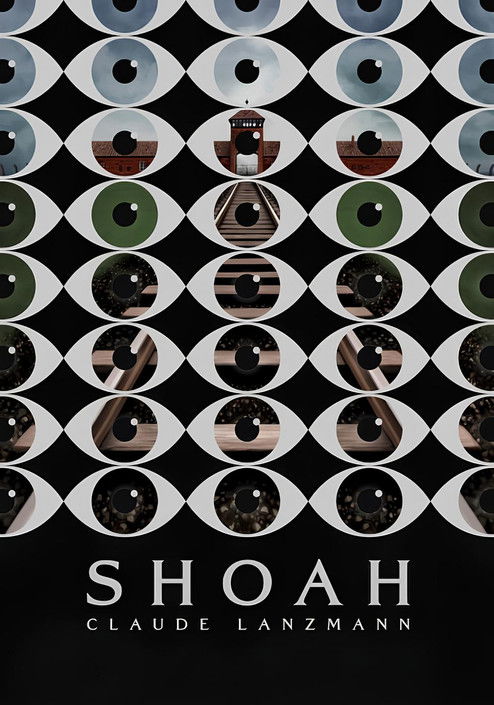
Claude Lanzmann a retrouvé des rescapés juifs des camps d’extermination. Il a traqué les nazis qui se cachaient et réussi à les filmer clandestinement. Il est retourné sur les lieux, dans les villages limitrophes de Chelmno, Ponari, Treblinka, Sobibor, Auschwitz, pour interroger les témoins polonais. Ni fiction – tous les protagonistes ont été en contact direct avec les camps –, ni documentaire – il ne s’agit pas d’une compilation de souvenirs –, Shoah est avant tout un film de la mémoire qui abolit la distance entre le passé et le présent. Sans recourir aux documents d’archives – il n’y a pas un cadavre dans cette œuvre pétrie de mort – ni aux “images chocs”, Shoah (“anéantissement”, “destruction”, en hébreu) démonte les rouages de la “solution finale”. “Nous avons lu, après la guerre, quantité de témoignages sur les ghettos, sur les camps d’extermination.
Shoah
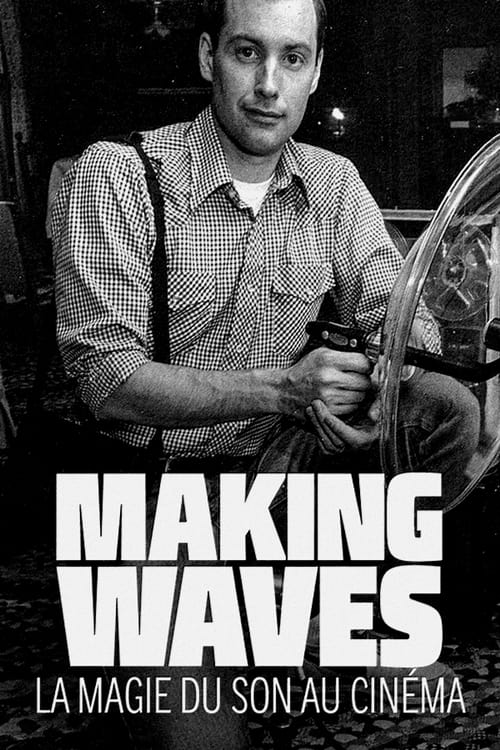
L'histoire du son au cinéma, racontée par des concepteurs sonores légendaires et des cinéastes visionnaires.
Making waves : la magie du son au cinéma
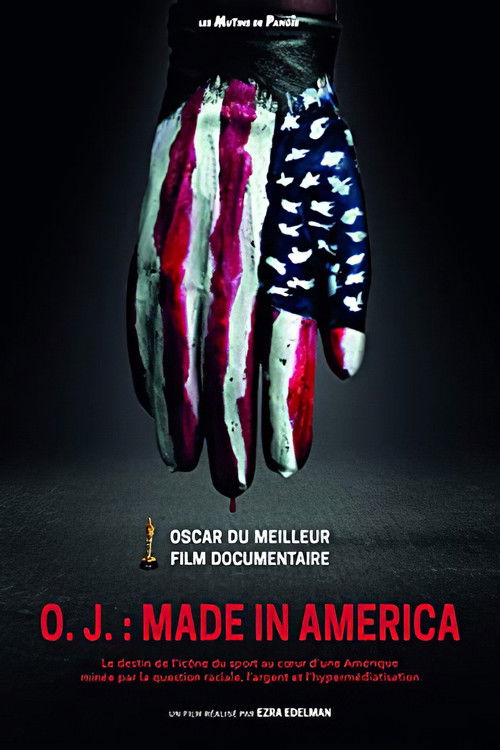
"O.J. - Made in America" retrace l'histoire de la race au cours des dernières décennies à travers la lentille de la montée et la chute de OJ Simpson. Il est peut-être la définition histoire culturelle de l'Amérique du 20e siècle, qui se concentre autour de deux des plus grands de notre pays fixations: race et célébrité. « JO: Made in America » explorera ces thèmes en traçant un parcours personnel, de la façon dont Orenthal James Simpson premier est devenu une star de football, la raison pour laquelle le pays est tombé en amour avec lui en dehors du terrain, à son être accusé du meurtre de son ex femme et son acquittement subséquent et pourquoi il est maintenant assis en prison 20 ans plus tard pour un autre crime.
O.J. - Made in America
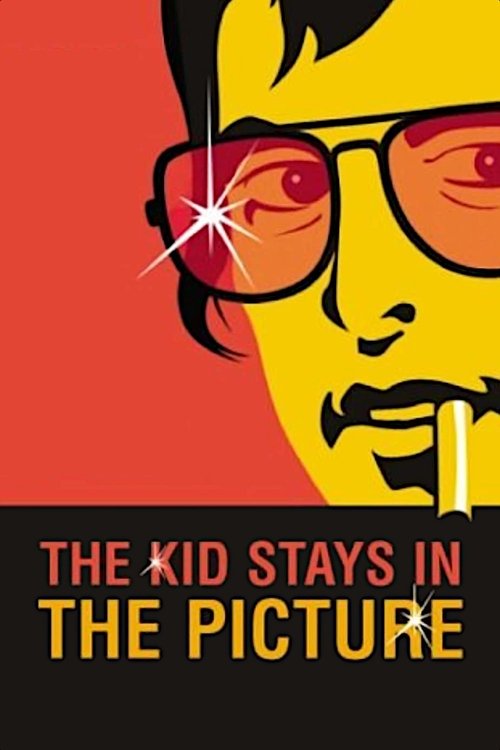
The Kid stays in the picture retrace la fulgurante ascension, la chute puis de nouveau l'ascension de Robert Evans, le légendaire producteur hollywoodien du Parrain, de Rosemary's baby et de Love story. Adapté de l'autobiographie de Robert Evans, qui en assure lui-même le commentaire, ce documentaire retrace la vie de ce personnage hors du commun qui fut d'abord une star de cinéma avant de passer à la production.
The Kid Stays in the Picture
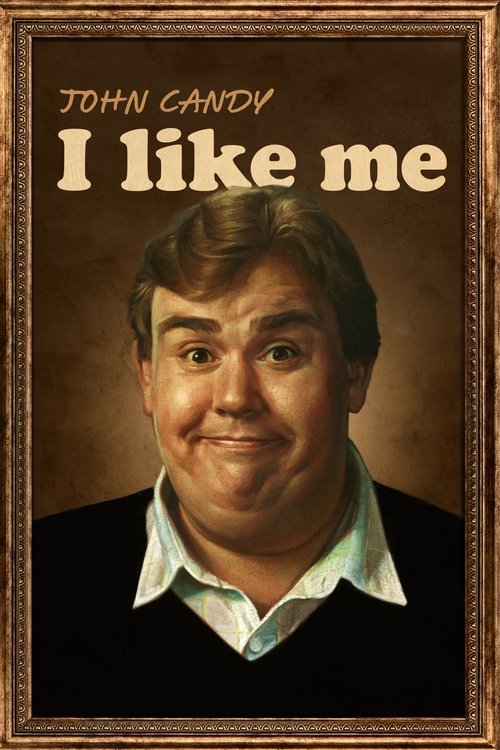
Réalisé par Colin Hanks et produit par Ryan Reynolds, John Candy: I Like Me donne la parole à ceux qui ont le mieux connu John. Ils racontent son histoire à leur façon à travers des films, des photos et des interviews d'archives inédites. C'est un documentaire sur la vie, la carrière et la disparition d'un des acteurs les plus aimés de tous les temps.
John Candy: I Like Me
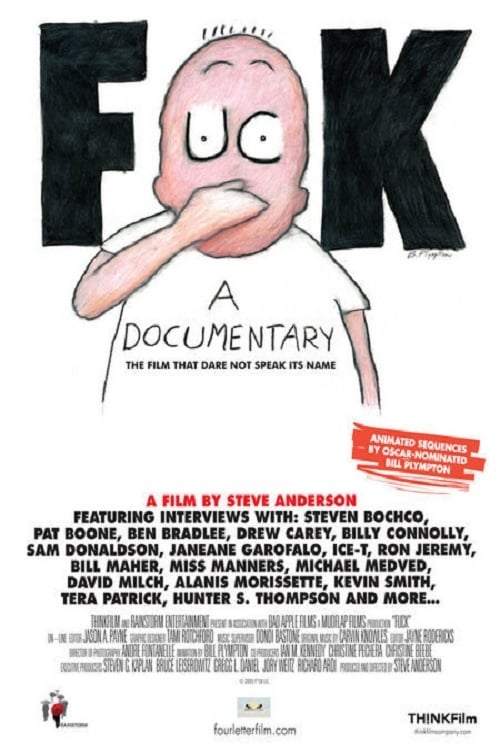
A documentary on the expletive's origin, why it offends some people so deeply, and what can be gained from its use.
Fuck
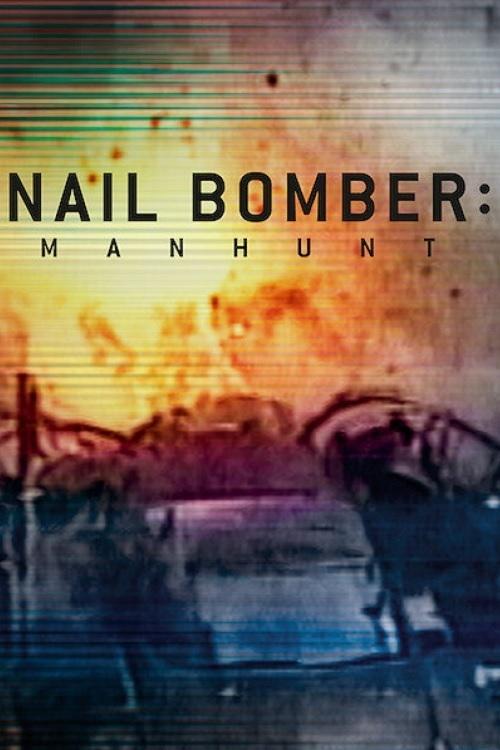
Ce documentaire examine les attentats à la bombe de Londres de 1999 qui ont visé les communautés noires, bangladaises et gays, et la course à la recherche de l'agresseur d'extrême droite. Il a terrorisé une ville, cherchant à déclencher une guerre raciale, mais la justice était rendue par ceux qui ne voulaient pas laisser sa haine l'emporter.
Nail Bomber : Le terroriste qui a fait trembler Londres
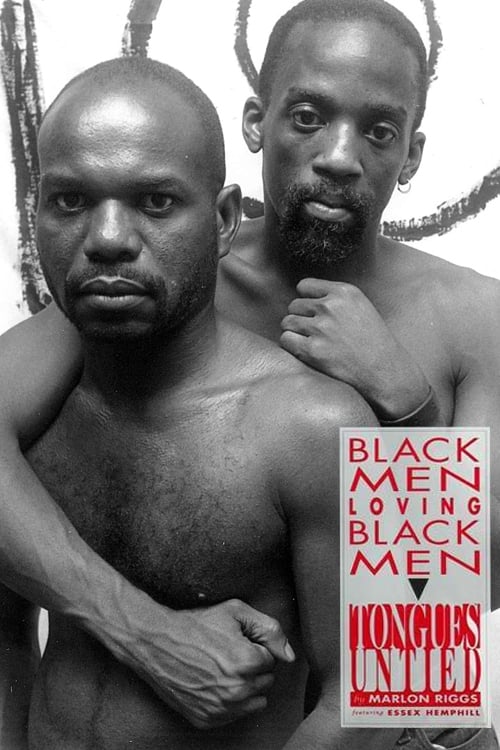
Marlon Riggs, with assistance from other gay Black men, especially poet Essex Hemphill, celebrates Black men loving Black men as a revolutionary act. The film intercuts footage of Hemphill reciting his poetry, Riggs telling the story of his growing up, scenes of men in social intercourse and dance, and various comic riffs, including a visit to the "Institute of Snap!thology," where men take lessons in how to snap their fingers: the sling snap, the point snap, the diva snap.
Tongues Untied
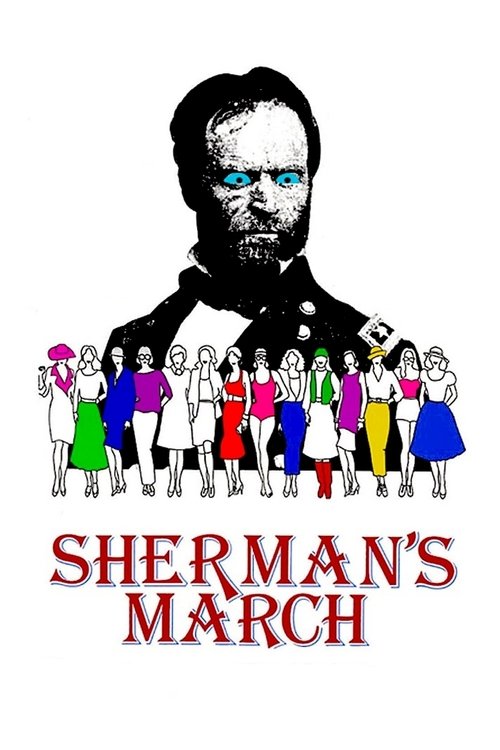
Ross McElwee sets out to make a documentary about the lingering effects of General Sherman's march of destruction through the South during the Civil War, but is continually sidetracked by women who come and go in his life, his recurring dreams of nuclear holocaust, and Burt Reynolds.
Sherman's March
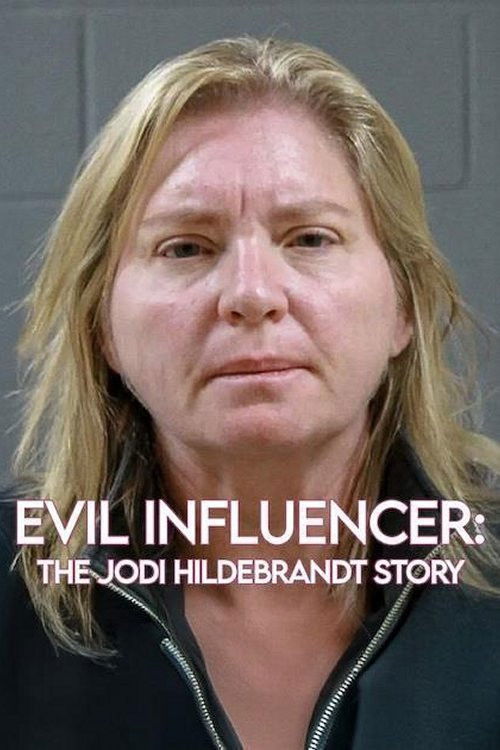
Découvrez l'affaire de la thérapeute de l'Utah, Jodi Hildebrandt, dont l'arrestation pour maltraitance d'enfants, en compagnie de la youtubeuse spécialisée dans l'éducation des enfants Ruby Franke, a révélé une histoire de manipulation sordide.
Mauvaise influenceuse : L'histoire de Jodi Hildebrandt
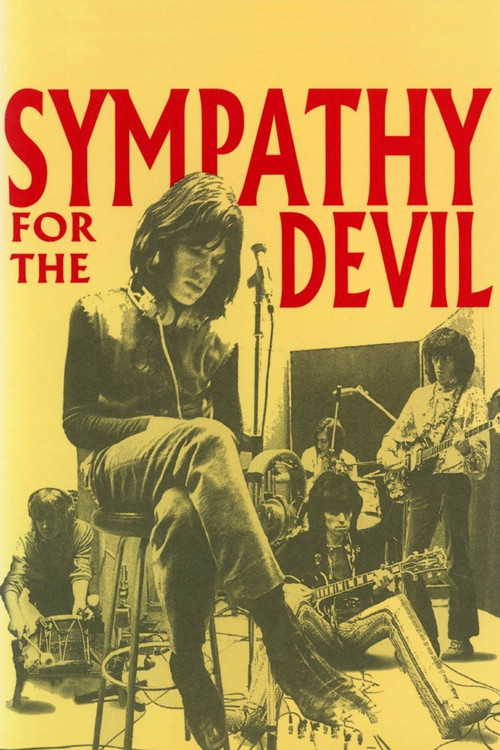
Dans un studio capitonné rose, les Rolling Stones enregistrent leur dernier album. Non loin de là, une jeune femme écrit des slogans contestataires sur les murs. Dans un dépôt de voitures à la casse, près de la Tamise, les Black Panthers, un groupe d'activistes noirs, préparent la révolution. Ils fusillent des femmes blanches et donnent des interviews à la presse. Et tandis que les Rolling Stones répètent inlassablement leurs nouveaux morceaux, un libraire, spécialisé dans l'édition pornographique, lit « Mein Kampf ». Ses clients giflent deux juifs. Apparaît enfin Eve Democracy, qui précise son credo politique à une équipe de reporters avant de mourir…
One + One
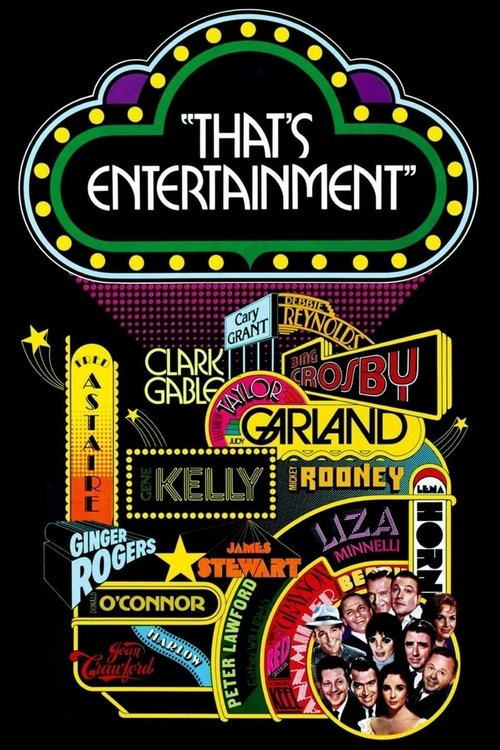
Cette nostalgique leçon d'histoire recèle les trésors cachés des plus grandes comédies musicales de la MGM ainsi que de nombreux autres extraits merveilleux mais moins célèbres, avec Esther Williams, Jimmy Durante, Eleanor Powell et même Clark Gable chantant et dansant. « Il était une fois Hollywood » est une véritable gourmandise pour cinéphiles et amateurs de comédies musicales.
Il était une fois à Hollywood
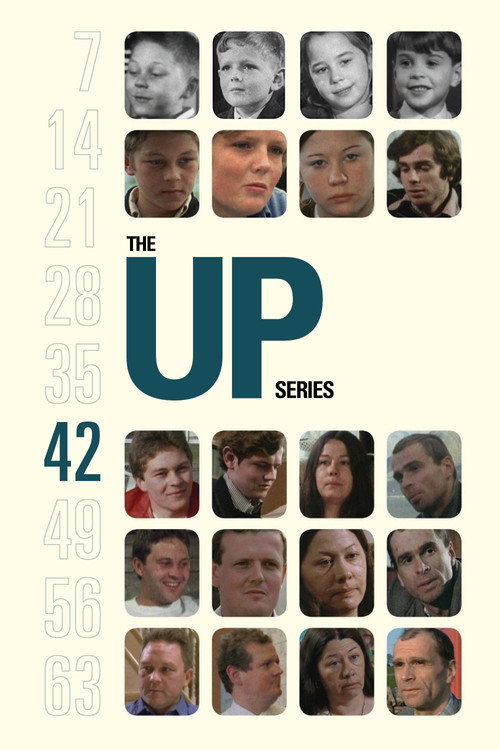
Director Michael Apted revisits the same group of British-born adults after a 7 year wait. The subjects are interviewed as to the changes that have occurred in their lives during the last seven years.
42 Up
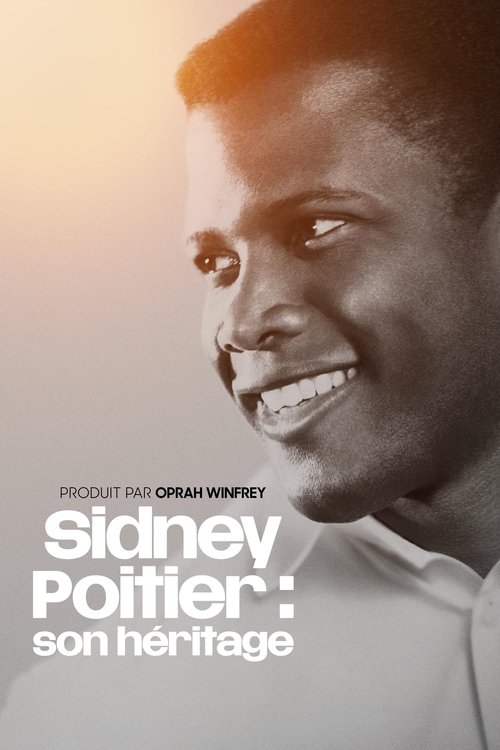
Réalisé par Oprah Winfrey, ce documentaire révélateur rend hommage au légendaire Sidney Poitier, acteur, cinéaste et militant des droits civiques. Découvrez des entretiens avec Denzel Washington, Spike Lee, Barbra Streisand, et bien d'autres.
Sidney Poitier : son héritage
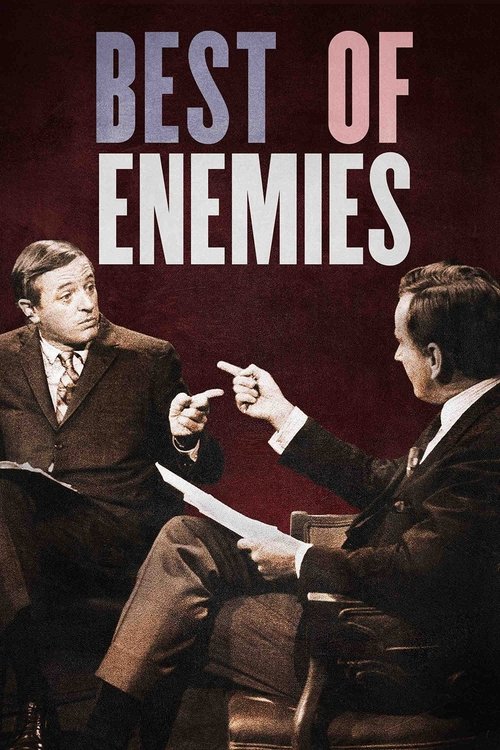
A documentary about the legendary series of nationally televised debates in 1968 between two great public intellectuals, the liberal Gore Vidal and the conservative William F. Buckley Jr. Intended as commentary on the issues of their day, these vitriolic and explosive encounters came to define the modern era of public discourse in the media, marking the big bang moment of our contemporary media landscape when spectacle trumped content and argument replaced substance. Best of Enemies delves into the entangled biographies of these two great thinkers, and luxuriates in the language and the theater of their debates, begging the question, "What has television done to the way we discuss politics in our democracy today?"
Best of Enemies
Documentary about the art of film editing. Clips are shown from many groundbreaking films with innovative editing styles.
The Cutting Edge: The Magic of Movie Editing
En 1980, Stanley Kubrick signe SHINING, qui deviendra un classique du cinéma d’horreur. A la fois admiré et vilipendé, le film est considéré comme une œuvre marquante du genre par de nombreux experts, tandis que d’autres estiment que Kubrick s’est dévoyé en la réalisant. Mais il y a aussi des fans acharnés qui ont voué leur vie au décryptage des messages cachés de ce film culte… Théories du complot ? Ont ils décrypté les messages secrets de Shining ?
Room 237
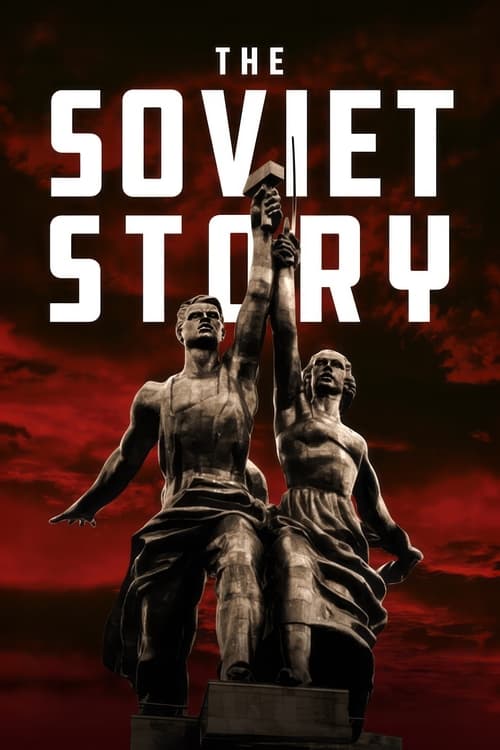
“The Soviet Story” is a story of an Allied power, which helped the Nazis to fight Jews and which slaughtered its own people on an industrial scale. Assisted by the West, this power triumphed on May 9th, 1945. Its crimes were made taboo, and the complete story of Europe’s most murderous regime has never been told. Until now...
The Soviet Story
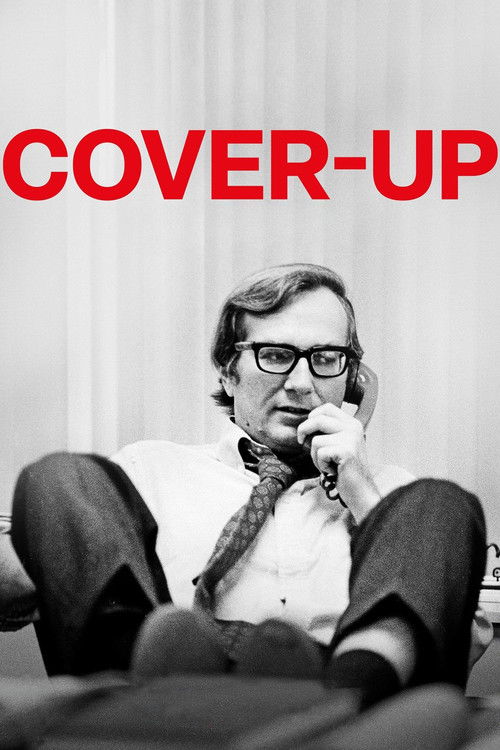
Il a consacré sa vie à révéler des histoires que les puissants veulent étouffer. De My Lai à Abou Ghraib, plongez au cœur de l'œuvre de toute une vie du journaliste Seymour Hersh.